Menu

24/7 Emergency Water Removal in Columbus – Techs Dispatched in Under 60 Minutes

When water invades your Columbus property at 2 AM or during a holiday weekend, you need immediate water removal teams on-site fast. We dispatch certified technicians to your door in under an hour, equipped with truck-mounted extractors and thermal imaging to stop damage before it compounds.

Slider Image 1
Slider Image 2
Slider Image 3
Slider Image 4
Slider Image 5
Slider Image 7
Slider Image 8
Slider Image 9
Slider Image 10
Slider Image 11

Why Columbus Water Emergencies Escalate So Quickly

You just discovered standing water in your basement. Maybe a supply line burst while you were at work. Maybe the Scioto River flooded your crawl space after last night's storm. Maybe your water heater failed and soaked through the ceiling below.

Here is what happens next if you wait.

Columbus sits in a humid continental climate zone. Our average relative humidity hovers between 65 and 75 percent year-round. When water saturates drywall, insulation, or subflooring in this environment, mold spores germinate within 24 to 48 hours. Structural wood begins to swell and warp. Carpet pad turns into a bacterial breeding ground.

Emergency water extraction services exist for one reason. Speed determines outcome. The first three hours after water intrusion are the most critical window. Professional extraction equipment removes 95 percent of standing water. Portable air movers and commercial dehumidifiers create negative vapor pressure to pull moisture from porous materials before microbial growth takes hold.

Columbus homeowners face additional risks from our clay-heavy soil composition. When foundations shift during freeze-thaw cycles, hairline cracks allow groundwater seepage during heavy rain events. Older homes in German Village and Victorian Village often have stone foundations with deteriorating mortar joints. These properties need urgent water mitigation the moment water appears because structural damage accelerates in porous masonry.

Waiting until morning to call for 24 hour water damage cleanup turns a manageable extraction job into a full demolition project. Every hour of delay doubles your restoration cost and triples your recovery timeline.

Why Columbus Water Emergencies Escalate So Quickly
How Immediate Water Removal Actually Works

How Immediate Water Removal Actually Works

We do not arrive with a shop vac and a box fan.

Our 24/7 flood extraction teams carry truck-mounted extractors that generate 250 CFM of suction power. These units pull water directly from carpet, pad, and subflooring through weighted wands, then discharge it outside your property through discharge hoses. For category 3 water intrusions like sewage backups or floodwater contamination, we use self-contained extractors to prevent cross-contamination.

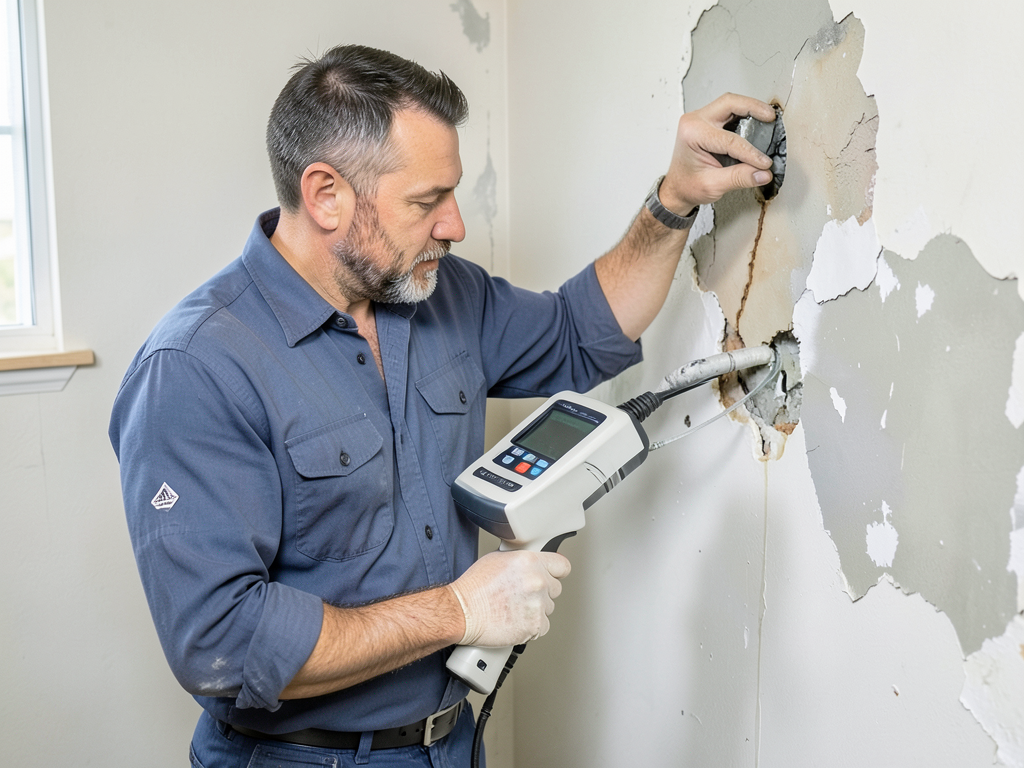
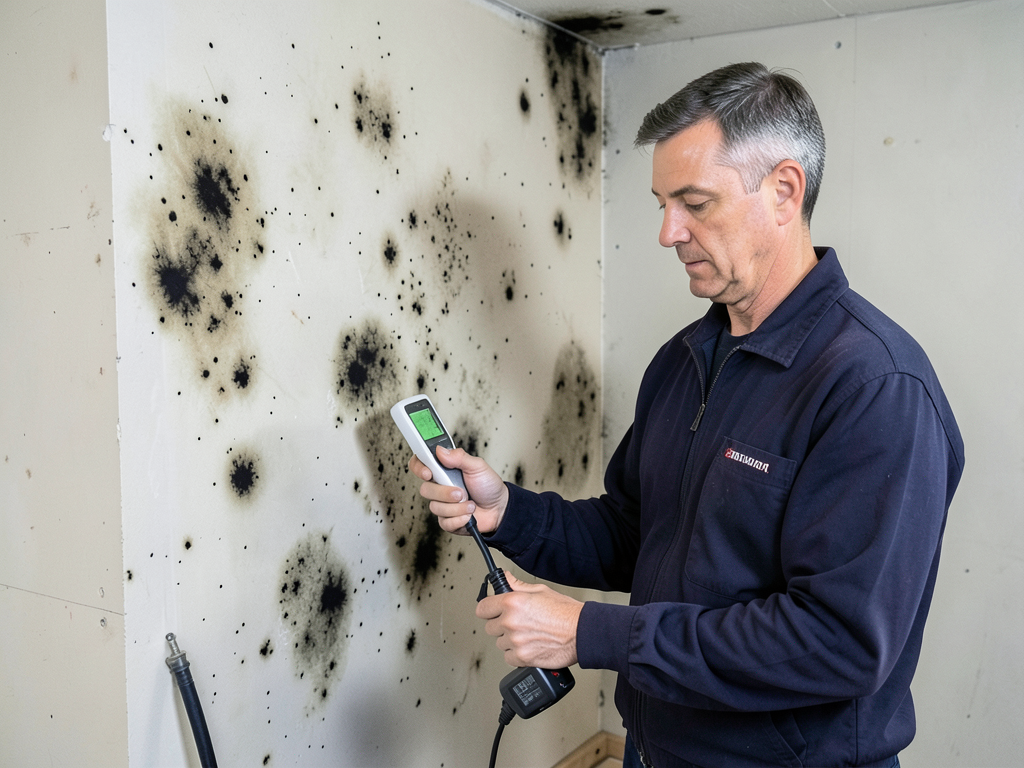
Thermal imaging comes next. We scan every affected wall cavity and ceiling void with FLIR cameras to map moisture migration patterns. Water travels through wall studs, floor joists, and HVAC chases. You cannot see it, but our infrared sensors detect temperature differentials that reveal hidden saturation. This technology prevents callback jobs where mold appears weeks later behind walls that looked dry to the naked eye.

Air movement follows extraction. We position axial air movers in a controlled airflow pattern to create rapid evaporation without spreading moisture to unaffected areas. Low-grain refrigerant dehumidifiers run continuously to capture the moisture those air movers release into the air. We monitor grain depression and vapor pressure with hygrometers until your environment reaches equilibrium.

Columbus building codes require Class 1 vapor retarders on crawl space floors. When groundwater floods these spaces, we extract standing water, then treat exposed soil with antimicrobial solutions before reinstalling vapor barriers. This prevents future moisture intrusion and protects your floor joists from rot.

Our process documentation includes moisture mapping photos, psychrometric readings, and equipment placement diagrams. Insurance adjusters need this data to process your claim. We provide it automatically because we understand how claims work.

What Happens When You Call for Emergency Water Removal

24/7 Emergency Water Removal in Columbus – Techs Dispatched in Under 60 Minutes
01

Immediate Dispatch and Containment

Your call triggers our dispatch system. We ask three questions: Where is the water? Is it still flowing? Is power on in the affected area? A technician loads equipment and drives to your property while walking you through emergency shut-off procedures. We arrive with containment barriers to isolate the affected zone and prevent water migration to dry areas. Source stoppage happens before extraction begins.
02

Extraction and Moisture Mapping

Truck-mounted extractors remove standing water in 20 to 40 minutes depending on volume. We pull baseboards to check wall cavities for wicking. Thermal cameras scan adjacent rooms for hidden moisture migration through subfloors and ceiling voids. Every wet material gets documented with moisture meter readings. We classify the water category and determine which materials need removal versus in-place drying.
03

Controlled Drying and Monitoring

Air movers and dehumidifiers run for 48 to 96 hours depending on material saturation levels and atmospheric conditions. We return daily to record psychrometric data and adjust equipment placement. Drying is complete when moisture content in affected materials matches unaffected control areas. You receive a certificate of completion with final moisture readings for your insurance claim and property records.

Why Columbus Property Owners Choose Five Star Water Damage Restoration Columbus

We know Columbus properties because we work in them every day.

Our technicians understand that homes in Clintonville have cast iron drain lines from the 1940s that corrode and fail without warning. We know Short North condos have PEX supply lines that can burst when building HVAC systems fail during cold snaps. We have extracted water from dozens of Bexley basements after Alum Creek overflow events.

This local knowledge matters when minutes count.

Columbus operates under Ohio Building Code Chapter 33, which requires specific ventilation rates during structural drying to prevent secondary damage. We comply with these requirements automatically because we work with Franklin County inspectors regularly. If your water damage requires permit-level reconstruction, we know which measures trigger permit requirements and how to document pre-loss conditions for code compliance.

Our equipment inventory stays in Columbus. We do not dispatch from regional hubs two hours away. Our trucks park at our local facility, fully loaded with extraction equipment, air movers, dehumidifiers, moisture meters, and thermal cameras. When you call at 3 AM, a technician drives from Columbus to your property. Not from another city.

Insurance coordination happens seamlessly because we work with every major carrier that writes policies in Franklin County. We photograph damage before we touch anything. We document scope with detailed moisture maps. We provide estimates in Xactimate format that adjusters recognize and accept. You should not have to fight your insurance company while your home is flooded.

Five Star Water Damage Restoration Columbus employs IICRC-certified water restoration technicians. This certification requires 40 hours of classroom training plus field examination in water damage restoration principles, psychrometry, and microbial remediation. Our technicians recertify every two years to maintain current knowledge of drying science and industry standards.

What to Expect When We Arrive

Response Time and Availability

We dispatch within 15 minutes of your call. Our average on-site arrival time is 45 to 60 minutes anywhere in Franklin County. That includes German Village, Upper Arlington, Worthington, and Westerville. We staff technicians 24 hours a day, 365 days a year. You will not reach an answering service or get scheduled for tomorrow morning. A certified water restoration technician answers your call, asks assessment questions, and commits to an arrival window immediately. We bring everything needed for extraction and drying on the first trip. No return visits to get additional equipment.

Initial Assessment and Documentation

The first 20 minutes on-site involve hazard assessment, moisture mapping, and photo documentation. We identify electrical hazards, check for structural instability, and classify the water category based on contamination level. Thermal imaging reveals the full extent of moisture migration, including areas that appear dry visually. You receive a verbal explanation of findings and a written scope of work before extraction begins. We categorize materials as restorable or non-restorable based on saturation levels and contamination. This assessment determines your insurance claim scope and restoration timeline.

Extraction Quality and Completion Standards

Professional extraction removes 95 to 98 percent of standing water in the first pass. Our truck-mounted units generate sufficient suction to pull water from carpet backing and pad without damaging fibers. We extract until moisture meters show readings below 15 percent in wood materials and below 20 percent in drywall and concrete. These thresholds prevent mold growth and secondary damage. Drying equipment runs until affected materials match the moisture content of unaffected control areas. You receive daily progress reports with psychrometric data showing grain depression and drying velocity.

Post-Drying Verification and Documentation

We do not remove equipment until independent moisture readings confirm complete drying. Final documentation includes before and after photos, moisture content logs, equipment placement diagrams, and psychrometric charts showing atmospheric conditions throughout the drying process. This package goes directly to your insurance adjuster with our estimate. You also receive a certificate of completion stating that all affected materials have been dried to industry-standard moisture levels. This protects you if mold or structural issues appear later and proves proper mitigation occurred immediately after the loss.

Frequently Asked Questions

You Have Questions,
We Have Answers

Does a water leak count as an emergency? +

Yes. Any active water leak qualifies as an emergency. Water spreads fast through drywall, insulation, and subflooring. Within hours, you risk structural damage, mold growth, and electrical hazards. Columbus homes face high humidity year-round, which accelerates mold colonization. If you see water pooling, staining, or dripping, shut off your water main if possible and call a 24/7 water removal team immediately. Delaying even a few hours turns a minor leak into a major restoration project. Speed protects your property and your wallet.

How much does it cost to get water out of a basement? +

Cost depends on water volume, contamination level, and basement size. Light flooding in a small Columbus basement may run a few hundred dollars. Extensive flooding with sewage backup or structural damage can climb into thousands. Most restoration companies charge for extraction, drying equipment rental, labor hours, and antimicrobial treatment. Insurance often covers sudden burst pipes or appliance failures. You will not get exact pricing over the phone because every situation differs. Request an onsite assessment to understand your specific scope and coverage options before work begins.

What should I do immediately after water damage? +

Stop the water source if safe. Shut off your main valve for supply line breaks or turn off the appliance causing the leak. Move valuables to dry areas. Document everything with photos and video for your insurance claim. Avoid standing water if electrical outlets or appliances are submerged. Call a 24/7 water removal company immediately. Time matters. Columbus humidity accelerates microbial growth within 24 to 48 hours. Do not wait to assess damage yourself. Professionals bring extraction pumps, moisture meters, and drying equipment you cannot rent fast enough.

How long does SERVPRO take for water damage? +

Response times vary by franchise location and current call volume. Some SERVPRO locations aim for one to four hour response windows. Actual extraction and drying take days to weeks depending on damage severity. You should call multiple local water removal companies to compare availability. In Columbus, several certified restoration firms operate 24/7 with comparable or faster response times. Do not assume one brand is your only option during an emergency. Speed matters more than brand recognition. Choose the company that can dispatch a crew to your property fastest.

What is the 135 rule in plumbing? +

The 135 rule states that when you add the outdoor temperature and the water temperature inside your pipes, freezing risk jumps when the total is 135 or below. Columbus winters regularly drop below freezing. If outdoor air hits 20 degrees and your crawl space is unheated at 50 degrees, your total is 70, well below the threshold. This means exposed pipes can freeze even if indoor spaces feel warm. Insulate pipes in unheated areas. Let faucets drip during extreme cold snaps to maintain flow and prevent burst pipes.

What are 5 examples of emergency situations? +

Five water-related emergencies common in Columbus include burst frozen pipes during winter cold snaps, sewer backups from aging clay tile lines, sump pump failures during spring storms, roof leaks from ice dam formation, and water heater ruptures in older homes. Each situation demands immediate action. Standing water causes progressive damage every hour. Microbial growth starts within 24 hours in humid conditions. Structural wood weakens. Drywall crumbles. If you face any sudden water intrusion, treat it as urgent. Call a 24/7 restoration team to stop the damage before it compounds.

Will insurance cover water in a basement? +

It depends on the cause. Homeowners insurance typically covers sudden, accidental water damage like burst pipes or appliance failures. It usually excludes gradual seepage, groundwater intrusion, or flood events. Columbus sits outside major floodplains, but spring storms still cause basement seepage. Standard policies will not cover that. You need separate flood insurance or sump pump rider endorsements. Review your policy declarations page. Call your agent immediately after damage occurs to confirm coverage. Document everything. Professional restoration companies often help navigate claims and communicate directly with adjusters.

How to quickly remove water from a basement? +

Use a submersible pump for deep standing water. Rent one from a local equipment supplier if you have time. For faster results, call a 24/7 water removal company with truck-mounted extraction units. They pull thousands of gallons per hour. After extraction, run commercial dehumidifiers and air movers to dry hidden moisture in walls, insulation, and subflooring. Do not rely on a shop vacuum or household fans. Columbus humidity slows evaporation. Professional equipment cuts drying time from weeks to days and prevents mold growth.

How long can water sit in a basement? +

No more than 24 to 48 hours. Columbus humidity creates ideal conditions for mold spores to colonize wet surfaces. Within 48 hours, you will see visible mold growth on drywall, wood, and fabric. Longer exposure causes structural wood rot, metal corrosion, and permanent odor. Even if water evaporates on its own, moisture trapped in wall cavities and insulation stays hidden. You need professional moisture mapping and drying equipment. Do not assume natural evaporation solves the problem. Call a restoration company immediately to extract water and dry the space completely.

Is it worth going through insurance for water damage? +

Yes, for significant damage. Filing a claim makes sense when repair costs exceed your deductible by a meaningful margin. Water damage restoration often runs several thousand dollars once you factor extraction, drying, antimicrobial treatment, and repairs. If you face only minor cosmetic fixes, paying out of pocket avoids claim history marks. Columbus homeowners should document damage thoroughly and get a professional estimate before deciding. Restoration companies often provide free assessments and help you understand coverage. Your agent can confirm claim impact on future premiums before you commit to filing.

How Columbus Flood Zones and Storm Patterns Drive Emergency Water Removal Needs

Columbus sits at the confluence of the Scioto and Olentangy Rivers. FEMA flood maps classify neighborhoods along these corridors as Special Flood Hazard Areas, where 100-year flood events create basement and crawl space intrusions. Spring thunderstorms regularly drop two to three inches of rain in under an hour, overwhelming storm sewers in Franklinton and the Brewery District. Older neighborhoods with combined sewer systems experience backflow events during these rain events, pushing contaminated water into basement floor drains. Immediate water removal becomes critical because floodwater carries bacteria, chemicals, and sewage that create biohazard conditions requiring specialized extraction and antimicrobial treatment.

Franklin County building permits require water damage restoration contractors to follow IICRC S500 standards for emergency water extraction and structural drying. We maintain compliance documentation for every job because local adjusters and code inspectors expect it. Columbus property owners benefit from working with local restoration companies that understand these requirements and maintain relationships with municipal inspectors. When restoration work requires permits for drywall replacement or electrical repairs, we know the submittal process and can expedite approvals. This local knowledge prevents delays that extend your displacement timeline and increase your living expense claims.
Water Damage Restoration Services in The Columbus Area

We proudly serve the wider Columbus area and its surrounding communities. Our centrally located office allows our emergency response teams to reach your property quickly, no matter where you are. We are committed to being a reliable resource for our neighbors, and our responsive team is always on standby to provide professional assistance when you need it most. We believe that local expertise and a quick response are crucial when dealing with water damage, so we encourage you to view our service area to see if we can help.

Address:
Five Star Water Damage Restoration Columbus, 601 N High St, Columbus, OH, 43215

Additional Services We Offer

Our news updates

Latest Articles & News from The Blogs

Dealing with water damage when you live in a Columbus HOA or condo association Water damage in a Columbus condo…

Dealing with water damage when you live in a Columbus HOA or condo association

Dealing with water damage when you live in a Columbus HOA or condo association Water damage in a Columbus condo…

The real difference between common mildew and dangerous black mold in Eastmoor homes

The real difference between common mildew and dangerous black mold in Eastmoor homes Eastmoor homeowners often spot dark patches in…

Testing your sump pump before the spring rains hit the South Side

Testing your sump pump before the spring rains hit the South Side \n\n Heavy spring rains combined with the clay-rich…

Contact Us

Every minute of delay allows water to spread and saturate more materials. Call (614) 707-7505 right now. A certified technician will dispatch to your Columbus property within the hour with truck-mounted extraction equipment and industrial drying systems. We answer 24/7.