


Columbus sits in a perfect storm of water damage risk. The Scioto and Olentangy Rivers frame the city, creating high water tables that push groundwater into basements during spring thaw and heavy rain events. Franklin County clay soil does not drain. It holds water against foundation walls, creating hydrostatic pressure that finds every crack and seam. Columbus experiences freeze-thaw cycles that burst pipes in older homes across German Village, Clintonville, and Victorian Village where cast iron and galvanized plumbing still runs through walls. Summer thunderstorms drop inches of rain in minutes, overwhelming gutters and grading systems. Sump pumps fail during the exact moments they are needed most. The city's aging infrastructure means water main breaks and sewer backups hit neighborhoods without warning. Columbus homes built before 1980 often lack proper vapor barriers in crawl spaces, inviting condensation and moisture year-round. HVAC systems in attics can leak for weeks before homeowners notice ceiling stains. Water heaters installed in finished basements become ticking time bombs after year seven. This is not about if water will damage your Columbus property, it is about when and how fast you respond when it does.
Five Star Water Damage Restoration Columbus operates from strategic locations across Franklin County, cutting response times when you are standing in three inches of water at 2 AM. Our dispatch system routes the closest certified crew to your address within 60 minutes, not tomorrow morning. We answer our phones 24/7 because water emergencies do not respect business hours. Every technician carries thermal imaging cameras to find hidden moisture in wall cavities and subfloors that basic moisture meters miss. We document every wet material, every affected room, and every piece of damaged content with time-stamped photos your insurance adjuster actually needs to approve your claim. Most restoration companies extract water and walk away. We track moisture levels daily until readings confirm complete drying, preventing mold growth that shows up three weeks later. Our equipment inventory includes trailer-mounted extractors that pull thousands of gallons from flooded basements in hours, not days. We understand Columbus construction methods because we work in these homes every single day. We know where builders cut corners in Short North condos, how crawl spaces are vented in Upper Arlington, and why Grandview Heights basements flood from specific storm sewer designs. Five Star does not franchise our name to untrained crews. Every person wearing our logo has completed IICRC water damage restoration certification and knows how to read a psychrometric chart. We coordinate directly with your insurance company, translating restoration language into claim language so you get covered for legitimate damages. When we say we serve Columbus, we mean we have pulled water from flooring in Brewery District lofts, dried out Bexley Tudor basements, and salvaged hardwoods in Clintonville bungalows hundreds of times.

Water spreads fast through Columbus homes. Our crews deploy from multiple Franklin County locations to reach you within one hour of your call, day or night. We arrive with truck-mounted extraction units and start pulling water immediately, not after a consultation appointment. Fast response means less damage, lower restoration costs, and property you can actually save.

We document every damaged material with photos, moisture readings, and detailed scope sheets your adjuster needs to approve coverage. Five Star has worked with every major carrier operating in Ohio. We know what gets covered, what gets denied, and how to present your claim for maximum approval. You get an advocate who speaks insurance language fluently.
Our technicians hold IICRC Water Damage Restoration certification and follow psychrometric drying science, not guesswork. We measure temperature, humidity, and material moisture content daily until readings confirm complete drying. This prevents mold growth, wood rot, and the musty smell that never leaves when water is trapped in wall cavities or subfloors.
We restore water damage in Columbus homes every day and understand local construction methods, soil conditions, and plumbing systems specific to Franklin County neighborhoods. Whether your home has a limestone foundation in German Village or a 1990s slab in Hilliard, we know how water moves through your structure and where hidden damage hides.
Five Star handles every category of water intrusion that threatens Columbus homes and businesses. Water damage is not one problem, it is a spectrum ranging from clean supply line breaks to contaminated sewer backups. Each scenario demands different extraction methods, safety protocols, and drying strategies. We deploy appropriate equipment and containment measures based on the water source and affected materials. Clean water from a broken pipe requires different handling than water that sat stagnant in a basement for three days growing bacteria. Our service range covers emergency water removal, structural drying, content restoration, mold remediation, and full reconstruction when water destroys materials beyond repair. We do not subcontract phases of your restoration to unknown crews. Five Star controls the entire process from the moment we extract the first gallon to final paint and trim work. This continuity means faster completion, accountability at every phase, and a single point of contact who knows your specific damage situation. Columbus property owners call us for basement floods, burst pipes, roof leaks, sewage backups, appliance failures, and storm damage that sends water through windows and doors.
When water floods your Columbus property, immediate extraction prevents secondary damage to subfloors, drywall, and structural framing. Five Star deploys truck-mounted extractors and portable pumps that remove thousands of gallons per hour from basements, crawl spaces, and living areas. We pull water from carpets, pad, and hard surfaces before it wicks into walls and cabinetry. Our crews contain the affected area, document pre-loss conditions, and begin drying protocols the same day you call.
Surface drying is not enough. Water hides in wall cavities, insulation, and subflooring where you cannot see or feel it. Five Star uses thermal imaging to map moisture patterns and places commercial air movers and dehumidifiers to create controlled drying environments. We monitor humidity levels and material moisture content daily, adjusting equipment until psychrometric readings confirm your structure has returned to dry standard. This science-based approach prevents mold growth and structural rot that appears weeks after amateur cleanup.
Sewage backups and toilet overflows contain bacteria, viruses, and pathogens that make your Columbus home unsafe. Five Star follows IICRC S500 standards for category 3 water contamination, wearing protective equipment and using EPA-registered antimicrobials to disinfect affected areas. We remove contaminated materials that cannot be salvaged, contain the work area to prevent cross-contamination, and restore your property to safe, sanitary conditions. Sewage cleanup is not a DIY project. It requires proper training and equipment.
Columbus homes face specific water intrusion challenges tied to local climate, aging infrastructure, and construction methods common to central Ohio. Franklin County sits in a region of temperature extremes that freeze pipes in January and flood basements during April storms. The Scioto and Olentangy River floodplains affect neighborhoods along their corridors, raising water tables and increasing groundwater pressure against foundation walls. City water mains installed decades ago fail without warning, flooding streets and seeping into basements through foundation cracks. Homes built before building codes required sump pumps often lack proper drainage systems. Columbus experiences severe thunderstorms between May and September that drop heavy rainfall faster than gutters and grading can handle. These conditions create predictable water damage scenarios that affect German Village brick homes differently than Clintonville frame construction or New Albany developments. Understanding these local risk factors helps property owners recognize warning signs before minor leaks become major restoration projects.
Columbus clay soil creates hydrostatic pressure that forces groundwater through foundation cracks, cove joints, and floor seams during heavy rain. Spring thaw and summer storms overwhelm drainage systems, sending water into finished basements across Franklin County. Sump pump failures during peak demand leave homes vulnerable to thousands of gallons of flooding that destroys flooring, drywall, and personal property within hours.
January temperatures in Columbus regularly drop below 20 degrees, freezing water in pipes running through exterior walls, attics, and unheated crawl spaces. When frozen pipes thaw, copper and PEX lines split at joints and fittings, releasing gallons per minute into walls and ceilings. Older homes with galvanized or cast iron plumbing face higher burst risk as metal corrodes and weakens over decades.
Columbus winters create ice dams when heat escapes through poorly insulated attics, melting roof snow that refreezes at eaves and gutters. Trapped water backs up under shingles and drips into attic insulation, ceilings, and exterior walls. Wind-driven rain during severe thunderstorms finds vulnerable flashing around chimneys and valleys, sending water into living spaces before homeowners notice the leak source.
Water heaters installed in finished basements or second-floor laundry rooms fail catastrophically after seven years, releasing 40 to 50 gallons into floors below. Washing machine supply hoses burst under constant pressure, flooding laundry areas and adjacent rooms. Dishwasher leaks drip slowly for weeks, rotting cabinets and subfloors before homeowners notice warped flooring or musty odors indicating hidden water damage.
The moment you discover water in your Columbus home, your response determines how much you save and how much you lose. Five Star treats every water emergency with the same urgency because we know small leaks become major problems within hours. When you call our 24/7 emergency line, you reach a live person who asks specific questions about your situation, where the water is coming from, how much area is affected, and whether the source has been stopped. We dispatch the closest crew immediately and talk you through emergency steps to take while they travel to your property. Our technicians arrive in marked vehicles with extraction equipment ready to deploy the moment they assess your damage. You will not wait days for an estimate appointment while water soaks deeper into your structure. We start mitigation immediately because speed directly impacts your final restoration cost and what materials we can salvage. Five Star provides clear communication at every phase, explaining what we are doing, why it matters, and what comes next in your restoration timeline. You get a dedicated project manager who coordinates with your insurance company, answers your questions, and takes responsibility for bringing your property back to pre-loss condition.
Five Star commits to 60-minute response times across Columbus and Franklin County. Our crew arrives with moisture detection equipment and begins mapping the full extent of damage, including hidden moisture you cannot see. We take detailed photos and measurements your insurance adjuster needs, explain our findings in plain language, and outline the restoration plan. You receive a written scope of work before major equipment deployment so you understand what happens next.
Water damage restoration is not a one-day process. Five Star checks moisture levels daily using calibrated meters and adjusts drying equipment based on readings. Your project manager texts or calls with updates, explains any changes to the timeline, and documents progress with photos. You always know what is happening in your home and how close you are to completion. We do not disappear after equipment placement and hope everything dries.
Five Star does not consider your project complete until you walk through the finished restoration and approve the work. We handle reconstruction after drying is verified, replacing drywall, flooring, trim, and paint to match your existing finishes. Our goal is to return your Columbus property to the condition it held before water invaded. You get a final moisture certification report and documentation showing your home has been properly restored.
Five Star follows IICRC S500 water damage restoration standards, adapting proven protocols to your specific situation. Every project moves through three critical phases designed to stop damage progression, remove all moisture, and rebuild what water destroyed.
Our crew stops the water source if possible and begins immediate extraction using truck-mounted pumps and portable units. We pull standing water from all affected areas, remove saturated materials that cannot be saved, and contain the damage zone to prevent water migration. Furniture and contents are moved to dry areas or placed on blocks. We inventory everything affected for your insurance documentation and photograph conditions before restoration begins.
Five Star deploys commercial air movers and dehumidifiers calibrated to your specific drying environment. We use thermal imaging to find trapped moisture in walls, ceilings, and subfloors. Moisture levels are measured and recorded daily using penetrating and non-invasive meters. Equipment runs continuously until psychrometric readings confirm your Columbus property has reached dry standard. This phase typically takes three to five days depending on materials affected and initial moisture levels.
Once drying is verified complete, our reconstruction crews rebuild damaged areas using materials that match your existing finishes. We replace drywall, insulation, flooring, trim, and paint to restore your property to pre-loss condition. Final walkthrough happens with you present to approve all work. Five Star provides documentation showing moisture certification and completed repairs for your insurance claim and property records.
Professional water damage restoration follows Institute of Inspection Cleaning and Restoration Certification standards documented in the S500 guide. These protocols classify water damage into three categories based on contamination level and three classes based on evaporation rate and affected materials. Category 1 water originates from sanitary sources like supply lines and is considered clean at the point of release. Category 2 water contains contaminants that can cause illness if ingested, such as washing machine discharge or toilet bowl water without feces. Category 3 water is grossly contaminated with sewage, flooding from rivers, or any water that sat stagnant long enough to support bacterial growth. Class 1 damage affects minimal porous materials with slow evaporation rates. Class 2 involves fast evaporation and affects entire rooms with wet carpet and walls wicked up 12 inches. Class 3 indicates water came from overhead, saturating walls, ceilings, insulation, and subfloors throughout affected areas. Class 4 involves specialty drying situations like hardwood floors, plaster, and concrete that hold moisture in bound form. Five Star uses psychrometric calculations to determine proper equipment placement, measuring temperature, relative humidity, and specific humidity to create optimal drying conditions. We follow Ohio building codes when reconstruction requires permits, particularly for structural work, electrical, or plumbing repairs. Columbus properties built before 1978 require lead-safe practices during demolition and repair. Our technicians carry IICRC Water Damage Restoration Technician certification and complete continuing education on emerging techniques, equipment technology, and insurance claim documentation requirements. Moisture mapping uses thermal imaging cameras that detect temperature differentials as small as one degree, revealing wet insulation and framing hidden behind drywall. Penetrating moisture meters measure wood moisture content as a percentage, while non-invasive meters scan large areas quickly to identify wet zones requiring detailed measurement. Proper restoration prevents mold growth by achieving dry standard within 72 hours of water intrusion.
Water damage restoration costs depend on water volume, affected square footage, material types, contamination category, and how long water sat before mitigation started. Hardwood floors cost more to dry than carpet. Category 3 sewage requires disposal of porous materials that could be saved in Category 1 situations. Delays between damage and mitigation increase costs exponentially as water spreads and secondary damage develops.
Structural drying takes three to five days for most Columbus water damage scenarios when mitigation starts immediately. Hardwood floors may require two weeks. Plaster walls hold moisture longer than drywall. Cold weather slows evaporation. Drying equipment runs 24 hours per day and must not be shut off prematurely. Complete drying means moisture readings match unaffected areas of your home, not just feeling dry to the touch.
Columbus requires building permits for structural repairs, electrical work, and plumbing modifications during water damage reconstruction. Permits ensure work meets Ohio Residential Code standards for safety and structural integrity. Properties built before 1978 require lead-safe work practices during demolition. Five Star coordinates permit applications and inspections so your restoration meets all local code requirements and passes final inspection.
This video explains water damage restoration processes specific to Columbus, Ohio properties. Five Star Water Damage Restoration covers emergency response protocols, structural drying science, insurance claim documentation, and common water damage scenarios affecting Franklin County homes. Viewers learn IICRC water damage categories, proper mitigation techniques, and why immediate professional response prevents mold growth and structural failure. The video addresses basement flooding, burst pipes, sewage backups, and storm damage restoration methods used in Columbus neighborhoods.
Five Star Water Damage Restoration responds across Columbus and throughout Franklin County, from German Village brick Italianates to Hilliard subdivisions west of I-270. We know the construction differences between neighborhoods because we work in these communities daily. German Village and Brewery District properties feature brick construction, limestone foundations, and basements that flood from groundwater pressure during spring storms. Clintonville and Beechwold homes were built between 1920 and 1950 with crawl spaces, cast iron plumbing, and minimal insulation that makes them vulnerable to frozen pipes and condensation issues. Short North condos and Arena District apartments concentrate water heater and appliance risks in vertical buildings where one unit's leak floods three floors below. Upper Arlington and Grandview Heights feature post-war construction with finished basements that suffer sump pump failures and window well flooding during heavy rain. Dublin, Powell, and New Albany developments built after 1990 use modern plumbing and better drainage but still face burst supply lines, roof leaks, and HVAC condensate problems. Westerville and Gahanna properties near Hoover Reservoir deal with elevated water tables and seasonal flooding risks. The Scioto Mile and Olentangy River corridors create flood zones that affect Franklinton, Italian Village, and parts of the OSU campus area. Columbus sits at the intersection of I-70 and I-71, with neighborhoods radiating from downtown experiencing different soil conditions, drainage patterns, and construction eras that affect how water damages homes. Five Star stations crews strategically across Franklin County to reach any Columbus address within 60 minutes. Whether you need emergency water extraction in a Victorian Village townhouse or sewage cleanup in a Reynoldsburg ranch, we understand the specific construction methods and risk factors affecting your property. Our local knowledge extends to working with Columbus-area insurance adjusters, understanding Franklin County building permit requirements, and knowing which materials suppliers stock matching finishes for historic district restorations.
Water damage repair costs in Columbus vary widely based on severity and affected areas. Minor leaks affecting one room might run a few hundred dollars, while basement floods or burst pipes impacting multiple levels can reach several thousand. Factors include extraction needs, structural drying time, material replacement, and mold remediation. Columbus homes with older plumbing or finished basements face higher risks. The longer water sits, the more damage spreads through drywall, flooring, and subflooring. Emergency mitigation within the first 24 hours prevents costs from climbing. Get a detailed inspection before repairs start.
Professional water damage restoration is worth it when you consider what you avoid. Doing it yourself means you miss hidden moisture in wall cavities and under flooring, which leads to mold growth within 48 hours. Columbus humidity makes this worse. Professionals use moisture meters and thermal imaging to find all affected areas, then document everything for your insurance claim. Structural drying prevents wood rot, foundation issues, and electrical hazards. You save money long-term by preventing secondary damage that costs far more than initial restoration. Your home value stays protected.
Stop the water source immediately if safe to do so. Shut off your main water valve for plumbing failures or move valuables to dry areas. Document everything with photos and videos for insurance claims. Remove standing water with towels or a wet vac if the amount is small. Open windows if weather permits, but avoid using fans before professionals assess the situation, as this can spread contamination. Call a water restoration company within the first hour. In Columbus, rapid response matters because humidity accelerates mold growth and structural damage.
Water damage repair costs in Columbus vary widely based on severity and affected areas. Minor leaks affecting one room might run a few hundred dollars, while basement floods or burst pipes impacting multiple levels can reach several thousand. Factors include extraction needs, structural drying time, material replacement, and mold remediation. Columbus homes with older plumbing or finished basements face higher risks. The longer water sits, the more damage spreads through drywall, flooring, and subflooring. Emergency mitigation within the first 24 hours prevents costs from climbing. Get a detailed inspection before repairs start.
Professional water damage restoration is worth it when you consider what you avoid. Doing it yourself means you miss hidden moisture in wall cavities and under flooring, which leads to mold growth within 48 hours. Columbus humidity makes this worse. Professionals use moisture meters and thermal imaging to find all affected areas, then document everything for your insurance claim. Structural drying prevents wood rot, foundation issues, and electrical hazards. You save money long-term by preventing secondary damage that costs far more than initial restoration. Your home value stays protected.
Stop the water source immediately if safe to do so. Shut off your main water valve for plumbing failures or move valuables to dry areas. Document everything with photos and videos for insurance claims. Remove standing water with towels or a wet vac if the amount is small. Open windows if weather permits, but avoid using fans before professionals assess the situation, as this can spread contamination. Call a water restoration company within the first hour. In Columbus, rapid response matters because humidity accelerates mold growth and structural damage.
Choose a Columbus water damage company based on response time, certification, and equipment. Look for IICRC certification, which means technicians follow industry standards for extraction, drying, and remediation. Ask about 24/7 emergency service, since water damage worsens every hour. Verify they have commercial-grade dehumidifiers, air movers, and moisture detection tools. Check if they handle insurance claims directly to reduce your paperwork. Read recent reviews from Columbus homeowners. Avoid companies that provide estimates without inspecting the damage. Local experience with Ohio building codes and basement flooding matters.
Insurance typically covers sudden and accidental water damage, like burst pipes, appliance failures, or storm-related roof leaks. Most Columbus homeowners policies exclude gradual damage from neglected maintenance or flooding from external water sources. You need separate flood insurance for Scioto River overflow or heavy rain entering through foundation cracks. Review your policy for coverage limits and deductibles. Water restoration companies can bill your insurance directly and help document the claim. Act fast, as delays can lead to claim denials for secondary damage like mold growth.
Insurance pays for water damage when the cause is sudden and accidental. A washing machine hose that bursts while you are home qualifies. Slow leaks you ignored for months do not. Columbus homeowners need to understand the difference between covered water damage and excluded flood events. If a storm causes a tree to damage your roof and water enters, that is covered. If heavy rain floods your basement through window wells, you need flood insurance. File claims immediately and document all damage with photos before cleanup begins.
Water damage costs escalate because moisture affects everything it touches. You are not just drying visible water. Professionals must extract water from wall cavities, insulation, and subflooring using specialized equipment that runs for days. Labor, electricity for dehumidifiers, and disposal of unsalvageable materials add up quickly. In Columbus, humidity slows drying time, extending equipment rental periods. Mold remediation requires containment and air filtration. Structural repairs involve drywall replacement, flooring removal, and sometimes foundation work. Speed matters because every hour increases the scope of damage and associated costs.
Mold begins growing within 24 to 48 hours after water exposure in Columbus conditions. Ohio humidity accelerates this timeline, especially in basements and crawl spaces with poor ventilation. Porous materials like drywall, insulation, and carpet provide ideal surfaces for spores to colonize. You might not see visible mold immediately, but it spreads behind walls and under flooring where moisture lingers. This is why professional drying within the first day matters. Once mold establishes, you face additional remediation costs and potential health risks. Time is your enemy with water damage.
Call a water restoration company immediately when you discover water damage, regardless of the source or time of day. Waiting even a few hours allows water to penetrate deeper into building materials and increases mold risk. Call for basement flooding, burst pipes, sewage backups, appliance leaks, or storm damage. If you see water pooling, smell mustiness, or notice ceiling stains, you need professional assessment. Columbus homes with finished basements or older plumbing face higher risks. Emergency response within the first hour significantly reduces total damage and repair costs.
Going through insurance for significant water damage makes financial sense when repair costs exceed your deductible. For minor leaks under a few hundred dollars, paying out of pocket avoids claim history that can raise premiums. Major events like basement floods or multi-room damage require professional restoration that costs thousands, making insurance necessary. Columbus homeowners should document everything immediately and contact their insurance company within 24 hours. Restoration companies can work directly with adjusters to streamline the process. Weigh your deductible against total damage scope before deciding.
Choose a Columbus water damage company based on response time, certification, and equipment. Look for IICRC certification, which means technicians follow industry standards for extraction, drying, and remediation. Ask about 24/7 emergency service, since water damage worsens every hour. Verify they have commercial-grade dehumidifiers, air movers, and moisture detection tools. Check if they handle insurance claims directly to reduce your paperwork. Read recent reviews from Columbus homeowners. Avoid companies that provide estimates without inspecting the damage. Local experience with Ohio building codes and basement flooding matters.
Insurance typically covers sudden and accidental water damage, like burst pipes, appliance failures, or storm-related roof leaks. Most Columbus homeowners policies exclude gradual damage from neglected maintenance or flooding from external water sources. You need separate flood insurance for Scioto River overflow or heavy rain entering through foundation cracks. Review your policy for coverage limits and deductibles. Water restoration companies can bill your insurance directly and help document the claim. Act fast, as delays can lead to claim denials for secondary damage like mold growth.
Insurance pays for water damage when the cause is sudden and accidental. A washing machine hose that bursts while you are home qualifies. Slow leaks you ignored for months do not. Columbus homeowners need to understand the difference between covered water damage and excluded flood events. If a storm causes a tree to damage your roof and water enters, that is covered. If heavy rain floods your basement through window wells, you need flood insurance. File claims immediately and document all damage with photos before cleanup begins.
Water damage costs escalate because moisture affects everything it touches. You are not just drying visible water. Professionals must extract water from wall cavities, insulation, and subflooring using specialized equipment that runs for days. Labor, electricity for dehumidifiers, and disposal of unsalvageable materials add up quickly. In Columbus, humidity slows drying time, extending equipment rental periods. Mold remediation requires containment and air filtration. Structural repairs involve drywall replacement, flooring removal, and sometimes foundation work. Speed matters because every hour increases the scope of damage and associated costs.
Mold begins growing within 24 to 48 hours after water exposure in Columbus conditions. Ohio humidity accelerates this timeline, especially in basements and crawl spaces with poor ventilation. Porous materials like drywall, insulation, and carpet provide ideal surfaces for spores to colonize. You might not see visible mold immediately, but it spreads behind walls and under flooring where moisture lingers. This is why professional drying within the first day matters. Once mold establishes, you face additional remediation costs and potential health risks. Time is your enemy with water damage.
Call a water restoration company immediately when you discover water damage, regardless of the source or time of day. Waiting even a few hours allows water to penetrate deeper into building materials and increases mold risk. Call for basement flooding, burst pipes, sewage backups, appliance leaks, or storm damage. If you see water pooling, smell mustiness, or notice ceiling stains, you need professional assessment. Columbus homes with finished basements or older plumbing face higher risks. Emergency response within the first hour significantly reduces total damage and repair costs.
Going through insurance for significant water damage makes financial sense when repair costs exceed your deductible. For minor leaks under a few hundred dollars, paying out of pocket avoids claim history that can raise premiums. Major events like basement floods or multi-room damage require professional restoration that costs thousands, making insurance necessary. Columbus homeowners should document everything immediately and contact their insurance company within 24 hours. Restoration companies can work directly with adjusters to streamline the process. Weigh your deductible against total damage scope before deciding.
We proudly serve the wider Columbus area and its surrounding communities. Our centrally located office allows our emergency response teams to reach your property quickly, no matter where you are. We are committed to being a reliable resource for our neighbors, and our responsive team is always on standby to provide professional assistance when you need it most. We believe that local expertise and a quick response are crucial when dealing with water damage, so we encourage you to view our service area to see if we can help.
Address:
Columbus, OH, 43215
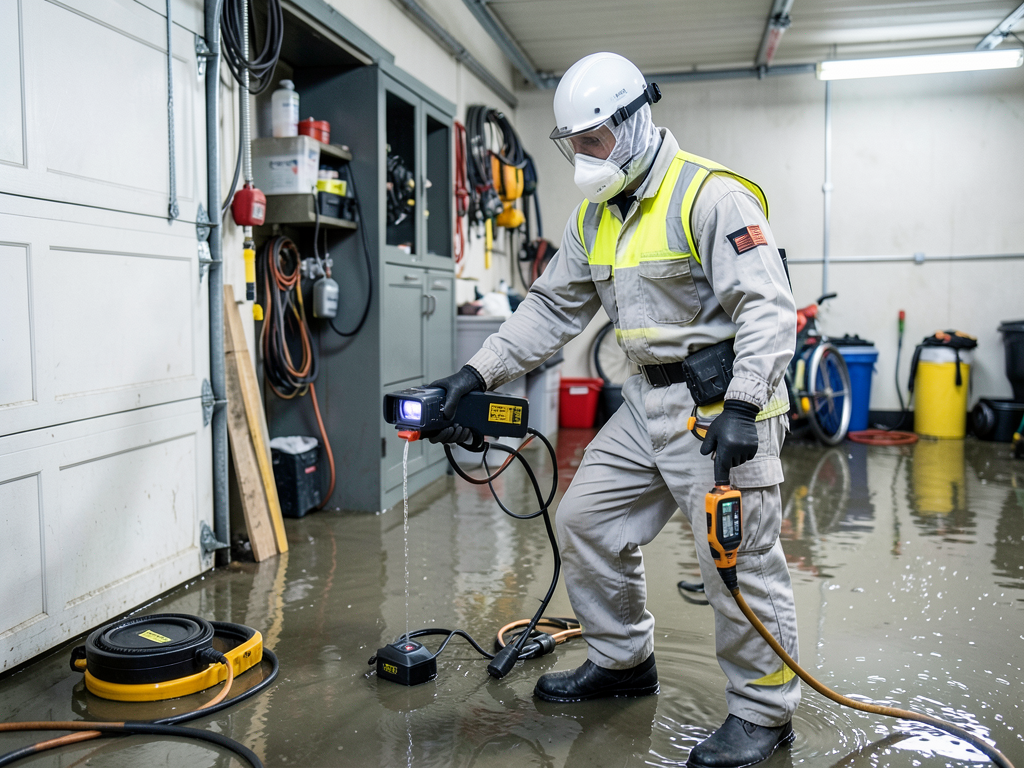
Why a flooded Reynoldsburg garage is dangerous if you store lawn chemicals on the floor A flooded garage in Reynoldsburg creates immediate dangers that most homeowners never consider. When lawn chemicals mix with floodwater, you…

Identifying structural wood rot caused by long term slow leaks in Victorian Village homes \n\n…
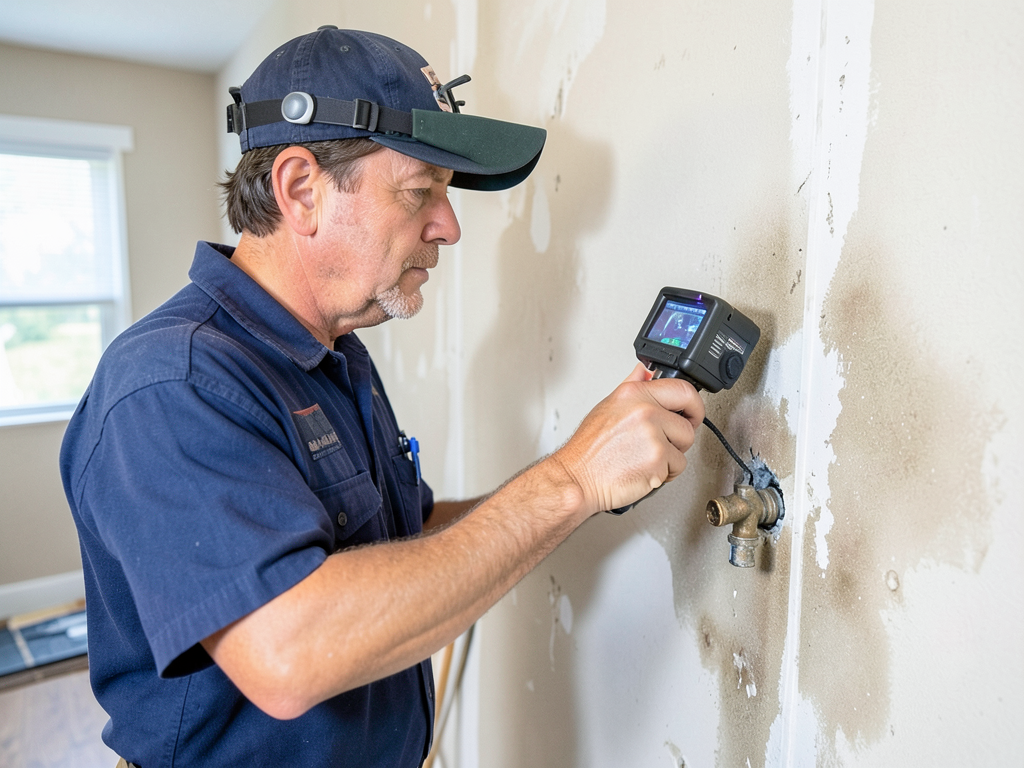
Why forgetting to disconnect your garden hose can cause a flooded wall in Grove City…
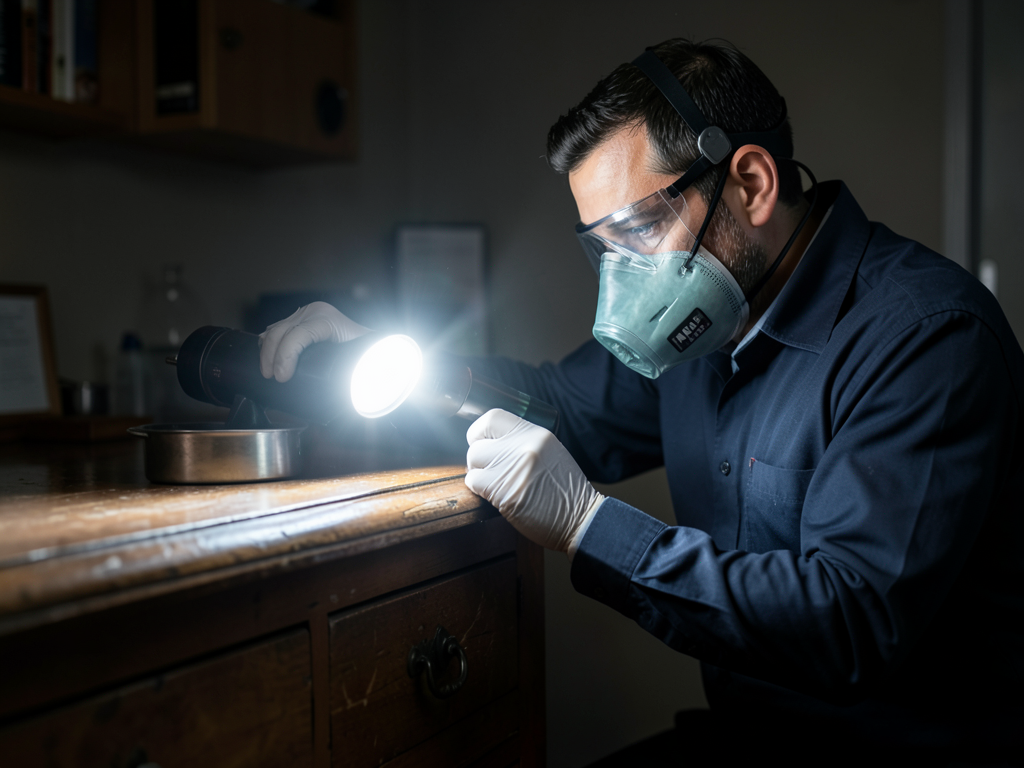
How to check vintage furniture finds for hidden mold before bringing them into your Olde…
Every hour you wait, water spreads deeper into your Columbus property. Five Star deploys 24/7 with the equipment and expertise to stop damage now. Call (614) 707-7505 immediately for emergency water extraction and certified restoration that protects your home and your insurance claim.