


Dublin sits in central Ohio where freeze-thaw cycles crack foundations and burst pipes every winter. The Scioto River runs through the western edge of town, and heavy spring rains regularly flood basements in older neighborhoods near Rings Road and Brand Road. Most Dublin homes were built on clay-heavy soil that holds water against foundations, creating constant hydrostatic pressure. When sump pumps fail during summer storms, finished basements flood fast.
The city's rapid growth means newer subdivisions in areas like Bridgeport and Ballantrae have modern drainage systems, but historic districts near Dublin Village still rely on aging sewer lines that back up during heavy rain. Ice dams form on Dublin's steep-pitched roofs each winter, sending meltwater under shingles and into attics. Ohio's high humidity slows drying times, turning a small leak into a mold problem within 48 hours if not handled correctly. Water damage in Dublin requires immediate extraction and commercial-grade dehumidification to prevent long-term structural problems.
We respond to Dublin water emergencies faster than national franchise operations because our trucks are already in central Ohio. When you call (614) 707-7505, you reach our local dispatch, not a call center in another state. We know which Dublin subdivisions flood first during storms and which streets have the oldest sewer lines. Our technicians have extracted water from basements in Riverside Glen, dried out crawl spaces in Muirfield Village, and rebuilt bathrooms in Tartan Ridge after supply line failures.
Five Star uses thermal imaging to find hidden moisture inside walls and under flooring that standard moisture meters miss. We do not just dry the surface. We pull baseboards, drill weep holes in walls when needed, and set up negative air pressure systems to pull moisture out of structural cavities. Every job gets documented with photos and moisture readings that insurance adjusters accept without argument. We coordinate directly with your insurance company and can bill them directly in most cases, so you are not fronting thousands of dollars while waiting for reimbursement.
Our crews are IICRC-certified in water damage restoration, which means they follow strict protocols for different water categories. Category 1 clean water from a supply line gets handled differently than Category 3 sewage backup. We carry equipment that franchise operations rent, including truck-mounted extraction units that pull more water in one pass than portable shop vacuums. Speed matters in water damage. Our average response time to Dublin addresses is 45 minutes from your call.

Our trucks stay positioned in central Ohio, not hours away. When water is pouring into your Dublin home, we dispatch immediately and arrive with industrial extraction equipment ready to work. Most jobs start water removal within the first hour of your call to (614) 707-7505.

We document every step with photos, moisture readings, and detailed scope sheets that insurance adjusters require. In most cases, we bill your insurance company directly so you do not pay out of pocket upfront. We know what carriers need and speak their language.
Our crews hold current IICRC certification in water damage restoration and applied structural drying. That means they follow strict industry protocols for moisture mapping, equipment placement, and dry-down verification. No guesswork, no shortcuts, just proven science that gets Dublin homes completely dry.
We have worked in every Dublin neighborhood and know which areas flood during storms, where sump pumps fail most often, and how local soil affects foundation drainage. That local experience means faster diagnosis and the right equipment on the first trip.
Five Star Water Damage Restoration Columbus handles every type of water emergency Dublin homeowners face. We extract standing water from flooded basements, dry out saturated walls after pipe bursts, remove water-damaged materials that cannot be saved, and rebuild what was lost. Our service range covers immediate emergency water removal, full structural drying and dehumidification, mold remediation when water sits too long, and complete reconstruction once everything is dry.
Water damage restoration is not one-size-fits-all. A burst washing machine hose requires different equipment than a sewage backup or a roof leak that has been dripping for weeks. We customize our approach based on the water source, how long it has been sitting, and what building materials got wet. Every Dublin job starts with moisture mapping to find exactly where water traveled, then we build a drying plan with the right number of air movers, dehumidifiers, and specialty equipment to get your property completely dry.
When water is actively flooding your Dublin home, extraction is the first priority. We arrive with truck-mounted pumps that remove hundreds of gallons per hour, portable extractors for tight spaces, and weighted extraction tools that pull water from carpet and padding. Speed matters because water migrates through drywall, under flooring, and into insulation within minutes. We stop the spread, extract standing water, and pull moisture from saturated materials before permanent damage sets in.
After extraction, we set up a controlled drying environment using commercial air movers, refrigerant dehumidifiers, and desiccant systems when needed. Our technicians use thermal imaging to track moisture inside wall cavities and under flooring, placing equipment strategically to create airflow across wet surfaces. We monitor moisture levels daily and adjust equipment until readings confirm your structure is completely dry. Ohio humidity makes this process critical to prevent secondary mold damage.
Sewage backups and toilet overflows require specialized handling because of contamination risk. We arrive in full protective equipment, contain the affected area, and remove all contaminated water and materials safely. Our antimicrobial treatment process disinfects all surfaces, and we dispose of unsalvageable materials according to Ohio biohazard regulations. Category 3 water damage is not a DIY situation. We follow strict IICRC protocols to protect your family's health.
Dublin's location in central Ohio creates specific water damage risks. Winter freeze-thaw cycles crack exterior foundation walls and burst pipes in unheated crawl spaces. Spring storms overload sump pumps in low-lying neighborhoods near the Scioto River and Indian Run. Ice dams form on north-facing roofs when snow melts during the day and refreezes at night, sending water under shingles. The area's clay-heavy soil holds water against foundations, creating constant pressure that finds any crack or weak point.
Older homes in historic Dublin rely on galvanized pipes that corrode from the inside, failing suddenly without warning. Newer subdivisions sometimes have construction defects like improperly sealed shower pans or poorly connected supply lines that leak slowly for months before causing visible damage. Dublin's high water table means basements stay damp even without active leaks, and that moisture creates perfect conditions for mold growth if humidity is not controlled.
Dublin receives heavy spring rains that saturate soil and overload sump pump systems. When pumps fail or lose power during storms, basements flood within minutes. Finished basements with carpet, drywall, and furniture suffer thousands in damage before homeowners realize what happened. We extract water fast and dry the structure before mold starts.
Ohio winters freeze pipes in exterior walls, crawl spaces, and unheated garages. When temperatures rise, those pipes burst and flood homes with gallons per minute until the main water line gets shut off. Drywall, insulation, and flooring absorb water fast. We respond immediately to stop water damage from spreading through your Dublin home.
Snow piles up on Dublin roofs all winter. When it melts and refreezes at the roof edge, ice dams form and trap water under shingles. That water leaks into attics, saturates insulation, and drips through ceilings into living spaces below. We find hidden moisture in attic spaces and dry everything before ceiling damage becomes visible.
Older Dublin neighborhoods have aging sewer lines that back up during heavy rains when the city system gets overwhelmed. Contaminated water flows back through floor drains and toilets, flooding basements with sewage. This is a health hazard that requires immediate professional cleanup with antimicrobial treatment and proper disposal of contaminated materials.
Water emergencies are chaotic. You are standing in water, valuables are getting ruined, and panic sets in fast. When you call Five Star Water Damage Restoration Columbus at (614) 707-7505, you reach someone who can help immediately. We dispatch a crew to your Dublin address, talk you through emergency steps like shutting off water or power if needed, and give you a realistic arrival time.
Our technician arrives with extraction equipment and moisture detection tools, assesses the damage, and starts water removal right away. You get a clear explanation of what happened, what needs to be done, and how long drying will take. We handle communication with your insurance company, document everything with photos and readings, and give you a detailed scope of work before reconstruction begins. No surprises, no runaround, just direct answers and fast action.
Your call goes to local dispatch, not an automated system. We ask the right questions to understand your situation, give you an accurate arrival time, and talk you through emergency steps if needed. Our Dublin response time averages under one hour. When the crew arrives, they explain exactly what they are seeing, what equipment will be used, and what the timeline looks like. You get direct answers in plain language.
We do not guess at moisture levels. Our technicians use thermal imaging cameras and penetrating moisture meters to map exactly where water traveled in your Dublin home. Every affected area gets photographed and documented with moisture readings. This documentation protects you during the insurance claim process and ensures we do not miss hidden water that will cause problems later. You receive copies of all documentation.
Drying takes time, and we do not leave until moisture readings confirm your structure is completely dry. Our technicians return daily to check progress, adjust equipment placement, and document moisture levels. You know exactly where things stand at each visit. When readings meet industry dry standards, we document final conditions and remove equipment. No guesswork, no premature equipment removal that leads to mold growth later.
Every water damage job follows a proven sequence designed to stop damage fast and dry your Dublin property completely. We start with emergency response, move to controlled drying, and finish with reconstruction once everything is verified dry.
We arrive at your Dublin home with truck-mounted extraction units and portable pumps. Standing water gets removed first using the most powerful equipment for your situation. We extract water from carpet, pull soaked padding, and remove any materials too saturated to save. Furniture gets moved to dry areas, and we set up containment barriers to prevent water from spreading to unaffected rooms. This phase typically takes 2-4 hours depending on how much water is present.
After extraction, we place commercial air movers and dehumidifiers strategically based on moisture mapping results. Thermal imaging shows us where water traveled inside walls and under flooring. We create airflow patterns that accelerate evaporation and remove humidity from the air before it condenses on cool surfaces. This phase takes 3-7 days for most Dublin homes, with daily monitoring to track progress and adjust equipment as moisture levels drop.
We do not remove equipment until moisture readings confirm your structure meets industry dry standards. Once verified dry, we document final conditions for your insurance claim and begin reconstruction. Our crew replaces drywall, installs new flooring, repaints, and restores your Dublin home to pre-loss condition. You work with one company from emergency response through final rebuild, not multiple contractors pointing fingers at each other.
Water damage restoration is not about pointing fans at wet carpet. It is applied psychrometrics, the science of air, temperature, and moisture relationships. Ohio's climate makes this complicated. Central Ohio humidity averages 70-80% in summer, which slows evaporation and creates conditions where drying stalls if equipment is not properly calibrated.
IICRC S500 Standard provides the framework we follow for all water damage jobs. It classifies water damage by category based on contamination level and by class based on evaporation rate. Category 1 is clean water from supply lines. Category 2 is grey water from appliances or toilet tanks. Category 3 is black water from sewage or flooding. Each category requires different handling protocols and safety equipment.
Class 1 damage affects only part of a room with minimal moisture absorption. Class 2 affects an entire room with significant moisture in walls and flooring. Class 3 involves water from overhead, saturating walls, ceilings, insulation, and subfloors. Class 4 requires specialty drying because water saturated low-porosity materials like hardwood or plaster. Dublin homes often present Class 3 or 4 situations after basement floods or roof leaks.
We calculate grain depression, the difference between indoor air moisture and outdoor air moisture, to determine if we need refrigerant dehumidifiers or desiccant systems. In Ohio's humid summers, refrigerant dehumidifiers struggle when outdoor air is already saturated. Desiccant systems work better because they create extremely dry air regardless of outdoor conditions. Our equipment selection is based on psychrometric calculations, not guesswork. We measure temperature, relative humidity, and specific humidity, then select equipment that creates the vapor pressure gradient needed to pull moisture from wet materials into the air where dehumidifiers can remove it.
The Institute of Inspection Cleaning and Restoration Certification sets the national standard for water damage restoration. IICRC S500 outlines proper protocols for different water categories, required safety equipment, moisture documentation procedures, and drying goals. Our technicians hold current IICRC Water Damage Restoration and Applied Structural Drying certifications, which require ongoing education and testing to maintain.
Cost depends on water category, how much got wet, and how long water sat before mitigation started. Category 3 sewage cleanup costs more than clean water extraction because of contamination protocols and disposal requirements. Class 4 damage requiring specialty drying costs more than Class 1 surface water. Drying time drives equipment rental costs. Most insurance policies cover water damage restoration when the cause is sudden and accidental.
Most Dublin water damage jobs dry in 3-7 days with proper equipment placement. Hardwood floors take longer because wood releases moisture slowly. Plaster walls dry slower than drywall. Concrete slabs hold water for weeks. We do not guess at timelines. Daily moisture readings tell us when drying is progressing normally and when additional equipment is needed. Ohio humidity extends timelines compared to dry climates.
Ohio requires permits for reconstruction work after water damage in most cases. Electrical work must be performed by licensed electricians. Plumbing repairs require licensed plumbers. We pull all required permits for Dublin jobs and coordinate inspections. Our reconstruction meets current Ohio Residential Code requirements, which is especially important in older homes where original construction may not have met current standards.
This video explains the complete water damage restoration process for Dublin, Ohio homes. Topics include emergency water extraction techniques, structural drying protocols, moisture detection using thermal imaging, insurance coordination procedures, and reconstruction standards. Viewers learn how central Ohio's climate affects water damage risks including freeze-thaw pipe bursts, sump pump failures, ice dam formation, and basement flooding. The video covers IICRC water damage restoration standards, equipment selection based on water category and damage class, and realistic drying timelines for different building materials in Ohio's humid climate.
Five Star Water Damage Restoration Columbus serves all of Dublin and the greater Columbus metro area. We respond to water emergencies throughout historic Dublin Village near the Scioto River, where older homes face foundation drainage challenges and aging plumbing systems. The Muirfield Village area with its golf course community sees ice dam problems on large roofs and basement moisture from high water tables. We work regularly in Ballantrae, Bridgeport, and Tartan Ridge, newer subdivisions where construction defects sometimes cause hidden leaks behind shower surrounds and under slab plumbing.
Our crews know the Riverside Glen neighborhood near Rings Road, which floods during heavy spring rains when Indian Run overflows. We have dried out countless basements in the Wyandot Woods area and along Avery Road where sump pump failures cause rapid flooding. The Historic District near Bridge Street requires special care because older buildings have plaster walls and hardwood floors that need specialty drying techniques.
We serve communities east of Dublin including Powell and Shawnee Hills, where similar soil conditions and weather patterns create the same water damage risks. West toward Plain City, we handle rural properties with well water systems and septic fields that create unique challenges when flooding occurs. Our service area covers all of Franklin County and extends into Delaware County for Dublin addresses in the northern sections.
Whether you are near the Jerome Village development, along Frantz Road, or in the Earlington Village area, our response time stays under one hour. We keep trucks positioned throughout central Ohio specifically to serve Dublin and surrounding communities fast. Local knowledge matters in water damage restoration. We know which streets flood first, where old clay sewer lines cause backups, and how different soil types affect foundation drainage across Dublin's varied neighborhoods. That experience means we arrive with the right equipment and realistic expectations for your specific situation.
Yes. Water damage spreads fast. What starts as a small leak can ruin drywall, flooring, and framing within hours. In Dublin, high humidity accelerates mold growth and structural decay. Professional restoration stops the damage, prevents mold, and protects your property value. DIY methods miss hidden moisture in walls and subfloors. Restoration professionals use thermal imaging and moisture meters to find all affected areas. They also document damage for insurance claims. Ignoring water damage costs more long-term through mold remediation, structural repairs, and health risks. Fast action saves money and keeps your home safe.
Repair costs vary based on damage severity and water source. Minor leaks affecting one room typically cost less than major flooding. Clean water from supply lines costs less to remediate than contaminated water from sewage backups. Dublin homes with finished basements or hardwood floors face higher repair bills. Structural drying, drywall replacement, and flooring restoration drive the total. Insurance coverage reduces out-of-pocket costs significantly. Most restoration companies offer free inspections and work directly with your insurer. The faster you act, the lower the cost. Delayed response leads to mold growth and structural damage that multiplies expenses.
Floor repair depends on material type and water exposure duration. Carpet and pad replacement costs less than hardwood refinishing. Laminate floors buckle quickly and need full replacement. Tile floors survive water better, but grout and subfloor damage adds costs. In Dublin, basement concrete slabs with moisture intrusion require specialty treatments. Professional drying equipment can save hardwood if addressed within 24 hours. Subfloor replacement increases costs significantly. Your restoration team assesses salvageability during inspection. Insurance often covers flooring replacement when damage results from covered perils like burst pipes or appliance failures.
Yes. Water damage spreads fast. What starts as a small leak can ruin drywall, flooring, and framing within hours. In Dublin, high humidity accelerates mold growth and structural decay. Professional restoration stops the damage, prevents mold, and protects your property value. DIY methods miss hidden moisture in walls and subfloors. Restoration professionals use thermal imaging and moisture meters to find all affected areas. They also document damage for insurance claims. Ignoring water damage costs more long-term through mold remediation, structural repairs, and health risks. Fast action saves money and keeps your home safe.
Repair costs vary based on damage severity and water source. Minor leaks affecting one room typically cost less than major flooding. Clean water from supply lines costs less to remediate than contaminated water from sewage backups. Dublin homes with finished basements or hardwood floors face higher repair bills. Structural drying, drywall replacement, and flooring restoration drive the total. Insurance coverage reduces out-of-pocket costs significantly. Most restoration companies offer free inspections and work directly with your insurer. The faster you act, the lower the cost. Delayed response leads to mold growth and structural damage that multiplies expenses.
Floor repair depends on material type and water exposure duration. Carpet and pad replacement costs less than hardwood refinishing. Laminate floors buckle quickly and need full replacement. Tile floors survive water better, but grout and subfloor damage adds costs. In Dublin, basement concrete slabs with moisture intrusion require specialty treatments. Professional drying equipment can save hardwood if addressed within 24 hours. Subfloor replacement increases costs significantly. Your restoration team assesses salvageability during inspection. Insurance often covers flooring replacement when damage results from covered perils like burst pipes or appliance failures.
Remediation stops water damage from spreading. Restoration returns your property to pre-loss condition. Remediation includes water extraction, structural drying, and dehumidification. It prevents further harm but leaves repairs incomplete. Restoration completes the job with drywall replacement, painting, flooring installation, and final touches. Most Dublin water damage projects require both phases. Remediation happens first within 24 to 48 hours. Restoration follows once all materials dry completely. Professional companies handle both services seamlessly. This two-phase approach ensures thorough moisture removal before reconstruction begins. It prevents trapped moisture and future mold problems.
Most homeowner policies cover sudden and accidental water damage. Burst pipes, appliance malfunctions, and roof leaks during storms typically qualify. Insurance excludes gradual damage from neglect or maintenance failures. Flood damage requires separate flood insurance policies. Sewer backups need specific endorsements in many policies. Dublin homeowners should review their coverage annually. Restoration companies work directly with insurance adjusters to document damage and streamline claims. They photograph affected areas, extract water quickly, and provide detailed estimates. Fast professional response improves claim approval rates. Keep all receipts and damage documentation for your insurer.
Mold begins growing within 24 to 48 hours in wet conditions. Dublin's humid climate accelerates this timeline, especially during summer months. Porous materials like drywall, insulation, and carpet provide ideal mold habitats. Hidden moisture in wall cavities or under flooring creates unseen growth. You might smell mold before seeing it. Black or green spots signal active colonies. Professional water extraction and dehumidification within the first day prevent mold establishment. Once mold takes hold, remediation costs jump significantly. Speed matters. Every hour of wet materials increases mold risk and restoration complexity.
Coverage depends on the water source and your policy terms. Sudden internal water damage from burst pipes, broken appliances, or HVAC leaks typically qualifies. Most Dublin homeowner policies exclude flood damage from natural water sources like the Scioto River or heavy rainfall. Ground seepage and sewer backups often need separate coverage. Gradual leaks from poor maintenance get denied. Read your declarations page carefully. Standard policies cover structure and belongings differently. Actual cash value policies depreciate damaged items. Replacement cost policies pay full value. Review your coverage limits and deductibles before damage occurs.
Insurance pays when damage results from covered perils and you file properly. Document everything immediately with photos and videos. Contact your insurer within 24 hours. Mitigate further damage by stopping water sources and protecting belongings. Save all receipts for emergency repairs and temporary housing. Insurance adjusters investigate claims before approving payment. Professional restoration companies help by providing detailed damage assessments and moisture readings. They speak the adjuster's language and document losses thoroughly. Denied claims often result from delayed reporting, excluded perils, or insufficient documentation. Fast action and professional help improve payout success.
Filing water damage claims can increase premiums, but rates vary by insurer and claim history. Small claims might trigger modest increases. Multiple claims within three years raise rates significantly or cause non-renewal. Some Dublin insurers forgive first claims. Others increase rates regardless. The rate jump depends on claim size, your claims history, and policy terms. Paying for minor damage out-of-pocket sometimes makes financial sense. Compare repair costs against your deductible and potential rate increases. Consult your agent before filing. Prevention measures like leak detectors and regular maintenance can qualify you for discounts that offset increases.
Coverage depends on the water source and how it reached your subfloor. Water from burst supply lines or appliance failures typically gets covered. Seepage from groundwater, flooding, or sewer backups often needs separate policies. Hidden leaks that develop slowly face denial for gradual damage. Dublin homes with finished basements or crawl spaces face higher subfloor moisture risks. Your adjuster determines coverage by investigating the source. Professional moisture mapping proves damage extent and origin. Thermal imaging reveals hidden water paths. Document everything immediately. Quick professional assessment strengthens your claim and prevents mold growth in concealed spaces.
Remediation stops water damage from spreading. Restoration returns your property to pre-loss condition. Remediation includes water extraction, structural drying, and dehumidification. It prevents further harm but leaves repairs incomplete. Restoration completes the job with drywall replacement, painting, flooring installation, and final touches. Most Dublin water damage projects require both phases. Remediation happens first within 24 to 48 hours. Restoration follows once all materials dry completely. Professional companies handle both services seamlessly. This two-phase approach ensures thorough moisture removal before reconstruction begins. It prevents trapped moisture and future mold problems.
Most homeowner policies cover sudden and accidental water damage. Burst pipes, appliance malfunctions, and roof leaks during storms typically qualify. Insurance excludes gradual damage from neglect or maintenance failures. Flood damage requires separate flood insurance policies. Sewer backups need specific endorsements in many policies. Dublin homeowners should review their coverage annually. Restoration companies work directly with insurance adjusters to document damage and streamline claims. They photograph affected areas, extract water quickly, and provide detailed estimates. Fast professional response improves claim approval rates. Keep all receipts and damage documentation for your insurer.
Mold begins growing within 24 to 48 hours in wet conditions. Dublin's humid climate accelerates this timeline, especially during summer months. Porous materials like drywall, insulation, and carpet provide ideal mold habitats. Hidden moisture in wall cavities or under flooring creates unseen growth. You might smell mold before seeing it. Black or green spots signal active colonies. Professional water extraction and dehumidification within the first day prevent mold establishment. Once mold takes hold, remediation costs jump significantly. Speed matters. Every hour of wet materials increases mold risk and restoration complexity.
Coverage depends on the water source and your policy terms. Sudden internal water damage from burst pipes, broken appliances, or HVAC leaks typically qualifies. Most Dublin homeowner policies exclude flood damage from natural water sources like the Scioto River or heavy rainfall. Ground seepage and sewer backups often need separate coverage. Gradual leaks from poor maintenance get denied. Read your declarations page carefully. Standard policies cover structure and belongings differently. Actual cash value policies depreciate damaged items. Replacement cost policies pay full value. Review your coverage limits and deductibles before damage occurs.
Insurance pays when damage results from covered perils and you file properly. Document everything immediately with photos and videos. Contact your insurer within 24 hours. Mitigate further damage by stopping water sources and protecting belongings. Save all receipts for emergency repairs and temporary housing. Insurance adjusters investigate claims before approving payment. Professional restoration companies help by providing detailed damage assessments and moisture readings. They speak the adjuster's language and document losses thoroughly. Denied claims often result from delayed reporting, excluded perils, or insufficient documentation. Fast action and professional help improve payout success.
Filing water damage claims can increase premiums, but rates vary by insurer and claim history. Small claims might trigger modest increases. Multiple claims within three years raise rates significantly or cause non-renewal. Some Dublin insurers forgive first claims. Others increase rates regardless. The rate jump depends on claim size, your claims history, and policy terms. Paying for minor damage out-of-pocket sometimes makes financial sense. Compare repair costs against your deductible and potential rate increases. Consult your agent before filing. Prevention measures like leak detectors and regular maintenance can qualify you for discounts that offset increases.
Coverage depends on the water source and how it reached your subfloor. Water from burst supply lines or appliance failures typically gets covered. Seepage from groundwater, flooding, or sewer backups often needs separate policies. Hidden leaks that develop slowly face denial for gradual damage. Dublin homes with finished basements or crawl spaces face higher subfloor moisture risks. Your adjuster determines coverage by investigating the source. Professional moisture mapping proves damage extent and origin. Thermal imaging reveals hidden water paths. Document everything immediately. Quick professional assessment strengthens your claim and prevents mold growth in concealed spaces.
We proudly serve the wider Columbus area and its surrounding communities. Our centrally located office allows our emergency response teams to reach your property quickly, no matter where you are. We are committed to being a reliable resource for our neighbors, and our responsive team is always on standby to provide professional assistance when you need it most. We believe that local expertise and a quick response are crucial when dealing with water damage, so we encourage you to view our service area to see if we can help.
Address:
Dublin, OH, 43016
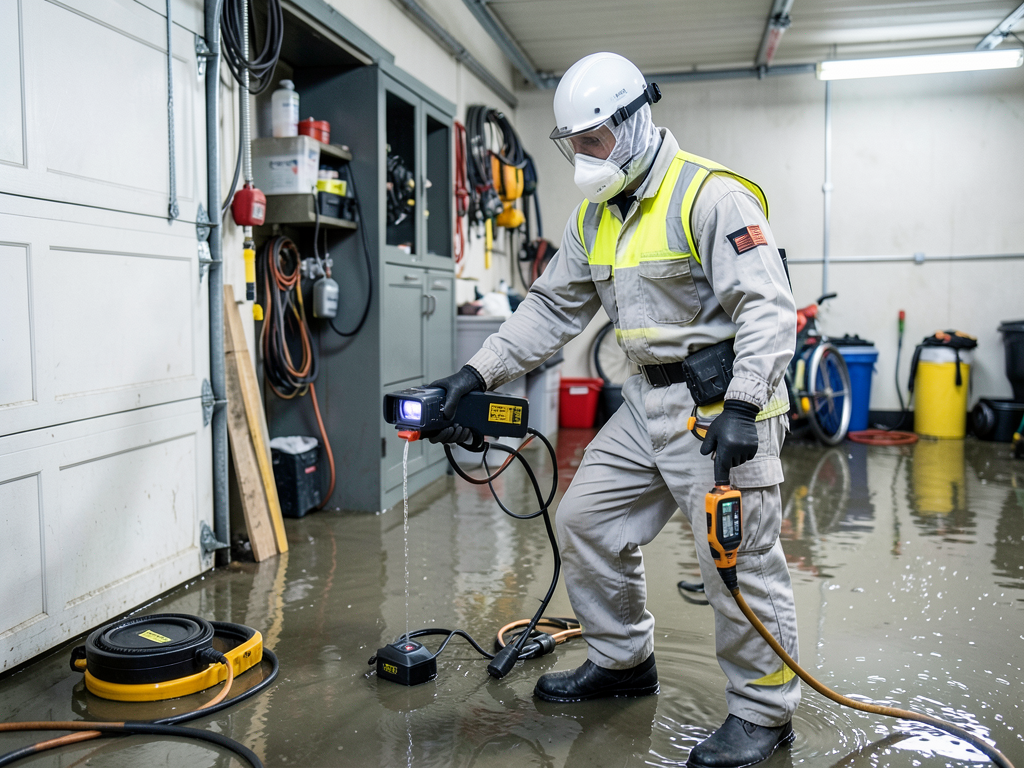
Why a flooded Reynoldsburg garage is dangerous if you store lawn chemicals on the floor A flooded garage in Reynoldsburg creates immediate dangers that most homeowners never consider. When lawn chemicals mix with floodwater, you…

Identifying structural wood rot caused by long term slow leaks in Victorian Village homes \n\n…
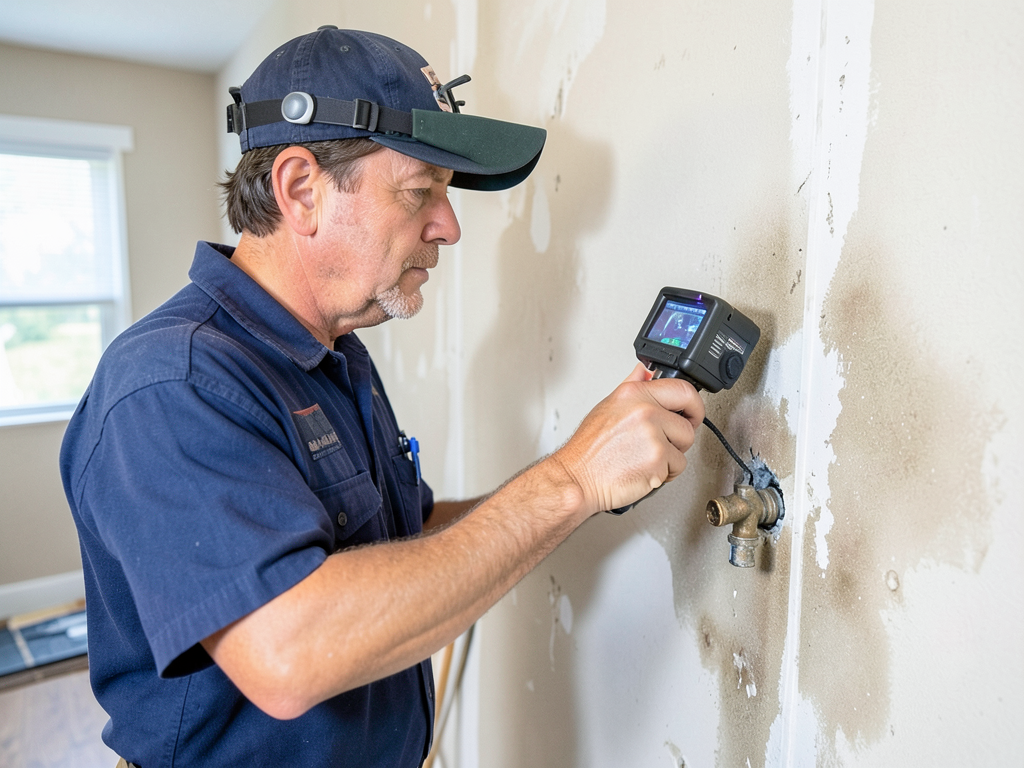
Why forgetting to disconnect your garden hose can cause a flooded wall in Grove City…
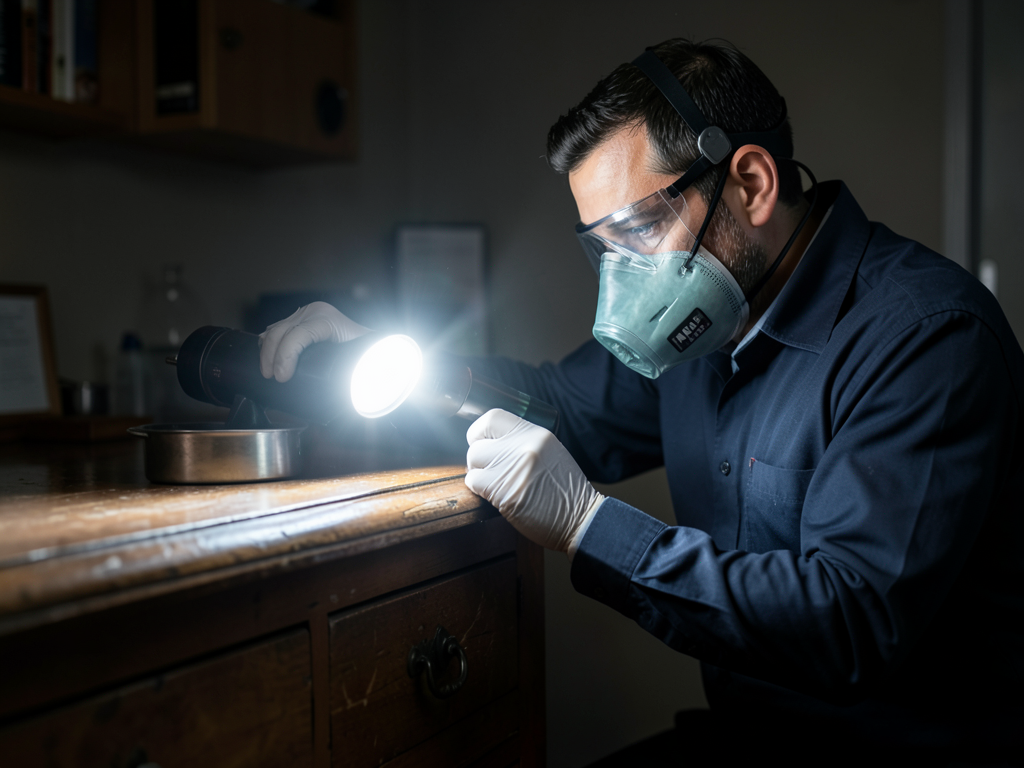
How to check vintage furniture finds for hidden mold before bringing them into your Olde…
Every minute counts when water is flooding your Dublin home. Call (614) 707-7505 now for immediate dispatch. Our crews respond in under 60 minutes with industrial extraction equipment and start stopping the damage right away. We are available 24/7 for emergencies.