

Menu

Choosing a Restoration Company in Columbus – Your 7-Point Vetting Guide to Avoid Fly-by-Night Contractors

Make the right call when water damage strikes. This guide walks you through choosing a restoration company in Columbus using industry-standard criteria, local code familiarity, and insurance coordination experience.

Slider Image 1
Slider Image 2
Slider Image 3
Slider Image 4
Slider Image 5
Slider Image 7
Slider Image 8
Slider Image 9
Slider Image 10
Slider Image 11

Why Most Columbus Homeowners Choose the Wrong Restoration Contractor

You search online in a panic. You call the first number. You say yes to whoever shows up fastest. That is how most Columbus homeowners hire a water damage contractor, and that is exactly how they end up with incomplete drying, mold growth three weeks later, and denied insurance claims.

Columbus sits at the confluence of the Scioto and Olentangy Rivers. Our humid continental climate creates ideal conditions for secondary water damage. A basement flood in German Village or a roof leak in Clintonville requires more than a few fans and a shop vac. It requires thermal imaging, moisture mapping, antimicrobial treatment, and documentation that satisfies Ohio building codes and your insurance adjuster.

Selecting a water damage contractor is not about finding the cheapest quote. It is about finding a reputable water damage company that understands how Columbus humidity amplifies microbial growth, how our clay-heavy soil affects foundation drainage, and how to navigate Ohio Department of Commerce restoration standards.

When you vet restoration contractors, you are not just hiring someone to dry your carpet. You are hiring someone to document moisture levels, coordinate with your insurance carrier, remove contaminated materials safely, and restore your property to pre-loss condition without cutting corners. The contractor you choose determines whether you get a full insurance payout or a partial settlement. It determines whether your drywall harbors hidden mold in six months or stays dry for years.

Hiring a water mitigation service in Columbus means understanding what separates legitimate restoration professionals from unlicensed opportunists who appear after every storm.

Why Most Columbus Homeowners Choose the Wrong Restoration Contractor
The Seven Non-Negotiable Criteria for Vetting Columbus Restoration Companies

The Seven Non-Negotiable Criteria for Vetting Columbus Restoration Companies

How to pick a restoration company comes down to verification, not promises. Start with licensure. Ohio does not require a specific water damage restoration license, but legitimate companies carry general contractor licenses, IICRC certifications, and EPA Lead-Safe certifications if they handle older Columbus homes. Ask for proof. A restoration contractor who hesitates is a contractor you should avoid.

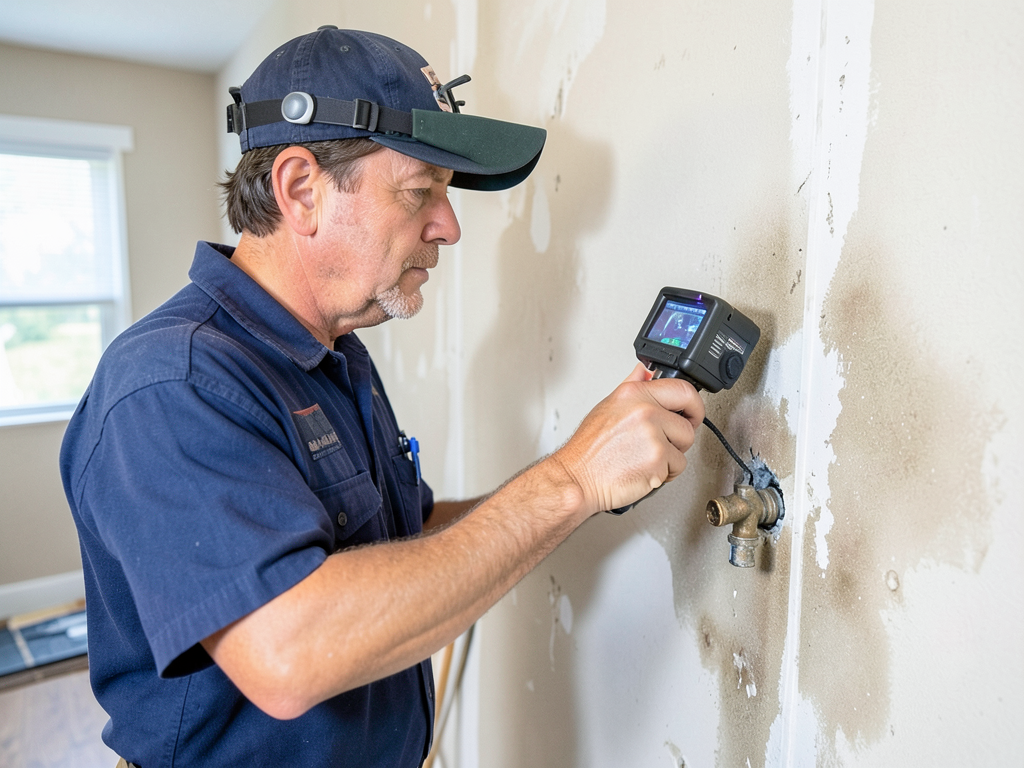
Next, verify their insurance documentation process. Water damage claims fail when contractors do not photograph moisture readings, document affected areas with detailed sketches, or communicate properly with adjusters. Ask how they document losses. If they say they take a few photos and write an estimate, walk away. Professional restoration companies use moisture meters, thermal cameras, and proprietary software to create adjuster-ready reports.

Third, confirm their drying protocol. Proper structural drying is not about running fans until things feel dry. It requires daily moisture readings, psychrometric calculations to monitor vapor pressure, and containment to prevent cross-contamination. Ask what equipment they use. Look for terms like desiccant dehumidifiers, air movers, and injectidry systems. If they mention box fans, end the conversation.

Fourth, examine their microbial remediation process. Columbus humidity means water damage often leads to mold. Ask if they follow IICRC S520 standards for mold remediation. Ask about containment barriers, HEPA filtration, and antimicrobial application. Generic answers indicate generic results.

Fifth, check their availability for emergency response. Water damage compounds every hour. A company that cannot dispatch a crew within four hours is not a company you want handling your crisis. Ask about their average response time in Columbus neighborhoods like Short North, Bexley, or Upper Arlington.

Finding a reputable water damage company requires asking hard questions and expecting specific answers.

What Happens When You Contact Five Star Water Damage Restoration Columbus

Choosing a Restoration Company in Columbus – Your 7-Point Vetting Guide to Avoid Fly-by-Night Contractors
01

Initial Emergency Assessment

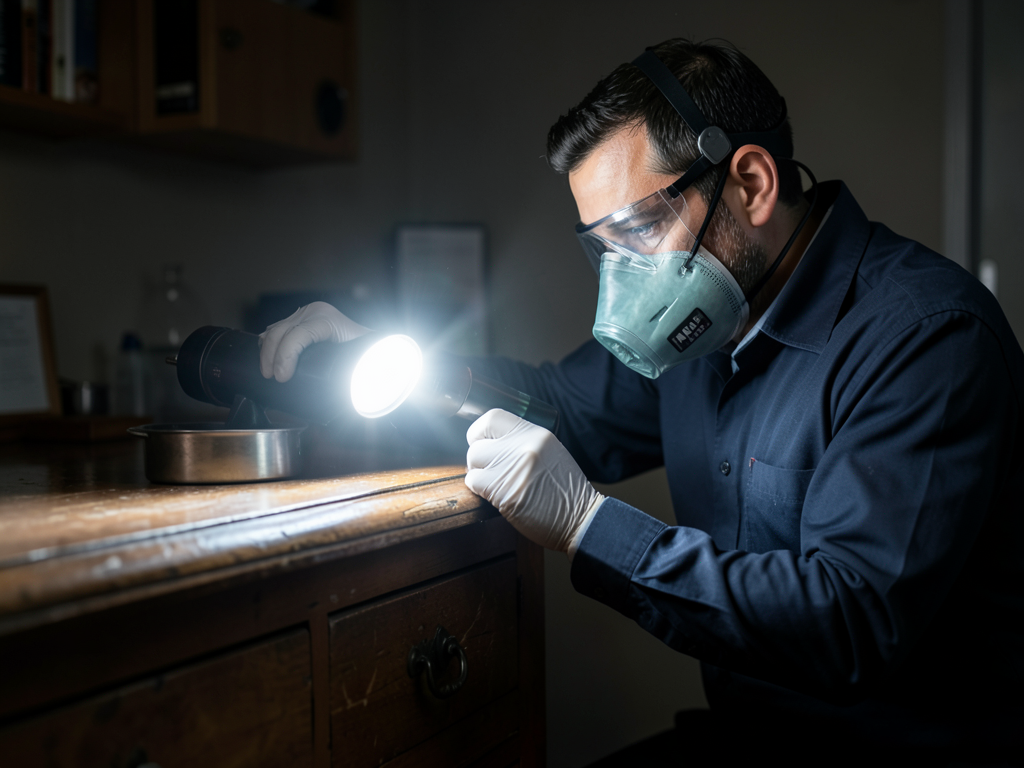
You call. We dispatch within one hour for Columbus metro emergencies. Our crew arrives with thermal imaging cameras, moisture detection equipment, and documentation tools. We map the affected areas, identify the water source, classify the contamination level, and explain what needs to happen next. You get a verbal overview before any work begins, including what your insurance will likely cover and what it will not.
02

Insurance Coordination and Approval

We contact your insurance carrier directly. We send moisture readings, thermal images, detailed loss descriptions, and itemized estimates. Most adjusters in Columbus know our documentation standards. We handle the back-and-forth so you do not spend hours on the phone. If your claim gets denied or undervalued, we provide supplemental documentation to support your case. You get transparency throughout the process.
03

Restoration and Final Verification

Once approved, we begin extraction, drying, and remediation. We monitor moisture levels daily until readings meet IICRC standards. We remove damaged materials, treat affected areas with EPA-registered antimicrobials, and restore finishes. You receive a final report showing before-and-after moisture levels, photos of completed work, and documentation for your records. We do not leave until you sign off on the completed restoration.

Why Columbus Property Owners Choose Local Restoration Expertise

National franchises send crews who have never worked in Columbus. They do not know that homes in Victorian Village often have plaster walls that require specialized drying techniques. They do not know that basements in Worthington flood differently than basements in Whitehall because of soil composition and drainage systems.

Five Star Water Damage Restoration Columbus operates exclusively in Franklin County and surrounding areas. We understand how Scioto River flooding affects homes near Griggs Reservoir. We know that older homes in German Village require lead-safe work practices. We know which Columbus adjusters prefer itemized estimates and which prefer line-item breakdowns.

Local expertise matters when you are selecting a water damage contractor. We have dried hundreds of Columbus properties. We know the clay soil here holds moisture longer than sandy soil, which means foundation seepage requires aggressive dehumidification and extended monitoring. We know that Columbus humidity levels in summer require desiccant dehumidifiers, not just refrigerant units.

When you hire a water mitigation service, you want a team that knows your neighborhood, your building codes, and your insurance landscape. You want a crew that understands why a July flood in Clintonville creates different challenges than a February freeze in Dublin.

We work with Columbus building inspectors regularly. We know Ohio code requirements for structural drying, mold remediation, and reconstruction. When a property requires a permit, we handle the application and inspection scheduling. You do not chase paperwork or wonder if the work meets local standards.

Finding a reputable water damage company means finding a team that treats your property like it is their own. We live here. We work here. We have a reputation to protect in this community, and we protect it by doing the job right every time.

What to Expect When You Hire Five Star Water Damage Restoration Columbus

Rapid Emergency Response

We answer your call 24 hours a day. For Columbus metro emergencies, we dispatch crews within one hour. For non-emergency consultations, we schedule assessments within 24 hours. Speed matters in water damage restoration. Every hour of standing water increases damage, raises restoration costs, and compounds microbial risk. We treat your emergency like our own. When you call at 2 a.m. because your water heater failed and flooded your Grandview Heights basement, we show up. We do not wait until morning. You get immediate action when you need it most.

Comprehensive Damage Assessment

Our assessment includes moisture mapping with calibrated meters, thermal imaging to detect hidden saturation, and contamination classification to determine safety protocols. We measure moisture content in floors, walls, and structural components. We document everything with photos and written reports. You receive a detailed explanation of what happened, what needs to be done, and what your options are. We walk you through the restoration plan before any equipment gets deployed. You understand the scope, the timeline, and the expected outcome before signing anything.

Certified Restoration Standards

We follow IICRC S500 standards for water damage restoration. That means calculated air movement, controlled dehumidification, and daily monitoring until moisture levels reach equilibrium. We use professional-grade equipment including truck-mounted extractors, desiccant dehumidifiers, and low-grain refrigerant units. We apply EPA-registered antimicrobials to prevent microbial growth. You get certified restoration, not guesswork. We document moisture readings daily and provide you with logs showing progressive drying. When we say a structure is dry, we have the data to prove it.

Post-Restoration Documentation

Once restoration is complete, you receive a final report showing moisture readings, equipment logs, work performed, and materials used. This documentation protects you if moisture problems resurface or if your insurance company questions the scope of work. We also provide guidance on preventing future water damage specific to your property type and Columbus climate. If you need follow-up moisture checks after restoration, we schedule them at no charge. We stand behind our work, and we give you the documentation to prove the job was done right.

Frequently Asked Questions

You Have Questions,
We Have Answers

How profitable is a restoration company? +

Restoration companies can be profitable due to consistent demand from water damage, fire, and mold emergencies. Profit margins vary based on overhead, equipment investment, and operational efficiency. Companies that manage insurance billing well, maintain fast response times, and control labor costs see better returns. In Columbus, seasonal flooding from the Scioto River and winter freeze events create year-round demand. Profit depends on scaling efficiently while maintaining quality. Established companies with strong insurance relationships and repeat commercial clients typically see the most stable revenue streams.

How to choose a water restoration company? +

Choose a restoration company that responds quickly, holds IICRC certification, and has direct insurance billing experience. Verify they use moisture meters and thermal imaging to document damage accurately. Ask about their drying process timeline and equipment quality. In Columbus, look for companies familiar with basement flooding issues common in German Village and Clintonville. Check online reviews for response time complaints. Confirm they provide a detailed scope of work before starting. A good company will explain the mitigation process clearly and answer questions without pressure tactics.

Is Servpro a good restoration company? +

Servpro is a large franchise network with consistent training standards and national brand recognition. They respond quickly and handle insurance claims smoothly. However, service quality varies by franchise owner. Some Columbus-area Servpro locations perform well, while others receive complaints about subcontractor quality and communication gaps. Their size means they can handle large commercial jobs but may lack the personalized attention smaller local companies provide. Evaluate the specific franchise location through recent reviews and ask about their local team, not just corporate reputation.

Are fire restoration companies worth it? +

Fire restoration companies are worth it when structural damage, smoke odor, or soot contamination exceeds simple cleaning. They use specialized equipment like hydroxyl generators and thermal foggers that homeowners cannot access. In Columbus, fires often affect HVAC systems and insulation, requiring professional assessment. DIY fire cleanup risks spreading soot deeper into materials and leaving persistent odors. Insurance typically covers professional restoration, making out-of-pocket costs minimal. For minor surface burns, you may handle cleanup yourself. For anything involving walls, ceilings, or ventilation systems, hire professionals.

How much money do you need to start a restoration company? +

Starting a restoration company requires $50,000 to $150,000 for equipment, insurance, licensing, and working capital. Major costs include truck-mounted extractors, air movers, dehumidifiers, moisture detection tools, and liability insurance. IICRC certification courses add several thousand dollars. In Ohio, you need general liability and workers' compensation coverage before taking jobs. Marketing and lead generation costs run $1,000 to $3,000 monthly initially. Many new companies lease equipment to reduce upfront investment. Budget for six months of operating expenses before expecting consistent revenue. Insurance billing delays mean cash flow challenges early on.

What is the #1 most profitable business? +

This question does not apply to choosing restoration services in Columbus. Profitability varies wildly by industry, business model, and execution. For property owners dealing with water or fire damage, the focus should be hiring a qualified restoration company quickly, not evaluating business profitability trends. If you are researching starting a restoration business, consult industry-specific financial advisors and IICRC resources. For emergency restoration needs in Columbus, prioritize response time, certifications, and insurance experience over unrelated business profitability discussions.

What are red flags when hiring a contractor? +

Red flags include no physical address, pressure to sign contracts immediately, requests for full payment upfront, and lack of licensing or insurance proof. Avoid contractors who cannot provide references or have no online presence. In Columbus, be wary of companies that appear only after storms, targeting neighborhoods like Bexley or Upper Arlington. Watch for vague estimates without itemized costs. Contractors who discourage insurance involvement or offer to waive deductibles often commit fraud. Verify IICRC certification and ask for certificates of insurance before work begins.

Who is Servpro's biggest competitor? +

Servpro's biggest national competitors include ServiceMaster Restore, Paul Davis Restoration, and regional independent companies. In Columbus, local restoration companies compete by offering faster response times and personalized service without franchise overhead. Many property owners prefer local companies familiar with Columbus-specific challenges like Olentangy River flooding or clay soil foundation shifts. The competitive landscape includes both national franchises and independent operators. Success depends on response speed, insurance relationships, and reputation, not just brand size. Evaluate companies individually rather than defaulting to name recognition alone.

How do restoration companies charge? +

Restoration companies charge by the scope of work, not hourly rates. Costs depend on affected square footage, water category, drying time, and demolition needs. Most companies bill insurance directly using Xactimate software, which standardizes pricing. Emergency mitigation (water extraction, drying) is charged separately from reconstruction. In Columbus, basement flooding jobs may include mold remediation due to high humidity. You receive an estimate after inspection, with final billing adjusted for actual work completed. Itemized invoices break down equipment rental, labor, materials, and disposal fees. Ask for a detailed scope before authorizing work.

What are the pros and cons of SERVPRO? +

Servpro pros include nationwide coverage, 24/7 availability, established insurance relationships, and consistent training standards. Their brand recognition helps with insurance claims processing. Cons include franchise variability in service quality, potential for subcontractor reliance, and less personalized attention than local companies. Some Columbus homeowners report communication gaps and slower follow-up compared to independent operators. Pricing can be higher due to franchise fees. Servpro works well for straightforward water extraction jobs but may lack flexibility for complex projects requiring customized approaches. Evaluate your specific location's franchise reviews before hiring.

How Columbus Humidity and Clay Soil Complicate Restoration Company Vetting

Columbus sits in Ohio's humid continental zone with an average relative humidity above 70 percent in summer. That humidity accelerates secondary damage. When you hire a water mitigation service that does not account for local vapor pressure and dew points, you end up with incomplete drying and mold growth. Columbus clay soil compounds the problem. Clay holds water, which means basement seepage after a storm can continue for days. A restoration contractor unfamiliar with Columbus soil hydrology will dry the visible water and leave, not realizing moisture continues wicking up through foundation walls. Choosing a restoration company in Columbus means finding a team that understands hygrometry, not just extraction.

Columbus restoration work often intersects with historic preservation, especially in neighborhoods like German Village and Victorian Village. These older homes have plaster walls, hardwood floors, and construction methods that require specialized drying techniques. A contractor who treats a 1920s brick colonial like a 1990s tract home will cause more damage than the water did. When vetting restoration contractors, ask if they have experience with historic Columbus properties. Ask how they handle plaster versus drywall. Ask if they understand vapor barriers in pre-1950s construction. Local expertise is not a marketing term. It is the difference between proper restoration and expensive mistakes.

Water Damage Restoration Services in The Columbus Area

We proudly serve the wider Columbus area and its surrounding communities. Our centrally located office allows our emergency response teams to reach your property quickly, no matter where you are. We are committed to being a reliable resource for our neighbors, and our responsive team is always on standby to provide professional assistance when you need it most. We believe that local expertise and a quick response are crucial when dealing with water damage, so we encourage you to view our service area to see if we can help.

Address:
Five Star Water Damage Restoration Columbus, 601 N High St, Columbus, OH, 43215

Additional Services We Offer

Our news updates

Latest Articles & News from The Blogs

Dealing with water damage when you live in a Columbus HOA or condo association Water damage in a Columbus condo…

Dealing with water damage when you live in a Columbus HOA or condo association

Dealing with water damage when you live in a Columbus HOA or condo association Water damage in a Columbus condo…

The real difference between common mildew and dangerous black mold in Eastmoor homes

The real difference between common mildew and dangerous black mold in Eastmoor homes Eastmoor homeowners often spot dark patches in…

Testing your sump pump before the spring rains hit the South Side

Testing your sump pump before the spring rains hit the South Side \n\n Heavy spring rains combined with the clay-rich…

Contact Us

Call Five Star Water Damage Restoration Columbus at (614) 707-7505 right now. Whether you are dealing with active water damage or researching contractors before disaster strikes, we provide honest guidance. No pressure. No sales pitch. Just straight answers about what to look for in a restoration company.