
Restoring Older Homes in Berwick After Water Damage (Without Worrying About Lead or Asbestos)
Water damage in older homes creates unique challenges that modern properties simply don’t face. In Berwick, many homes built before 1978 contain lead-based paint and asbestos materials that require specialized handling during restoration. When water breaches these historic structures, the immediate threat goes beyond just wet floors and damaged walls – it’s about protecting both the home’s architectural integrity and the health of its occupants. Professional water damage restoration for Short North shops and galleries.
Berwick’s historic homes, with their lath and plaster walls, original hardwood floors, and aging plumbing systems, react to water damage differently than newer constructions. The first 24-48 hours are critical for preventing permanent damage and addressing potential environmental hazards. Professional restoration in these situations requires not just water extraction equipment, but also lead-safe certification and asbestos awareness training.
Understanding Berwick’s Historic Home Construction
Berwick’s architectural character stems from homes built primarily between 1920 and 1960. These structures feature construction methods and materials that respond uniquely to water exposure. Lath and plaster walls, common in homes built before 1960, absorb water like sponges and can take weeks to dry completely if not properly addressed.
Many Berwick homes contain original galvanized steel plumbing that’s now corroded and prone to sudden failure. When these pipes burst, they release water that can penetrate multiple layers of historic building materials. The plaster absorbs moisture deep into wall cavities, creating hidden pockets of dampness that promote mold growth if left untreated.
Lead-based paint was standard in homes built before 1978. When water damage occurs, this paint can flake, chip, or become airborne during restoration work. Professional lead-safe practices, as mandated by the EPA’s Renovation, Repair and Painting (RRP) Rule (40 CFR Part 745), become essential to prevent lead contamination during the drying and repair process. EPA Lead-Safe Certification Requirements.
Common Water Damage Sources in Berwick Homes
Several factors make Berwick homes particularly vulnerable to water damage. The neighborhood’s aging infrastructure includes clay sewer laterals that can collapse or crack, allowing groundwater infiltration. Many homes still have original cast iron drain pipes that corrode from the inside out, creating weak points that fail suddenly.
Columbus’s freeze-thaw cycles create additional stress on older plumbing systems. When temperatures fluctuate rapidly, as they often do during Ohio winters, water trapped in exterior pipes can expand and contract, causing joints to fail. This phenomenon, combined with the brittle nature of aging galvanized pipes, results in burst pipes being a leading cause of water damage in the area. Rapid Response Flood Extraction.
Roofing presents another vulnerability. Many Berwick homes have original slate or cedar shake roofs that, while durable, develop gaps over decades. Ice dam formation during winter months forces melting snow under shingles, allowing water to penetrate attic spaces and travel down through walls.
Lead and Asbestos Safety During Restoration
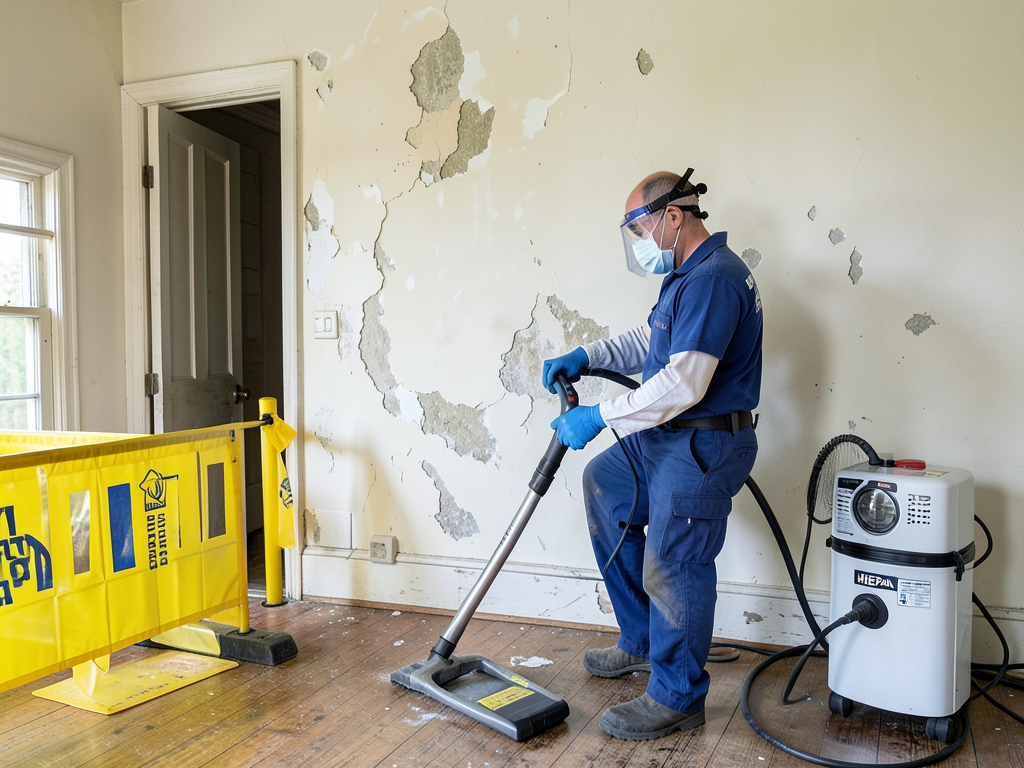
Professional restoration in older homes requires understanding and following specific safety protocols. Lead dust becomes a significant concern when water-damaged walls are cut open or when drying equipment creates air movement that disturbs lead-based paint. The EPA’s Lead-Safe Certified Firm requirements (40 CFR Part 745) mandate specific work practices including containment, HEPA filtration, and proper disposal methods.
Asbestos was commonly used in building materials through the 1970s, appearing in insulation, floor tiles, pipe wrap, and even some plaster formulations. When water damage affects these materials, professional testing becomes necessary before any demolition or extensive drying begins. Disturbing wet asbestos materials can release fibers that pose serious health risks.
Certified restoration professionals use containment barriers, negative air pressure systems, and HEPA filtration to prevent the spread of hazardous materials during the restoration process. This approach protects both the home’s occupants and the workers performing the restoration.
The Restoration Process for Historic Homes
Restoring water damage in historic homes follows a methodical process that prioritizes both structural preservation and environmental safety. The initial assessment includes moisture mapping using thermal imaging cameras and penetrating moisture meters to identify all affected areas, including those hidden behind walls or under floors.
Water extraction begins with specialized equipment designed to remove water from porous materials without causing additional damage. For plaster walls, this often means using low-pressure extraction methods that don’t force water deeper into the material or cause plaster to separate from the lath.
Drying historic homes requires a different approach than modern structures. High-velocity air movement that works well in drywall homes can actually cause plaster to crack or separate. Instead, restoration professionals use a combination of desiccant dehumidifiers, which remove moisture without aggressive air movement, and carefully controlled heat application.
Throughout the process, continuous monitoring ensures that drying goals are met without causing secondary damage. Moisture readings are taken at multiple depths – surface, mid-wall, and deep cavity – to confirm that all moisture has been removed before reconstruction begins.
Preserving Historic Features During Restoration
One of the primary concerns for Berwick homeowners is preserving the historic character of their homes. Professional restoration focuses on saving original materials whenever possible. This includes techniques like plaster repair rather than replacement, hardwood floor drying and refinishing, and careful matching of historic trim and molding profiles.
When replacement becomes necessary, restoration professionals work to source materials that match the original construction. This might mean finding reproduction crown molding, matching historic paint colors, or using traditional building methods that maintain the home’s architectural integrity.
The goal is not just to dry the home, but to return it to its pre-loss condition while preserving the features that give historic homes their character and value. This approach often results in restoration costs that are comparable to or even less than full replacement, while maintaining the home’s historic significance.
Insurance Considerations for Historic Home Restoration
Insurance claims for water damage in historic homes require special attention. Many standard policies have limitations on coverage for lead abatement or asbestos removal, which may be necessary during the restoration process. Working with a restoration company experienced in historic home claims can help navigate these complexities.
Documentation becomes crucial for insurance purposes. Professional restoration companies provide detailed documentation of the damage, the restoration process, and any specialized procedures required for environmental safety. This documentation supports the claim and helps ensure proper compensation for the work required.
Some historic districts in Columbus have specific requirements for exterior modifications, even when related to water damage repair. Understanding these requirements before beginning work can prevent delays and ensure compliance with local preservation guidelines.
Preventing Future Water Damage
After restoration is complete, implementing preventive measures helps protect the home from future water damage. This might include upgrading plumbing systems, installing water detection alarms, improving drainage around the foundation, or adding roof ventilation to prevent ice dam formation.
Regular maintenance of historic home systems becomes even more important after water damage restoration. Annual inspections of roofing, plumbing, and drainage systems can identify potential problems before they cause significant damage. For homes with original systems, working with contractors who understand historic construction ensures that upgrades don’t compromise the home’s character.
Professional restoration companies often provide maintenance recommendations specific to the home’s age, construction type, and the nature of the original damage. These recommendations help homeowners protect their investment and preserve their home’s historic value.
Choosing the Right Restoration Partner
Not all restoration companies have the expertise required for historic homes. When selecting a restoration partner for a Berwick home, homeowners should look for specific qualifications including EPA Lead-Safe certification, experience with historic properties, and knowledge of traditional building materials and methods.
Ask potential restoration companies about their experience with similar properties in the area. A company that has successfully restored other historic homes in Berwick will understand the unique challenges these properties present and have proven solutions for addressing them.
Professional restoration in historic homes requires a balance between modern water damage mitigation techniques and preservation of original materials and features. The right restoration partner brings both the technical expertise for effective water damage restoration and the sensitivity required to preserve historic architecture. What to do right now if your Dublin basement just flooded.
Emergency Response for Water Damage
When water damage occurs in a historic home, immediate action can prevent extensive damage. The first step is always safety – turning off electricity to affected areas and avoiding contact with contaminated water. Next, stopping the source of water if possible, whether that means shutting off the main water valve or placing buckets under active leaks.
Professional restoration companies offer 24/7 emergency response because water damage worsens rapidly. Within the first 24 hours, water can cause swelling of wood floors, delamination of plywood, and the beginning of mold growth. Fast response minimizes damage and reduces restoration costs.
While waiting for professional help, homeowners can take steps to protect valuables and begin the drying process. Moving furniture away from wet areas, propping up wet carpets, and increasing air circulation with fans can all help limit damage until restoration professionals arrive.
The Value of Professional Restoration
Professional water damage restoration in historic homes offers benefits that go beyond just fixing the immediate problem. Proper restoration preserves the home’s value, maintains its historic character, and ensures that environmental hazards are handled safely and legally. Fixing storm and flood damage in Hilliard after heavy rains.
DIY approaches to water damage in historic homes often result in incomplete drying, missed hazardous materials, and damage to irreplaceable architectural features. Professional restoration, while potentially more expensive upfront, ultimately protects the homeowner’s investment and ensures the home can be enjoyed for generations to come.
The peace of mind that comes from knowing water damage has been properly addressed, hazardous materials have been handled safely, and the home’s historic character has been preserved makes professional restoration the clear choice for historic home owners in Berwick.
Frequently Asked Questions
How do I know if my home contains lead paint or asbestos?
Homes built before 1978 likely contain lead paint, and those built before the mid-1980s may contain asbestos in various building materials. Professional testing can confirm the presence of these materials before restoration work begins.
Can I stay in my home during the restoration process?
In many cases, yes. Professional restoration companies use containment barriers and air filtration to isolate work areas. However, if extensive lead or asbestos abatement is required, temporary relocation may be necessary for safety.
How long does water damage restoration take in historic homes?
The timeline varies based on the extent of damage, but historic homes often require longer drying times than modern structures. Complete restoration typically takes 3-7 days for drying, with additional time for repairs and reconstruction.
Will insurance cover lead or asbestos abatement during restoration?
Coverage varies by policy. Some policies exclude environmental hazard abatement, while others include it as part of the restoration process. Review your policy or consult with your insurance provider for specific coverage details.
What should I do immediately after discovering water damage?
Ensure safety by turning off electricity to affected areas, stop the water source if possible, and contact a professional restoration company immediately. Fast response is crucial for minimizing damage in historic homes.
Call for Professional Help Today
Water damage in historic homes requires immediate professional attention to prevent permanent damage and ensure environmental safety. Our team specializes in restoring older homes in Berwick while properly handling lead paint and asbestos concerns.
Don’t wait for water damage to worsen or for hazardous materials to become airborne. Call (614) 707-7505 now for 24/7 emergency response. We’ll assess your situation, implement proper safety protocols, and begin the restoration process to protect your historic home and your family’s health.
Pick up the phone and call (614) 707-7505 before the next storm hits or before that small leak becomes a major disaster. Your historic home deserves professional care that preserves its character while ensuring it’s safe and dry for years to come. For more information, visit IICRC S500 Water Damage Restoration Standard.
{
“@context”: “https://schema.org”,
“@type”: “BlogPosting”,
“headline”: “Restoring Older Homes in Berwick After Water Damage (Without Worrying About Lead or Asbestos)”,
“description”: “Expert water damage restoration for historic Berwick homes in Columbus. We handle lead-safe and asbestos-aware repairs for lath and plaster, galvanized pipes, and more.”,
“wordCount”: 1984,
“datePublished”: “2026-04-18T07:32:00.000Z”,
“dateModified”: “2026-04-18T07:32:00.000Z”,
“inLanguage”: “en-US”,
“mainEntityOfPage”: {
“@type”: “WebPage”,
“@id”: “https://fivestarwaterdamagerestorationcolumbus.com”
},
“publisher”: {
“@type”: “LocalBusiness”,
“name”: “Five Star Water Damage Restoration Columbus”,
“url”: “https://fivestarwaterdamagerestorationcolumbus.com”
},
“author”: {
“@type”: “Organization”,
“name”: “Five Star Water Damage Restoration Columbus”,
“url”: “https://fivestarwaterdamagerestorationcolumbus.com”
},
“image”: {
“@type”: “ImageObject”,
“url”: “https://fivestarwaterdamagerestorationcolumbus.com/wp-content/uploads/2026/03/restoring-older-homes-in-berwick-after-water-damag-1.png”
}
}
{
“@context”: “https://schema.org”,
“@type”: “LocalBusiness”,
“name”: “Five Star Water Damage Restoration Columbus”,
“url”: “https://fivestarwaterdamagerestorationcolumbus.com”,
“address”: {
“@type”: “PostalAddress”,
“addressLocality”: “Columbus”
},
“areaServed”: {
“@type”: “City”,
“name”: “Columbus”
}
}
{
“@context”: “https://schema.org”,
“@type”: “FAQPage”,
“mainEntity”: [
{
“@type”: “Question”,
“name”: “How do I know if my home contains lead paint or asbestos?”,
“acceptedAnswer”: {
“@type”: “Answer”,
“text”: “Homes built before 1978 likely contain lead paint, and those built before the mid-1980s may contain asbestos in various building materials. Professional testing can confirm the presence of these materials before restoration work begins.”
}
},
{
“@type”: “Question”,
“name”: “Can I stay in my home during the restoration process?”,
“acceptedAnswer”: {
“@type”: “Answer”,
“text”: “In many cases, yes. Professional restoration companies use containment barriers and air filtration to isolate work areas. However, if extensive lead or asbestos abatement is required, temporary relocation may be necessary for safety.”
}
},
{
“@type”: “Question”,
“name”: “How long does water damage restoration take in historic homes?”,
“acceptedAnswer”: {
“@type”: “Answer”,
“text”: “The timeline varies based on the extent of damage, but historic homes often require longer drying times than modern structures. Complete restoration typically takes 3-7 days for drying, with additional time for repairs and reconstruction.”
}
},
{
“@type”: “Question”,
“name”: “Will insurance cover lead or asbestos abatement during restoration?”,
“acceptedAnswer”: {
“@type”: “Answer”,
“text”: “Coverage varies by policy. Some policies exclude environmental hazard abatement, while others include it as part of the restoration process. Review your policy or consult with your insurance provider for specific coverage details.”
}
},
{
“@type”: “Question”,
“name”: “What should I do immediately after discovering water damage?”,
“acceptedAnswer”: {
“@type”: “Answer”,
“text”: “Ensure safety by turning off electricity to affected areas, stop the water source if possible, and contact a professional restoration company immediately. Fast response is crucial for minimizing damage in historic homes.”
}
}
]
}
{
“@context”: “https://schema.org”,
“@type”: “BreadcrumbList”,
“itemListElement”: [
{
“@type”: “ListItem”,
“position”: 1,
“name”: “Home”,
“item”: “https://fivestarwaterdamagerestorationcolumbus.com”
},
{
“@type”: “ListItem”,
“position”: 2,
“name”: “Blog”,
“item”: “https://fivestarwaterdamagerestorationcolumbus.com/blog”
},
{
“@type”: “ListItem”,
“position”: 3,
“name”: “Restoring Older Homes in Berwick After Water Damage (Without Worrying About Lead or Asbestos)”
}
]
}
{
“@context”: “https://schema.org”,
“@type”: “Service”,
“serviceType”: “Water Damage Restoration”,
“provider”: {
“@type”: “LocalBusiness”,
“name”: “Five Star Water Damage Restoration Columbus”,
“url”: “https://fivestarwaterdamagerestorationcolumbus.com”
},
“areaServed”: {
“@type”: “City”,
“name”: “Columbus”
},
“description”: “Expert water damage restoration for historic Berwick homes in Columbus. We handle lead-safe and asbestos-aware repairs for lath and plaster, galvanized pipes, and more.”
}