
Why you shouldn’t ignore wet air ducts after a flood in your Westgate home
Floodwaters in your Westgate home can saturate more than just floors and walls. Your HVAC ductwork often becomes a hidden reservoir for moisture, debris, and contaminants that pose serious health risks if left untreated. Within 24-48 hours, damp air ducts become breeding grounds for mold spores, bacteria, and other pathogens that can circulate throughout your entire home every time the system runs. Professional water damage restoration for Short North shops and galleries.
The problem intensifies in Columbus’s humid climate, where summer moisture levels accelerate microbial growth. Your Westgate home’s duct system, often running through unconditioned crawl spaces or basements, can trap floodwater and create perfect conditions for mold colonies to establish themselves. These colonies don’t just stay put – they release spores that travel through your home’s air supply, potentially causing respiratory issues, allergic reactions, and other health problems for your family.
Professional air duct cleaning after a flood isn’t optional cleaning; it’s essential remediation. The process requires specialized equipment, EPA-registered antimicrobials, and technicians trained in IICRC S500 and S520 standards. Standard vacuuming won’t eliminate the microscopic contaminants that thrive in damp duct environments. Without proper treatment, you’re essentially breathing recycled floodwater contaminants every day. EPA guidance on air duct cleaning.
The good news? Rapid response from certified professionals can prevent most of these problems. Our team serves Westgate and all of Franklin County with 24/7 emergency service, bringing commercial-grade HEPA filtration and antimicrobial treatments directly to your home. We document every step for insurance purposes and provide air quality testing to verify your system is safe before we leave. Rapid Response Flood Extraction.
Don’t wait for musty odors or allergy symptoms to appear. By then, the damage is already done. Call (614) 707-7505 today to schedule your inspection and protect your Westgate home from the hidden dangers lurking in your air ducts.
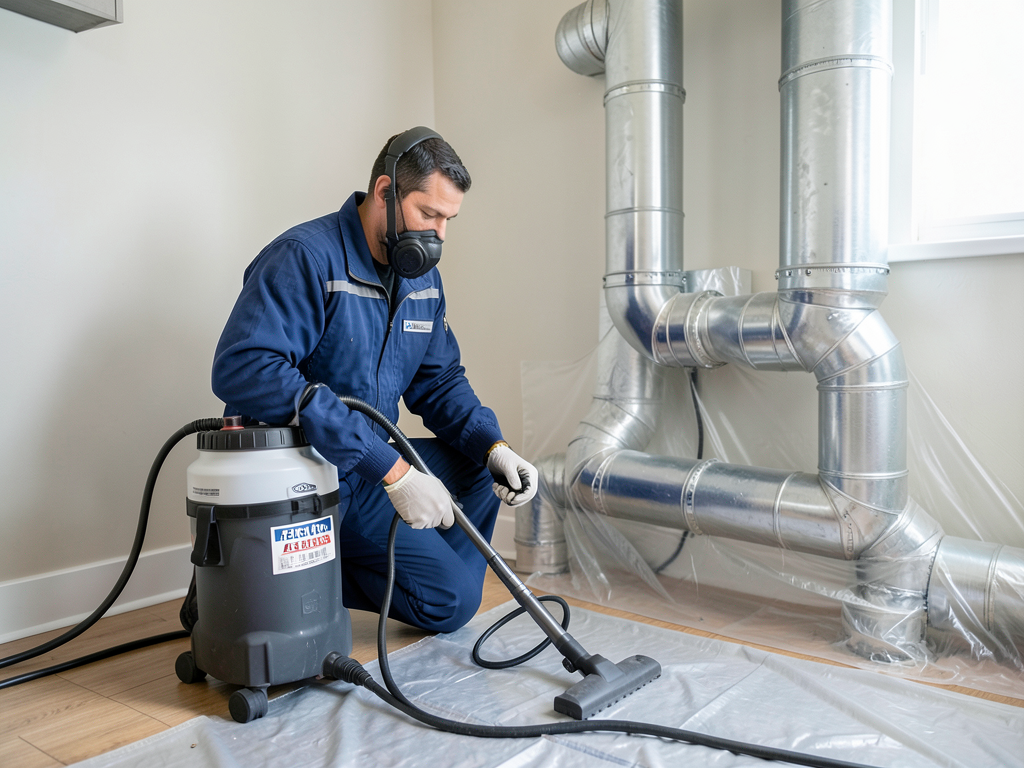
How floodwater contaminates your HVAC system
When floodwater enters your Westgate home, it doesn’t just sit on surfaces – it migrates through the path of least resistance. Your HVAC ductwork, with its network of supply and return ducts, often becomes a hidden conduit for contaminated water. The problem is particularly acute in older Westgate homes where duct systems run through crawl spaces or unfinished basements that are prone to flooding.
Category 3 water damage (black water from sewage, rivers, or standing floodwater) introduces bacteria, viruses, and chemical contaminants directly into your duct system. Even Category 2 water (gray water from washing machines or dishwashers) carries organic matter that feeds microbial growth. Once inside the ducts, these contaminants don’t just sit there – they multiply and spread through your home’s air supply.
The contamination process works like this: floodwater enters through supply vents, drain pans, or even through the building envelope around duct connections. The water saturates fiberglass insulation lining many duct systems, creating a sponge-like environment that’s nearly impossible to dry without complete removal. As the water sits, it becomes a breeding ground for mold species like Aspergillus and Stachybotrys (black mold), which can begin growing within 24-48 hours in Columbus’s summer humidity.
Even if the visible water recedes, the damage continues. Moisture trapped in duct insulation and lining creates ongoing conditions for microbial growth. Every time your HVAC system runs, it can aerosolize these contaminants, sending them throughout your home. This is why professional assessment is critical – you can’t always see or smell the contamination until it becomes a serious health hazard.. Read more about Why you almost always have to replace wet fiberglass insulation in your Columbus attic.
According to IICRC S500 standards, any ductwork exposed to Category 3 water must be replaced, not cleaned. For Category 1 or 2 water exposure, thorough cleaning and antimicrobial treatment may be possible, but only with proper testing and documentation. The key is acting quickly – the longer contaminated water sits in your ducts, the more extensive and expensive the remediation becomes. IICRC S500 water damage restoration standard.
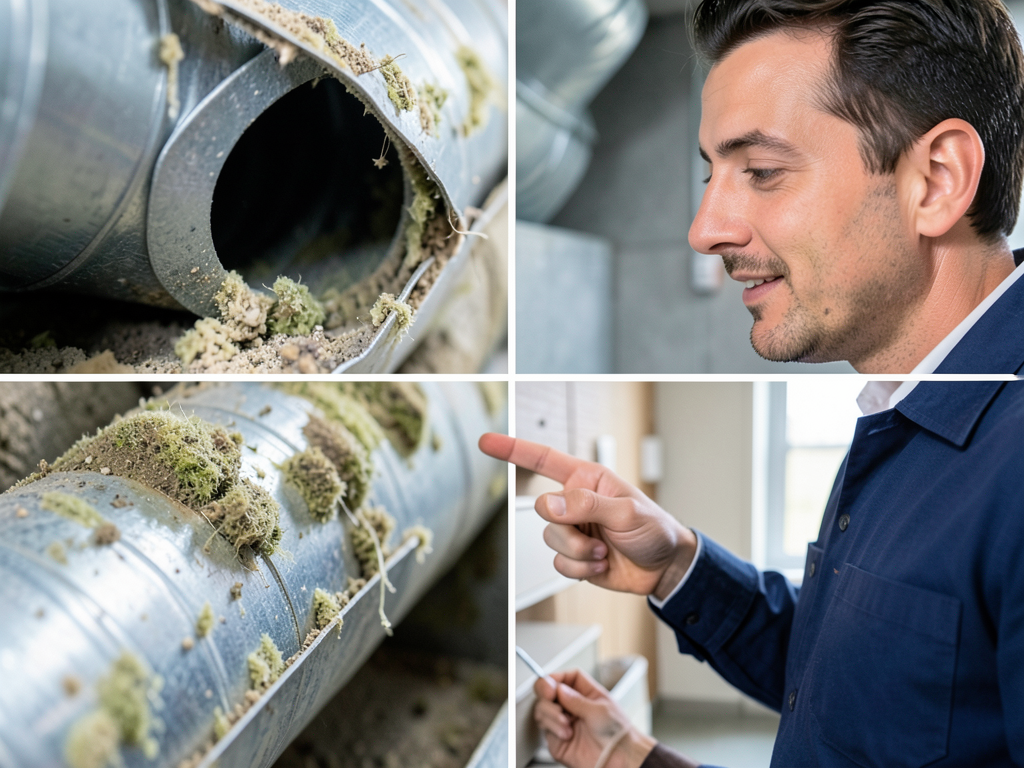
The hidden health risks of contaminated air ducts
Wet air ducts after a flood create a perfect storm of health hazards that many Westgate homeowners don’t discover until symptoms appear. The contaminants circulating through your home’s air supply can trigger everything from mild allergic reactions to serious respiratory conditions. Children, elderly family members, and those with compromised immune systems face the highest risks. Fixing storm and flood damage in Hilliard after heavy rains.
Mold exposure is the most common health concern. When mold spores become airborne through your HVAC system, they can cause symptoms including persistent coughing, wheezing, throat irritation, and eye irritation. For people with asthma or allergies, these symptoms can become severe and chronic. Some mold species produce mycotoxins – toxic compounds that can cause neurological symptoms and immune system suppression with prolonged exposure.
Bacterial contamination presents another layer of risk. Floodwaters, especially those containing sewage or agricultural runoff, introduce E. coli, Salmonella, and other pathogens into your duct system. These bacteria can cause gastrointestinal illness, skin infections, and respiratory infections when aerosolized through your HVAC system. The warm, dark environment inside your ducts provides ideal conditions for bacterial multiplication.
Chemical contaminants from floodwater add another dimension to the health risks. Floodwaters can carry pesticides, heavy metals, and industrial chemicals that settle in your duct system. When your HVAC system runs, these chemicals can vaporize and circulate through your home. Long-term exposure to these chemical contaminants has been linked to various health issues, including endocrine disruption and certain cancers.
The psychological impact shouldn’t be overlooked either. Living in a home with contaminated air ducts creates constant low-level stress and anxiety about your family’s health. Many homeowners report feeling physically better almost immediately after professional duct remediation, simply from knowing their air supply is clean and safe. Mold Remediation & Removal.
Professional air quality testing can identify specific contaminants in your duct system before symptoms appear. This testing measures particulate matter, microbial volatile organic compounds (MVOCs), and other indicators of contamination. Without testing, you’re essentially guessing about what you and your family are breathing every day.
Our professional air duct cleaning process
Professional air duct cleaning after a flood requires a systematic approach that goes far beyond standard HVAC maintenance. Our process follows IICRC S520 standards for mold remediation and uses equipment specifically designed for water-damaged duct systems. Here’s what you can expect when you call (614) 707-7505 for emergency service in Westgate.
The process begins with a comprehensive inspection using borescopes and thermal imaging to identify all areas of moisture and contamination. We map your entire duct system, noting which sections were exposed to floodwater and assessing the extent of contamination. This inspection includes checking for structural damage to duct connections, insulation deterioration, and any microbial growth visible on duct surfaces.
Next, we establish containment barriers to prevent cross-contamination during the cleaning process. This involves sealing off supply and return vents and creating negative air pressure in the work area. The containment setup is crucial – without it, you risk spreading contaminants to clean areas of your home during the remediation process.
The cleaning phase uses commercial-grade HEPA-filtered vacuums capable of capturing particles as small as 0.3 microns. We employ rotary brush systems to dislodge debris from duct walls, followed by high-pressure air washing to remove all loosened contaminants. For severely contaminated sections, we may use wet cleaning methods with EPA-registered antimicrobials specifically formulated for HVAC systems.
Antimicrobial treatment is a critical step that many companies skip. We apply EPA-registered disinfectants that are safe for HVAC use but lethal to mold, bacteria, and viruses. These treatments don’t just kill existing organisms – they provide residual protection against future growth. The specific antimicrobial formulation depends on the type of contamination identified during our initial testing.
The final phase involves sealing duct connections and replacing any damaged components. We use mastic sealants rather than tape products, as these provide superior moisture resistance and durability. For sections with severely damaged insulation, we replace the lining with antimicrobial-treated materials designed for high-humidity environments.
Before we consider the job complete, we conduct post-remediation verification testing. This includes air sampling to confirm that microbial levels have returned to normal background levels and that no chemical contaminants remain. We provide you with a detailed report showing before-and-after conditions, which is essential for insurance documentation.
Why Columbus’s climate makes duct contamination worse
Columbus’s unique climate creates conditions that accelerate mold growth and complicate air duct remediation. The city’s humid continental climate, characterized by hot, humid summers and cold winters, provides year-round challenges for maintaining clean air ducts. Understanding these local factors helps explain why professional remediation is so critical for Westgate homes.
Summer humidity in Columbus routinely exceeds 70%, creating ideal conditions for mold growth. When floodwater enters your duct system during these humid months, the moisture doesn’t evaporate quickly – it lingers, providing continuous moisture for microbial colonization. The problem compounds because your HVAC system often runs more frequently during hot weather, circulating spores throughout your home.
Columbus’s seasonal temperature swings create condensation issues that many homeowners don’t anticipate. When warm, humid air contacts the cooler surfaces of your duct system (especially in unconditioned spaces like crawl spaces), condensation forms. This condensation can reactivate dormant mold spores or create new moisture problems even after the initial floodwater is removed.
The city’s proximity to the Scioto and Olentangy River basins affects local humidity levels and flood patterns. Areas near these waterways, including parts of Westgate, experience higher baseline humidity and are more susceptible to flooding during heavy rains. The clay-rich soil common in Franklin County also affects drainage, often causing water to pool around foundations and potentially enter duct systems through vents or cracks.
Winter conditions create their own set of challenges. When your heating system runs during cold snaps, temperature differentials between your warm ducts and cold crawl spaces can cause condensation on duct exteriors. If your ducts were previously exposed to floodwater, this condensation can reactivate any remaining microbial growth, causing problems to re-emerge months after the initial flooding.
Columbus’s building practices also factor into the equation. Many Westgate homes, particularly those built before the 1980s, feature duct systems that weren’t designed with modern moisture management in mind. These older systems often lack proper vapor barriers and may have connections that allow moisture infiltration. Professional remediation must address these structural vulnerabilities, not just clean the visible contamination.
Insurance coverage and documentation requirements
Navigating insurance claims for air duct contamination after a flood can be complex, but proper documentation makes the process much smoother. Most homeowner’s insurance policies cover water damage restoration, including air duct cleaning, when the damage results from a covered peril like a burst pipe or storm flooding. However, coverage details vary significantly between policies and insurance companies.
The key to successful claims is immediate action and thorough documentation. When you discover flood damage in your Westgate home, contact your insurance company immediately to report the incident. Most policies require you to mitigate further damage, which means beginning the remediation process quickly. Waiting too long can give insurance companies grounds to deny your claim based on negligence.
Professional documentation is essential for insurance purposes. We provide detailed reports including moisture mapping, contamination testing results, and photographic evidence of all damage. This documentation establishes the extent of the contamination and justifies the remediation scope. Insurance adjusters rely heavily on this documentation to determine coverage and approve payment for services.
Many insurance companies require pre- and post-remediation testing to verify that the work was necessary and effective. This testing, which measures microbial levels and air quality, provides objective evidence that your duct system was contaminated and has been properly remediated. Without this testing, insurance companies may question whether the cleaning was truly necessary.
The cost of professional air duct cleaning after a flood typically ranges from $1,500 to $4,000 depending on system size and contamination extent. While this represents a significant expense, it pales in comparison to the potential health costs of living with contaminated air or the expense of replacing an entire HVAC system due to neglected contamination.
Some insurance policies include additional living expenses (ALE) coverage if your home becomes uninhabitable during remediation. This coverage can help with hotel costs or other temporary housing while we work on your home. Be sure to discuss ALE coverage with your insurance adjuster, as it can significantly reduce the financial impact of extensive remediation work. Hotel & Hospitality Flood Cleanup.
We work directly with most major insurance companies and can help facilitate the claims process. Our experience with insurance documentation means we know exactly what information adjusters need to process your claim quickly. We can even bill your insurance company directly in many cases, reducing your out-of-pocket expenses and administrative burden during an already stressful time.
Prevention strategies for future protection
While you can’t prevent every flood scenario, several strategies can significantly reduce your risk of air duct contamination in your Westgate home. These preventive measures focus on moisture management, system maintenance, and early detection of potential problems before they escalate into major contamination issues.
Start with your home’s exterior moisture management. Ensure your gutters and downspouts direct water at least 6 feet away from your foundation. Grade soil around your home so it slopes away from the foundation at a rate of 6 inches per 10 feet. These simple landscaping adjustments can prevent the bulk of water intrusion that leads to duct contamination.
Consider installing a sump pump with battery backup if your Westgate home has a basement or crawl space. Many Columbus homes in flood-prone areas benefit from this added protection. The battery backup ensures the pump continues working during power outages, which often accompany severe storms that cause flooding.
Regular HVAC maintenance plays a crucial role in prevention. Schedule professional duct inspections every 2-3 years, even if you haven’t experienced flooding. These inspections can identify early signs of moisture problems, microbial growth, or system damage before they become major issues. During these inspections, technicians can clean drain pans, check for proper drainage, and identify potential entry points for moisture.
Install high-quality air filters and change them regularly. While filters won’t prevent floodwater from entering your ducts, they can reduce the circulation of contaminants once moisture problems are addressed. Use MERV 11 or higher filters, which capture smaller particles including many mold spores and bacteria. However, ensure your HVAC system can handle these higher-efficiency filters without restricting airflow.
Consider adding a whole-house dehumidifier to your HVAC system, especially if your Westgate home experiences chronic humidity issues. These systems maintain optimal humidity levels (30-50%) that discourage mold growth while improving overall indoor air quality. Some advanced systems include humidity sensors that automatically adjust operation based on conditions.. Read more about Why your house still smells like a wet dog weeks after a flood in North Linden.
Install water sensors near potential entry points for your duct system, including supply vents, return air grilles, and areas where ducts pass through exterior walls. These sensors can alert you to moisture problems before they spread throughout your duct system. Some smart home systems can even shut off your HVAC system automatically if moisture is detected, preventing the circulation of contaminated air.
Finally, develop an emergency response plan for water incidents. Know who to call (hint: (614) 707-7505), understand your insurance coverage, and keep important documents in a waterproof container. Quick action during the first 24-48 hours after water exposure can mean the difference between a simple cleaning and a major remediation project.
Frequently Asked Questions
How quickly does mold grow in wet air ducts?
Mold can begin growing in damp air ducts within 24-48 hours under ideal conditions. In Columbus’s humid climate, this timeline is often accelerated. The combination of moisture, organic matter from floodwater, and the dark environment inside ducts creates perfect conditions for rapid microbial growth. This is why immediate professional assessment is critical after any flooding event.
Can I clean my air ducts myself after a flood?
DIY duct cleaning after flood contamination is not recommended and may actually worsen the problem. Professional remediation requires specialized equipment including HEPA-filtered vacuums, rotary brush systems, and commercial antimicrobials. Without proper containment and negative air pressure, you risk spreading contaminants throughout your home. Additionally, DIY cleaning often fails to address hidden contamination in duct insulation and connections.
Will my insurance cover air duct cleaning after a flood?
Most homeowner’s insurance policies cover air duct cleaning when the contamination results from a covered peril like storm flooding or burst pipes. However, coverage varies by policy and insurance company. The key factors are whether the damage was sudden and accidental (not gradual) and whether you took steps to mitigate further damage. Professional documentation significantly improves your chances of coverage approval.
How can I tell if my air ducts are contaminated?
Signs of duct contamination include musty odors when your HVAC runs, visible mold growth around vents, increased allergy or respiratory symptoms among household members, and unexplained spikes in humidity levels. However, many contamination issues aren’t visible or smelly until they become severe. Professional air quality testing is the only way to definitively determine if your ducts are contaminated.
How long does professional air duct cleaning take?
Professional air duct cleaning for a typical single-family home usually takes 4-8 hours, depending on system size and contamination extent. Severely contaminated systems or larger homes may require 1-2 days. The process includes inspection, containment setup, cleaning, antimicrobial treatment, and post-cleaning verification testing. We work efficiently to minimize disruption while ensuring thorough remediation.
What’s the difference between cleaning and replacing air ducts?
Cleaning removes contaminants from existing duct surfaces using specialized equipment and antimicrobials. Replacement involves removing and installing new duct components. Category 3 water damage (black water from sewage or rivers) typically requires replacement rather than cleaning, as contamination penetrates too deeply for effective cleaning. Category 1 or 2 water exposure may be remediable through thorough cleaning, depending on contamination extent and duct material.
How much does professional air duct cleaning cost after a flood?
Professional air duct cleaning after flood contamination typically costs between $1,500 and $4,000 for a single-family home, depending on system size, contamination extent, and required remediation scope. Severely contaminated systems or those requiring insulation replacement may cost more. While this represents a significant investment, it’s far less expensive than the health costs of living with contaminated air or replacing an entire HVAC system.
Can contaminated air ducts make my family sick?
Yes, contaminated air ducts can cause various health problems. Mold spores, bacteria, and chemical contaminants circulated through your HVAC system can trigger respiratory issues, allergic reactions, and other health problems. Symptoms may include coughing, wheezing, throat irritation, eye irritation, headaches, and fatigue. People with asthma, allergies, or compromised immune systems are particularly vulnerable to these health effects.
How do I prevent future duct contamination after remediation?
Prevent future contamination through moisture management, regular HVAC maintenance, and early detection systems. Ensure proper exterior drainage, install a sump pump if needed, use high-quality air filters, consider a whole-house dehumidifier, and schedule professional duct inspections every 2-3 years. Install water sensors near potential entry points and develop an emergency response plan for water incidents.
What certifications should I look for in a duct cleaning company?
Look for companies certified by the IICRC (Institute of Inspection Cleaning and Restoration Certification) in water damage restoration and mold remediation. NADCA (National Air Duct Cleaners Association) certification is also valuable for duct-specific work. Ensure technicians are trained in S500 and S520 standards, which govern water damage restoration and mold remediation procedures. Ask about their experience with flood-related contamination specifically.
- Immediate Response
Call (614) 707-7505 immediately after discovering flood damage. The first 24-48 hours are critical for preventing mold growth and extensive contamination.
- Initial Assessment
Our technicians arrive within 60 minutes to inspect your duct system using borescopes and thermal imaging to identify moisture and contamination extent.
- Containment Setup
We establish containment barriers and negative air pressure to prevent cross-contamination during the remediation process.
- Professional Cleaning
Using HEPA-filtered equipment and EPA-registered antimicrobials, we thoroughly clean and disinfect your entire duct system.
- Verification Testing
Post-remediation air quality testing confirms your system is safe and provides documentation for insurance purposes.
Take action before your air ducts become a health hazard
Wet air ducts after a flood in your Westgate home represent a serious health risk that worsens with every passing hour. The combination of Columbus’s humid climate and the hidden nature of duct contamination means problems can escalate quickly without obvious warning signs. By the time you notice musty odors or experience health symptoms, extensive contamination has likely already occurred.
Professional air duct cleaning after a flood isn’t just about removing water – it’s about protecting your family’s health and preserving your home’s indoor air quality. Our certified technicians use commercial-grade equipment and follow industry standards that DIY methods simply cannot match. We provide thorough documentation for insurance purposes and guarantee our work with post-remediation verification testing.
Don’t let contaminated air ducts compromise your family’s health. Every hour you wait gives mold and bacteria more time to establish themselves in your duct system. Our team serves Westgate and all of Franklin County with 24/7 emergency service, bringing the expertise and equipment needed to address flood-related contamination properly.
Call (614) 707-7505 today to schedule your inspection. We’ll assess your duct system, provide a clear remediation plan, and help you navigate the insurance process. Your family’s health is too important to leave to chance – let our certified professionals ensure your air supply is clean, safe, and free from flood-related contaminants.
Remember, the cost of professional remediation is minimal compared to the potential health impacts of living with contaminated air or the expense of replacing an entire HVAC system due to neglected contamination. Take action now to protect your Westgate home and your family’s wellbeing.
Pick up the phone and call (614) 707-7505 before the next storm hits. Your family deserves clean, safe air, and we’re here to ensure they get it.
{
“@context”: “https://schema.org”,
“@type”: “BlogPosting”,
“headline”: “Why you shouldn’t ignore wet air ducts after a flood in your Westgate home”,
“description”: “Wet air ducts after a flood in Westgate can breed toxic mold within 24-48 hours. Learn why professional cleaning with EPA-approved antimicrobials is critical for your family’s health.”,
“wordCount”: 3630,
“datePublished”: “2026-04-26T06:47:00.000Z”,
“dateModified”: “2026-04-26T06:47:00.000Z”,
“inLanguage”: “en-US”,
“mainEntityOfPage”: {
“@type”: “WebPage”,
“@id”: “https://fivestarwaterdamagerestorationcolumbus.com”
},
“publisher”: {
“@type”: “LocalBusiness”,
“name”: “Five Star Water Damage Restoration Columbus”,
“url”: “https://fivestarwaterdamagerestorationcolumbus.com”
},
“author”: {
“@type”: “Organization”,
“name”: “Five Star Water Damage Restoration Columbus”,
“url”: “https://fivestarwaterdamagerestorationcolumbus.com”
},
“image”: {
“@type”: “ImageObject”,
“url”: “https://fivestarwaterdamagerestorationcolumbus.com/wp-content/uploads/2026/03/why-you-shouldn-t-ignore-wet-air-ducts-after-a-flo-1.png”
}
}
{
“@context”: “https://schema.org”,
“@type”: “LocalBusiness”,
“name”: “Five Star Water Damage Restoration Columbus”,
“url”: “https://fivestarwaterdamagerestorationcolumbus.com”,
“address”: {
“@type”: “PostalAddress”,
“addressLocality”: “Columbus”
},
“areaServed”: {
“@type”: “City”,
“name”: “Columbus”
}
}
{
“@context”: “https://schema.org”,
“@type”: “FAQPage”,
“mainEntity”: [
{
“@type”: “Question”,
“name”: “How quickly does mold grow in wet air ducts?”,
“acceptedAnswer”: {
“@type”: “Answer”,
“text”: “Mold can begin growing in damp air ducts within 24-48 hours under ideal conditions. In Columbus’s humid climate, this timeline is often accelerated. The combination of moisture, organic matter from floodwater, and the dark environment inside ducts creates perfect conditions for rapid microbial growth. This is why immediate professional assessment is critical after any flooding event.”
}
},
{
“@type”: “Question”,
“name”: “Can I clean my air ducts myself after a flood?”,
“acceptedAnswer”: {
“@type”: “Answer”,
“text”: “DIY duct cleaning after flood contamination is not recommended and may actually worsen the problem. Professional remediation requires specialized equipment including HEPA-filtered vacuums, rotary brush systems, and commercial antimicrobials. Without proper containment and negative air pressure, you risk spreading contaminants throughout your home. Additionally, DIY cleaning often fails to address hidden contamination in duct insulation and connections.”
}
},
{
“@type”: “Question”,
“name”: “Will my insurance cover air duct cleaning after a flood?”,
“acceptedAnswer”: {
“@type”: “Answer”,
“text”: “Most homeowner’s insurance policies cover air duct cleaning when the contamination results from a covered peril like storm flooding or burst pipes. However, coverage varies by policy and insurance company. The key factors are whether the damage was sudden and accidental (not gradual) and whether you took steps to mitigate further damage. Professional documentation significantly improves your chances of coverage approval.”
}
},
{
“@type”: “Question”,
“name”: “How can I tell if my air ducts are contaminated?”,
“acceptedAnswer”: {
“@type”: “Answer”,
“text”: “Signs of duct contamination include musty odors when your HVAC runs, visible mold growth around vents, increased allergy or respiratory symptoms among household members, and unexplained spikes in humidity levels. However, many contamination issues aren’t visible or smelly until they become severe. Professional air quality testing is the only way to definitively determine if your ducts are contaminated.”
}
},
{
“@type”: “Question”,
“name”: “How long does professional air duct cleaning take?”,
“acceptedAnswer”: {
“@type”: “Answer”,
“text”: “Professional air duct cleaning for a typical single-family home usually takes 4-8 hours, depending on system size and contamination extent. Severely contaminated systems or larger homes may require 1-2 days. The process includes inspection, containment setup, cleaning, antimicrobial treatment, and post-cleaning verification testing. We work efficiently to minimize disruption while ensuring thorough remediation.”
}
},
{
“@type”: “Question”,
“name”: “What’s the difference between cleaning and replacing air ducts?”,
“acceptedAnswer”: {
“@type”: “Answer”,
“text”: “Cleaning removes contaminants from existing duct surfaces using specialized equipment and antimicrobials. Replacement involves removing and installing new duct components. Category 3 water damage (black water from sewage or rivers) typically requires replacement rather than cleaning, as contamination penetrates too deeply for effective cleaning. Category 1 or 2 water exposure may be remediable through thorough cleaning, depending on contamination extent and duct material.”
}
},
{
“@type”: “Question”,
“name”: “How much does professional air duct cleaning cost after a flood?”,
“acceptedAnswer”: {
“@type”: “Answer”,
“text”: “Professional air duct cleaning after flood contamination typically costs between $1,500 and $4,000 for a single-family home, depending on system size, contamination extent, and required remediation scope. Severely contaminated systems or those requiring insulation replacement may cost more. While this represents a significant investment, it’s far less expensive than the health costs of living with contaminated air or replacing an entire HVAC system.”
}
},
{
“@type”: “Question”,
“name”: “Can contaminated air ducts make my family sick?”,
“acceptedAnswer”: {
“@type”: “Answer”,
“text”: “Yes, contaminated air ducts can cause various health problems. Mold spores, bacteria, and chemical contaminants circulated through your HVAC system can trigger respiratory issues, allergic reactions, and other health problems. Symptoms may include coughing, wheezing, throat irritation, eye irritation, headaches, and fatigue. People with asthma, allergies, or compromised immune systems are particularly vulnerable to these health effects.”
}
},
{
“@type”: “Question”,
“name”: “How do I prevent future duct contamination after remediation?”,
“acceptedAnswer”: {
“@type”: “Answer”,
“text”: “Prevent future contamination through moisture management, regular HVAC maintenance, and early detection systems. Ensure proper exterior drainage, install a sump pump if needed, use high-quality air filters, consider a whole-house dehumidifier, and schedule professional duct inspections every 2-3 years. Install water sensors near potential entry points and develop an emergency response plan for water incidents.”
}
},
{
“@type”: “Question”,
“name”: “What certifications should I look for in a duct cleaning company?”,
“acceptedAnswer”: {
“@type”: “Answer”,
“text”: “Look for companies certified by the IICRC (Institute of Inspection Cleaning and Restoration Certification) in water damage restoration and mold remediation. NADCA (National Air Duct Cleaners Association) certification is also valuable for duct-specific work. Ensure technicians are trained in S500 and S520 standards, which govern water damage restoration and mold remediation procedures. Ask about their experience with flood-related contamination specifically.”
}
}
]
}
{
“@context”: “https://schema.org”,
“@type”: “HowTo”,
“name”: “Steps for Emergency Air Duct Assessment”,
“step”: [
{
“@type”: “HowToStep”,
“position”: 1,
“name”: “Immediate Response”,
“text”: “Call (614) 707-7505 immediately after discovering flood damage. The first 24-48 hours are critical for preventing mold growth and extensive contamination.”
},
{
“@type”: “HowToStep”,
“position”: 2,
“name”: “Initial Assessment”,
“text”: “Our technicians arrive within 60 minutes to inspect your duct system using borescopes and thermal imaging to identify moisture and contamination extent.”
},
{
“@type”: “HowToStep”,
“position”: 3,
“name”: “Containment Setup”,
“text”: “We establish containment barriers and negative air pressure to prevent cross-contamination during the remediation process.”
},
{
“@type”: “HowToStep”,
“position”: 4,
“name”: “Professional Cleaning”,
“text”: “Using HEPA-filtered equipment and EPA-registered antimicrobials, we thoroughly clean and disinfect your entire duct system.”
},
{
“@type”: “HowToStep”,
“position”: 5,
“name”: “Verification Testing”,
“text”: “Post-remediation air quality testing confirms your system is safe and provides documentation for insurance purposes.”
}
],
“image”: “https://fivestarwaterdamagerestorationcolumbus.com/wp-content/uploads/2026/03/why-you-shouldn-t-ignore-wet-air-ducts-after-a-flo-1.png”
}
{
“@context”: “https://schema.org”,
“@type”: “BreadcrumbList”,
“itemListElement”: [
{
“@type”: “ListItem”,
“position”: 1,
“name”: “Home”,
“item”: “https://fivestarwaterdamagerestorationcolumbus.com”
},
{
“@type”: “ListItem”,
“position”: 2,
“name”: “Blog”,
“item”: “https://fivestarwaterdamagerestorationcolumbus.com/blog”
},
{
“@type”: “ListItem”,
“position”: 3,
“name”: “Why you shouldn’t ignore wet air ducts after a flood in your Westgate home”
}
]
}
{
“@context”: “https://schema.org”,
“@type”: “Service”,
“serviceType”: “Water Damage Restoration”,
“provider”: {
“@type”: “LocalBusiness”,
“name”: “Five Star Water Damage Restoration Columbus”,
“url”: “https://fivestarwaterdamagerestorationcolumbus.com”
},
“areaServed”: {
“@type”: “City”,
“name”: “Columbus”
},
“description”: “Wet air ducts after a flood in Westgate can breed toxic mold within 24-48 hours. Learn why professional cleaning with EPA-approved antimicrobials is critical for your family’s health.”
}