
How to Document Water Damage for Insurance: The Columbus Homeowner’s Step-by-Step Guide
Water damage strikes without warning—a burst pipe, a flooded basement, or storm-driven rain through a compromised roof. In Obetz, where many homes sit on clay-heavy soil that retains moisture, the damage can escalate quickly. The difference between a fully covered insurance claim and a denied one often comes down to one thing: documentation. This guide walks you through the exact steps to photograph, record, and report water damage so your insurance adjuster has no choice but to approve your claim. Professional water damage restoration for Short North shops and galleries.
Before you do anything else, stop the source of water if it’s safe to do so. Then, document everything. Insurance companies require proof of loss—not just a verbal description. Your phone camera becomes your most powerful tool. Wide-angle shots show the full scope of damage. Close-ups reveal the texture of warped flooring or the color of ceiling stains. Video walkthroughs capture conditions that still photos miss. Every image, every timestamp, every note matters.. Read more about The difference between water mitigation and full reconstruction for your Columbus home.
Safety First: Immediate Steps Before Documentation
Water and electricity create a lethal combination. Before entering a flooded area, shut off power at the breaker if water has reached electrical outlets or appliances. Watch for sagging ceilings—trapped water can cause collapse. Wear rubber boots and gloves. If you smell gas or see structural cracks, evacuate immediately and call emergency services. These are not overreactions; they are life-saving precautions.. Read more about How professional pack-out services protect your belongings during a major house restoration.
Once the area is safe, begin your documentation. Ohio insurance policies require “mitigation of damages”—you must take reasonable steps to prevent further harm. This means moving valuables to dry areas, placing buckets under active leaks, and covering exposed surfaces with plastic sheeting. Document these mitigation efforts with photos and notes. Adjusters look for evidence that you acted responsibly to limit the loss. Ohio Department of Insurance.
The Documentation Process: What to Capture and How
Start with context. Take wide-angle photos of each damaged room from multiple corners. Include doorways and windows to show the full layout. Then zoom in. Capture close-ups of bubbling drywall, stained ceiling tiles, or lifting floorboards. Use a coin or ruler in the frame to show scale—a quarter next to a crack proves its width.
Video is equally critical. Walk through the space slowly, narrating what you see. Say the date, the time, and the source of the water if known. Mention any odors—musty smells suggest mold growth; a rotten-egg scent may indicate sewage. These sensory details matter to adjusters assessing contamination levels.
Create a communication log. Write down every call to your insurance company, every visit from an adjuster, and every conversation with a contractor. Note names, titles, and reference numbers. This paper trail proves you followed protocol and met all deadlines.
Inventory Management: Documenting Personal Property
Insurance claims cover more than structural damage. Your personal belongings—furniture, electronics, clothing—must also be documented. Create a room-by-room inventory. For each damaged item, record the brand, model, age, and approximate value. If you have receipts, photograph them. If not, search online for similar items to establish value.
Separate items into categories: restorable, non-restorable, and questionable. Non-restorable items like soaked mattresses or contaminated rugs should be discarded, but only after you’ve photographed them in place. Keep a discard log with photos and descriptions. Adjusters need to see what was thrown away and why.. Read more about Cleaning up the mess after fire department hoses save your Downtown Columbus building.
For high-value items, consider a pre-loss inventory. Apps like Encircle or Know Your Stuff let you catalog possessions with photos and serial numbers. If you already have one, update it immediately after the damage occurs. This proactive step can speed up your claim significantly.
Professional Verification: Why Expert Reports Matter
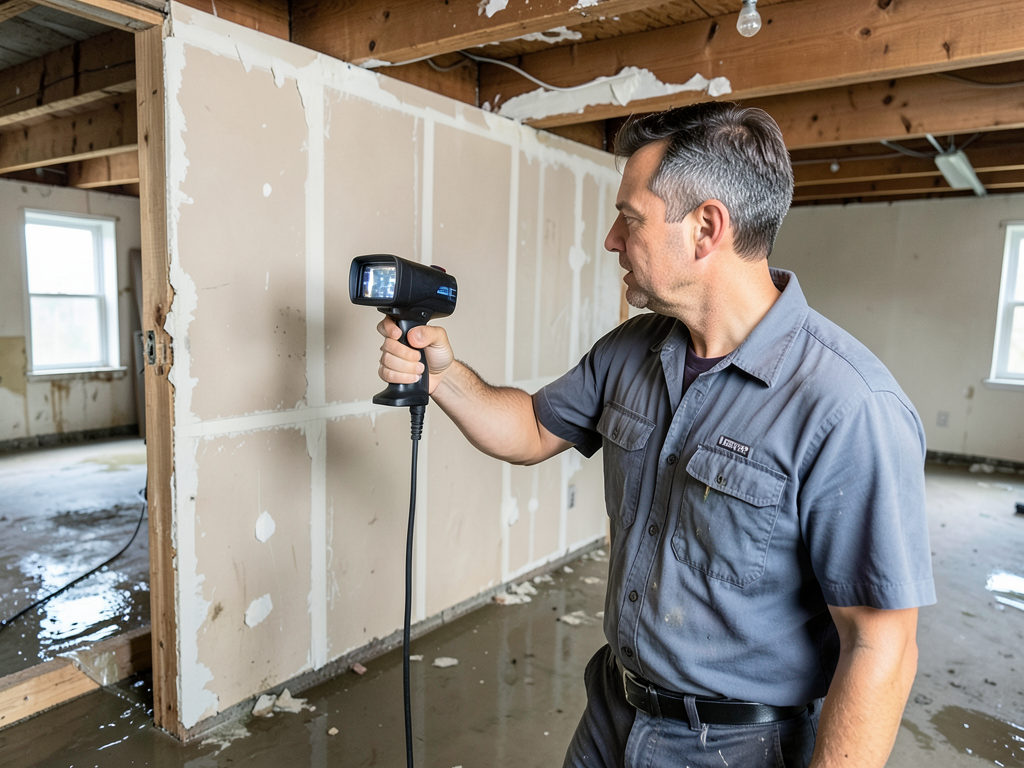
Smartphone photos tell part of the story, but professional documentation tells the whole truth. Certified water damage technicians use moisture meters, thermal imaging cameras, and hygrometers to detect hidden damage. These tools reveal moisture behind walls, under floors, and inside ceiling cavities—areas the naked eye cannot see.. Read more about How thermal imaging helps us find hidden water leaks in your Columbus home.
A professional inspection report includes moisture mapping, material classification, and contamination assessment. It follows IICRC S500 standards, the industry benchmark for water damage restoration. Adjusters give heavy weight to these reports because they come from trained, certified professionals using calibrated equipment. IICRC S500 water damage standards.
In Obetz, where many homes have crawlspaces and basements, hidden moisture is a common issue. A thermal scan might reveal a cold spot behind a wall—evidence of trapped water. Without this data, an adjuster might assume the wall is dry and deny further mitigation. With it, you prove the need for professional drying and prevent future mold growth.
Local Resources and Ohio-Specific Considerations
Columbus and Franklin County have specific building codes that affect water damage claims. Ohio Residential Code (ORC) Section R322 requires proper moisture barriers in basements. If your damage involves a failed vapor barrier, document the violation with photos and a code reference. This shows the adjuster that the damage stems from non-compliance, not homeowner neglect.. Read more about How to choose the right Columbus water damage contractor without getting scammed.
Ohio law also requires insurance companies to respond to claims within 30 days. If your adjuster is unresponsive, document every attempt to contact them. Send emails with read receipts. Keep a log of call times and durations. This documentation can support a complaint to the Ohio Department of Insurance if needed.
Obetz residents should also be aware of the sewer backup endorsement. Many standard policies exclude sewer-related damage. If your claim involves a backed-up drain, check your policy for this rider. If you lack coverage, document the backup source—often tree roots in clay pipes or overwhelmed municipal systems during heavy rains.
Understanding Water Categories and Documentation Requirements
Water damage falls into three categories, each with different documentation needs. Category 1 is clean water from a broken supply line. Category 2 is gray water from appliances like washing machines. Category 3 is black water from sewage or flooding rivers. The category determines drying methods, safety protocols, and claim coverage.
Document the water source clearly. If you’re unsure, describe its appearance and odor. Clear water with no smell is likely Category 1. Slightly cloudy water with a detergent scent may be Category 2. Dark, foul-smelling water is almost certainly Category 3 and requires immediate professional handling.. Read more about Handling a sudden pipe burst in your Columbus short-term rental property.
Adjusters use these categories to determine contamination levels and required remediation. Misclassifying water can lead to denied claims or incomplete drying, which invites mold growth. Professional testing with ATP meters or microbial swabs provides objective data that supports your category assessment. Mold Remediation & Removal.
Frequently Asked Questions
Should I throw away damaged carpet before the adjuster arrives?
No. Remove only what’s necessary to prevent further damage, but keep all removed materials until the adjuster inspects them. Photograph everything in place first. If you must discard items for health reasons, create a discard log with photos and descriptions.
How long do I have to file a water damage claim in Ohio?
Ohio insurance policies typically require notice within 30 days of discovering the damage. However, the sooner you file, the better. Delays can raise questions about the extent of damage and your mitigation efforts. Document the date of discovery and your first call to the insurer.
Will my insurance cover mold if it grows after the water damage?
It depends on your policy and how quickly you acted. Most policies cover mold if it results from a covered water loss and you took steps to dry the area promptly. Document drying efforts with photos and professional reports. If you wait weeks to address the moisture, mold coverage may be denied.
Do I need a public adjuster for my water damage claim?
Not always, but they can help with large or complex claims. Public adjusters work for you, not the insurance company. They handle documentation, negotiate with adjusters, and can increase your settlement. For claims over $10,000 or involving business interruption, their expertise often pays for itself.. Read more about Why you almost always have to replace wet fiberglass insulation in your Columbus attic.
What if my insurance company denies my claim?
Request a written explanation of the denial. Review your policy for coverage details. If you believe the denial is incorrect, gather additional documentation—especially professional reports—and appeal. You can also file a complaint with the Ohio Department of Insurance or consult an attorney specializing in insurance disputes.
Downloadable Documentation Checklist
Keep this checklist on your phone while documenting damage. It ensures you capture everything adjusters need to approve your claim.
- Safety Check
Turn off power, wear protective gear, check for structural hazards.
- Wide-Angle Photos
Capture each room from multiple corners, include doorways and windows.
- Close-Up Details
Photograph stains, warping, cracks, and scale with a coin or ruler.
- Video Walkthrough
Narrate conditions, odors, and visible damage while moving through the space.
- Mitigation Evidence
Document steps taken to stop water and prevent further damage.
- Personal Property Inventory
List damaged items with brand, age, and value; photograph receipts.
- Professional Inspection
Hire certified technicians for moisture mapping and contamination testing.
- Communication Log
Record all calls, emails, and visits with names, dates, and reference numbers.
Call for Immediate Help
Water damage doesn’t wait, and neither should you. If you’re in Obetz and need professional documentation or emergency mitigation, call (614) 707-7505 today. Our certified team is on call 24/7 to help you protect your home and your claim.
Don’t let poor documentation cost you thousands. Pick up the phone and call (614) 707-7505 before the next storm hits. We’ll help you document the damage, communicate with your adjuster, and restore your home to pre-loss condition—fast. Fixing storm and flood damage in Hilliard after heavy rains.
You may also find this helpful. Protecting your small retail boutique in the Near East Side from unexpected water leaks.
You may also find this helpful. What to do when an accidental fire sprinkler discharge floods your Discovery District office.
{
“@context”: “https://schema.org”,
“@type”: “BlogPosting”,
“headline”: “How to document water damage for a successful insurance claim in Obetz”,
“description”: “Learn the exact steps to document water damage in Obetz homes. Our 2026 guide shows you how to protect your claim with proper photos, videos, and professional reports.”,
“wordCount”: 1569,
“datePublished”: “2026-05-01T08:06:00.000Z”,
“dateModified”: “2026-05-01T08:06:00.000Z”,
“inLanguage”: “en-US”,
“mainEntityOfPage”: {
“@type”: “WebPage”,
“@id”: “https://fivestarwaterdamagerestorationcolumbus.com”
},
“publisher”: {
“@type”: “LocalBusiness”,
“name”: “Five Star Water Damage Restoration Columbus”,
“url”: “https://fivestarwaterdamagerestorationcolumbus.com”
},
“author”: {
“@type”: “Organization”,
“name”: “Five Star Water Damage Restoration Columbus”,
“url”: “https://fivestarwaterdamagerestorationcolumbus.com”
},
“image”: {
“@type”: “ImageObject”,
“url”: “https://fivestarwaterdamagerestorationcolumbus.com/wp-content/uploads/2026/03/how-to-document-water-damage-for-a-successful-insu-1.png”
}
}
{
“@context”: “https://schema.org”,
“@type”: “LocalBusiness”,
“name”: “Five Star Water Damage Restoration Columbus”,
“url”: “https://fivestarwaterdamagerestorationcolumbus.com”,
“address”: {
“@type”: “PostalAddress”,
“addressLocality”: “Columbus”
},
“areaServed”: {
“@type”: “City”,
“name”: “Columbus”
}
}
{
“@context”: “https://schema.org”,
“@type”: “FAQPage”,
“mainEntity”: [
{
“@type”: “Question”,
“name”: “Should I throw away damaged carpet before the adjuster arrives?”,
“acceptedAnswer”: {
“@type”: “Answer”,
“text”: “No. Remove only what’s necessary to prevent further damage, but keep all removed materials until the adjuster inspects them. Photograph everything in place first. If you must discard items for health reasons, create a discard log with photos and descriptions.”
}
},
{
“@type”: “Question”,
“name”: “How long do I have to file a water damage claim in Ohio?”,
“acceptedAnswer”: {
“@type”: “Answer”,
“text”: “Ohio insurance policies typically require notice within 30 days of discovering the damage. However, the sooner you file, the better. Delays can raise questions about the extent of damage and your mitigation efforts. Document the date of discovery and your first call to the insurer.”
}
},
{
“@type”: “Question”,
“name”: “Will my insurance cover mold if it grows after the water damage?”,
“acceptedAnswer”: {
“@type”: “Answer”,
“text”: “It depends on your policy and how quickly you acted. Most policies cover mold if it results from a covered water loss and you took steps to dry the area promptly. Document drying efforts with photos and professional reports. If you wait weeks to address the moisture, mold coverage may be denied.”
}
},
{
“@type”: “Question”,
“name”: “Do I need a public adjuster for my water damage claim?”,
“acceptedAnswer”: {
“@type”: “Answer”,
“text”: “Not always, but they can help with large or complex claims. Public adjusters work for you, not the insurance company. They handle documentation, negotiate with adjusters, and can increase your settlement. For claims over $10,000 or involving business interruption, their expertise often pays for itself.”
}
},
{
“@type”: “Question”,
“name”: “What if my insurance company denies my claim?”,
“acceptedAnswer”: {
“@type”: “Answer”,
“text”: “Request a written explanation of the denial. Review your policy for coverage details. If you believe the denial is incorrect, gather additional documentation—especially professional reports—and appeal. You can also file a complaint with the Ohio Department of Insurance or consult an attorney specializing in insurance disputes.”
}
}
]
}
{
“@context”: “https://schema.org”,
“@type”: “HowTo”,
“name”: “How to Document Water Damage”,
“step”: [
{
“@type”: “HowToStep”,
“position”: 1,
“name”: “Safety Check”,
“text”: “Turn off power, wear protective gear, check for structural hazards.”
},
{
“@type”: “HowToStep”,
“position”: 2,
“name”: “Wide-Angle Photos”,
“text”: “Capture each room from multiple corners, include doorways and windows.”
},
{
“@type”: “HowToStep”,
“position”: 3,
“name”: “Close-Up Details”,
“text”: “Photograph stains, warping, cracks, and scale with a coin or ruler.”
},
{
“@type”: “HowToStep”,
“position”: 4,
“name”: “Video Walkthrough”,
“text”: “Narrate conditions, odors, and visible damage while moving through the space.”
},
{
“@type”: “HowToStep”,
“position”: 5,
“name”: “Mitigation Evidence”,
“text”: “Document steps taken to stop water and prevent further damage.”
},
{
“@type”: “HowToStep”,
“position”: 6,
“name”: “Personal Property Inventory”,
“text”: “List damaged items with brand, age, and value; photograph receipts.”
},
{
“@type”: “HowToStep”,
“position”: 7,
“name”: “Professional Inspection”,
“text”: “Hire certified technicians for moisture mapping and contamination testing.”
},
{
“@type”: “HowToStep”,
“position”: 8,
“name”: “Communication Log”,
“text”: “Record all calls, emails, and visits with names, dates, and reference numbers.”
}
],
“image”: “https://fivestarwaterdamagerestorationcolumbus.com/wp-content/uploads/2026/03/how-to-document-water-damage-for-a-successful-insu-1.png”
}
{
“@context”: “https://schema.org”,
“@type”: “BreadcrumbList”,
“itemListElement”: [
{
“@type”: “ListItem”,
“position”: 1,
“name”: “Home”,
“item”: “https://fivestarwaterdamagerestorationcolumbus.com”
},
{
“@type”: “ListItem”,
“position”: 2,
“name”: “Blog”,
“item”: “https://fivestarwaterdamagerestorationcolumbus.com/blog”
},
{
“@type”: “ListItem”,
“position”: 3,
“name”: “How to document water damage for a successful insurance claim in Obetz”
}
]
}
{
“@context”: “https://schema.org”,
“@type”: “Service”,
“serviceType”: “Water Damage Restoration”,
“provider”: {
“@type”: “LocalBusiness”,
“name”: “Five Star Water Damage Restoration Columbus”,
“url”: “https://fivestarwaterdamagerestorationcolumbus.com”
},
“areaServed”: {
“@type”: “City”,
“name”: “Columbus”
},
“description”: “Learn the exact steps to document water damage in Obetz homes. Our 2026 guide shows you how to protect your claim with proper photos, videos, and professional reports.”
}