
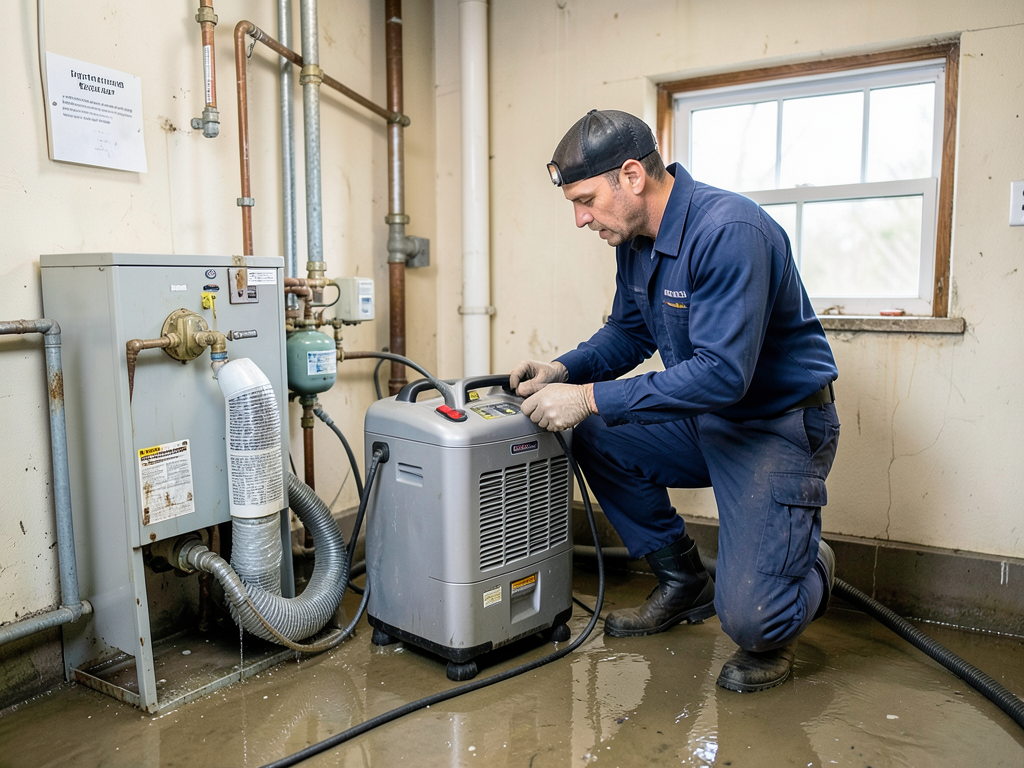
What to do when your water softener overflows and floods your utility room
Water softeners are essential in Columbus homes due to our region’s high water hardness, but when they malfunction, they can release gallons of brine into your utility room within minutes. The immediate threat goes beyond simple water damage—saltwater corrosion can destroy flooring, drywall, and even electrical components if not addressed quickly. This guide walks you through the critical first steps to protect your home and explains why professional cleanup is often necessary to prevent long-term structural issues. Professional water damage restoration for Short North shops and galleries.
Columbus’s average water hardness of 15-20 grains per gallon means nearly every home has a softener installed. When these units fail, they typically release a concentrated brine solution containing sodium chloride and resin beads. This mixture is more corrosive than fresh water and can cause permanent damage to concrete, wood, and metal surfaces within 24-48 hours if left untreated.
Immediate steps: What to do when your water softener leaks
Safety comes first. Before touching anything, shut off power to the utility room at the breaker box. Water and electricity create a lethal combination, especially when salt is involved, which can conduct electricity more effectively than fresh water.
Next, locate the softener’s bypass valve—usually a lever or dial near the unit’s inlet and outlet pipes. Turn it to the bypass position to stop additional water from entering the system. If you cannot find the bypass valve, shut off the main water supply to your home immediately.
Begin water removal with towels or a wet vacuum, but avoid using household vacuums—they’re not designed for water extraction and can be damaged or create electrical hazards. For significant flooding, professional extraction equipment is necessary to remove water from beneath flooring and within wall cavities.
Document everything before cleanup begins. Take photos of the flooded area, the softener unit, and any visible damage. This documentation is crucial for insurance claims and helps restoration professionals assess the scope of work needed. Frozen pipe cleanup and repair in Gahanna before the damage spreads.
Remove any items from the flooded area immediately. Salt water can ruin cardboard boxes, paper documents, and many household items within hours. Elevate furniture on blocks if possible to prevent staining and further damage.
The hidden dangers of brine and salt water damage
Unlike freshwater leaks, brine contains dissolved minerals that continue to damage materials long after the initial flood. Salt is hygroscopic, meaning it attracts and holds moisture from the air. This property causes salt-damaged materials to remain damp for extended periods, creating ideal conditions for mold growth.
Concrete basement floors in Columbus homes are particularly vulnerable. The salt penetrates the porous surface and can cause spalling—where the surface flakes and crumbles over time. This damage often isn’t visible until weeks after the initial incident.
Wood flooring absorbs saltwater rapidly, causing it to swell, warp, and eventually rot. The salt crystals left behind as water evaporates can continue to draw moisture from the air, preventing the wood from ever fully drying. This creates a cycle of damage that worsens over time.
Metal components in your utility room face accelerated corrosion when exposed to brine. Water heater connections, electrical junction boxes, and even the softener’s own internal components can rust and fail within days of saltwater exposure.
Resin beads from the softener’s ion exchange process often escape during overflow events. These tiny plastic spheres can clog drains, become embedded in carpet fibers, and create ongoing contamination issues if not properly removed.
Our professional cleanup process for Columbus homeowners
Professional water damage restoration follows industry standards set by the IICRC S500, which provides specific protocols for different categories of water damage. Salt water from softeners falls into Category 3 due to its contamination potential and corrosive properties. IICRC S500 standards.
The first step involves complete water extraction using commercial-grade equipment. Unlike household shop vacs, professional extractors can remove water from beneath flooring and within wall cavities, preventing hidden damage that leads to mold growth.
Structural drying requires industrial dehumidifiers and air movers strategically placed to create optimal evaporation conditions. The process typically takes 3-5 days, depending on the extent of saturation and the materials affected.
Brine residue removal is a critical step that many homeowners overlook. All affected surfaces must be thoroughly cleaned with specialized solutions that neutralize salt deposits and prevent ongoing corrosion. This includes concrete floors, wall studs, and any metal components.
Subfloor assessment determines whether the underlying structure remains sound. In many cases, salt water causes enough damage to require partial subfloor replacement, especially in older Columbus homes with particleboard or untreated wood subfloors.
Mold prevention involves applying antimicrobial treatments to all affected areas. The high humidity in Columbus during summer months makes mold growth a significant concern, particularly in utility rooms where ventilation is often limited.
Navigating insurance claims for water softener failures
Most standard homeowners insurance policies in Ohio cover sudden and accidental water damage, but coverage for water softener failures can be complicated. Insurance companies often classify these incidents as maintenance issues rather than sudden damage, which may affect coverage.. Read more about Handling a sudden pipe burst in your Columbus short-term rental property.
The key to successful claims is immediate action and thorough documentation. Contact your insurance provider within 24 hours of discovering the damage. Provide photos, videos, and detailed descriptions of the incident and resulting damage.
Professional restoration companies can assist with the claims process by providing detailed damage assessments, moisture readings, and written documentation that insurance adjusters require. This service is particularly valuable for significant damage that may exceed your deductible.
Keep all receipts for emergency measures taken, including water removal services, temporary lodging if needed, and any repairs to prevent further damage. These expenses are often reimbursable under your policy’s additional living expenses coverage. EPA mold guidelines.
Understand that insurance adjusters will look for signs of neglect or pre-existing conditions. Regular maintenance of your water softener, including annual inspections and timely repairs, strengthens your position if a claim becomes necessary.
Why choose Five Star Water Damage Restoration for your Columbus restoration needs?
Five Star Water Damage Restoration has served the Greater Columbus area for over 15 years, handling everything from minor utility room floods to massive commercial water damage events. Our team understands the unique challenges posed by Columbus’s climate, soil conditions, and building practices.
We offer 24/7 emergency response because we know that every hour counts when dealing with water damage. Our average response time is under 60 minutes for most Columbus neighborhoods, including Clintonville, Upper Arlington, and Dublin. What to do right now if your Dublin basement just flooded.
Our technicians are IICRC certified and trained in the latest restoration techniques, including specialized brine cleanup protocols. We use industrial-grade equipment that can extract water from the deepest recesses of your home, preventing the secondary damage that often occurs with DIY cleanup attempts.
We work directly with your insurance company, providing detailed documentation and estimates that streamline the claims process. Our experience with local adjusters means we know exactly what information they need to process your claim efficiently.
Five Star is a locally owned and operated business, not a national franchise. We understand the specific building codes and regulations in Franklin County and ensure all our work meets or exceeds local requirements.
Our commitment to customer service means we’ll guide you through every step of the restoration process, from initial assessment to final walkthrough. We understand that dealing with water damage is stressful, and we work to make the process as smooth as possible.
Don’t let water softener damage compromise your home’s structural integrity. Call (614) 707-7505 today to schedule your inspection and protect your investment from further damage.
Preventing future water softener overflows
Regular maintenance is your best defense against future overflows. Schedule annual inspections of your water softener system, including checking for salt bridges, inspecting valves and connections, and testing the brine tank for proper function.
Install a water alarm near your softener unit. These inexpensive devices can alert you to leaks before they become major floods, giving you time to address the issue before significant damage occurs.
Consider upgrading to a newer model with built-in overflow protection and automatic shutoff features. Modern softeners include sensors that detect abnormal water levels and can prevent overflow situations before they start.
Know the signs of impending failure: unusual noises during regeneration cycles, salt not dissolving properly, or water remaining in the brine tank between cycles. These symptoms often precede major malfunctions.. Read more about Choosing between a pedestal and a submersible sump pump for your Columbus basement.
Keep the area around your softener clear of clutter. This allows you to spot leaks quickly and prevents stored items from blocking access to shutoff valves in an emergency.
Common causes of water softener overflows in Columbus homes
Power outages during Ohio’s frequent summer storms can disrupt softener regeneration cycles, causing overflow if the system attempts to refill while the timer is malfunctioning. Installing a battery backup can prevent these issues. Fixing storm and flood damage in Hilliard after heavy rains.
High iron content in Columbus water can cause resin beads to clog the softener’s internal components, leading to pressure buildup and eventual overflow. Regular resin bed cleaning helps prevent this problem.
Age-related wear affects most softeners after 10-15 years of service. Rubber seals deteriorate, valves become less reliable, and the control head may malfunction, all of which can lead to overflow situations. Reliable help for Westerville homeowners dealing with a failed sump pump.
Improper installation, particularly in homes built before 2000, may lack proper overflow drainage or emergency shutoff features. If your softener was installed more than a decade ago, it might be worth having a professional evaluate its safety features.
Rapid pressure changes in municipal water systems, common during Franklin County’s infrastructure maintenance, can cause backflow into softener units if they lack proper check valves. This can overwhelm the system’s capacity and cause overflow.
When DIY cleanup isn’t enough
Many homeowners attempt to handle water softener overflows themselves, but certain situations require professional intervention. If water has penetrated wall cavities, saturated subflooring, or affected electrical systems, DIY cleanup can leave hidden damage that worsens over time.
The presence of mold is another indicator that professional help is needed. Mold can begin growing within 24-48 hours of water exposure, and once established, it requires specialized removal techniques to eliminate safely.
Structural damage assessment is difficult for untrained individuals. What appears to be minor water damage may have compromised load-bearing elements, especially in older Columbus homes with plaster walls or hardwood structural components.
Insurance companies often require professional documentation for claims exceeding certain thresholds. Attempting DIY cleanup on significant damage may result in claim denial or reduced compensation.
Professional restoration companies have access to specialized equipment like moisture meters, thermal imaging cameras, and industrial dehumidifiers that can detect and address hidden moisture pockets that DIY methods miss.
The cost of delayed action
Every hour counts when dealing with saltwater damage. The longer water remains in contact with building materials, the more extensive and expensive the damage becomes. What might cost $500 to clean up immediately can escalate to $5,000 or more if left for 48 hours.
Secondary damage from delayed action includes mold remediation costs, which typically range from $1,500 to $6,000 depending on the extent of growth. Structural repairs to replace damaged drywall, flooring, or framing can easily double the initial cleanup costs.
Health impacts from mold exposure can lead to medical expenses and lost work time. Symptoms range from allergic reactions to more serious respiratory issues, particularly in children, elderly individuals, and those with compromised immune systems.
Property value depreciation occurs when water damage history isn’t properly documented and repaired. Professional restoration with proper documentation helps maintain your home’s value and marketability.
Business interruption costs apply to commercial properties where water damage forces closure. Every day of closure represents lost revenue that could have been prevented with prompt professional intervention.
Frequently Asked Questions
How long does professional water softener cleanup take?
Professional cleanup typically takes 3-5 days for complete drying and restoration. The initial water extraction and damage assessment occur within hours of arrival, but thorough structural drying requires several days with industrial equipment.
Will my homeowners insurance cover water softener damage?
Coverage depends on your specific policy and the circumstances of the damage. Sudden and accidental failures are typically covered, while damage from lack of maintenance may be excluded. Professional assessment and documentation improve claim approval chances.
Can I stay in my home during the restoration process?
This depends on the extent of damage and the areas affected. If the utility room is isolated and unaffected living spaces remain dry, you may be able to stay. However, if mold is present or significant demolition is required, temporary relocation is often recommended for safety.
How can I prevent mold growth after a water softener overflow?
Complete water removal within 24-48 hours is critical for mold prevention. Professional drying equipment can reach moisture pockets that DIY methods miss. Antimicrobial treatments and proper ventilation also help prevent mold establishment in the humid Columbus climate.
What should I do if I discover mold during cleanup?
Stop cleanup immediately and contact a professional mold remediation company. Disturbing mold colonies can release spores throughout your home, creating a more extensive contamination problem. Professional remediation follows strict containment and removal protocols to ensure safety.
Conclusion
Water softener overflows represent a serious threat to Columbus homes, combining the immediate dangers of flooding with the long-term risks of salt corrosion and mold growth. Quick action and professional intervention can mean the difference between a simple cleanup and extensive structural repairs costing thousands of dollars.
Remember that saltwater damage continues long after the initial flood, making professional assessment and remediation essential even for seemingly minor overflows. The cost of professional cleanup is typically far less than the expenses associated with delayed action, including mold remediation, structural repairs, and potential health impacts.
Don’t wait until minor damage becomes a major problem. If you’re dealing with a water softener overflow or any other water damage emergency, call (614) 707-7505 right now. Our team is ready to respond 24/7 and help you protect your home from further damage.
Five Star Water Damage Restoration serves all of Greater Columbus, including Clintonville, Upper Arlington, Dublin, Hilliard, and surrounding communities. We’re locally owned, IICRC certified, and committed to restoring your home quickly and thoroughly. Your peace of mind is our priority.
Take action now. Pick up the phone and call (614) 707-7505 before the next storm hits or the next malfunction occurs. Professional help is just a phone call away, and early intervention can save you thousands in repair costs.
{
“@context”: “https://schema.org”,
“@type”: “BlogPosting”,
“headline”: “What to do when your water softener overflows and floods your utility room”,
“description”: “Emergency cleanup steps for Columbus homeowners when water softeners flood utility rooms. Learn brine removal, structural drying, and mold prevention.”,
“wordCount”: 2427,
“datePublished”: “2026-04-24T09:17:00.000Z”,
“dateModified”: “2026-04-24T09:17:00.000Z”,
“inLanguage”: “en-US”,
“mainEntityOfPage”: {
“@type”: “WebPage”,
“@id”: “https://fivestarwaterdamagerestorationcolumbus.com”
},
“publisher”: {
“@type”: “LocalBusiness”,
“name”: “Five Star Water Damage Restoration Columbus”,
“url”: “https://fivestarwaterdamagerestorationcolumbus.com”
},
“author”: {
“@type”: “Organization”,
“name”: “Five Star Water Damage Restoration Columbus”,
“url”: “https://fivestarwaterdamagerestorationcolumbus.com”
},
“image”: {
“@type”: “ImageObject”,
“url”: “https://fivestarwaterdamagerestorationcolumbus.com/wp-content/uploads/2026/03/what-to-do-when-your-water-softener-overflows-and-1.png”
}
}
{
“@context”: “https://schema.org”,
“@type”: “LocalBusiness”,
“name”: “Five Star Water Damage Restoration Columbus”,
“url”: “https://fivestarwaterdamagerestorationcolumbus.com”,
“address”: {
“@type”: “PostalAddress”,
“addressLocality”: “Columbus”
},
“areaServed”: {
“@type”: “City”,
“name”: “Columbus”
}
}
{
“@context”: “https://schema.org”,
“@type”: “FAQPage”,
“mainEntity”: [
{
“@type”: “Question”,
“name”: “Why choose Five Star Water Damage Restoration for your Columbus restoration needs?”,
“acceptedAnswer”: {
“@type”: “Answer”,
“text”: “Five Star Water Damage Restoration has served the Greater Columbus area for over 15 years, handling everything from minor utility room floods to massive commercial water damage events. Our team understands the unique challenges posed by Columbus’s climate, soil conditions, and building practices.”
}
},
{
“@type”: “Question”,
“name”: “How long does professional water softener cleanup take?”,
“acceptedAnswer”: {
“@type”: “Answer”,
“text”: “Professional cleanup typically takes 3-5 days for complete drying and restoration. The initial water extraction and damage assessment occur within hours of arrival, but thorough structural drying requires several days with industrial equipment.”
}
},
{
“@type”: “Question”,
“name”: “Will my homeowners insurance cover water softener damage?”,
“acceptedAnswer”: {
“@type”: “Answer”,
“text”: “Coverage depends on your specific policy and the circumstances of the damage. Sudden and accidental failures are typically covered, while damage from lack of maintenance may be excluded. Professional assessment and documentation improve claim approval chances.”
}
},
{
“@type”: “Question”,
“name”: “Can I stay in my home during the restoration process?”,
“acceptedAnswer”: {
“@type”: “Answer”,
“text”: “This depends on the extent of damage and the areas affected. If the utility room is isolated and unaffected living spaces remain dry, you may be able to stay. However, if mold is present or significant demolition is required, temporary relocation is often recommended for safety.”
}
},
{
“@type”: “Question”,
“name”: “How can I prevent mold growth after a water softener overflow?”,
“acceptedAnswer”: {
“@type”: “Answer”,
“text”: “Complete water removal within 24-48 hours is critical for mold prevention. Professional drying equipment can reach moisture pockets that DIY methods miss. Antimicrobial treatments and proper ventilation also help prevent mold establishment in the humid Columbus climate.”
}
},
{
“@type”: “Question”,
“name”: “What should I do if I discover mold during cleanup?”,
“acceptedAnswer”: {
“@type”: “Answer”,
“text”: “Stop cleanup immediately and contact a professional mold remediation company. Disturbing mold colonies can release spores throughout your home, creating a more extensive contamination problem. Professional remediation follows strict containment and removal protocols to ensure safety.”
}
}
]
}
{
“@context”: “https://schema.org”,
“@type”: “BreadcrumbList”,
“itemListElement”: [
{
“@type”: “ListItem”,
“position”: 1,
“name”: “Home”,
“item”: “https://fivestarwaterdamagerestorationcolumbus.com”
},
{
“@type”: “ListItem”,
“position”: 2,
“name”: “Blog”,
“item”: “https://fivestarwaterdamagerestorationcolumbus.com/blog”
},
{
“@type”: “ListItem”,
“position”: 3,
“name”: “What to do when your water softener overflows and floods your utility room”
}
]
}
{
“@context”: “https://schema.org”,
“@type”: “Service”,
“serviceType”: “Water Damage Restoration”,
“provider”: {
“@type”: “LocalBusiness”,
“name”: “Five Star Water Damage Restoration Columbus”,
“url”: “https://fivestarwaterdamagerestorationcolumbus.com”
},
“areaServed”: {
“@type”: “City”,
“name”: “Columbus”
},
“description”: “Emergency cleanup steps for Columbus homeowners when water softeners flood utility rooms. Learn brine removal, structural drying, and mold prevention.”
}