
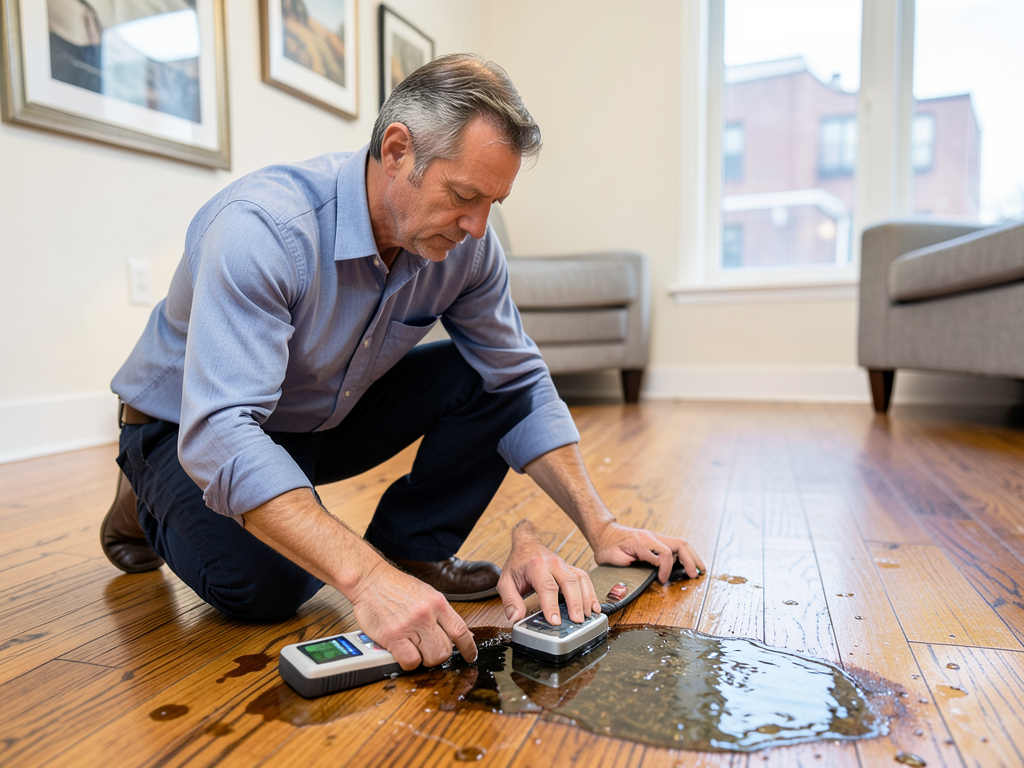
What to do if your large fish tank cracks and floods your Harrison West apartment
Discovering a cracked fish tank spilling 50 gallons of water across your Harrison West apartment floor triggers immediate panic. Every second matters when clean water soaks into hardwood, seeps under baseboards, and threatens your security deposit. This guide walks you through the exact steps to minimize damage while the water is still spreading. Professional water damage restoration for Short North shops and galleries.
Harrison West sits near the Olentangy River where older apartment buildings often feature hardwood floors over concrete subfloors. Water travels fast through seams and under walls. Quick action now prevents warped floors, mold growth, and costly repairs later. EPA mold prevention guidelines.
Emergency response checklist for aquarium leaks
Power down immediately. Unplug all aquarium equipment including heaters, filters, and lights. Water conducts electricity and creates shock hazards. Wear rubber-soled shoes during this step.
Save your fish first. Use a clean bucket or large container to transfer livestock. Keep filter media wet in a separate container to preserve beneficial bacteria. Most freshwater fish survive 24-48 hours in temporary housing if temperature stays stable.
Stop the water source. If the tank has a small crack, use silicone aquarium sealant as a temporary patch. For larger breaks, drain remaining water with a siphon into buckets. Place towels around the base to contain spreading water.
Extract standing water immediately. Use a wet vacuum if available. For apartments without one, use multiple towels and mops. Wring towels into buckets rather than pouring water down drains to avoid clogs.
Document everything for insurance. Take photos of the cracked tank, water spread, and any damaged flooring or baseboards. This documentation speeds up claims processing with your renter’s insurance.
Common causes of aquarium failure
Sealant degradation ranks as the primary cause of tank failure. Silicone breaks down from UV exposure, temperature fluctuations, and age. A five-year-old tank shows visible yellowing at seams before catastrophic failure.
Uneven stands create stress points. Aquarium glass requires perfectly level support. A 1/8-inch tilt over a 75-gallon tank generates enough pressure to crack seams over time.
Thermal shock damages glass suddenly. Pouring cold water into a warm tank or placing a cold object against heated glass causes microfractures that expand under pressure.
Overfilling stresses tank walls. Water level above the manufacturer’s maximum mark increases outward pressure on seams and glass panels.
Moving a full tank guarantees failure. Water weight shifts during transport, creating impact forces that shatter seals and glass.
Hidden dangers of aquarium spills
Freshwater leaks pose different risks than saltwater spills. Salt residue attracts moisture and accelerates corrosion on metal surfaces. Saltwater also conducts electricity better, increasing shock hazards.
Water seeps into floor joists through tiny gaps. In Harrison West apartments, water travels along concrete slab seams and wicks into hardwood flooring within minutes.
Baseboard gaps allow water to spread behind walls. Water behind drywall creates perfect conditions for mold growth within 24-48 hours in Columbus’s humid climate.
Electrical outlets near floor level become hazardous when submerged. Water inside outlet boxes requires immediate professional inspection before restoring power.
Floor adhesives break down when saturated. Water dissolves the glue holding hardwood strips to concrete, causing buckling and permanent warping.
Professional drying process for aquarium damage
Moisture mapping identifies all affected areas. Technicians use penetrating moisture meters to test subfloor moisture content. Readings above 15% indicate active drying needs.
Water extraction removes bulk moisture first. Truck-mounted extractors remove up to 95% of standing water in minutes. This step prevents further migration into walls and flooring.
Structural drying targets hidden moisture. High-velocity air movers create airflow across wet surfaces, accelerating evaporation. LGR dehumidifiers remove moisture from the air at 3-4 times the rate of standard units.
Antimicrobial treatment prevents mold growth. EPA-registered antimicrobials inhibit mold spore germination for up to 90 days. This step proves critical in Harrison West’s high-humidity environment.
Daily monitoring ensures complete drying. Technicians track moisture readings in walls, floors, and air until all materials reach normal moisture content levels.
Odor neutralization addresses lingering smells. Activated carbon filters remove organic compounds that cause musty odors after water damage.
Insurance claims for aquarium leaks
Most renter’s insurance policies cover sudden and accidental water discharge. Aquarium leaks typically qualify as covered events, but gradual leaks from equipment failure may not.
Document the incident thoroughly. Photos, videos, and written descriptions of damage help adjusters assess claims quickly. Include receipts for any emergency repairs or professional services.
Notify your landlord immediately. Written notification creates a paper trail and may trigger their insurance coverage for structural damage to the building.
Keep damaged items for adjuster inspection. Do not discard the cracked tank, damaged flooring, or other affected materials until the insurance company approves disposal.
Understand your deductible. Most policies have $500-$1,000 deductibles for water damage claims. Professional drying services often cost less than deductibles, making DIY cleanup more economical. Frozen pipe cleanup and repair in Gahanna before the damage spreads.
Ask about Additional Living Expenses coverage. If damage makes your apartment uninhabitable, your policy may cover temporary housing costs.
Preventing future aquarium disasters
Install water alarms near your tank. Battery-powered sensors detect leaks and sound alarms before major damage occurs. Place units under stands and along nearby walls.
Use overflow trays under aquariums. Commercial trays catch small leaks and provide time to address problems before floor damage occurs.
Check seals regularly. Inspect silicone seams monthly for discoloration, cracking, or separation. Replace seals showing signs of deterioration before failure occurs.
Level your aquarium stand precisely. Use a bubble level to ensure the stand sits perfectly flat. Shim legs if necessary to eliminate tilt.
Avoid overfilling tanks. Fill to the manufacturer’s recommended level, typically one inch below the top frame.
Consider upgrading older tanks. Glass becomes brittle with age. Tanks over ten years old deserve replacement before seal failure occurs.
When to call professional restoration services
Call immediately if water spread exceeds 10 square feet. Large spills require commercial-grade equipment for proper extraction and drying.
Professional help becomes necessary when water contacts electrical systems. Submerged outlets, switches, or appliances create shock hazards requiring expert assessment.
Seek help if hardwood floors show cupping or buckling. Warped wood indicates moisture has penetrated subfloors, requiring specialized drying equipment.
Contact restoration experts when mold appears within 48 hours. Fast-growing mold colonies indicate moisture levels remain too high for DIY drying.
Professional services prove essential for saltwater spills. Salt residue requires specialized cleaning to prevent corrosion and lingering odors.
Restoration companies offer 24/7 emergency response. Fast action prevents secondary damage and reduces overall restoration costs. Rapid Response Flood Extraction.
Cost factors for aquarium water damage
Extraction costs depend on water volume. Small spills under 10 gallons cost $150-$300 to extract professionally. Large spills exceeding 50 gallons range from $400-$800.
Drying costs vary by material type. Hardwood floors require $2-$4 per square foot to dry properly. Carpeted areas cost $1-$2 per square foot.
Mold remediation adds significant costs. Early intervention costs $500-$1,500. Established mold colonies require $2,000-$6,000 for complete removal. Mold Remediation & Removal.
Structural repairs increase expenses. Replacing damaged drywall, baseboards, or flooring adds $1,500-$5,000 depending on extent.
Insurance coverage reduces out-of-pocket costs. Most policies cover 70-80% of restoration expenses after deductibles.
DIY versus professional costs favor DIY for small spills. Professional services make sense when damage exceeds DIY capabilities or insurance covers the expense.
Living with aquariums in apartments
Check your lease agreement first. Some landlords prohibit aquariums over certain sizes or require additional insurance coverage.
Consider tank location carefully. Place aquariums away from direct sunlight, heating vents, and high-traffic areas to reduce stress on glass and seals.
Communicate with neighbors. Large aquariums create humidity and potential leak risks that may concern adjacent units.
Maintain proper water chemistry. Balanced water reduces stress on tank materials and equipment, extending system lifespan.
Establish emergency contacts. Keep restoration company numbers handy for immediate response when leaks occur.
Regular maintenance prevents disasters. Weekly water changes, equipment checks, and seal inspections catch problems before catastrophic failure.
Understand your responsibilities. As a tenant, you bear responsibility for damage caused by your aquarium to personal property and building structures.. Read more about A property manager guide to handling tenant water damage in the Short North.
Frequently Asked Questions
How long before mold grows after an aquarium leak?
Mold begins growing within 24-48 hours in warm, humid conditions like Harrison West apartments. Fast action prevents mold establishment.
Can I save my hardwood floors after an aquarium flood?
Hardwood floors often recover if dried within 24-48 hours using proper equipment. Warped or cupped boards may require replacement if moisture remains too long.
Does renter’s insurance cover aquarium water damage?
Most policies cover sudden and accidental water discharge from aquariums. Gradual leaks or neglect-related damage typically fall outside coverage.
How much does professional water damage restoration cost?
Costs range from $150 for small spills to $5,000+ for extensive damage with mold remediation. Insurance often covers major incidents.
Should I turn off my aquarium electricity during a leak?
Always turn off power immediately when water contacts electrical equipment. Water conducts electricity and creates shock hazards.
Quick action saves your apartment and your fish
Large aquarium leaks create immediate emergencies requiring fast, systematic response. Every minute of delay increases damage and restoration costs. Harrison West apartments face unique challenges with hardwood floors and concrete subfloors that trap moisture.
Professional restoration services offer the equipment and expertise needed for complete drying. Their 24/7 availability means help arrives before secondary damage occurs. Insurance coverage often makes professional services the most economical choice for significant spills.
Don’t let a cracked tank destroy your apartment. Take immediate action, document everything, and call professionals when damage exceeds your DIY capabilities. Your fish, your security deposit, and your peace of mind depend on quick, proper response.
Pick up the phone and call (614) 707-7505 before the next storm hits. Our Columbus restoration experts stand ready to protect your Harrison West apartment from water damage. For more information, visit IICRC S500 water damage restoration standards.
You may also find this helpful. How to save your gaming setup or home server after a water leak in the University District.
{
“@context”: “https://schema.org”,
“@type”: “BlogPosting”,
“headline”: “What to do if your large fish tank cracks and floods your Harrison West apartment”,
“description”: “Act fast when your aquarium leaks in Harrison West. Learn emergency steps, drying methods, and when to call Columbus pros before mold spreads.”,
“wordCount”: 1652,
“datePublished”: “2026-05-23T09:44:00.000Z”,
“dateModified”: “2026-05-23T09:44:00.000Z”,
“inLanguage”: “en-US”,
“mainEntityOfPage”: {
“@type”: “WebPage”,
“@id”: “https://fivestarwaterdamagerestorationcolumbus.com”
},
“publisher”: {
“@type”: “LocalBusiness”,
“name”: “Five Star Water Damage Restoration Columbus”,
“url”: “https://fivestarwaterdamagerestorationcolumbus.com”
},
“author”: {
“@type”: “Organization”,
“name”: “Five Star Water Damage Restoration Columbus”,
“url”: “https://fivestarwaterdamagerestorationcolumbus.com”
},
“image”: {
“@type”: “ImageObject”,
“url”: “https://fivestarwaterdamagerestorationcolumbus.com/wp-content/uploads/2026/03/what-to-do-if-your-large-fish-tank-cracks-and-floo-1.png”
}
}
{
“@context”: “https://schema.org”,
“@type”: “LocalBusiness”,
“name”: “Five Star Water Damage Restoration Columbus”,
“url”: “https://fivestarwaterdamagerestorationcolumbus.com”,
“address”: {
“@type”: “PostalAddress”,
“addressLocality”: “Columbus”
},
“areaServed”: {
“@type”: “City”,
“name”: “Columbus”
}
}
{
“@context”: “https://schema.org”,
“@type”: “FAQPage”,
“mainEntity”: [
{
“@type”: “Question”,
“name”: “How long before mold grows after an aquarium leak?”,
“acceptedAnswer”: {
“@type”: “Answer”,
“text”: “Mold begins growing within 24-48 hours in warm, humid conditions like Harrison West apartments. Fast action prevents mold establishment.”
}
},
{
“@type”: “Question”,
“name”: “Can I save my hardwood floors after an aquarium flood?”,
“acceptedAnswer”: {
“@type”: “Answer”,
“text”: “Hardwood floors often recover if dried within 24-48 hours using proper equipment. Warped or cupped boards may require replacement if moisture remains too long.”
}
},
{
“@type”: “Question”,
“name”: “Does renter’s insurance cover aquarium water damage?”,
“acceptedAnswer”: {
“@type”: “Answer”,
“text”: “Most policies cover sudden and accidental water discharge from aquariums. Gradual leaks or neglect-related damage typically fall outside coverage.”
}
},
{
“@type”: “Question”,
“name”: “How much does professional water damage restoration cost?”,
“acceptedAnswer”: {
“@type”: “Answer”,
“text”: “Costs range from $150 for small spills to $5,000+ for extensive damage with mold remediation. Insurance often covers major incidents.”
}
},
{
“@type”: “Question”,
“name”: “Should I turn off my aquarium electricity during a leak?”,
“acceptedAnswer”: {
“@type”: “Answer”,
“text”: “Always turn off power immediately when water contacts electrical equipment. Water conducts electricity and creates shock hazards.”
}
}
]
}
{
“@context”: “https://schema.org”,
“@type”: “BreadcrumbList”,
“itemListElement”: [
{
“@type”: “ListItem”,
“position”: 1,
“name”: “Home”,
“item”: “https://fivestarwaterdamagerestorationcolumbus.com”
},
{
“@type”: “ListItem”,
“position”: 2,
“name”: “Blog”,
“item”: “https://fivestarwaterdamagerestorationcolumbus.com/blog”
},
{
“@type”: “ListItem”,
“position”: 3,
“name”: “What to do if your large fish tank cracks and floods your Harrison West apartment”
}
]
}
{
“@context”: “https://schema.org”,
“@type”: “Service”,
“serviceType”: “Water Damage Restoration”,
“provider”: {
“@type”: “LocalBusiness”,
“name”: “Five Star Water Damage Restoration Columbus”,
“url”: “https://fivestarwaterdamagerestorationcolumbus.com”
},
“areaServed”: {
“@type”: “City”,
“name”: “Columbus”
},
“description”: “Act fast when your aquarium leaks in Harrison West. Learn emergency steps, drying methods, and when to call Columbus pros before mold spreads.”
}