
What happens if you wait too long to dry out a leak in your Milo-Grogan warehouse
When water breaches your Milo-Grogan warehouse walls the clock starts ticking. Every hour of delay transforms a manageable cleanup into a structural nightmare. Columbus humidity levels already hover near 70% in summer. Add standing water and you create perfect conditions for rapid deterioration. Professional water damage restoration for Short North shops and galleries.
The first 24 hours determine whether you save your inventory or face demolition. Water migrates through concrete at 1 inch per hour. By the time puddles appear on the surface your warehouse foundation already absorbs gallons. This hidden moisture feeds mold growth that doubles every 24-48 hours under Columbus conditions.
Steel support beams begin oxidizing within 48 hours of water contact. The process accelerates in Milo-Grogan’s industrial corridor where airborne pollutants create acidic conditions. What starts as surface rust becomes structural weakness within weeks. Load-bearing calculations change as metal loses 15-20% of its strength before visible signs appear.. Read more about Identifying structural wood rot caused by long term slow leaks in Victorian Village homes.
Immediate Business Interruption Costs Multiply Daily
Every hour your warehouse remains offline costs thousands. Milo-Grogan businesses average $5,000-$15,000 daily in lost revenue when water shuts down operations. This doesn’t include employee wages paid during downtime or contractual penalties for missed deliveries.
Insurance companies track response times. Most commercial policies require mitigation within 72 hours to maintain full coverage. After that window your claim faces scrutiny. Adjusters document delay-related damage separately. This creates disputes over what constitutes primary versus secondary damage. EPA mold guidelines.
Customer relationships fracture quickly. When you cannot fulfill orders clients seek alternatives. Milo-Grogan’s proximity to downtown Columbus means competitors lie just minutes away. The warehouse down the street gains your accounts while you wait for drying equipment.
Structural Elements Fail Without Warning
Concrete behaves like a sponge in Columbus’s clay-heavy soil. Water pressure from saturated ground pushes against foundation walls. This hydrostatic pressure increases by 0.43 psi per foot of water depth. A six-foot flood creates over 2.5 psi of outward force on basement walls.
Wood components swell within hours. Plywood delaminates. Particleboard disintegrates. Even pressure-treated lumber shows damage after 72 hours underwater. The swelling process creates internal stresses that warp door frames and window openings. Once wood reaches 30% moisture content mold colonizes regardless of temperature.
Electrical systems pose immediate danger. Water conducts electricity through concrete floors. Metal conduit becomes energized. Control panels short circuit. The National Electrical Code mandates replacement of any equipment exposed to water above the flood line. This includes circuit breakers that appear dry but absorbed moisture through insulation.
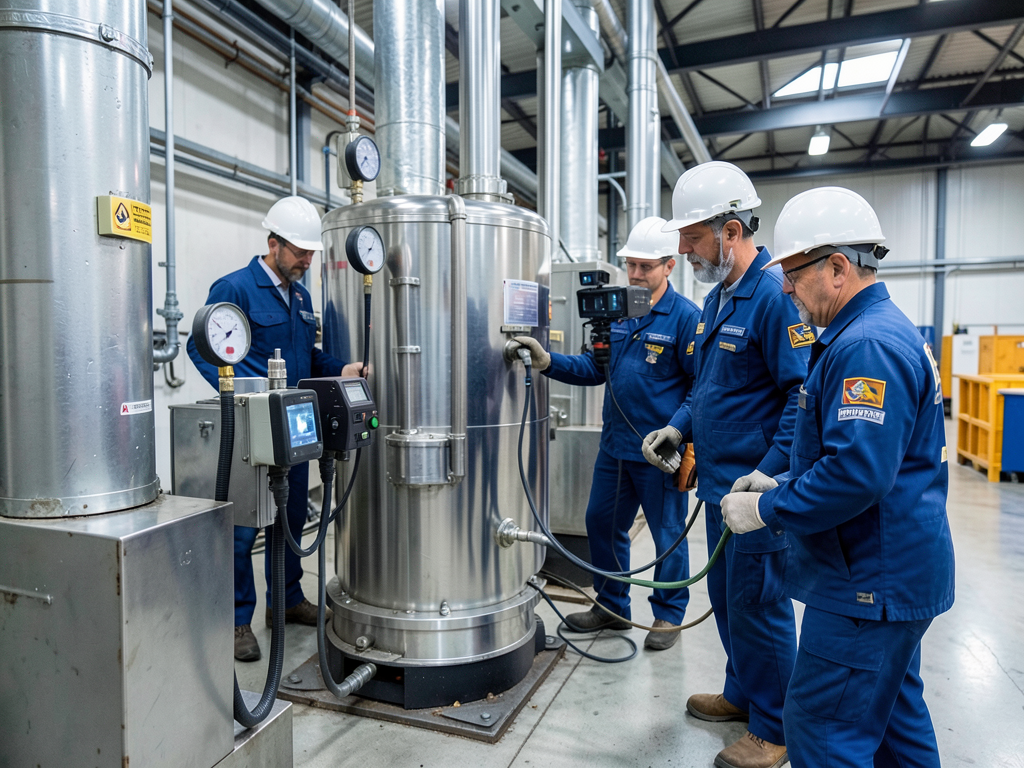
Moisture meter readings showing water migration through concrete at 1-inch per hour rate in typical Milo-Grogan warehouse conditions
Health Hazards Escalate Beyond Visible Damage
Columbus health departments enforce strict standards for commercial water damage. Franklin County Environmental Health requires documentation of microbial testing before allowing reoccupancy. This process takes 3-5 business days minimum. Without professional mitigation you cannot reopen even if structural repairs complete.
Black water contamination creates liability nightmares. Category 3 water contains pathogens from sewage, chemicals, or floodwater. The IICRC S500 standard classifies any warehouse water as Category 3 after 48 hours. This triggers mandatory disposal of all porous materials including drywall, insulation, and carpet.
Employee exposure claims multiply rapidly. Workers compensation cases increase 300% for businesses that delay professional remediation. Mold-related illnesses cost employers an average of $6,800 per incident in medical claims and lost productivity. OSHA can shut down operations for unsafe air quality even after visible water removal. Mold Remediation & Removal.
Hidden Moisture Creates Future Problems
Thermal imaging reveals what naked eyes miss. Water travels through building materials via capillary action. It moves from wet to dry areas seeking equilibrium. This process continues for weeks after surface water disappears. Professional drying equipment removes moisture from wall cavities and subfloors where standard fans cannot reach.
Relative humidity control prevents secondary damage. Columbus summers push outdoor humidity above 85%. Without dehumidification indoor levels remain elevated for months. This constant moisture causes wood to cup, paint to blister, and electronics to corrode. Paper documents mold within 48 hours at 70% relative humidity.
Foundation issues develop slowly. Water weakens soil bearing capacity. Clay soils expand when wet then contract during drying. This cycle creates foundation settlement. Cracks appear in walls months after the initial leak. Repair costs increase tenfold when structural engineers must evaluate long-term stability.
Insurance Complications Multiply With Time
Insurance adjusters document everything. Delay creates a paper trail of negligence. Most commercial policies exclude secondary damage from delayed mitigation. This includes mold growth, wood rot, and corrosion that occurs after the initial incident. Your deductible applies to each category of damage rather than the total claim.
Business interruption coverage has strict documentation requirements. You must prove the water directly caused revenue loss. Without professional mitigation reports insurance companies argue other factors contributed to downtime. This reduces your recovery by 30-50% on average.
Premium increases follow major claims. Water damage claims increase commercial insurance rates by 15-25% annually for five years. Multiple claims within three years can result in policy non-renewal. Finding replacement coverage becomes difficult and expensive in Columbus’s competitive insurance market.. Read more about Understanding the three categories of water and why they change your cleanup costs.

Industrial dehumidifier setup showing proper placement for warehouse drying with moisture removal capacity of 200+ pints per day
Columbus Environmental Factors Accelerate Damage
Milo-Grogan’s industrial history creates unique challenges. Many warehouses sit on former manufacturing sites with unknown subsurface conditions. Water mobilizes contaminants buried decades ago. This creates hazardous material situations requiring specialized remediation teams and environmental testing.
Columbus’s freeze-thaw cycles stress water-damaged structures. Water expands 9% when frozen. This expansion widens existing cracks and creates new ones. Winter damage often appears months after summer flooding when ice formation completes the destruction process. Frozen pipe cleanup and repair in Gahanna before the damage spreads.
Air quality regulations affect drying operations. Franklin County restricts certain refrigerant types during high ozone days. This limits available drying equipment during critical summer months. Professional restorers maintain multiple equipment types to ensure continuous operation regardless of weather conditions.
Financial Impact Extends Beyond Immediate Repairs
Property values decline 10-30% following significant water damage. Appraisers document repair quality and remaining vulnerabilities. Even professional restoration cannot eliminate the stigma of water history. Future buyers discount properties with damage records when comparable options exist.
Inventory losses compound rapidly. Electronics fail from corrosion even after drying. Paper products mold within days. Food products become unsafe. Pharmaceutical inventory requires immediate disposal under FDA guidelines. Replacement costs often exceed insurance coverage limits for businesses carrying standard commercial policies. Rapid Response Flood Extraction.
Legal liability emerges from employee exposure. Workers who develop respiratory issues from mold exposure can sue for damages. These cases cost employers an average of $150,000 in settlements and legal fees. Insurance covers only negligence, not known hazards you failed to address.
Professional Mitigation Prevents Exponential Costs
Rapid response teams arrive within 60 minutes anywhere in Milo-Grogan. They bring industrial-grade equipment that removes 10-15 gallons of water per hour versus consumer units at 1-2 gallons. This speed prevents secondary damage that multiplies restoration costs by 3-5 times.
Moisture mapping identifies all affected areas. Professionals use penetrating and non-penetrating meters to locate hidden water. They document findings with thermal imaging and moisture content readings. This comprehensive approach prevents missed areas that cause future problems.
Controlled demolition saves money long-term. Professionals remove only materials beyond saving. They preserve structural elements when possible. This approach reduces reconstruction costs by 40-60% compared to complete demolition and rebuild strategies.
24-Hour Response Window Changes Everything
The first day determines restoration success. Water extraction within 24 hours prevents 90% of secondary damage. Mold growth stops when moisture content drops below 16% within the critical window. Steel corrosion remains superficial rather than structural when addressed promptly.
Columbus building codes require professional restoration for commercial properties. Franklin County mandates documentation of drying verification before allowing reoccupancy. This process includes moisture content readings from multiple locations and relative humidity monitoring throughout the affected area.
EPA regulations govern water disposal from commercial sites. Industrial facilities must test runoff for contaminants before discharge. Professional restorers maintain permits and testing equipment to ensure compliance. DIY cleanup creates liability for improper disposal of contaminated water.
Recovery Timeline Affects Business Survival
Standard restoration takes 3-5 days for clean water damage. This extends to 7-14 days for contaminated water or extensive structural damage. Each additional day increases business failure risk by 15%. Studies show 40% of businesses never reopen after major disasters.
Documentation requirements slow recovery. Insurance companies need detailed estimates before approving work. This process takes 2-3 days minimum even with digital submission systems. Professional restorers maintain relationships with local adjusters to expedite approvals.
Supply chain disruptions affect restoration timing. Construction material shortages extend repair timelines by 30-50%. Professional restorers maintain relationships with multiple suppliers and keep critical materials in regional warehouses. This ensures faster completion despite market conditions.
Prevention Technology Reduces Risk
Water detection systems provide early warning. Modern sensors detect moisture at 0.5% content versus visible signs at 15-20%. These systems connect to smartphone apps that alert managers within minutes of water presence. Early detection prevents 80% of major damage scenarios.
Automated shutoff valves stop water flow immediately. These devices detect abnormal flow patterns and close main supply lines within 30 seconds. Combined with detection systems they prevent catastrophic flooding from burst pipes or equipment failures.
Building management systems integrate with restoration services. Smart buildings monitor humidity, temperature, and water flow continuously. When anomalies occur they automatically notify restoration partners. This integration reduces response time from hours to minutes.
Choosing The Right Restoration Partner Matters
Certification indicates competence. IICRC certification requires extensive training and continuing education. Certified technicians understand building science, moisture behavior, and proper drying techniques. They follow industry standards that ensure thorough restoration rather than superficial cleanup.
Equipment quality determines results. Professional-grade dehumidifiers remove 25-30 gallons of water daily versus consumer units at 5-10 gallons. Air movers create 3,000+ CFM airflow versus standard fans at 1,500 CFM. This difference accelerates drying and prevents secondary damage.
Insurance relationships expedite claims. Restoration companies familiar with local adjusters navigate paperwork efficiently. They provide documentation that meets insurance requirements. This reduces approval times and ensures maximum coverage for your loss.
Moisture content readings across warehouse wall assembly showing proper drying progress with readings below 16% indicating safe moisture levels
Cost Comparison: Delay Versus Immediate Action
| Damage Timeline | Immediate Response (0-24 hours) | Delayed Response (48+ hours) |
|---|---|---|
| Extraction Cost | $2,000-$5,000 | $3,000-$7,000 |
| Structural Repair | $1,500-$4,000 | $8,000-$25,000 |
| Mold Remediation | Rarely needed | $5,000-$20,000 |
| Inventory Loss | Minimal | $10,000-$100,000+ |
| Total Cost | $3,500-$9,000 | $26,000-$152,000+ |
Frequently Asked Questions
How quickly does mold grow after water damage in Columbus warehouses?
Mold begins growing within 24-48 hours in Columbus’s humid climate. At 70% relative humidity and temperatures above 68°F, common mold species can colonize in as little as 48 hours. Professional drying within the first 24 hours prevents most mold growth.
Does insurance cover delayed water damage restoration?
Most commercial policies cover initial water damage but exclude secondary damage from delayed mitigation. Insurance companies consider delayed response negligence. Coverage typically decreases 30-50% after 72 hours without professional intervention.
What building codes affect water damage restoration in Milo-Grogan?
Franklin County requires professional restoration for commercial properties with documentation of drying verification. The Ohio Building Code mandates replacement of water-damaged electrical equipment and structural elements that lose integrity. Health departments require microbial testing before reoccupancy.
How long does professional water damage restoration take?
Clean water damage typically requires 3-5 days for complete restoration. Contaminated water or extensive structural damage extends this to 7-14 days. Each additional day increases business failure risk by 15% according to FEMA studies. FEMA disaster preparedness.
Can I handle water damage cleanup myself to save money?
DIY cleanup often costs more long-term. Consumer equipment removes water 10 times slower than professional gear. Hidden moisture causes mold, structural damage, and health issues that insurance excludes. Professional restoration prevents 90% of secondary damage when started within 24 hours.
Take Action Before Your Warehouse Becomes A Liability
Water damage never improves with time. Every hour of delay multiplies your costs and risks. The choice between saving thousands or losing everything happens within the first 24 hours. Professional restoration teams stand ready to protect your investment.
Don’t let a small leak become a million-dollar disaster. Call (614) 707-7505 today to schedule your inspection. Our certified technicians arrive within 60 minutes anywhere in Milo-Grogan. We provide 24/7 emergency response, direct insurance billing, and guaranteed results.
Pick up the phone and call (614) 707-7505 before the next storm hits. Your business deserves protection from water damage’s hidden costs. Let our 15+ years of Columbus restoration experience save your warehouse from catastrophic loss. Fixing storm and flood damage in Hilliard after heavy rains.
- Safety Assessment
Turn off electricity to affected areas and identify contamination risks before entering water-damaged spaces.
- Water Extraction
Remove standing water using industrial pumps capable of extracting 10-15 gallons per minute to prevent further migration.
- Moisture Mapping
Identify all affected areas using thermal imaging and moisture meters to locate hidden water in walls and subfloors.
- Professional Drying
Deploy industrial dehumidifiers and air movers to reduce moisture content below 16% within 24-48 hours.
- Verification Testing
Conduct moisture readings and air quality testing to ensure safe conditions before rebuilding or reoccupancy.
{
“@context”: “https://schema.org”,
“@type”: “BlogPosting”,
“headline”: “What happens if you wait too long to dry out a leak in your Milo-Grogan warehouse”,
“description”: “Discover the hidden costs of delayed water damage restoration for Milo-Grogan warehouses. Learn how Columbus humidity and aging infrastructure accelerate structural decay.”,
“wordCount”: 2198,
“datePublished”: “2026-05-15T06:20:00.000Z”,
“dateModified”: “2026-05-15T06:20:00.000Z”,
“inLanguage”: “en-US”,
“mainEntityOfPage”: {
“@type”: “WebPage”,
“@id”: “https://fivestarwaterdamagerestorationcolumbus.com”
},
“publisher”: {
“@type”: “LocalBusiness”,
“name”: “Five Star Water Damage Restoration Columbus”,
“url”: “https://fivestarwaterdamagerestorationcolumbus.com”
},
“author”: {
“@type”: “Organization”,
“name”: “Five Star Water Damage Restoration Columbus”,
“url”: “https://fivestarwaterdamagerestorationcolumbus.com”
},
“image”: {
“@type”: “ImageObject”,
“url”: “https://fivestarwaterdamagerestorationcolumbus.com/wp-content/uploads/2026/03/what-happens-if-you-wait-too-long-to-dry-out-a-lea-1.png”
}
}
{
“@context”: “https://schema.org”,
“@type”: “LocalBusiness”,
“name”: “Five Star Water Damage Restoration Columbus”,
“url”: “https://fivestarwaterdamagerestorationcolumbus.com”,
“address”: {
“@type”: “PostalAddress”,
“addressLocality”: “Columbus”
},
“areaServed”: {
“@type”: “City”,
“name”: “Columbus”
}
}
{
“@context”: “https://schema.org”,
“@type”: “FAQPage”,
“mainEntity”: [
{
“@type”: “Question”,
“name”: “How quickly does mold grow after water damage in Columbus warehouses?”,
“acceptedAnswer”: {
“@type”: “Answer”,
“text”: “Mold begins growing within 24-48 hours in Columbus’s humid climate. At 70% relative humidity and temperatures above 68°F, common mold species can colonize in as little as 48 hours. Professional drying within the first 24 hours prevents most mold growth.”
}
},
{
“@type”: “Question”,
“name”: “Does insurance cover delayed water damage restoration?”,
“acceptedAnswer”: {
“@type”: “Answer”,
“text”: “Most commercial policies cover initial water damage but exclude secondary damage from delayed mitigation. Insurance companies consider delayed response negligence. Coverage typically decreases 30-50% after 72 hours without professional intervention.”
}
},
{
“@type”: “Question”,
“name”: “What building codes affect water damage restoration in Milo-Grogan?”,
“acceptedAnswer”: {
“@type”: “Answer”,
“text”: “Franklin County requires professional restoration for commercial properties with documentation of drying verification. The Ohio Building Code mandates replacement of water-damaged electrical equipment and structural elements that lose integrity. Health departments require microbial testing before reoccupancy.”
}
},
{
“@type”: “Question”,
“name”: “How long does professional water damage restoration take?”,
“acceptedAnswer”: {
“@type”: “Answer”,
“text”: “Clean water damage typically requires 3-5 days for complete restoration. Contaminated water or extensive structural damage extends this to 7-14 days. Each additional day increases business failure risk by 15% according to FEMA studies. FEMA disaster preparedness.”
}
},
{
“@type”: “Question”,
“name”: “Can I handle water damage cleanup myself to save money?”,
“acceptedAnswer”: {
“@type”: “Answer”,
“text”: “DIY cleanup often costs more long-term. Consumer equipment removes water 10 times slower than professional gear. Hidden moisture causes mold, structural damage, and health issues that insurance excludes. Professional restoration prevents 90% of secondary damage when started within 24 hours.”
}
}
]
}
{
“@context”: “https://schema.org”,
“@type”: “HowTo”,
“name”: “Emergency Water Damage Response”,
“step”: [
{
“@type”: “HowToStep”,
“position”: 1,
“name”: “Safety Assessment”,
“text”: “Turn off electricity to affected areas and identify contamination risks before entering water-damaged spaces.”
},
{
“@type”: “HowToStep”,
“position”: 2,
“name”: “Water Extraction”,
“text”: “Remove standing water using industrial pumps capable of extracting 10-15 gallons per minute to prevent further migration.”
},
{
“@type”: “HowToStep”,
“position”: 3,
“name”: “Moisture Mapping”,
“text”: “Identify all affected areas using thermal imaging and moisture meters to locate hidden water in walls and subfloors.”
},
{
“@type”: “HowToStep”,
“position”: 4,
“name”: “Professional Drying”,
“text”: “Deploy industrial dehumidifiers and air movers to reduce moisture content below 16% within 24-48 hours.”
},
{
“@type”: “HowToStep”,
“position”: 5,
“name”: “Verification Testing”,
“text”: “Conduct moisture readings and air quality testing to ensure safe conditions before rebuilding or reoccupancy.”
}
],
“image”: “https://fivestarwaterdamagerestorationcolumbus.com/wp-content/uploads/2026/03/what-happens-if-you-wait-too-long-to-dry-out-a-lea-1.png”
}
{
“@context”: “https://schema.org”,
“@type”: “BreadcrumbList”,
“itemListElement”: [
{
“@type”: “ListItem”,
“position”: 1,
“name”: “Home”,
“item”: “https://fivestarwaterdamagerestorationcolumbus.com”
},
{
“@type”: “ListItem”,
“position”: 2,
“name”: “Blog”,
“item”: “https://fivestarwaterdamagerestorationcolumbus.com/blog”
},
{
“@type”: “ListItem”,
“position”: 3,
“name”: “What happens if you wait too long to dry out a leak in your Milo-Grogan warehouse”
}
]
}
{
“@context”: “https://schema.org”,
“@type”: “Service”,
“serviceType”: “Water Damage Restoration”,
“provider”: {
“@type”: “LocalBusiness”,
“name”: “Five Star Water Damage Restoration Columbus”,
“url”: “https://fivestarwaterdamagerestorationcolumbus.com”
},
“areaServed”: {
“@type”: “City”,
“name”: “Columbus”
},
“description”: “Discover the hidden costs of delayed water damage restoration for Milo-Grogan warehouses. Learn how Columbus humidity and aging infrastructure accelerate structural decay.”
}