
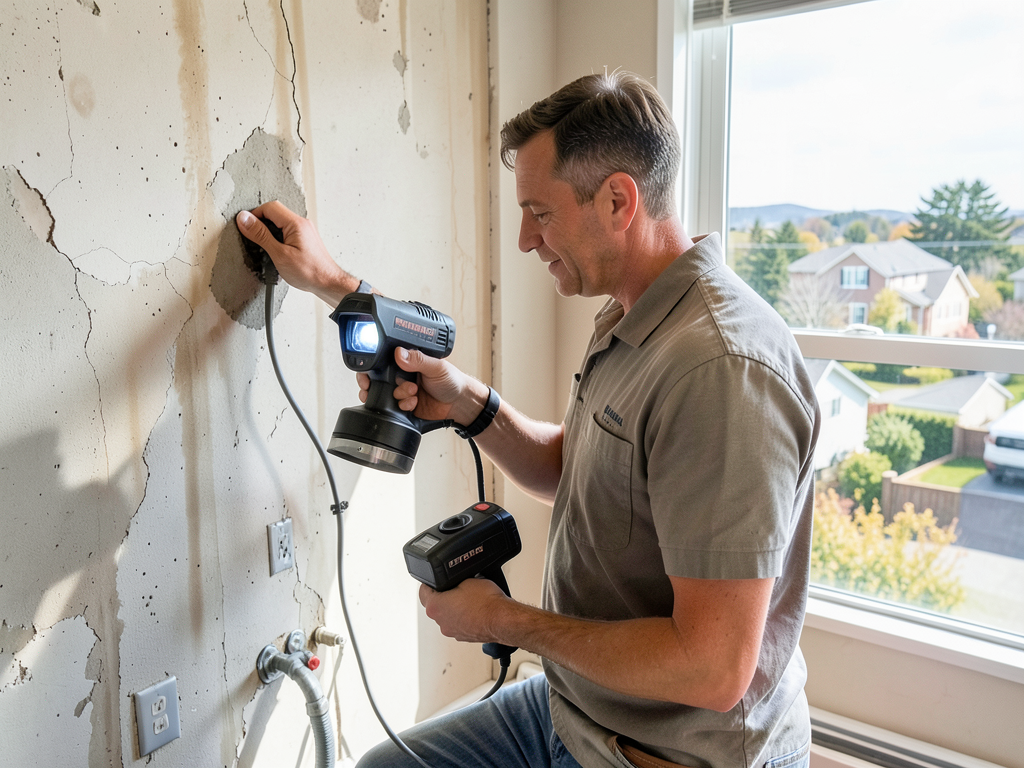
A homeowner guide to managing aging pipe leaks in the Hilltop and Linden areas
Older homes in Columbus’s Hilltop and Linden neighborhoods face a unique plumbing challenge. Many properties built before 1970 contain galvanized steel pipes that corrode from the inside out. These aging pipes can fail without warning flooding basements and damaging irreplaceable woodwork. When a pipe bursts the first 24 hours determine whether you save your floors or face extensive reconstruction.
Water damage from aging pipes follows a predictable pattern. A small leak develops where corrosion has weakened the pipe wall. Pressure fluctuations cause the pinhole to expand. Water seeps into wall cavities saturating insulation and drywall. Within 48 hours mold begins growing in the dark moist environment. The damage spreads upward through capillary action affecting multiple floors in older multi-level homes. Professional water damage restoration for Short North shops and galleries.
Hilltop and Linden homes share common vulnerabilities. Many sit on clay soil that shifts with moisture changes stressing buried supply lines. The neighborhoods’ combined sewer systems can back up during heavy rain forcing sewage into cracked pipes. Winter freeze-thaw cycles create pressure points where pipes enter foundations. These factors accelerate pipe degradation beyond what manufacturers anticipated.
Galvanized steel pipes last 40-50 years in ideal conditions. Most Hilltop and Linden homes exceed this age. Copper pipes common in 1960s-70s construction develop pinhole leaks from electrolysis. Polybutylene pipes used in some 1980s homes become brittle and fail catastrophically. Each material requires different detection methods and repair approaches.
Water damage restoration requires more than drying carpets. Professional mitigation follows IICRC S500 standards for water damage restoration. This industry standard mandates specific drying times moisture content levels and antimicrobial treatments. Skipping steps leads to hidden mold growth and structural weakening. Insurance companies reference these standards when approving claims. IICRC S500 standards.
Emergency response makes the difference between salvage and replacement. Within the first hour shut off the main water valve. Document damage with photos before cleanup begins. Remove standing water with a wet vacuum or mop. Elevate furniture on blocks. These steps prevent secondary damage while waiting for professional help. Frozen pipe cleanup and repair in Gahanna before the damage spreads.
Professional restoration involves five critical phases. First water extraction removes bulk moisture from surfaces. Second demolition removes unsalvageable materials like soaked drywall and insulation. Third drying uses commercial air movers and dehumidifiers to reach moisture content below 16%. Fourth cleaning applies antimicrobial agents to prevent mold. Fifth reconstruction rebuilds damaged structures to code.
Columbus building codes require specific materials for pipe replacement. Ohio Plumbing Code Section 4101.2 mandates copper PEX or CPVC for residential supply lines. Galvanized steel cannot be used for new installations. These materials resist corrosion and handle pressure fluctuations better than older metals. Professional plumbers must pull permits for whole-house repiping. Ohio Plumbing Code Section 4101.2.
Common signs of hidden pipe leaks in older Columbus homes
Water damage often hides behind walls before homeowners notice. A sudden increase in your Columbus water bill suggests a hidden leak. Water meters continue spinning when all fixtures are off. Moldy odors in specific rooms indicate moisture accumulation. Bubbling paint or wallpaper reveals water trapped between surfaces.
Floor damage provides visual clues. Cupping occurs when floorboards absorb moisture and expand unevenly. This creates a wavy surface that feels unstable underfoot. Buckling happens when expansion forces boards to separate from the subfloor. Both conditions require professional drying before repairs begin.
Emergency steps before professional help arrives
Time matters when pipes fail. Every minute of water flow increases damage. Locate your main shut-off valve before emergencies occur. In Hilltop and Linden homes these often sit in basements near the front foundation wall. Turn the valve clockwise until it stops. Open faucets to drain remaining water from pipes.
Document everything for insurance purposes. Take photos of the leak source water spread and damaged items. Keep receipts for emergency supplies like fans or dehumidifiers. Most homeowners insurance covers sudden pipe failures but not gradual leaks from neglect. The distinction affects claim approval.
Safety comes first. Do not enter rooms with standing water if electrical outlets are submerged. Water conducts electricity and creates shock hazards. Turn off circuit breakers serving affected areas. Remove valuable items from water’s path. Elevate electronics and documents above potential flood levels.
Quick drying prevents mold growth. Set up fans to circulate air across wet surfaces. Open windows if outdoor humidity is low. Run air conditioning to remove moisture from indoor air. These steps buy time but cannot replace professional equipment that measures moisture in wall cavities.
Professional moisture meters detect hidden water. Non-invasive meters use radio frequencies to scan through surfaces without damage. Invasive meters use pins to measure moisture content at specific depths. Readings above 16% indicate active drying needs. These tools guide the restoration process and verify when materials are dry enough for reconstruction.
Professional restoration process for aging pipe damage
Water damage restoration follows systematic protocols. The process begins with assessment using thermal imaging cameras. These devices detect temperature differences caused by moisture behind walls. Cold spots indicate water presence even when surfaces appear dry. This technology prevents unnecessary demolition and ensures complete drying.
Water extraction uses specialized equipment. Truck-mounted units provide stronger suction than portable machines. Weighted extraction tools compress carpets while removing water increasing efficiency. Hard surface extraction uses squeegee attachments to direct water toward drains. Complete extraction reduces drying time by 50%.
Drying strategies vary by material. Hardwood floors require specialized drying mats that apply suction to the surface while forcing dry air underneath. This prevents warping and cupping. Wall cavities need small holes drilled near the base to insert drying tubes. This directs air to moisture pockets that fans cannot reach.
Antimicrobial treatments prevent mold growth. EPA-registered products kill existing mold and prevent new growth for up to six months. Application methods include fogging for large areas and direct spraying for spot treatments. These treatments are safe for occupied spaces when properly applied.
Reconstruction must address underlying causes. Simply replacing damaged materials invites repeat failures. Professional restoration includes plumbing inspections to identify all compromised pipes. Replacement with modern materials prevents future leaks. This comprehensive approach saves money compared to repeated emergency responses. Rapid Response Flood Extraction.
Insurance considerations for aging pipe failures
Insurance coverage depends on leak classification. Sudden pipe bursts from normal wear receive coverage. Gradual leaks from corrosion often get denied as maintenance issues. The distinction matters for claim approval. Insurance companies look for evidence of sudden failure versus long-term neglect.
Documentation strengthens claims. Keep maintenance records showing regular plumbing inspections. Photos of the failed pipe before repairs prove the failure cause. Professional assessments from restoration companies provide third-party verification. These documents support coverage requests and speed claim processing.
Additional living expenses may apply. If damage forces temporary relocation insurance covers hotel costs and meals. This coverage typically lasts until repairs complete or a specified time limit expires. Keep all receipts for reimbursement claims. Hotel & Hospitality Flood Cleanup.
Professional restoration companies assist with claims. They document damage extent provide repair estimates and communicate with adjusters. This expertise ensures accurate claim filing and prevents underpayment. Many companies offer direct insurance billing to simplify the process.
Preventing future pipe failures in older homes
Preventive maintenance extends pipe life. Annual plumbing inspections identify corrosion pressure issues and weak joints before failures occur. Professional plumbers use video inspection cameras to examine pipe interiors without demolition. This technology reveals scale buildup cracks and joint separation.
Water pressure management prevents stress failures. Municipal water pressure in Columbus averages 60-80 psi. Pressures above 80 psi strain old pipes and fixtures. Pressure-reducing valves installed at the main supply line maintain safe levels. These devices also absorb pressure surges from municipal supply fluctuations.
Water quality affects pipe longevity. Hard water creates mineral scale inside pipes reducing flow and increasing corrosion risk. Water softeners remove minerals that cause scaling. This treatment extends pipe life by 5-10 years in areas with hard water.
Temperature management prevents freeze damage. Insulate pipes in unheated areas like basements crawl spaces and exterior walls. Heat tape provides active warming for extreme cold periods. These measures prevent the most common cause of pipe failures in Ohio winters.
Professional repiping offers permanent solutions. Whole-house repiping replaces all old pipes with modern materials. This eliminates the risk of future failures in replaced sections. The investment pays for itself through avoided emergency repairs and water damage restoration costs.
Choosing the right restoration company
Certification matters in water damage restoration. IICRC certification ensures technicians follow industry standards. Companies without certification may skip critical steps leading to incomplete drying and mold growth. Ask for proof of certification before hiring.
Experience with older homes provides advantages. Historic Columbus homes require specialized knowledge of lath and plaster walls hardwood floors and original woodwork. Inexperienced companies may damage these features during restoration. Choose contractors familiar with vintage construction methods.
Equipment quality affects results. Professional-grade dehumidifiers remove more moisture per hour than consumer models. Industrial air movers create airflow patterns that reach hidden spaces. Thermal imaging cameras detect moisture that visual inspection misses. These tools ensure complete restoration.
Insurance experience simplifies claims. Restoration companies familiar with Columbus insurance providers understand coverage limitations and documentation requirements. They prepare damage assessments that insurance adjusters accept without question. This expertise prevents claim delays and denials.
Emergency availability prevents secondary damage. Water damage worsens by the hour. Companies offering 24/7 response minimize destruction and restoration costs. Fast response also reduces mold growth risk and structural weakening.
Local building codes and restoration standards
Columbus building codes govern restoration work. Ohio Building Code Chapter 25 covers plumbing repairs and replacements. Permits are required for pipe replacements exceeding 10 feet or affecting multiple rooms. Licensed plumbers must perform work to ensure code compliance.
EPA regulations affect restoration practices. Lead-safe practices apply when disturbing paint in homes built before 1978. Technicians must contain dust and debris to prevent lead exposure. This requirement adds steps to restoration but protects occupants from toxic exposure.
ASHRAE standards guide indoor air quality during restoration. Proper ventilation prevents contaminant spread during demolition and drying. Air filtration devices with HEPA filters capture mold spores and dust particles. These measures protect both workers and occupants.
Local utility requirements affect restoration timing. Columbus water main work may require coordination with city crews. Gas line relocations need utility company approval. These factors influence project schedules and permit approvals.
Historical preservation guidelines may apply. Homes in historic districts like German Village or Victorian Village face additional restrictions. Restoration work must preserve original features when possible. This requirement affects material choices and repair methods.
Cost factors in water damage restoration
Restoration costs vary by damage extent. Small leaks affecting single rooms cost less than whole-house failures. Water category affects pricing. Clean water from supply lines costs less to restore than contaminated water from sewers or flooding.
Material types influence restoration complexity. Hardwood floors require specialized drying equipment and longer restoration times. Tile floors resist water damage but may hide subfloor moisture. Carpets can often be cleaned and dried if addressed quickly.
Demolition extent affects total costs. Minimal demolition preserves more materials but may miss hidden moisture. Complete demolition ensures thorough drying but increases reconstruction expenses. Professional assessment determines the optimal approach.
Equipment rental adds daily costs. Commercial dehumidifiers rent for $50-100 per day. Air movers cost $25-50 each daily. Professional companies include equipment costs in their pricing but may charge separately for extended drying times.
Insurance coverage reduces out-of-pocket expenses. Most policies cover sudden pipe failures minus deductibles. Gradual leaks from neglect typically receive no coverage. Understanding policy terms prevents payment surprises.
Frequently Asked Questions
How long does water damage restoration take?
Restoration timing depends on damage extent and materials affected. Small leaks may dry in 3-5 days. Extensive damage requiring demolition and reconstruction takes 2-4 weeks. Hardwood floors need 7-10 days minimum for proper drying before refinishing.
Can I handle water damage cleanup myself?
Minor spills on hard surfaces respond to DIY cleanup. However water in wall cavities under floors or affecting multiple rooms requires professional equipment. Consumer dehumidifiers cannot achieve the moisture levels needed to prevent mold growth in hidden spaces.
What should I do if I suspect a hidden leak?
Check your water meter when all fixtures are off. If it continues moving you have a leak. Look for water stains mold growth or musty odors. Call a professional for leak detection using thermal imaging or acoustic equipment. Early detection prevents extensive damage.
Will my insurance cover water damage restoration?
Coverage depends on the cause. Sudden pipe bursts from normal wear receive coverage. Gradual leaks from corrosion often get denied as maintenance issues. Check your policy or contact your agent to understand your specific coverage limits and exclusions.
How can I prevent pipe failures in my older home?
Schedule annual plumbing inspections using video cameras to examine pipe interiors. Install pressure-reducing valves if municipal pressure exceeds 80 psi. Consider whole-house repiping with modern materials if your home still has galvanized steel pipes. These steps prevent emergency failures.
Call (614) 707-7505 today to schedule your inspection. Water damage from aging pipes creates a race against time. Every hour allows damage to spread deeper into your home’s structure. Professional restoration stops the destruction and begins the recovery process immediately.
Pick up the phone and call (614) 707-7505 before the next storm hits. Hilltop and Linden homeowners cannot afford to wait when pipes fail. Professional restoration prevents the mold growth structural damage and financial loss that follow delayed response. Your home deserves immediate protection from water damage specialists who understand Columbus’s unique challenges. Fixing storm and flood damage in Hilliard after heavy rains.
Don’t let aging pipes destroy your home’s value and your family’s health. Call (614) 707-7505 for emergency water damage restoration. Our certified technicians arrive within 60 minutes equipped with industrial-grade drying equipment and the expertise to restore your home to pre-loss condition. Trust the Columbus specialists who have protected homes for over 15 years.
{
“@context”: “https://schema.org”,
“@type”: “BlogPosting”,
“headline”: “A homeowner guide to managing aging pipe leaks in the Hilltop and Linden areas”,
“description”: “Protect your Hilltop or Linden home from aging pipe leaks. Learn Columbus-specific risks, emergency steps, and professional restoration to prevent costly water damage.”,
“wordCount”: 2330,
“datePublished”: “2026-03-11T09:36:00.000Z”,
“dateModified”: “2026-03-11T09:36:00.000Z”,
“inLanguage”: “en-US”,
“mainEntityOfPage”: {
“@type”: “WebPage”,
“@id”: “https://fivestarwaterdamagerestorationcolumbus.com”
},
“publisher”: {
“@type”: “LocalBusiness”,
“name”: “Five Star Water Damage Restoration Columbus”,
“url”: “https://fivestarwaterdamagerestorationcolumbus.com”
},
“author”: {
“@type”: “Organization”,
“name”: “Five Star Water Damage Restoration Columbus”,
“url”: “https://fivestarwaterdamagerestorationcolumbus.com”
},
“image”: {
“@type”: “ImageObject”,
“url”: “https://fivestarwaterdamagerestorationcolumbus.com/wp-content/uploads/2026/03/a-homeowner-guide-to-managing-aging-pipe-leaks-in-1.png”
}
}
{
“@context”: “https://schema.org”,
“@type”: “LocalBusiness”,
“name”: “Five Star Water Damage Restoration Columbus”,
“url”: “https://fivestarwaterdamagerestorationcolumbus.com”,
“address”: {
“@type”: “PostalAddress”,
“addressLocality”: “Columbus”
},
“areaServed”: {
“@type”: “City”,
“name”: “Columbus”
}
}
{
“@context”: “https://schema.org”,
“@type”: “FAQPage”,
“mainEntity”: [
{
“@type”: “Question”,
“name”: “How long does water damage restoration take?”,
“acceptedAnswer”: {
“@type”: “Answer”,
“text”: “Restoration timing depends on damage extent and materials affected. Small leaks may dry in 3-5 days. Extensive damage requiring demolition and reconstruction takes 2-4 weeks. Hardwood floors need 7-10 days minimum for proper drying before refinishing.”
}
},
{
“@type”: “Question”,
“name”: “Can I handle water damage cleanup myself?”,
“acceptedAnswer”: {
“@type”: “Answer”,
“text”: “Minor spills on hard surfaces respond to DIY cleanup. However water in wall cavities under floors or affecting multiple rooms requires professional equipment. Consumer dehumidifiers cannot achieve the moisture levels needed to prevent mold growth in hidden spaces.”
}
},
{
“@type”: “Question”,
“name”: “What should I do if I suspect a hidden leak?”,
“acceptedAnswer”: {
“@type”: “Answer”,
“text”: “Check your water meter when all fixtures are off. If it continues moving you have a leak. Look for water stains mold growth or musty odors. Call a professional for leak detection using thermal imaging or acoustic equipment. Early detection prevents extensive damage.”
}
},
{
“@type”: “Question”,
“name”: “Will my insurance cover water damage restoration?”,
“acceptedAnswer”: {
“@type”: “Answer”,
“text”: “Coverage depends on the cause. Sudden pipe bursts from normal wear receive coverage. Gradual leaks from corrosion often get denied as maintenance issues. Check your policy or contact your agent to understand your specific coverage limits and exclusions.”
}
},
{
“@type”: “Question”,
“name”: “How can I prevent pipe failures in my older home?”,
“acceptedAnswer”: {
“@type”: “Answer”,
“text”: “Schedule annual plumbing inspections using video cameras to examine pipe interiors. Install pressure-reducing valves if municipal pressure exceeds 80 psi. Consider whole-house repiping with modern materials if your home still has galvanized steel pipes. These steps prevent emergency failures.”
}
}
]
}
{
“@context”: “https://schema.org”,
“@type”: “BreadcrumbList”,
“itemListElement”: [
{
“@type”: “ListItem”,
“position”: 1,
“name”: “Home”,
“item”: “https://fivestarwaterdamagerestorationcolumbus.com”
},
{
“@type”: “ListItem”,
“position”: 2,
“name”: “Blog”,
“item”: “https://fivestarwaterdamagerestorationcolumbus.com/blog”
},
{
“@type”: “ListItem”,
“position”: 3,
“name”: “A homeowner guide to managing aging pipe leaks in the Hilltop and Linden areas”
}
]
}
{
“@context”: “https://schema.org”,
“@type”: “Service”,
“serviceType”: “Water Damage Restoration”,
“provider”: {
“@type”: “LocalBusiness”,
“name”: “Five Star Water Damage Restoration Columbus”,
“url”: “https://fivestarwaterdamagerestorationcolumbus.com”
},
“areaServed”: {
“@type”: “City”,
“name”: “Columbus”
},
“description”: “Protect your Hilltop or Linden home from aging pipe leaks. Learn Columbus-specific risks, emergency steps, and professional restoration to prevent costly water damage.”
}