Menu

Allergic Reactions in Home in Columbus – Expert Diagnosis and Complete Mold Remediation

Five Star Water Damage Restoration Columbus identifies hidden mold and moisture sources causing allergic reactions in your home, then removes contamination at the source using HEPA filtration and antimicrobial treatments designed for Central Ohio's humid climate.

Slider Image 1
Slider Image 2
Slider Image 3
Slider Image 4
Slider Image 5
Slider Image 7
Slider Image 8
Slider Image 9
Slider Image 10
Slider Image 11

Why Columbus Homes Trigger Indoor Allergy Symptoms Year-Round

You keep sneezing, your eyes itch, and your throat feels scratchy. You blame pollen, but the symptoms never stop, even in winter. The real culprit is likely hiding behind your walls or under your floors.

Columbus sits in a humid continental climate zone where summer humidity regularly exceeds 70 percent. This moisture seeps into crawl spaces, attics, and basements. When combined with poor ventilation in older homes throughout German Village, Clintonville, and Short North, you create the perfect environment for mold colonization. Household mold allergies affect thousands of Columbus residents who never see visible growth. The spores become airborne through your HVAC system, triggering indoor mold symptoms like chronic congestion, headaches, and respiratory irritation.

Water damage allergy triggers do not always come from floods. A slow leak under your kitchen sink, condensation on basement walls, or a roof penetration allowing moisture into your attic insulation can all produce mold colonies within 48 hours. Mildew allergic reactions often worsen at night because spore counts concentrate in bedrooms with poor air circulation. You might notice your symptoms improve when you leave the house, then return within hours of coming home.

Mold exposure symptoms range from mild irritation to severe respiratory distress, depending on the species and your sensitivity. Aspergillus, Penicillium, and Stachybotrys are common in Columbus homes with chronic moisture issues. These fungi release mycotoxins that inflame lung tissue and trigger immune responses. If your family experiences unexplained allergy symptoms that medication does not fix, you need a professional moisture audit and indoor air quality assessment. The problem will not resolve until you eliminate the moisture source and remove existing contamination.

Why Columbus Homes Trigger Indoor Allergy Symptoms Year-Round
How We Identify and Eliminate Hidden Mold Sources

How We Identify and Eliminate Hidden Mold Sources

We do not just spray bleach on visible mold and call it done. Effective remediation requires identifying every moisture source, mapping the extent of contamination, and removing affected materials down to the studs if necessary.

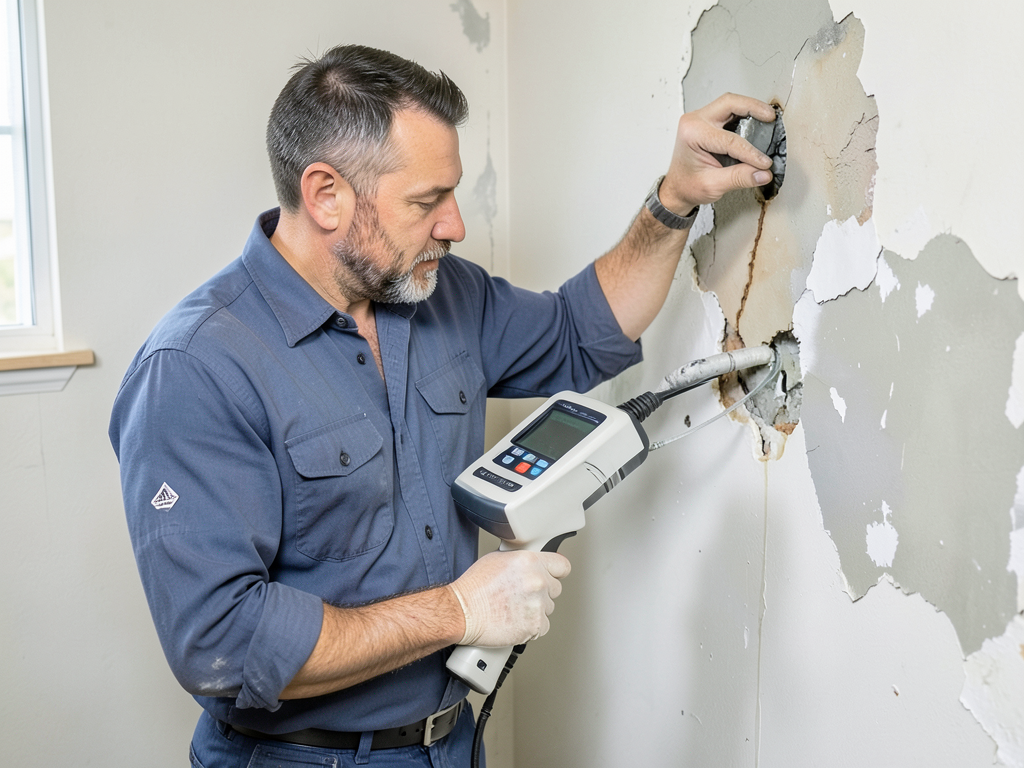
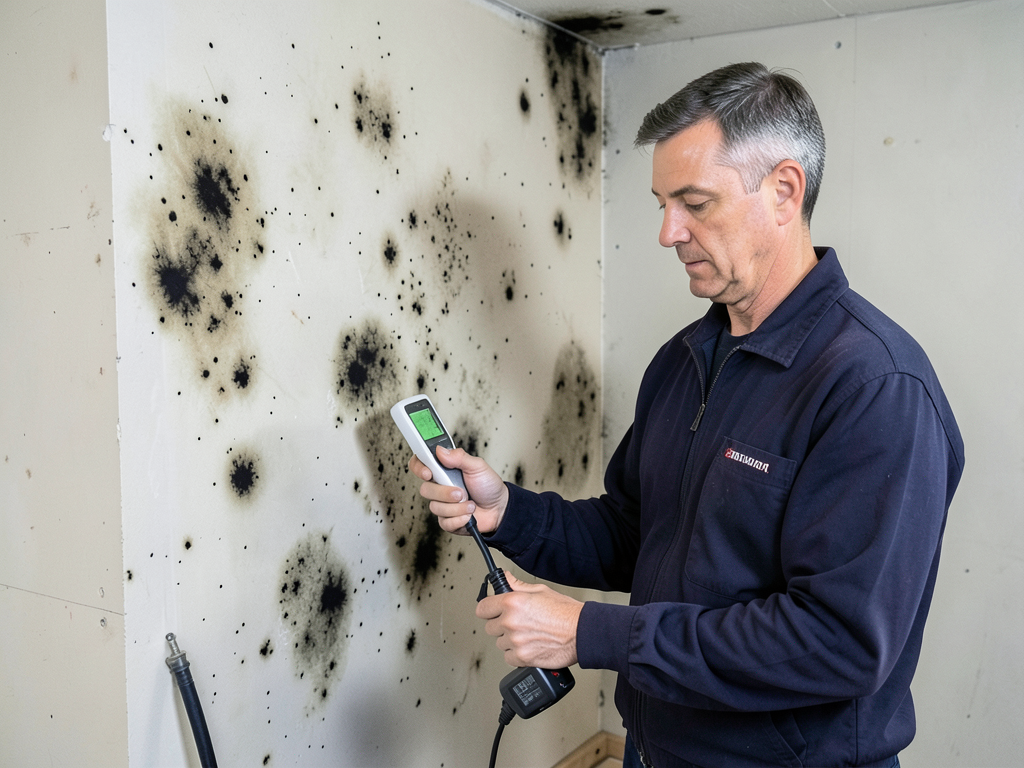
Our technicians use thermal imaging cameras to detect temperature differentials that indicate hidden moisture behind drywall and insulation. We measure relative humidity in each room using calibrated hygrometers, then compare readings to identify problem zones. If your basement registers above 60 percent relative humidity, mold is growing somewhere. We also conduct air sampling to measure spore concentrations and identify specific species. This tells us whether you are dealing with surface mildew or toxic black mold that requires full containment protocols.

Once we map the contamination, we establish negative air pressure containment using HEPA-filtered air scrubbers. This prevents spores from spreading to unaffected areas during demolition. We remove porous materials like drywall, insulation, and carpeting that cannot be salvaged. Non-porous surfaces like framing lumber and concrete get treated with antimicrobial solutions that kill remaining spores and inhibit future growth.

Dehumidification is critical in Columbus homes. We deploy commercial-grade dehumidifiers that extract moisture from the air and structural materials until readings drop below 50 percent relative humidity. We also address the root cause, whether that means repairing a leaking foundation, improving crawl space ventilation, or replacing a failed sump pump. If you only remove visible mold without fixing the moisture problem, colonization will return within weeks.

Our final step involves post-remediation air quality testing to confirm spore counts have returned to normal outdoor baseline levels. We provide documentation for your records and insurance claims.

What Happens During Your Home Allergy Investigation

Allergic Reactions in Home in Columbus – Expert Diagnosis and Complete Mold Remediation
01

Comprehensive Moisture Audit

We inspect your entire home with thermal imaging and moisture meters to find hidden water intrusion. Crawl spaces, attics, and wall cavities get checked for elevated humidity and temperature anomalies. We trace the moisture back to its source, whether that is a plumbing leak, roof penetration, or foundation seepage. This diagnostic phase determines the scope of remediation and prevents future contamination.
02

Containment and Safe Removal

We seal off affected areas with polyethylene sheeting and establish negative air pressure using HEPA air scrubbers. This prevents cross-contamination during demolition. Contaminated materials get bagged and removed following EPA guidelines. We apply antimicrobial treatments to all remaining surfaces, then dry the structure using industrial dehumidifiers and air movers. Your family stays safe while we eliminate the hazard.
03

Air Quality Verification

After remediation, we conduct post-treatment air sampling to confirm spore counts have dropped to safe levels. We compare results to outdoor baseline readings and provide a clearance report. You get documentation proving your home is safe for occupancy. We also recommend preventive measures like improved ventilation, dehumidification systems, or encapsulation to stop future mold growth in Columbus's humid climate.

Why Columbus Residents Trust Local Mold Remediation Experts

You need a team that understands how Columbus's climate and housing stock create unique mold challenges. Homes built before 1980 often lack vapor barriers in crawl spaces, and many basements in neighborhoods like Clintonville and Grandview Heights have chronic seepage issues due to high water tables and clay soil that does not drain well.

Five Star Water Damage Restoration Columbus has worked in these conditions for years. We know that summer humidity spikes in July and August create ideal conditions for rapid mold colonization. We also know that older homes with galvanized plumbing often develop pinhole leaks that go unnoticed until mold odors become overwhelming. Our technicians are trained in moisture dynamics specific to Central Ohio, including how ice dams form on north-facing roofs and allow water infiltration into attic insulation.

We follow IICRC S520 standards for mold remediation and maintain EPA Lead-Safe certification for homes built before 1978. This matters in Columbus, where many properties in historic districts contain lead paint that requires special handling during demolition. We also coordinate with local building inspectors to confirm our work meets city code requirements for structural repairs and moisture barriers.

When you hire a national franchise or out-of-state company, they often apply generic protocols that do not address local conditions. They might overlook crawl space ventilation issues common in Central Ohio or fail to account for how Columbus's freeze-thaw cycles cause foundation cracks that admit groundwater. We provide solutions tailored to your specific home and location. You also get faster response times because we are based locally, not dispatched from a regional hub hours away. Your health and safety depend on getting mold remediation done right the first time.

What You Can Expect From Professional Mold Remediation

Rapid Response and Scheduling

We offer same-day inspections for urgent allergy symptoms or recent water damage. Once we complete the initial assessment, we provide a detailed scope of work and timeline. Most residential remediation projects take two to five days, depending on the extent of contamination and drying time required. We work around your schedule and minimize disruption to your daily routine. If the situation requires temporary relocation due to extensive contamination, we help coordinate with your insurance provider to arrange accommodations.

Thorough Diagnostic Assessment

Your inspection includes thermal imaging, moisture mapping, and visual examination of all accessible areas. We check HVAC systems for mold growth in ductwork and on coils, inspect attics for roof leaks, and examine crawl spaces for standing water or condensation. We also review your home's ventilation and drainage systems to identify contributing factors. If air quality testing is needed, we collect samples and send them to an independent laboratory for species identification and spore count analysis. You receive a written report with photos and recommendations.

Complete Contamination Removal

We remove all contaminated materials and treat remaining surfaces with EPA-registered antimicrobials. Our team rebuilds affected areas using mold-resistant drywall and insulation designed for high-humidity environments. We do not leave you with exposed studs and a list of contractors to call. You get full restoration, including priming, painting, and trim work. The finished space looks better than before, and you can breathe easily knowing the contamination is gone. We also provide guidance on maintaining proper humidity levels to prevent recurrence.

Ongoing Prevention and Support

After remediation, we offer recommendations for preventing future mold growth, including dehumidifier installation, improved ventilation, and routine maintenance schedules. We can install crawl space encapsulation systems, upgrade sump pumps, or improve attic ventilation to address underlying moisture problems. You also receive documentation for your insurance provider and future home buyers. If you have questions or concerns after the project, we remain available for consultation. Many clients schedule annual moisture inspections to catch problems early, especially before selling their home.

Frequently Asked Questions

You Have Questions,
We Have Answers

What could be causing allergies in my house? +

Common indoor allergens include dust mites thriving in Columbus's humid summers, mold spores from basement moisture or poor ventilation, pet dander, cockroach droppings, and pollen tracked inside. Older homes in neighborhoods like German Village often harbor hidden mold in crawl spaces or behind wallpaper. Water damage from frozen pipes during winter freeze-thaw cycles creates mold growth. Check HVAC filters, which accumulate allergens if not changed regularly. High humidity levels above 50 percent encourage dust mites and mold. Inspect your basement, bathrooms, and under sinks for water stains or musty odors signaling moisture problems.

How do I figure out what I am allergic to in my house? +

Start by eliminating common triggers one at a time. Remove pets from your bedroom for two weeks and monitor symptoms. Wash bedding in hot water weekly to kill dust mites. Check for visible mold in bathrooms, basements, and around windows. Schedule an allergy skin test or blood test with your doctor to identify specific triggers. A professional indoor air quality assessment can detect mold spores, dust mite levels, and volatile organic compounds. Keep a symptom diary noting when reactions worsen. Columbus's seasonal pollen counts peak in spring and fall, so track outdoor versus indoor symptom patterns to pinpoint sources.

How to manage an allergic reaction at home? +

For mild reactions, remove yourself from the trigger immediately. Take an over-the-counter antihistamine like cetirizine or loratadine. Use a saline nasal rinse to flush allergens from nasal passages. Apply a cool compress to itchy eyes. Run a HEPA air purifier in the affected room. Drink plenty of water to help your body process histamines. If you experience difficulty breathing, throat swelling, or dizziness, call 911 immediately. Keep epinephrine auto-injectors accessible if you have severe allergies. After the reaction subsides, identify and eliminate the source to prevent future episodes.

Can an allergic reaction cause tingling in hands and feet? +

Yes, severe allergic reactions can cause tingling in your hands and feet. This happens when histamine release affects nerve endings or when hyperventilation from anxiety lowers carbon dioxide levels. Anaphylaxis, a life-threatening reaction, may cause tingling alongside difficulty breathing, throat swelling, rapid pulse, or dizziness. If tingling accompanies breathing problems or facial swelling, use an epinephrine auto-injector and call 911. Mild tingling without other symptoms may result from anxiety during a reaction. Document when tingling occurs and discuss it with your doctor. Persistent tingling unrelated to known allergen exposure requires medical evaluation.

How can I tell if my house is making me sick? +

Watch for symptoms that improve when you leave home and worsen upon return. Chronic congestion, sneezing, watery eyes, headaches, fatigue, or skin rashes signal indoor air quality problems. Columbus homes with basement moisture or poor ventilation often harbor mold causing respiratory issues. Check for musty odors, visible mold, water stains, or condensation on windows. Persistent coughing or wheezing may indicate mold spores or dust mite exposure. Track symptom patterns over several weeks. Professional indoor air quality testing identifies mold, radon, carbon monoxide, and volatile organic compounds. Address moisture problems and improve ventilation immediately.

What are the hidden allergens in the house? +

Hidden allergens include mold behind wallpaper or inside HVAC ducts, dust mites in mattresses and upholstered furniture, cockroach debris in wall voids, and pet dander embedded in carpets. Cleaning products release volatile organic compounds triggering reactions. Older Columbus homes may have hidden water damage in crawl spaces or attics from ice dam leaks. Houseplants harbor mold in soil. Scented candles and air fresheners contain irritants. Check under sinks for slow leaks creating mold. Forced air systems circulate allergens throughout your home. Inspect window sills and basement corners where condensation accumulates, promoting mold growth.

Can I test my house for allergies? +

Yes, you can test your home for allergens. Purchase DIY mold test kits from hardware stores to sample surfaces and air quality. Professional indoor air quality assessments provide comprehensive testing for mold spores, dust mite allergen levels, pet dander, and volatile organic compounds. Labs analyze samples to identify specific mold species. Dust mite test kits measure allergen concentration in bedding and carpets. Home inspectors use moisture meters to detect hidden water damage promoting mold. Columbus-area environmental testing companies offer detailed reports with remediation recommendations. Professional testing costs more but provides accurate results compared to basic DIY kits.

Do air purifiers help allergies? +

Yes, HEPA air purifiers effectively reduce airborne allergens like dust mites, pet dander, mold spores, and pollen. HEPA filters capture 99.97 percent of particles 0.3 microns or larger. Place purifiers in bedrooms and main living areas where you spend the most time. Run them continuously for best results. Choose units sized appropriately for your room square footage. Air purifiers complement other allergen reduction strategies but cannot eliminate sources like mold growth or dust mite colonies in bedding. Replace filters according to manufacturer recommendations. Purifiers work best when combined with regular cleaning, humidity control, and source removal.

What are dust mite allergy symptoms? +

Dust mite allergy symptoms include sneezing, runny nose, itchy or watery eyes, nasal congestion, postnasal drip, cough, and facial pressure. You may experience worse symptoms at night or upon waking because dust mites concentrate in bedding. Asthma sufferers may have difficulty breathing, chest tightness, or wheezing. Skin contact can cause eczema flare-ups or itchy rashes. Columbus's humid summers create ideal conditions for dust mites. Symptoms often worsen in fall and winter when homes are sealed tight with poor ventilation. Reactions persist year-round unlike seasonal pollen allergies. Confirm diagnosis through allergy testing.

How do you flush an allergic reaction out of your system? +

Your body naturally metabolizes histamines over several hours. Drink plenty of water to help flush allergens and support kidney function. Take an antihistamine to block further histamine release. Eat foods rich in vitamin C and quercetin, which have natural antihistamine properties. Avoid alcohol, which can worsen reactions. Get rest to allow your immune system to recover. A cool shower removes allergens from skin and hair. Use a saline nasal rinse to clear allergens from nasal passages. Most mild reactions resolve within 24 hours. Severe reactions require immediate medical treatment. Identify and eliminate the trigger to prevent recurrence.

How Columbus Humidity and Older Housing Stock Worsen Indoor Allergies

Columbus experiences average summer relative humidity above 70 percent, combined with temperature swings that cause condensation on cold surfaces like basement walls and HVAC ducts. Many homes in established neighborhoods like German Village, Victorian Village, and Bexley were built between 1900 and 1950, before modern moisture barriers and ventilation standards existed. These older homes often have stone foundations that wick groundwater, uninsulated crawl spaces with dirt floors, and attics with inadequate ridge venting. When humid outdoor air meets cool interior surfaces, condensation forms and mold colonizes within 48 hours. This creates chronic indoor mold symptoms that worsen during summer months and never fully resolve, even with medication.

Five Star Water Damage Restoration Columbus understands these local challenges because we work in these homes every day. We know that homes near the Scioto River and Olentangy River often have elevated water tables that cause basement seepage. We also know that Columbus building codes require specific vapor barrier installations in crawl spaces and that many older homes need retroactive upgrades to meet current moisture control standards. Our team coordinates with local inspectors and follows IICRC guidelines to ensure your remediation project meets all regulatory requirements. When you choose a local provider, you get expertise tailored to Central Ohio's unique climate and housing conditions, not generic solutions from a national call center.
Water Damage Restoration Services in The Columbus Area

We proudly serve the wider Columbus area and its surrounding communities. Our centrally located office allows our emergency response teams to reach your property quickly, no matter where you are. We are committed to being a reliable resource for our neighbors, and our responsive team is always on standby to provide professional assistance when you need it most. We believe that local expertise and a quick response are crucial when dealing with water damage, so we encourage you to view our service area to see if we can help.

Address:
Five Star Water Damage Restoration Columbus, 601 N High St, Columbus, OH, 43215

Additional Services We Offer

Our news updates

Latest Articles & News from The Blogs

Dealing with water damage when you live in a Columbus HOA or condo association Water damage in a Columbus condo…

Dealing with water damage when you live in a Columbus HOA or condo association

Dealing with water damage when you live in a Columbus HOA or condo association Water damage in a Columbus condo…

The real difference between common mildew and dangerous black mold in Eastmoor homes

The real difference between common mildew and dangerous black mold in Eastmoor homes Eastmoor homeowners often spot dark patches in…

Testing your sump pump before the spring rains hit the South Side

Testing your sump pump before the spring rains hit the South Side \n\n Heavy spring rains combined with the clay-rich…

Contact Us

You deserve to breathe clean air in your own home. Call Five Star Water Damage Restoration Columbus at (614) 707-7505 for a comprehensive mold inspection. We identify hidden moisture sources, eliminate contamination, and restore your indoor air quality. Same-day appointments available.