Menu

Basement Flood Cleanup in Columbus – Expert Water Extraction and Complete Restoration for Residential and Commercial Properties

Five Star Water Damage Restoration Columbus delivers fast basement water extraction, structural drying, and mold prevention for flooded basements across Franklin County, using industrial-grade equipment and proven remediation protocols.

Slider Image 1
Slider Image 2
Slider Image 3
Slider Image 4
Slider Image 5
Slider Image 7
Slider Image 8
Slider Image 9
Slider Image 10
Slider Image 11

Why Columbus Basements Flood More Than You Think

Columbus sits in a flood zone that most homeowners underestimate. The Scioto and Olentangy Rivers create elevated groundwater tables across German Village, the Short North, and Clintonville. When spring storms hit, clay-heavy soil prevents drainage. Water has nowhere to go but into your basement.

Older homes built before modern waterproofing codes face constant risk. Foundation cracks, failed sump pumps, and outdated drainage systems turn a heavy rain into a flooded basement emergency. Once water enters, you have 24 to 48 hours before mold colonizes drywall, insulation, and wood framing.

Flooded basement water removal requires more than a wet vac. Standing water damages electrical systems, destroys HVAC equipment, and creates structural instability. The longer water sits, the more it wicks into porous materials like concrete block and floor joists. What starts as an inch of water becomes a full remediation project.

Columbus basements also face seasonal freeze-thaw cycles. When temperatures drop, water trapped in foundation walls expands, creating new entry points for future flooding. This cycle repeats every winter, worsening the problem.

We handle basement water extraction across Columbus daily. Burst pipes, sewer backups, sump pump failures, and storm flooding all require different remediation approaches. You need a team that understands local soil conditions, building codes, and the urgency of flooded basement restoration.

Why Columbus Basements Flood More Than You Think
How We Restore Flooded Basements the Right Way

How We Restore Flooded Basements the Right Way

Basement flood restoration is not just pumping water and running fans. Improper drying creates hidden mold, structural rot, and long-term air quality problems. We follow IICRC S500 standards for water damage restoration, which means we measure moisture levels, calculate drying time, and document the entire process for insurance claims.

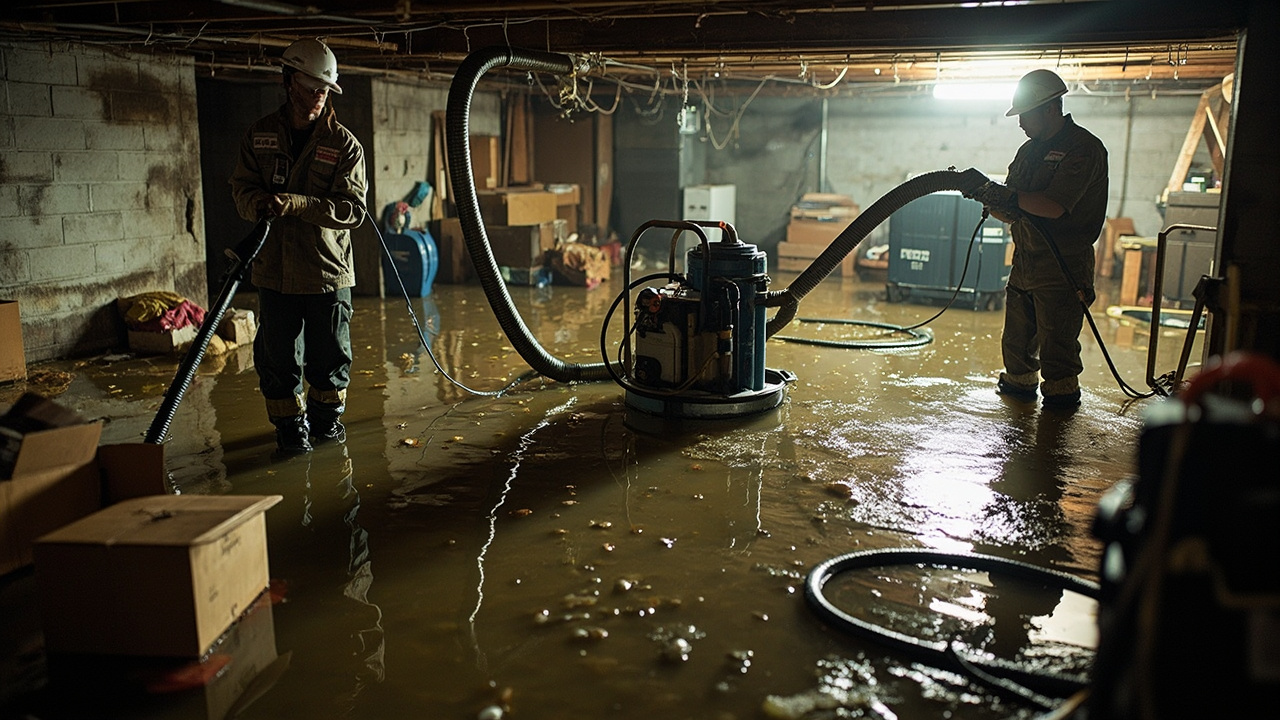
First, we stop the water source. Whether it's a failed sump pump, a cracked foundation, or a backed-up floor drain, we identify the entry point and stabilize the situation. Then we extract standing water using truck-mounted pumps and portable extractors. We remove water from carpet, padding, and subflooring before it saturates structural members.

Next, we deploy commercial air movers and dehumidifiers to create controlled drying conditions. Basements dry differently than above-grade spaces because of limited airflow and lower temperatures. We place equipment strategically to pull moisture from walls, floors, and hidden cavities. Moisture meters track progress in real time.

We remove non-salvageable materials like soaked drywall, insulation, and baseboards. Porous materials that stay wet become mold reservoirs. Flooded basement remediation often requires selective demolition to prevent future contamination. We document everything with photos and moisture readings for your insurance adjuster.

Finally, we treat exposed surfaces with antimicrobial solutions to inhibit mold growth during the drying period. Once moisture levels return to normal, we provide a certificate of drying. You get a basement ready for reconstruction, not a space with hidden moisture problems waiting to surface months later.

What Happens During Your Basement Flood Cleanup

Basement Flood Cleanup in Columbus – Expert Water Extraction and Complete Restoration for Residential and Commercial Properties
01

Emergency Water Removal

We arrive with truck-mounted extraction units and portable pumps to remove standing water within hours of your call. Our team assesses water depth, identifies contamination levels, and begins flooded basement pumping immediately. We remove carpet padding, extract water from flooring, and prevent further absorption into walls. Speed matters because water migrates vertically through capillary action, spreading damage beyond the visible flood zone.
02

Structural Drying and Monitoring

Industrial dehumidifiers and air movers run continuously to dry framing, concrete, and hidden cavities. We monitor moisture levels in walls, floors, and subflooring using thermal imaging and penetrating moisture meters. Basement water extraction includes removing moisture trapped in block walls and behind finished surfaces. We adjust equipment placement daily based on readings. Drying typically takes three to seven days depending on water volume and material saturation levels.
03

Sanitization and Documentation

Once moisture levels stabilize, we treat all affected surfaces with EPA-registered antimicrobials to prevent mold growth. We document final moisture readings, photograph restored areas, and provide a detailed scope of work for your insurance claim. You receive a comprehensive report showing before and after conditions, equipment logs, and certification that your basement meets drying standards. Your space is ready for contractors to begin repairs.

Why Columbus Property Owners Choose Five Star Water Damage Restoration

Columbus has dozens of restoration companies. Most show up with a truck and some fans. We show up with a plan.

We understand Columbus basement construction. Homes in Victorian Village and Merion Village have stone foundations that require different drying techniques than poured concrete basements in Hilliard or Dublin. Block walls wick water differently than poured walls. We adjust our approach based on your specific foundation type and age.

Our team knows Franklin County building codes and permitting requirements. If your flooded basement needs electrical work or plumbing repairs before restoration begins, we coordinate with licensed contractors who understand local inspection protocols. We handle insurance documentation so you get fair claim settlements.

We respond 24/7 because basement flooding does not wait for business hours. When a sump pump fails at 2 AM or a storm overwhelms your window wells on Sunday, we dispatch immediately. Delayed response means more damage, higher costs, and increased mold risk.

Five Star Water Damage Restoration Columbus uses commercial-grade equipment, not consumer-grade rentals. Our dehumidifiers pull 10 times more moisture per day than hardware store units. Our air movers create the velocity needed to dry wall cavities and subflooring, not just surface moisture.

We also handle insurance claims daily. We know what adjusters need to see, how to document loss properly, and how to communicate scope changes. You get an advocate who understands both restoration science and insurance requirements.

Flooded basement remediation determines whether your home stays healthy or develops chronic moisture problems. Choose a company that treats your basement like the structural foundation it is.

What You Can Expect From Our Basement Flood Cleanup Service

Rapid Response and Assessment

We arrive within 60 to 90 minutes for emergency flood calls across Columbus and Franklin County. Our technicians perform a visual inspection, measure water depth, classify contamination level, and create an extraction plan before starting work. You get a verbal scope of work and timeline during the first visit. We begin flooded basement water removal immediately if conditions allow. For after-hours emergencies, our crew stabilizes the situation, extracts standing water, and returns the next day with full drying equipment. Time is critical in basement flooding situations because mold begins growing within 24 hours.

Comprehensive Moisture Mapping

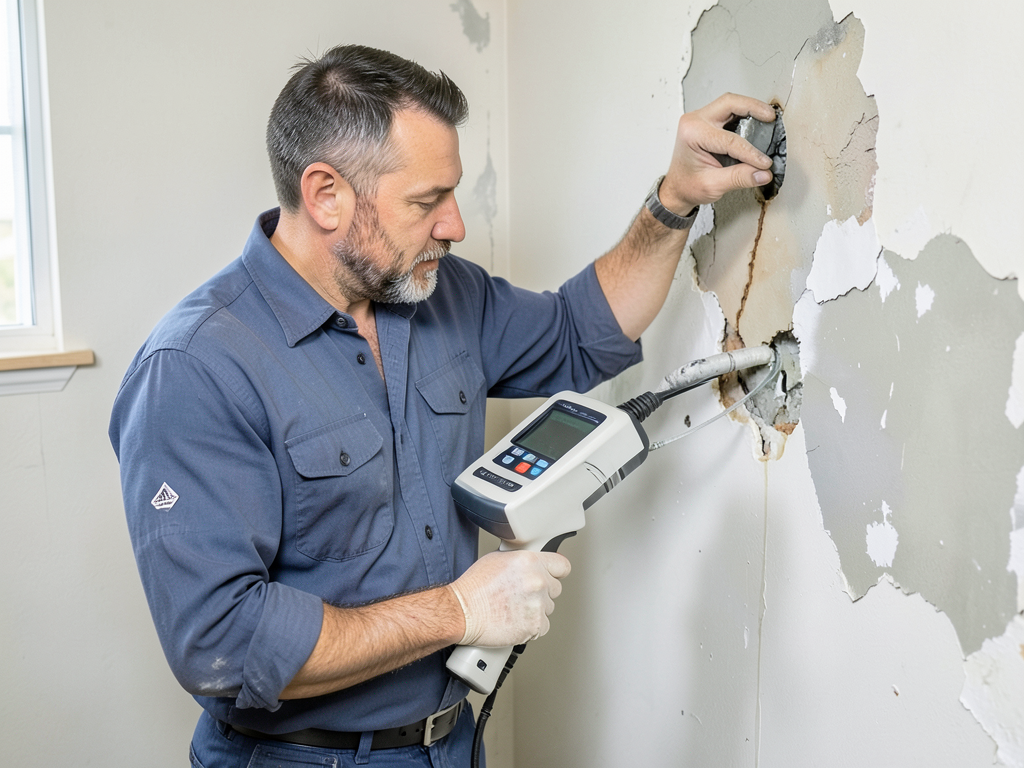
We do not guess about moisture levels. Our team uses thermal imaging cameras to identify hidden water in walls, floors, and ceilings. Penetrating moisture meters measure saturation in concrete, wood, and drywall. We create a moisture map of your basement, marking affected areas and tracking drying progress daily. This data-driven approach ensures we dry every affected material to acceptable moisture content levels. We also identify secondary damage areas that you might not see, like water trapped behind finished walls or under tile flooring. You get daily updates on drying progress with actual readings, not subjective observations.

Certified Dry Standards

We do not pull equipment until your basement meets IICRC drying standards. Each material type has a specific moisture content threshold. Wood framing must reach below 15 percent moisture content. Concrete must drop to near-ambient levels. We verify final readings in multiple locations, photograph results, and provide written certification. This documentation protects you if moisture problems surface later and proves to insurance companies that remediation was completed properly. You also receive antimicrobial treatment confirmation and air quality recommendations. Your basement is ready for reconstruction, not just empty and damp.

Insurance Claim Support

We work directly with your insurance adjuster to document damage, justify scope of work, and provide detailed estimates. Our reports include photo documentation, moisture logs, equipment placement records, and material removal justifications. We explain why certain materials cannot be salvaged and why specific drying protocols are necessary. If your claim is disputed, we provide technical support and clarification. Most insurance companies know our team and trust our assessments. You get a seamless claims process without having to translate restoration terminology or argue about coverage. We also offer direct billing for approved claims to reduce your out-of-pocket expenses.

Frequently Asked Questions

You Have Questions,
We Have Answers

How to clean up after a flooded basement? +

Start by shutting off electricity to the basement and stopping the water source if possible. Remove standing water using a pump or wet vacuum. Pull out soaked items like furniture, carpets, and boxes immediately. Scrub hard surfaces with detergent and disinfectant. Set up fans and dehumidifiers to dry everything completely. Columbus homes with older foundations often need extra attention to prevent mold in humid summer months. Document all damage with photos for insurance claims. If water sat for more than 24 hours or came from a contaminated source, call a professional to avoid health risks.

How much does it cost to clean up a flooded basement? +

Basement flood cleanup costs range widely based on water volume, contamination level, and structural damage. Minor cleanups with clear water may run a few hundred dollars for equipment rental and materials. Severe flooding with sewage backup or mold remediation can cost several thousand dollars. Columbus properties often face additional costs due to clay soil foundation issues or older drainage systems. Your final bill depends on square footage affected, materials damaged, and drying time required. Most professionals charge per square foot plus equipment and labor. Get three written estimates before choosing a contractor.

How much does Servpro cost to clean a basement? +

Servpro pricing varies by location, damage severity, and services needed. National franchises typically charge between a few hundred to several thousand dollars depending on water category, square footage, and restoration scope. Servpro uses standardized pricing models but adjusts for local market conditions. In Columbus, expect pricing competitive with regional restoration companies. They often bill insurance directly, which simplifies claims but may not guarantee the lowest price. Always request a detailed written estimate before authorizing work. Compare multiple local contractors to ensure fair pricing for your specific basement flood situation.

What type of professional fixes flooded basements? +

Water damage restoration specialists handle flooded basements. These professionals have industrial equipment like air movers, dehumidifiers, and moisture meters to dry structures properly. They assess water contamination levels, extract standing water, remove damaged materials, and prevent mold growth. In Columbus, look for IICRC-certified technicians familiar with local building codes and Midwest climate challenges. Some plumbers and general contractors offer basic cleanup, but certified restoration companies bring specialized training for sewage backups, structural drying, and antimicrobial treatments. Choose a company with experience in Columbus basement flood scenarios for best results.

What kills mold after a flood? +

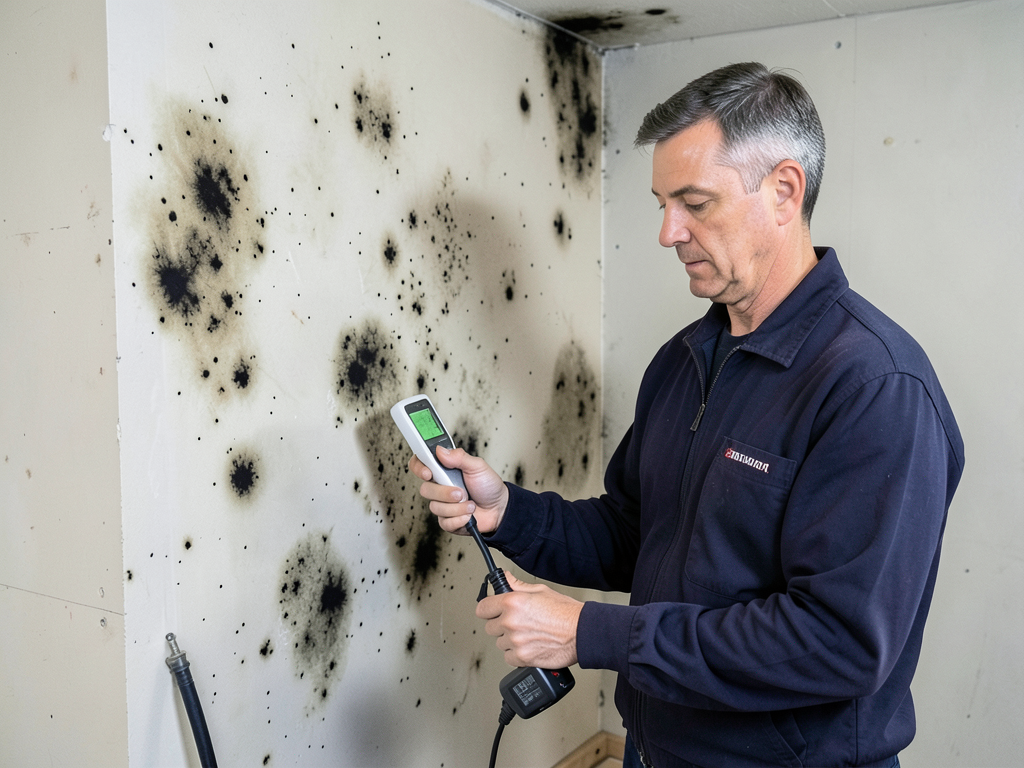
Antimicrobial solutions containing quaternary ammonium compounds or hydrogen peroxide kill mold effectively after floods. Professionals use EPA-registered fungicides designed for post-flood remediation. For small areas, bleach solutions work on non-porous surfaces but do not penetrate porous materials like drywall. Borax and vinegar have limited effectiveness. The key is eliminating moisture within 48 hours to prevent mold growth altogether. Columbus basements stay humid even after drying due to clay soil moisture, so proper ventilation and dehumidification matter more than just cleaning products. Severe mold requires professional removal and disposal of contaminated materials.

Is basement flooding covered by insurance? +

It depends on the water source. Standard homeowners insurance covers sudden internal failures like burst pipes or water heater leaks. Most policies exclude flooding from external sources like heavy rain, river overflow, or sewer backups. Columbus properties near the Scioto River or Olentangy River need separate flood insurance through NEMA. Sump pump failures may have limited coverage requiring endorsements. Review your policy declarations page carefully. Many Columbus homeowners discover coverage gaps after storms hit. Document everything with photos and contact your insurer immediately to understand your specific coverage limits.

How much will insurance pay for a flooded basement? +

Insurance payouts vary dramatically based on your policy limits, deductible, and cause of flooding. Covered losses from burst pipes might reimburse thousands for cleanup, repairs, and contents replacement after your deductible. Excluded events like sewer backups or external flooding result in zero payout without specific endorsements. Columbus-area claims often involve depreciation calculations that reduce reimbursement. Expect your adjuster to require documentation, estimates, and proof of damages. Typical basement flood claims range from a few thousand to tens of thousands depending on structural damage and contents lost. Never assume full replacement cost without reviewing policy language.

How long does it take to dry out a basement after a flood? +

Professional drying takes three to seven days depending on water volume, humidity, and materials affected. Concrete walls and floors in Columbus basements dry slowly due to porosity. Summer humidity extends drying time compared to winter months. Technicians use moisture meters to confirm materials reach acceptable levels before reconstruction begins. Rushing the process causes mold growth and structural issues. Heavily saturated basements with standing water for days may need two weeks of dehumidification. Proper airflow, temperature control, and industrial equipment speed the process. Never seal walls or replace flooring until readings confirm complete drying.

What is the most expensive part of finishing a basement? +

Egress windows and waterproofing represent the most expensive basement finishing costs. Columbus building codes require emergency egress in bedrooms, meaning cutting through foundation walls and installing window wells. This alone costs several thousand dollars per window. Exterior waterproofing with drainage systems adds significant expense but prevents future flooding. HVAC extensions, bathroom plumbing, and electrical rough-ins also carry high costs. Materials like flooring and drywall are relatively affordable. Columbus basements often need French drains or sump pump upgrades due to clay soil and water table issues, adding thousands before finishing even begins.

How much does it cost to finish a 2000 sq ft basement? +

Finishing a 2000 square foot basement typically costs between twenty and seventy dollars per square foot depending on finishes and features. Basic finishes with open layouts, simple flooring, and minimal plumbing fall on the lower end. High-end finishes with bathrooms, kitchens, custom built-ins, and theater systems push costs higher. Columbus contractors price competitively but factor in local code requirements for egress windows and moisture barriers. Waterproofing upgrades add thousands but protect your investment. Labor costs, permit fees, and material choices create wide price ranges. Get detailed quotes from multiple licensed contractors before budgeting your project.

How Columbus Clay Soil and High Groundwater Create Basement Flooding Risks

Columbus sits on heavy clay soil that prevents water absorption during heavy rain events. When storms drop two or three inches in an hour, water pools on the surface and finds entry points into basements through foundation cracks, window wells, and floor drains. The Scioto River floodplain extends through much of central Columbus, creating high groundwater tables in neighborhoods like Franklinton, the Brewery District, and parts of Grandview Heights. Hydrostatic pressure pushes water through basement walls even when there is no visible surface flooding. Basement flood restoration in Columbus requires understanding these geological conditions and how water moves through clay-heavy soil profiles.

Columbus has a mix of pre-1950s homes with stone or block foundations and newer construction with modern waterproofing systems. Older neighborhoods need different flooded basement remediation approaches than suburban developments built in the last 20 years. Five Star Water Damage Restoration Columbus works with local building inspectors, structural engineers, and insurance adjusters who understand Franklin County construction standards. When your basement floods, you need a team that knows whether your foundation has perimeter drains, how your sump pump ties into storm sewers, and what local codes require for moisture barriers. Local expertise means faster remediation, fewer surprises, and proper restoration the first time.
Water Damage Restoration Services in The Columbus Area

We proudly serve the wider Columbus area and its surrounding communities. Our centrally located office allows our emergency response teams to reach your property quickly, no matter where you are. We are committed to being a reliable resource for our neighbors, and our responsive team is always on standby to provide professional assistance when you need it most. We believe that local expertise and a quick response are crucial when dealing with water damage, so we encourage you to view our service area to see if we can help.

Address:
Five Star Water Damage Restoration Columbus, 601 N High St, Columbus, OH, 43215

Additional Services We Offer

Our news updates

Latest Articles & News from The Blogs

Dealing with water damage when you live in a Columbus HOA or condo association Water damage in a Columbus condo…

Dealing with water damage when you live in a Columbus HOA or condo association

Dealing with water damage when you live in a Columbus HOA or condo association Water damage in a Columbus condo…

The real difference between common mildew and dangerous black mold in Eastmoor homes

The real difference between common mildew and dangerous black mold in Eastmoor homes Eastmoor homeowners often spot dark patches in…

Testing your sump pump before the spring rains hit the South Side

Testing your sump pump before the spring rains hit the South Side \n\n Heavy spring rains combined with the clay-rich…

Contact Us

Call Five Star Water Damage Restoration Columbus at (614) 707-7505 for immediate flooded basement water removal. We respond 24/7 to emergencies across Franklin County. Do not wait for mold to develop or structural damage to worsen. Get your basement dry and safe today.