Menu

Basement Waterproofing Guide for Columbus Homes – Protect Your Foundation from Ohio's Wet Climate

Stop water intrusion before it destroys your home's structural integrity. This comprehensive basement waterproofing guide shows Columbus homeowners proven foundation waterproofing methods that address our region's unique soil and rainfall challenges.

Slider Image 1
Slider Image 2
Slider Image 3
Slider Image 4
Slider Image 5
Slider Image 7
Slider Image 8
Slider Image 9
Slider Image 10
Slider Image 11

Why Columbus Basements Face Constant Water Threats

Columbus sits in a unique hydrological zone where clay-heavy soil meets unpredictable Midwest weather patterns. The result is a perfect storm for basement water problems.

The Scioto River watershed and Columbus's position in the Appalachian foothills create high water tables across neighborhoods like German Village, Clintonville, and Bexley. Spring thaw cycles combine with summer downpours to saturate the dense clay soil surrounding your foundation. Clay expands when wet and contracts when dry, creating hydrostatic pressure that forces water through basement walls and floor joints.

You notice the evidence every spring. Water seeps through foundation cracks. Efflorescence appears on concrete block walls. Your sump pump runs constantly during April rains. The musty smell intensifies after storms.

These are not cosmetic issues. Water intrusion compromises structural integrity, destroys personal belongings, and creates mold growth that threatens respiratory health. Columbus building codes require specific drainage solutions for below-grade spaces, but many older homes in Historic Districts were built before modern waterproofing standards existed.

Understanding how to waterproof a basement starts with recognizing what makes Columbus basements vulnerable. The clay soil prevents natural drainage. Seasonal temperature swings create freeze-thaw cycles that crack concrete. Heavy rainfall overwhelms gutters and downspouts, directing water toward foundations instead of away from them.

Wet basement solutions require more than surface fixes. You need foundation waterproofing methods that address hydrostatic pressure, control groundwater infiltration, and protect against both surface water and subsurface moisture migration. The right basement sealing techniques account for local soil composition and seasonal water table fluctuations specific to central Ohio.

Why Columbus Basements Face Constant Water Threats
Professional Waterproofing Methods That Actually Work

Professional Waterproofing Methods That Actually Work

Effective basement waterproofing requires a multi-layer defense system tailored to Columbus's specific challenges.

Exterior waterproofing starts with excavation around the foundation perimeter. We expose foundation walls to apply rubberized asphalt or polymer-modified membrane systems that create a watertight barrier. Drainage boards installed over the membrane direct water downward to perimeter drain tiles. This exterior approach stops water before it contacts foundation walls.

Interior waterproofing addresses water that penetrates through foundation materials. We install interior drainage channels along the basement perimeter at the wall-floor joint, the most common entry point for hydrostatic pressure. These channels direct water to a sump basin equipped with primary and battery backup pumps. The system removes groundwater before it enters living space.

Foundation crack repair uses polyurethane or epoxy injection techniques depending on crack width and whether cracks actively leak. Polyurethane expands on contact with water to seal active leaks, while epoxy creates structural bonds in dormant cracks. For block wall foundations common in Columbus, we inject hydrophobic grout into hollow cores to stop lateral water migration through the masonry.

French drain installation around the foundation exterior intercepts groundwater before it reaches walls. We excavate trenches 18 to 24 inches wide, install perforated drain pipe surrounded by washed gravel, and slope the system to daylight discharge points or tie into storm sewer systems where code permits.

Vapor barriers address moisture transmission through concrete. Six-mil polyethylene sheeting or spray-applied membrane systems prevent water vapor from entering basement air, controlling humidity and preventing mold growth even when minor moisture enters foundation materials.

These leaky basement repair guide techniques work together. No single method solves every water problem.

What Happens During Professional Basement Waterproofing

Basement Waterproofing Guide for Columbus Homes – Protect Your Foundation from Ohio's Wet Climate
01

Moisture Source Diagnosis

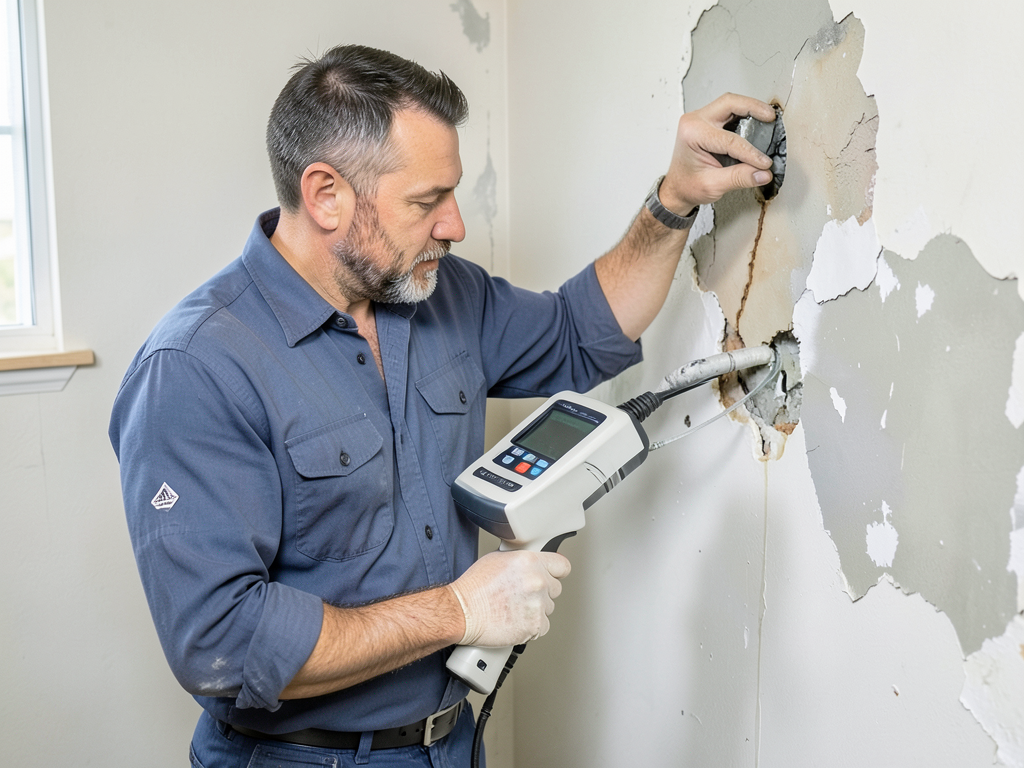
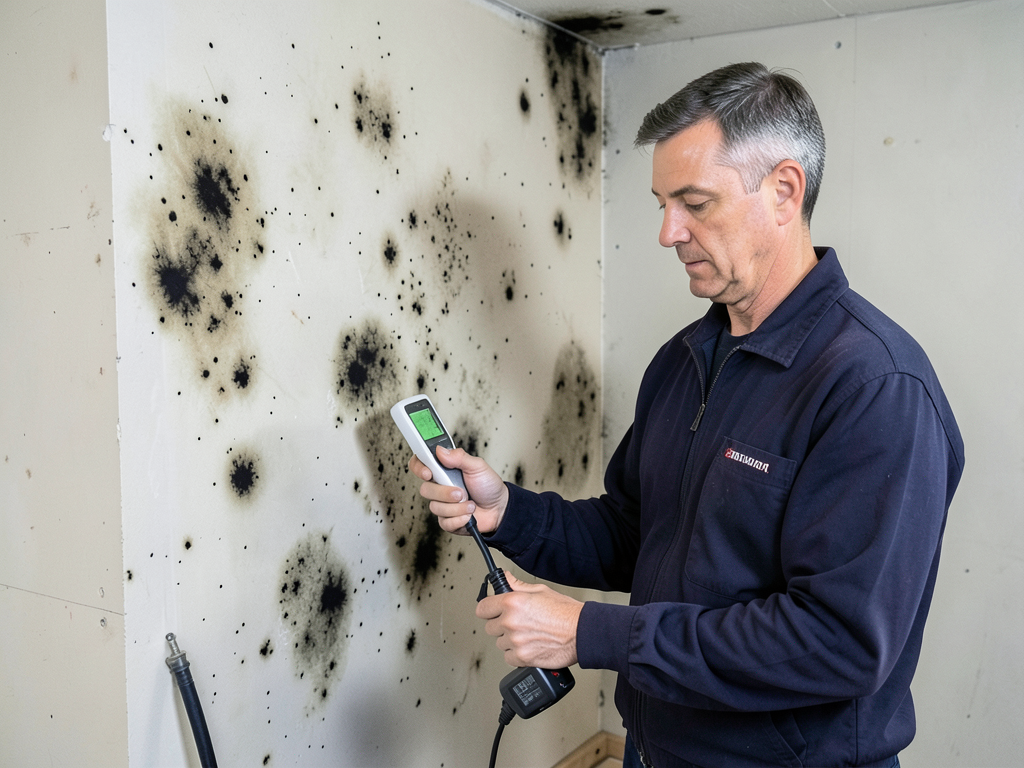
We conduct thermal imaging scans and moisture meter testing to identify exact water entry points. This diagnostic phase determines whether water enters through hydrostatic pressure, surface runoff, or condensation. We inspect foundation walls for cracks, examine mortar joints in block construction, test sump pump operation, and evaluate exterior grading. Accurate diagnosis prevents wasting money on solutions that address symptoms instead of root causes.
02

Customized System Installation

Based on diagnostic findings, we implement the appropriate combination of waterproofing techniques. This might include excavating for exterior membrane application, installing interior perimeter drains, injecting foundation cracks, or upgrading sump systems with battery backup. We match methods to your specific water intrusion pattern. A home with surface water problems needs different solutions than one facing high water table pressure. The installation phase addresses your actual problem, not a generic template.
03

Verification and Documentation

After installation, we test system performance under simulated load conditions. Sump pumps are cycled to verify proper operation and adequate discharge. Interior drains are water-tested to confirm proper slope and flow. We document all work with photos and specifications for your records. You receive maintenance guidelines specific to your installed systems, including sump pump testing schedules and drain cleanout intervals. This verification ensures the waterproofing performs when the next heavy rain arrives.

Why Local Expertise Matters for Columbus Foundations

Columbus's geological and regulatory environment demands specialized knowledge.

The clay soil throughout Franklin County behaves differently than sandy or loamy soils common in other regions. It holds water instead of draining naturally. This creates prolonged hydrostatic pressure against foundations even days after rainfall stops. Waterproofing systems must account for this extended pressure duration. Generic approaches designed for well-draining soils fail in Columbus conditions.

Building codes in Columbus follow Ohio Residential Code with local amendments specific to Franklin County. These codes dictate sump discharge requirements, foundation drain specifications, and waterproofing membrane standards for new construction and major renovations. Professional waterproofing work must meet these standards to pass inspection and maintain compliance. Five Star Water Damage Restoration Columbus understands these requirements because we work within this regulatory framework daily.

Historic District homes in German Village, Victorian Village, and Old Oaks present unique challenges. Stone foundations built in the 1800s require different treatment than modern poured concrete. Preservation guidelines restrict exterior alterations visible from the street. We navigate these constraints while still providing effective water control, often relying on interior solutions that preserve historic exteriors.

The Scioto and Olentangy River floodplains create elevated water tables in Near East Side and Franklinton neighborhoods. Homes in these areas need robust sump systems with adequate pumping capacity to handle sustained groundwater infiltration. We size equipment based on local water table data, not manufacturer estimates.

Temperature extremes matter too. Columbus experiences freeze-thaw cycles from November through March. Water trapped in foundation cracks expands when frozen, widening cracks progressively each winter. Our crack repair methods account for this thermal movement, using flexible sealants that accommodate seasonal expansion and contraction.

What to Expect from Professional Basement Waterproofing

Project Timeline and Disruption

Interior perimeter drain installation typically requires three to five days depending on basement size and concrete thickness. Exterior excavation projects take five to seven days accounting for digging, membrane application, drainage installation, and backfill. We work in sections to minimize disruption. You can remain in your home during work. Most interior projects require moving stored items away from walls. We protect finished spaces with dust barriers. Exterior work impacts landscaping temporarily, but we restore grading and plantings after backfill compaction. Schedule flexibility matters because Ohio weather can delay exterior excavation during wet periods.

Comprehensive Water Intrusion Assessment

The initial evaluation takes 60 to 90 minutes. We inspect both interior and exterior foundation areas, test existing sump systems, examine grading around the home, and review gutter discharge patterns. Thermal imaging identifies hidden moisture in wall cavities. Moisture meters quantify water content in concrete and framing materials. We explain findings in clear terms, showing you exactly where water enters and why. You receive a written assessment documenting moisture sources, foundation condition, and recommended solutions. This diagnostic approach ensures you understand the problem before committing to repairs.

Dry Basement Performance

Properly installed waterproofing systems eliminate standing water and control humidity below 50 percent relative humidity. You can finish basement spaces or use them for storage without mold concerns. Sump systems activate automatically when water enters drain channels, removing it before you notice accumulation. Exterior membranes redirect water away from foundations completely. Interior vapor barriers prevent musty odors and condensation on walls. The result is usable square footage you can trust. Basements stay dry during spring thaw cycles and summer storms. Your foundation stops deteriorating from constant moisture exposure. Property value increases because buyers recognize professional water control.

System Maintenance and Longevity

Installed waterproofing systems require minimal ongoing maintenance. Test sump pumps quarterly by pouring water into the basin to verify automatic activation. Check battery backup systems twice yearly. Inspect interior drain channels annually for sediment accumulation. Exterior drainage systems need cleanout every three to five years depending on soil conditions. We provide maintenance checklists specific to your installed components. Most systems function reliably for 20 to 30 years with basic upkeep. Membrane materials resist degradation. Sump pumps are replaceable components with 7 to 10 year service lives. We offer service agreements for clients who prefer professional maintenance.

Frequently Asked Questions

You Have Questions,
We Have Answers

What is the best waterproofing method for a basement? +

The best waterproofing method combines interior and exterior solutions. Exterior waterproofing involves excavating around your foundation, applying a membrane barrier, and installing drainage systems to divert water away from your home. Interior waterproofing uses a perimeter drain system, sump pump, and vapor barriers on walls. In Columbus, where clay soil retains water and freeze-thaw cycles stress foundations, most homes need both approaches. Exterior work prevents water from entering, while interior systems manage water that does penetrate. A professional assessment determines which method fits your specific foundation type and water source.

How much does it cost to waterproof a 1000 sq ft basement? +

Waterproofing a 1000 square foot basement varies based on the extent of work needed. Basic interior solutions like sealants and minor crack repair cost less than comprehensive systems. Full perimeter drainage with sump pump installation requires more investment. Exterior excavation and membrane application represents the highest cost due to labor intensity. Columbus homes with older foundations or severe water infiltration need more extensive solutions. Soil type around your property affects drainage requirements. The best approach is getting multiple assessments to understand what your specific situation requires, rather than relying on square footage alone.

What are common waterproofing mistakes? +

The most common waterproofing mistake is using paint or sealant as a permanent fix. These products only mask symptoms and trap moisture inside walls, causing deterioration. Ignoring exterior drainage problems creates ongoing pressure against foundations. Many homeowners install inadequate sump pumps that fail during heavy Columbus rainstorms. Improper grading that slopes toward the foundation directs water into basements. Neglecting gutters and downspouts concentrates roof runoff at the foundation. DIY interior drain systems often lack proper slope or discharge points. Failing to address foundation cracks before waterproofing allows water pathways to remain.

Why not use Drylok on basement walls? +

Drylok and similar masonry paints create a false sense of security. These products trap moisture inside foundation walls rather than preventing water entry. In Columbus, where hydrostatic pressure builds from clay soil and seasonal water table fluctuations, paint-based solutions fail when pressure exceeds their bond strength. Water finds the weakest point and causes paint to blister and peel. Drylok does not address the source of water infiltration. It prevents walls from breathing, which accelerates concrete deterioration. Moisture trapped behind the coating damages wall structure over time. Professional waterproofing addresses water at the source, not the symptom.

How Columbus Clay Soil Creates Persistent Basement Water Problems

Columbus sits on glacial till deposits that left dense clay soil across Franklin County. This clay contains high percentages of montmorillonite and illite minerals that absorb water and swell dramatically. When saturated, clay soil can expand up to 10 percent in volume, creating thousands of pounds of lateral pressure against foundation walls. During dry periods, the same clay shrinks and cracks, creating channels for water to reach foundations during the next rain event. This expansion-contraction cycle makes basement waterproofing particularly challenging in neighborhoods built on heavy clay like Clintonville, Upper Arlington, and Whitehall. Foundation waterproofing methods must account for this soil movement, using flexible membranes and robust drainage systems that handle sustained hydrostatic pressure.

Five Star Water Damage Restoration Columbus has worked in central Ohio's unique conditions for years. We understand how local soil behaves across different neighborhoods. German Village's stone foundations need different approaches than the poured concrete basements common in newer Hilliard subdivisions. We stay current on Columbus building code amendments and Franklin County permitting requirements. Our relationships with local building inspectors streamline approval processes. When you choose local expertise for basement sealing techniques, you get solutions designed for Columbus conditions, not generic methods imported from different climates. We know which wet basement solutions work in Ohio clay because we have tested them in thousands of local homes.
Water Damage Restoration Services in The Columbus Area

We proudly serve the wider Columbus area and its surrounding communities. Our centrally located office allows our emergency response teams to reach your property quickly, no matter where you are. We are committed to being a reliable resource for our neighbors, and our responsive team is always on standby to provide professional assistance when you need it most. We believe that local expertise and a quick response are crucial when dealing with water damage, so we encourage you to view our service area to see if we can help.

Address:
Five Star Water Damage Restoration Columbus, 601 N High St, Columbus, OH, 43215

Additional Services We Offer

Our news updates

Latest Articles & News from The Blogs

Dealing with water damage when you live in a Columbus HOA or condo association Water damage in a Columbus condo…

Dealing with water damage when you live in a Columbus HOA or condo association

Dealing with water damage when you live in a Columbus HOA or condo association Water damage in a Columbus condo…

The real difference between common mildew and dangerous black mold in Eastmoor homes

The real difference between common mildew and dangerous black mold in Eastmoor homes Eastmoor homeowners often spot dark patches in…

Testing your sump pump before the spring rains hit the South Side

Testing your sump pump before the spring rains hit the South Side \n\n Heavy spring rains combined with the clay-rich…

Contact Us

Water intrusion gets worse with every storm cycle. Call Five Star Water Damage Restoration Columbus at (614) 707-7505 for a comprehensive basement waterproofing assessment. We will identify your specific moisture sources and recommend proven solutions that work in Columbus soil conditions.