Menu

Business Interruption Mitigation in Columbus | Industrial-Grade Water Damage Response Built for Zero Downtime

Five Star Water Damage Restoration Columbus deploys rapid containment protocols and parallel workflow systems designed specifically to keep your operations running during water damage recovery, protecting revenue and liability exposure across commercial facilities in the Columbus metro.

Slider Image 1
Slider Image 2
Slider Image 3
Slider Image 4
Slider Image 5
Slider Image 7
Slider Image 8
Slider Image 9
Slider Image 10
Slider Image 11

Columbus Commercial Water Events Mean Lost Revenue Every Hour

A single pipe burst in your Columbus warehouse or office complex does not just create standing water. It triggers a cascade of liability and revenue loss that accelerates every hour you delay response. Columbus's variable freeze-thaw cycles, combined with aging commercial infrastructure in neighborhoods like German Village and the Short North, create sudden failures in overhead supply lines, HVAC condensate systems, and roof drainage networks.

The financial impact extends beyond visible damage. Employee displacement halts productivity. Inventory exposure triggers insurance claims. Customer-facing operations shut down. Tenants invoke lease clauses. Every hour of water intrusion deepens structural saturation, extends drying timelines, and compounds your business continuity restoration challenges.

Minimizing business downtime begins the moment water is detected. Commercial water damage in Columbus does not wait for convenient business hours. A 2:00 AM sprinkler malfunction in your Easton retail space means your Saturday opening is at risk unless extraction, containment, and drying infrastructure deploy before dawn. Reducing operational downtime requires industrial-grade equipment staging, not residential-scale air movers.

Your Columbus commercial property faces unique risks. High water tables in Franklinton and near the Scioto River increase groundwater intrusion during heavy rain events. Clay-heavy soils common throughout Franklin County create hydrostatic pressure against below-grade spaces. Older commercial buildings downtown often lack modern backflow prevention, making sewer backups a recurring liability during storm surges. Mitigating commercial downtime means understanding these location-specific threats and responding with the capacity to handle large-scale water intrusion without disrupting your core operations.

Columbus Commercial Water Events Mean Lost Revenue Every Hour
How We Execute Parallel Restoration Without Halting Your Operations

How We Execute Parallel Restoration Without Halting Your Operations

Business interruption mitigation is not standard water damage restoration done faster. It requires parallel workflow architecture where extraction, containment, and drying occur simultaneously across multiple zones without forcing full facility closure.

We deploy containment barriers using polyethylene sheeting and negative air pressure systems to isolate affected areas from active workspaces. This allows your unaffected departments to maintain operations while we execute water extraction and structural drying in quarantined zones. For multi-story office buildings in Columbus, this means your third floor continues normal business while we remediate second-floor damage.

Our equipment staging prioritizes commercial-grade low-grain refrigerant dehumidifiers and axial air movers capable of processing high-volume moisture loads without overloading your electrical infrastructure. We coordinate with your facilities team to map circuit capacity and ensure our drying equipment does not trip breakers or interfere with critical systems like server rooms or refrigeration units.

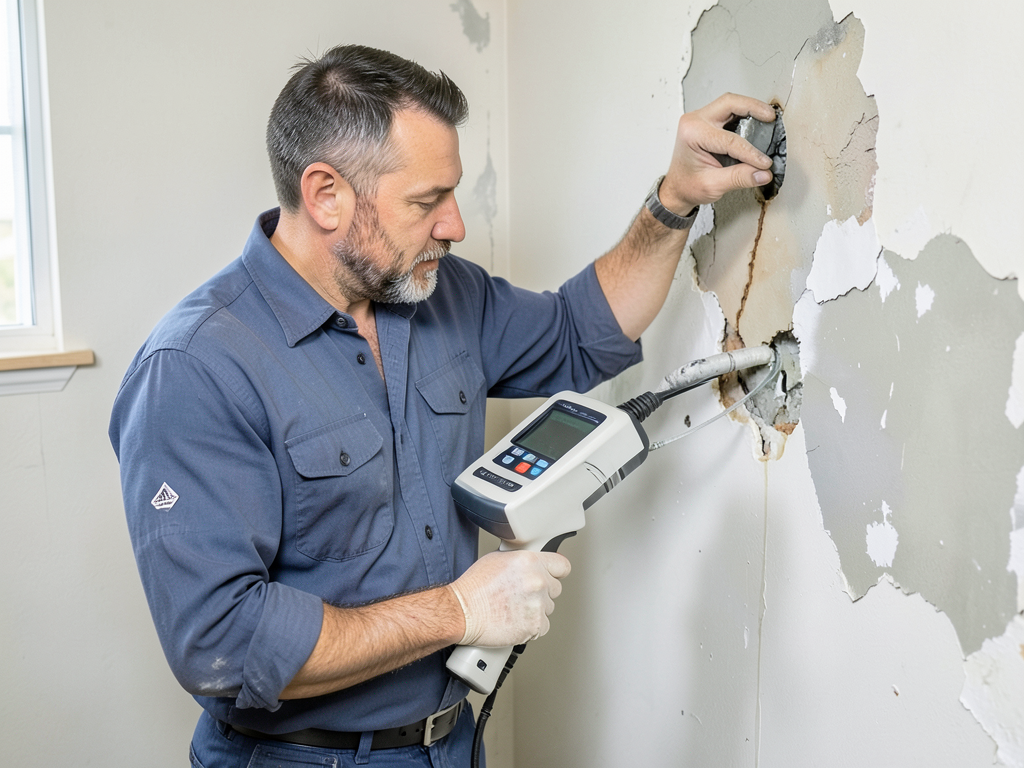
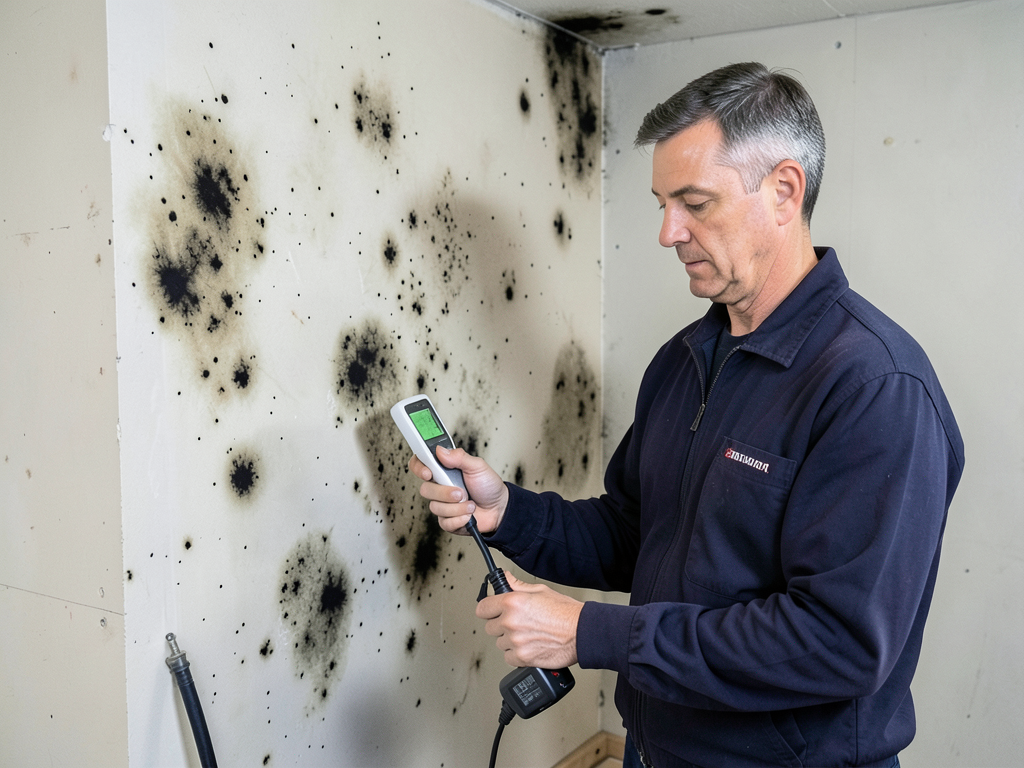
Moisture mapping using thermal imaging and moisture meters guides our drying strategy. We document moisture content in structural elements like drywall, subfloor decking, and insulation to establish drying benchmarks and provide daily progress reports your insurance adjuster and stakeholders require. This data-driven approach eliminates guesswork and prevents premature equipment removal that leads to secondary microbial growth.

For businesses operating under strict compliance requirements, such as medical offices near Riverside Methodist Hospital or food service operations in the Arena District, we coordinate our workflow around your inspection schedules and sanitation protocols. Limiting business disruption means adapting our process to your operational constraints, not forcing you to adapt to ours. We execute after-hours work when required, maintain sterile field protocols in sensitive environments, and provide chain-of-custody documentation for regulated industries.

What Happens When You Call for Emergency Commercial Water Damage Response

Business Interruption Mitigation in Columbus | Industrial-Grade Water Damage Response Built for Zero Downtime
01

Immediate Dispatch and Containment

Our Columbus dispatch center activates a commercial response team within 60 minutes of your call. The first technician on-site performs source isolation, stopping active water flow from failed supply lines, HVAC systems, or roof leaks. We establish containment perimeters using physical barriers and document the affected square footage, water classification, and structural materials at risk. You receive an initial damage assessment and mitigation scope before we begin extraction.
02

Parallel Extraction and Drying

We deploy truck-mounted extraction units for high-volume water removal from commercial spaces, followed by immediate placement of industrial dehumidifiers and air movers configured in a multi-zone drying array. Each zone operates independently, allowing unaffected areas to remain operational. Our project manager provides daily moisture readings and adjusts equipment placement based on drying progress. This phase runs continuously until structural moisture content returns to preloss levels, typically 3 to 7 days depending on materials and saturation depth.
03

Clearance Testing and Reopening

Final moisture verification testing confirms all structural elements meet industry drying standards before equipment demobilization. We provide a certificate of completion documenting moisture levels, drying duration, and affected materials for your insurance claim and facility records. If reconstruction is required, we coordinate with your preferred contractors or provide turnkey rebuild services to return your space to operational status. Your facility reopens with full documentation supporting business continuity restoration and compliance with commercial property insurance requirements.

Why Columbus Businesses Trust Five Star Water Damage Restoration for Critical Response

Commercial water damage creates liability exposure that residential-focused contractors cannot navigate. You need a team that understands commercial lease obligations, understands how to document loss for business interruption insurance claims, and can coordinate with multiple stakeholders including property managers, tenants, and insurance adjusters.

Five Star Water Damage Restoration Columbus operates with the equipment capacity and workforce depth to handle large-scale commercial losses. A flooded 20,000-square-foot warehouse in Columbus requires different resources than a residential basement. We maintain an inventory of commercial-grade extraction and drying equipment staged locally, eliminating the delays caused by contractors scrambling to rent or source equipment after your emergency call.

Our familiarity with Columbus commercial building stock gives us a tactical advantage. We know the common failure points in older buildings along High Street. We understand how the flat-roof construction prevalent in Columbus industrial parks creates ponding and membrane failures. We recognize the HVAC condensate issues common in newer construction throughout Polaris and Easton. This local knowledge allows us to diagnose root causes quickly and prevent recurring failures during restoration.

We also understand Franklin County commercial building codes and work directly with local inspectors when restoration work requires permits or compliance verification. For businesses in regulated industries, we maintain documentation protocols that satisfy OSHA, health department, and industry-specific compliance requirements. Your restoration project does not just fix the damage. It protects you from downstream liability and regulatory exposure.

Time-sensitive industries cannot afford multi-week restoration timelines. We prioritize phased reopening strategies that return critical operational areas to service first, then address secondary spaces during off-peak hours. This approach has allowed Columbus restaurants to reopen dining rooms while we complete back-of-house drying, and office tenants to resume work while we restore ground-floor common areas.

What to Expect During Commercial Water Damage Mitigation

Response Time and Availability

We dispatch commercial response teams 24 hours a day, 7 days a week, including holidays. Columbus businesses receive on-site assessment within 60 to 90 minutes of initial contact for emergency water events. Our project managers remain on-call throughout your restoration to address after-hours issues, coordinate with building security, and adjust workflow around your operational schedule. For multi-location businesses across Columbus, we can deploy simultaneous teams to multiple properties, ensuring consistent response across your portfolio. Equipment arrives fully staged on our trucks, eliminating the delay of sourcing rentals or waiting for third-party vendors.

Initial Assessment and Scope Development

The first site visit includes water source identification, affected area mapping using moisture meters and thermal imaging, and water classification determination based on contamination level. You receive a written scope of work detailing extraction requirements, drying timelines, equipment placement, and any necessary demolition or reconstruction. We photograph all affected areas and document preexisting conditions to support your insurance claim. For complex losses involving multiple floors, HVAC systems, or below-grade spaces, we provide a phased mitigation plan that prioritizes business-critical areas and minimizes operational disruption. This assessment forms the foundation of your claim documentation and establishes clear expectations for restoration duration.

Drying Quality and Verification

We follow IICRC S500 standards for commercial water damage restoration, which requires daily moisture monitoring and documentation until all materials reach structural dryness. Our technicians record moisture readings in drywall, subfloor, insulation, and other building materials, then adjust equipment placement and airflow patterns to optimize drying efficiency. You receive daily progress reports showing moisture trend data and projected completion dates. Final clearance testing confirms moisture levels meet industry standards before equipment removal. This verification prevents premature closure that leads to microbial growth, odor development, and secondary damage that extends your downtime and increases claim costs.

Post-Restoration Support and Prevention

After restoration completion, we provide a detailed loss report documenting all work performed, materials affected, equipment used, and final moisture readings. This report supports your insurance claim and provides facility management documentation for future reference. We also offer post-restoration consultations identifying the root cause of your water event and recommending preventive measures like backflow valve installation, sump pump upgrades, or HVAC condensate line modifications. For Columbus businesses managing multiple properties, we can implement facility-wide moisture monitoring systems and scheduled inspections to catch early warning signs before they escalate into full-scale water events requiring business interruption mitigation.

Frequently Asked Questions

You Have Questions,
We Have Answers

What are the exercises to minimize business interruptions? +

Minimize business interruptions through regular risk assessments, documented emergency response protocols, and cross-training employees for critical roles. Conduct tabletop exercises quarterly to test your continuity plan under realistic scenarios. Maintain updated vendor contracts with guaranteed response times. Implement redundant systems for essential operations, including offsite data backups and alternative communication channels. In Columbus, account for seasonal water damage risks from freeze-thaw cycles and summer storms. Establish relationships with local restoration contractors before disasters strike. Test your insurance coverage limits annually. Document all physical assets with photos and serial numbers. These proactive measures reduce downtime and maintain revenue flow during unexpected disruptions.

What does business interruption coverage cover? +

Business interruption coverage reimburses lost income when physical damage forces you to close or reduce operations. It covers net profit you would have earned, continuing operating expenses like payroll and rent, and temporary relocation costs. The policy activates only after a covered peril damages your property. Coverage extends through the restoration period until you reach pre-loss operating capacity. Most policies include extra expense coverage for costs that reduce the interruption period. In Columbus, claims often stem from water damage, fire, or storm damage to commercial buildings. You must maintain property insurance as the trigger. Civil authority coverage may apply if government orders restrict access to your facility.

What are the ways of mitigating risks in business? +

Mitigate business risks through diversification of revenue streams, suppliers, and key personnel responsibilities. Conduct annual vulnerability assessments identifying single points of failure. Purchase adequate insurance covering property damage, liability, and business interruption. Establish written emergency procedures specific to your facility layout and operations. In Columbus, protect against water damage from aging infrastructure and seasonal weather extremes. Implement preventive maintenance schedules for HVAC, plumbing, and roofing systems. Create secure offsite backups of financial records and customer data. Maintain emergency cash reserves covering three months of operating expenses. Build relationships with local emergency contractors who understand Columbus building codes and can respond quickly during disasters.

What is a mitigation plan in business? +

A mitigation plan identifies potential threats to your business operations and defines specific actions to reduce their likelihood or impact. It assigns responsibilities, establishes timelines, and allocates resources for implementation. The plan includes preventive measures like equipment upgrades, staff training, and facility hardening. It documents response protocols for various disaster scenarios specific to your industry and location. In Columbus, address risks from basement flooding, pipe bursts during winter, and storm damage to older commercial buildings. The plan should integrate with your insurance coverage, identifying gaps and ensuring adequate limits. Update the plan annually and after any significant operational changes. Effective mitigation reduces downtime, protects revenue, and lowers insurance premiums.

What are the 4 P's of business continuity? +

The 4 P's of business continuity are People, Processes, Premises, and Providers. People includes staff safety, communication trees, and succession planning for critical roles. Processes covers documented procedures for maintaining essential operations during disruptions. Premises addresses facility access, alternate work locations, and physical asset protection. Providers encompasses vendor relationships, supply chain redundancy, and contractor agreements. In Columbus, prepare for scenarios where water damage makes your premises temporarily unusable. Establish remote work capabilities and backup locations within the metro area. Pre-qualify restoration contractors familiar with local commercial building codes. Each element requires regular testing and updates to remain effective during actual emergencies when speed determines financial impact.

How to professionally tell someone to stop interrupting? +

This question addresses workplace communication, not business interruption mitigation for water damage restoration. Professional interruption management involves clear meeting protocols and respectful redirection. Address the behavior privately after the meeting. Use objective language focused on impact rather than personal criticism. State what you observed, explain how it affects meeting productivity, and request specific behavioral changes. Document patterns if interruptions continue. In business continuity planning, clear communication channels prevent confusion during emergencies. Establish chain of command and decision authority before disasters strike. Columbus businesses benefit from written protocols that eliminate ambiguity when water damage or other disruptions require immediate coordinated response from multiple stakeholders.

What is probably the most common cause of a business interruption? +

Water damage causes the most common business interruptions in Columbus. Pipe bursts during freeze-thaw cycles, roof leaks from aging commercial buildings, and basement flooding from heavy rainfall disrupt operations across all industries. The city's older infrastructure and clay soil conditions increase water intrusion risks. Unlike fire, water damage often occurs gradually, allowing microbial growth and structural deterioration before discovery. Equipment failure ranks second, particularly HVAC systems and plumbing in buildings over 30 years old. Supply chain disruptions and utility outages follow. Water damage proves particularly costly because it affects inventory, electronics, documents, and building materials simultaneously. Swift response within 24 hours prevents secondary damage and reduces the interruption period significantly.

What is the 80% rule in insurance? +

The 80% rule requires you to carry coverage equal to at least 80% of your property's replacement value to avoid coinsurance penalties. If you underinsure, the insurance company reduces claim payments proportionally. For example, if your building needs $500,000 coverage but you carry only $300,000, you become a co-insurer for the gap. The insurer pays only 75% of covered losses regardless of the claim size. This rule applies to both property damage and business interruption coverage. In Columbus, commercial property values have increased significantly, making annual coverage reviews critical. Many businesses unknowingly trigger coinsurance penalties during claims. Work with your agent to verify replacement cost estimates account for current construction costs and local labor rates.

What is not covered under business interruption? +

Business interruption insurance excludes losses from undamaged property, meaning you must have direct physical loss to trigger coverage. It does not cover pandemics, government shutdowns without property damage, utility failures occurring off your premises, or loss of key personnel. Ordinary wear and tear, delayed projects, and anticipated profits from new ventures are excluded. In Columbus, seasonal slowdowns and market fluctuations are not covered. The policy excludes the time needed to repair pre-existing damage discovered during restoration. Late payments from customers and voluntary suspension of operations receive no coverage. Most policies exclude flood and earthquake without separate endorsements. Coverage begins only after the restoration period starts, not during normal equipment breakdowns covered under warranties.

What are the 4 mitigation strategies? +

The four mitigation strategies are avoidance, reduction, transference, and acceptance. Avoidance eliminates activities that create risk, such as storing critical documents in flood-prone basements. Reduction implements controls that decrease likelihood or severity, including preventive maintenance and early detection systems. Transference shifts financial burden through insurance policies and contractual agreements with vendors. Acceptance acknowledges residual risks too costly to address otherwise and maintains reserves for potential losses. In Columbus, businesses combine strategies based on their specific vulnerabilities. Install water detection sensors and automatic shutoff valves to reduce water damage risk. Transfer financial exposure through adequate business interruption coverage. Accept minor disruption risks while prioritizing protection for revenue-critical operations and assets.

Why Columbus's Aging Commercial Infrastructure Demands Proactive Water Damage Response

Columbus commercial properties face water intrusion risks tied directly to the city's infrastructure age and geographical features. Many buildings in German Village, Victorian Village, and downtown Columbus were constructed before modern plumbing codes, using galvanized steel supply lines and clay tile drainage systems prone to failure. The Scioto and Olentangy Rivers create high water tables throughout Franklinton and parts of downtown, increasing hydrostatic pressure on below-grade spaces and basement walls. Columbus's freeze-thaw cycles, with winter temperatures regularly dropping below freezing then spiking into the 40s, cause expansion and contraction in building envelopes that lead to roof membrane failures and exterior wall penetrations. These location-specific factors make business continuity restoration a critical component of commercial property management across Franklin County.

Choosing a Columbus-based water damage restoration provider means working with technicians who understand local building construction methods, municipal code requirements, and insurance claim procedures specific to Franklin County. Five Star Water Damage Restoration Columbus maintains relationships with local commercial property managers, insurance adjusters, and building inspectors, streamlining the approval and documentation process that often delays out-of-town contractors. Our equipment staging facility in Columbus eliminates the mobilization delays common with regional or national providers who must transport resources from distant hubs. When your business faces water damage, local expertise translates directly into faster response, shorter drying timelines, and reduced business interruption costs.
Water Damage Restoration Services in The Columbus Area

We proudly serve the wider Columbus area and its surrounding communities. Our centrally located office allows our emergency response teams to reach your property quickly, no matter where you are. We are committed to being a reliable resource for our neighbors, and our responsive team is always on standby to provide professional assistance when you need it most. We believe that local expertise and a quick response are crucial when dealing with water damage, so we encourage you to view our service area to see if we can help.

Address:
Five Star Water Damage Restoration Columbus, 601 N High St, Columbus, OH, 43215

Additional Services We Offer

Our news updates

Latest Articles & News from The Blogs

Dealing with water damage when you live in a Columbus HOA or condo association Water damage in a Columbus condo…

Dealing with water damage when you live in a Columbus HOA or condo association

Dealing with water damage when you live in a Columbus HOA or condo association Water damage in a Columbus condo…

The real difference between common mildew and dangerous black mold in Eastmoor homes

The real difference between common mildew and dangerous black mold in Eastmoor homes Eastmoor homeowners often spot dark patches in…

Testing your sump pump before the spring rains hit the South Side

Testing your sump pump before the spring rains hit the South Side \n\n Heavy spring rains combined with the clay-rich…

Contact Us

Water damage does not wait for business hours. Every hour of delay increases your liability and lost revenue. Call Five Star Water Damage Restoration Columbus now at (614) 707-7505 for immediate dispatch and commercial-grade mitigation that keeps your operations running.