
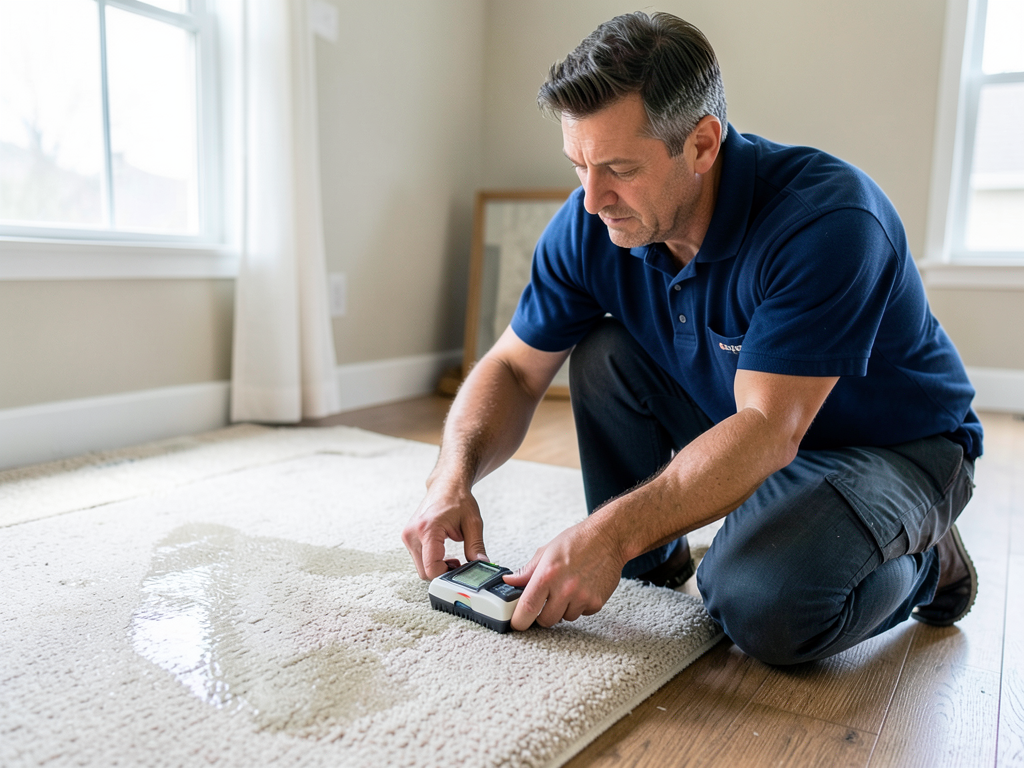
Can You Save Wet Carpet Padding? A Professional Restoration Guide for Columbus Homeowners
The short answer is no you cannot always save carpet padding after a flood. Whether padding can be salvaged depends entirely on the water category and how quickly you act. Clean water from a broken supply line might be restorable within 24 hours but contaminated water from a sump pump failure or sewage backup requires immediate replacement. This guide explains the science behind padding restoration health risks and when to call a Columbus professional. Professional water damage restoration for Short North shops and galleries.
The Short Answer: Replace vs. Restore
Carpet padding acts like a sponge trapping moisture against your subfloor. While carpet fibers can often be cleaned and dried padding’s cellular structure makes it nearly impossible to fully extract water once it’s saturated. The decision to save or toss comes down to three factors: water category exposure time and material composition.. Read more about Understanding the three categories of water and why they change your cleanup costs.
Clean water from a supply line break gives you a 24-hour window to attempt restoration. Gray water from appliances requires immediate removal. Black water from sewage or flooding mandates disposal regardless of exposure time.
Understanding Water Categories (The IICRC Standards)
The Institute of Inspection Cleaning and Restoration Certification (IICRC) S500 Standard defines three water categories that determine restoration approaches:
| Category | Source Examples | Restoration Approach | Health Risk |
|---|---|---|---|
| Category 1 | Broken supply line clean rainwater | Salvageable if dried within 24 hours | Minimal |
| Category 2 | Sump pump failure dishwasher overflow | Padding must be replaced | Moderate |
| Category 3 | Sewer backup river flooding | Complete removal and replacement | High |
Columbus homes near the Scioto River or with older combined sewer systems face higher risks of Category 3 water exposure during heavy rains. The city’s clay soil also contributes to hydrostatic pressure that can force groundwater through foundation cracks.
The Science of Padding: Why It’s Harder to Dry Than Carpet
Rebond padding consists of shredded polyurethane foam bonded with adhesive. This cellular structure creates thousands of tiny chambers that hold water through capillary action. Unlike carpet fibers that can be extracted with professional equipment padding traps moisture against the subfloor where it cannot evaporate.
Moisture meters reading at 19% or higher indicate conditions favorable for microbial growth. Under padding temperatures between 70-90°F and humidity above 60% create perfect conditions for mold spore germination within 24-48 hours.
Closed-cell foam padding resists water absorption better than rebond but even it cannot be fully restored once contaminated. The cost difference between attempting restoration versus replacement often makes replacement the more economical choice.
Step-by-Step DIY Drying Process (For Clean Water Only)
If you’re dealing with clean water and caught it within 24 hours follow these steps immediately:
- Stop the Water Source
Turn off the main water supply if it’s a plumbing issue. For rainwater address the entry point with tarps or buckets.
- Extract Standing Water
Use a wet vacuum or carpet cleaner to remove as much water as possible. Push the wand in multiple directions to maximize extraction.
- Pull Back the Carpet
Gently lift the carpet from the tack strip. Start in a corner and work systematically across the room.
- Remove and Discard Padding
Cut the padding into manageable sections. Roll it up and dispose of it in heavy-duty trash bags.
- Set Up Drying Equipment
Position industrial air movers every 10-12 feet along the affected area. Place dehumidifiers in the room to remove moisture from the air.
- Monitor Moisture Levels
Use a moisture meter to check the subfloor daily. Continue drying until readings drop below 16%.. Read more about How to check vintage furniture finds for hidden mold before bringing them into your Olde Towne East home.
Consumer-grade equipment typically moves 500-1500 cubic feet per minute (CFM) of air. Professional restoration equipment moves 2000-3500 CFM and includes features like variable speed control and ducting options for wall cavities.
Health Risks of Improperly Dried Padding
Wet padding creates more than just an odor problem. The trapped moisture environment promotes several health hazards:
- Mold spore release beginning at 24-48 hours
- Bacterial colonies producing endotoxins
- Dust mite population explosions in humid conditions
- Structural damage from prolonged moisture exposure
The characteristic “wet dog” smell comes from microbial volatile organic compounds (MVOCs) released by bacteria and mold. These compounds can trigger respiratory issues especially in children and elderly residents.
Columbus’s summer humidity levels averaging 70% create additional challenges. The moisture already in the air slows evaporation rates making professional dehumidification equipment essential for complete drying.
When to Call a Columbus Professional
Certain situations require immediate professional intervention. Call (614) 707-7505 if you notice:
- Water that has been sitting for more than 24 hours
- Any signs of contamination (sewage smell discoloration)
- Water affecting multiple rooms or levels
- Carpet that feels spongy or separates from the subfloor
- Visible mold growth or musty odors
Professional restoration technicians use thermal imaging cameras to detect hidden moisture in wall cavities and under flooring. These cameras identify temperature differences that indicate water presence even through carpet and padding.
Columbus’s building codes require proper moisture content before reconstruction. The Ohio Residential Code Section 31.1.3.4 mandates that wood subfloors maintain moisture content below 16% before installing new flooring materials.
Professional services also include antimicrobial treatments that prevent mold growth during the drying process. These treatments are especially important in Columbus’s humid climate where secondary damage can occur even after visible water is removed.
Insurance companies often prefer professional documentation of the drying process. This documentation can prevent disputes over whether secondary damage was caused by the initial event or poor restoration practices.
The cost of professional restoration typically ranges from $3-8 per square foot depending on the category of water and extent of damage. This investment often prevents much costlier mold remediation or structural repairs down the road. Mold Remediation & Removal.
Don’t wait until the problem escalates. Call (614) 707-7505 today to schedule your inspection. Our certified technicians understand Columbus’s unique climate challenges and building requirements.
Frequently Asked Questions
How long does it take to dry carpet padding?
Clean water padding can dry in 24-72 hours with professional equipment. Contaminated padding should be removed immediately rather than attempting to dry it.
Can I just replace the padding and keep the carpet?
Yes if the carpet wasn’t submerged for extended periods and the water was clean. Professional cleaning and sanitization may be necessary before reinstalling the carpet over new padding.
What’s the average cost to replace carpet padding in Columbus?
Standard rebond padding replacement costs $0.50-1.50 per square foot. Premium padding or installation in difficult areas may cost more.
Will my insurance cover padding replacement?
Most homeowners policies cover sudden water damage including padding replacement. Gradual damage or lack of maintenance may not be covered. Check your specific policy details.
How can I tell if padding is still wet underneath?
Moisture meters provide accurate readings. Without professional equipment signs include carpet feeling heavier than normal visible water spots reappearing after cleaning or persistent musty odors.
Is it safe to stay in a house with wet carpet padding?
For clean water exposure under 24 hours it’s generally safe. For contaminated water or longer exposure times find alternative accommodations until professional assessment and remediation are complete.
What happens if I don’t replace wet padding?
Trapped moisture leads to mold growth structural damage to the subfloor and persistent odors. These issues often cost significantly more to remediate than initial padding replacement.
Can I dry padding in place without removing the carpet?
Professional extraction tools can sometimes dry padding in place for clean water situations caught early. However lifting the carpet provides the most thorough drying and allows inspection of the subfloor.
How does Columbus humidity affect drying times?
Columbus’s average 70% summer humidity slows evaporation rates significantly. Professional dehumidification becomes essential for complete drying during humid months.
What type of padding should I choose for replacement?
Standard rebond padding works for most applications. Consider moisture-resistant padding for basements or areas prone to spills. Thickness typically ranges from 1/4″ to 7/16″ depending on carpet type.
You may also find this helpful. Keeping your Upper Arlington home safe from Christmas tree water leaks and spills.
{
“@context”: “https://schema.org”,
“@type”: “BlogPosting”,
“headline”: “Can you actually save the carpet padding after a flood or should you toss it?”,
“description”: “Learn if carpet padding can survive flood damage in Columbus homes. Get expert advice on water categories, drying methods, and when to call professionals.”,
“wordCount”: 1303,
“datePublished”: “2026-05-18T10:43:00.000Z”,
“dateModified”: “2026-05-18T10:43:00.000Z”,
“inLanguage”: “en-US”,
“mainEntityOfPage”: {
“@type”: “WebPage”,
“@id”: “https://fivestarwaterdamagerestorationcolumbus.com”
},
“publisher”: {
“@type”: “LocalBusiness”,
“name”: “Five Star Water Damage Restoration Columbus”,
“url”: “https://fivestarwaterdamagerestorationcolumbus.com”
},
“author”: {
“@type”: “Organization”,
“name”: “Five Star Water Damage Restoration Columbus”,
“url”: “https://fivestarwaterdamagerestorationcolumbus.com”
},
“image”: {
“@type”: “ImageObject”,
“url”: “https://fivestarwaterdamagerestorationcolumbus.com/wp-content/uploads/2026/03/can-you-actually-save-the-carpet-padding-after-a-f-1.png”
}
}
{
“@context”: “https://schema.org”,
“@type”: “LocalBusiness”,
“name”: “Five Star Water Damage Restoration Columbus”,
“url”: “https://fivestarwaterdamagerestorationcolumbus.com”,
“address”: {
“@type”: “PostalAddress”,
“addressLocality”: “Columbus”
},
“areaServed”: {
“@type”: “City”,
“name”: “Columbus”
}
}
{
“@context”: “https://schema.org”,
“@type”: “FAQPage”,
“mainEntity”: [
{
“@type”: “Question”,
“name”: “How long does it take to dry carpet padding?”,
“acceptedAnswer”: {
“@type”: “Answer”,
“text”: “Clean water padding can dry in 24-72 hours with professional equipment. Contaminated padding should be removed immediately rather than attempting to dry it.”
}
},
{
“@type”: “Question”,
“name”: “Can I just replace the padding and keep the carpet?”,
“acceptedAnswer”: {
“@type”: “Answer”,
“text”: “Yes if the carpet wasn’t submerged for extended periods and the water was clean. Professional cleaning and sanitization may be necessary before reinstalling the carpet over new padding.”
}
},
{
“@type”: “Question”,
“name”: “What’s the average cost to replace carpet padding in Columbus?”,
“acceptedAnswer”: {
“@type”: “Answer”,
“text”: “Standard rebond padding replacement costs $0.50-1.50 per square foot. Premium padding or installation in difficult areas may cost more.”
}
},
{
“@type”: “Question”,
“name”: “Will my insurance cover padding replacement?”,
“acceptedAnswer”: {
“@type”: “Answer”,
“text”: “Most homeowners policies cover sudden water damage including padding replacement. Gradual damage or lack of maintenance may not be covered. Check your specific policy details.”
}
},
{
“@type”: “Question”,
“name”: “Is it safe to stay in a house with wet carpet padding?”,
“acceptedAnswer”: {
“@type”: “Answer”,
“text”: “For clean water exposure under 24 hours it’s generally safe. For contaminated water or longer exposure times find alternative accommodations until professional assessment and remediation are complete.”
}
},
{
“@type”: “Question”,
“name”: “What happens if I don’t replace wet padding?”,
“acceptedAnswer”: {
“@type”: “Answer”,
“text”: “Trapped moisture leads to mold growth structural damage to the subfloor and persistent odors. These issues often cost significantly more to remediate than initial padding replacement.”
}
},
{
“@type”: “Question”,
“name”: “How does Columbus humidity affect drying times?”,
“acceptedAnswer”: {
“@type”: “Answer”,
“text”: “Columbus’s average 70% summer humidity slows evaporation rates significantly. Professional dehumidification becomes essential for complete drying during humid months.”
}
},
{
“@type”: “Question”,
“name”: “What type of padding should I choose for replacement?”,
“acceptedAnswer”: {
“@type”: “Answer”,
“text”: “Standard rebond padding works for most applications. Consider moisture-resistant padding for basements or areas prone to spills. Thickness typically ranges from 1/4\” to 7/16\” depending on carpet type.”
}
}
]
}
{
“@context”: “https://schema.org”,
“@type”: “HowTo”,
“name”: “How to Dry Clean Water Carpet Padding”,
“step”: [
{
“@type”: “HowToStep”,
“position”: 1,
“name”: “Stop the Water Source”,
“text”: “Turn off the main water supply if it’s a plumbing issue. For rainwater address the entry point with tarps or buckets.”
},
{
“@type”: “HowToStep”,
“position”: 2,
“name”: “Extract Standing Water”,
“text”: “Use a wet vacuum or carpet cleaner to remove as much water as possible. Push the wand in multiple directions to maximize extraction.”
},
{
“@type”: “HowToStep”,
“position”: 3,
“name”: “Pull Back the Carpet”,
“text”: “Gently lift the carpet from the tack strip. Start in a corner and work systematically across the room.”
},
{
“@type”: “HowToStep”,
“position”: 4,
“name”: “Remove and Discard Padding”,
“text”: “Cut the padding into manageable sections. Roll it up and dispose of it in heavy-duty trash bags.”
},
{
“@type”: “HowToStep”,
“position”: 5,
“name”: “Set Up Drying Equipment”,
“text”: “Position industrial air movers every 10-12 feet along the affected area. Place dehumidifiers in the room to remove moisture from the air.”
},
{
“@type”: “HowToStep”,
“position”: 6,
“name”: “Monitor Moisture Levels”,
“text”: “Use a moisture meter to check the subfloor daily. Continue drying until readings drop below 16%.”
}
],
“image”: “https://fivestarwaterdamagerestorationcolumbus.com/wp-content/uploads/2026/03/can-you-actually-save-the-carpet-padding-after-a-f-1.png”
}
{
“@context”: “https://schema.org”,
“@type”: “BreadcrumbList”,
“itemListElement”: [
{
“@type”: “ListItem”,
“position”: 1,
“name”: “Home”,
“item”: “https://fivestarwaterdamagerestorationcolumbus.com”
},
{
“@type”: “ListItem”,
“position”: 2,
“name”: “Blog”,
“item”: “https://fivestarwaterdamagerestorationcolumbus.com/blog”
},
{
“@type”: “ListItem”,
“position”: 3,
“name”: “Can you actually save the carpet padding after a flood or should you toss it?”
}
]
}
{
“@context”: “https://schema.org”,
“@type”: “Service”,
“serviceType”: “Water Damage Restoration”,
“provider”: {
“@type”: “LocalBusiness”,
“name”: “Five Star Water Damage Restoration Columbus”,
“url”: “https://fivestarwaterdamagerestorationcolumbus.com”
},
“areaServed”: {
“@type”: “City”,
“name”: “Columbus”
},
“description”: “Learn if carpet padding can survive flood damage in Columbus homes. Get expert advice on water categories, drying methods, and when to call professionals.”
}