Menu

Carpet Water Extraction in Columbus – Fast Response to Prevent Mold and Save Your Flooring

Expert carpet water removal across Columbus and Franklin County, with truck-mounted extractors and thermal imaging to pull water from padding and subfloors before permanent damage sets in.

Slider Image 1
Slider Image 2
Slider Image 3
Slider Image 4
Slider Image 5
Slider Image 7
Slider Image 8
Slider Image 9
Slider Image 10
Slider Image 11

Why Columbus Carpets Hold Water Longer Than You Think

Columbus sits in a humid continental zone where moisture does not evaporate quickly. When a pipe bursts in German Village or a washing machine overflows in Clintonville, water seeps through carpet fibers and saturates the padding beneath. That padding acts like a sponge. Within 48 hours, mold colonies begin to form in the subfloor. You might think the surface feels dry, but moisture meters reveal saturation levels that will buckle hardwood and rot joists.

Franklin County's clay-heavy soil also means crawl spaces trap humidity year-round. A flooded carpet in a Hilltop basement or a Westerville townhome does not just need surface drying. You need wet carpet extraction that targets the pad, tack strips, and subflooring. Household fans and shop vacs cannot generate the suction or airflow required to remove standing water from dense carpet fibers or extract moisture trapped in underlayment.

Delayed action leads to delamination, where carpet backing separates from the fiber layer. You will also smell the sour odor of microbial growth within days. Professional water damage carpet extraction uses industrial extractors that pull gallons per minute, not cups. The difference between salvaging your carpet and replacing it comes down to response time and equipment power. Columbus residents in Short North lofts or Upper Arlington colonials face the same risk if water is not removed from every layer.

Why Columbus Carpets Hold Water Longer Than You Think
How Professional Extraction Differs from DIY Methods

How Professional Extraction Differs from DIY Methods

Five Star Water Damage Restoration Columbus deploys truck-mounted extractors that generate over 400 CFM of airflow and suction exceeding 10 inches of water lift. This level of force pulls water from carpet fibers, backing, and padding in a single pass. Portable wet vacs sold at hardware stores max out at 2 inches of lift. They leave 60 to 70 percent of the water behind.

We start with thermal imaging to map moisture distribution. Wet zones often extend three feet beyond visible water. After extraction, we pull back carpet corners to inspect the pad. If the pad is saturated, we remove it entirely and treat the subfloor with antimicrobial agents. Leaving wet padding in place guarantees mold growth and odor.

Air movers and commercial dehumidifiers then target residual moisture. We place equipment in a drying chamber configuration, creating negative air pressure that drives moisture out of porous materials. Drying is not passive. We monitor humidity levels every 12 hours and adjust equipment placement based on psychrometric readings.

Emergency carpet water removal also involves extracting water from baseboards and drywall. Water wicks up wall cavities and spreads horizontally. If we skip this step, the carpet dries but the walls remain damp. Flooded carpet extraction must address the entire envelope, not just the visible surface. Columbus homes built before 1980 often lack vapor barriers, which means subfloor moisture migrates into framing lumber. We dry the structure, not just the floor covering.

What Happens During Emergency Carpet Extraction

Carpet Water Extraction in Columbus – Fast Response to Prevent Mold and Save Your Flooring
01

Immediate Water Removal

We arrive with truck-mounted extractors and begin pulling standing water from carpet and padding within minutes of your call. Technicians section off the affected area and use wand tools to make overlapping passes, removing gallons per minute. Speed matters because every hour of saturation increases the chance of permanent staining and microbial growth in underlayment.
02

Pad and Subfloor Inspection

After surface extraction, we pull back carpet edges to check padding saturation and subfloor condition. Moisture meters measure water content in wood and concrete. If padding is soaked, we remove and dispose of it. Subfloors receive antimicrobial treatment to prevent mold colonization. This step determines whether carpet can be saved or requires replacement.
03

Structural Drying Setup

We deploy air movers and commercial dehumidifiers in a calculated configuration to create airflow across all damp surfaces. Equipment runs 24 to 72 hours depending on saturation levels. Technicians return daily to monitor moisture readings and adjust equipment. The goal is to bring materials below 15 percent moisture content, which prevents mold and restores structural integrity.

Why Columbus Property Owners Choose Local Extraction Specialists

Columbus experiences freeze-thaw cycles that crack slab foundations and stress plumbing connections. Homes in Bexley and Grandview Heights built on slab-on-grade construction are vulnerable to slab leaks, where pressurized water lines rupture beneath flooring. When this happens, water spreads across large areas before you notice surface dampness. Five Star Water Damage Restoration Columbus understands the construction methods common to Franklin County and knows where hidden moisture accumulates.

We also navigate local building codes and insurance procedures specific to Ohio. Franklin County requires permits for subfloor replacement in certain occupancy types. We document moisture readings, photograph damage progression, and provide detailed estimates that meet insurance adjuster requirements. This saves you time and reduces claim disputes.

Our familiarity with Columbus neighborhoods means faster response. We know that Brewery District lofts have concrete subfloors that resist drying, while Worthington homes often have crawl spaces that trap humidity. We adjust our drying strategy based on the building type and local conditions.

Choosing a local provider also means accountability. We operate in this community and depend on referrals. Our technicians live in Columbus, respond from Columbus, and understand the urgency of carpet water removal when a sump pump fails during spring rains or a water heater ruptures in January. National franchises dispatch from regional hubs. We dispatch from blocks away. That difference matters when mold growth starts in 48 hours and you need extraction equipment on-site immediately.

What to Expect When You Call for Carpet Water Extraction

Same-Day Response and Availability

We operate 24 hours a day and respond to emergency calls within 60 to 90 minutes across Columbus and Franklin County. Water damage does not wait for business hours. Whether your carpet floods at 3 a.m. or on a Sunday afternoon, we dispatch a crew with truck-mounted extraction equipment immediately. Time is the deciding factor between salvaging flooring and replacing it. Our response time minimizes secondary damage and reduces drying costs. You call, we move.

Onsite Assessment and Moisture Mapping

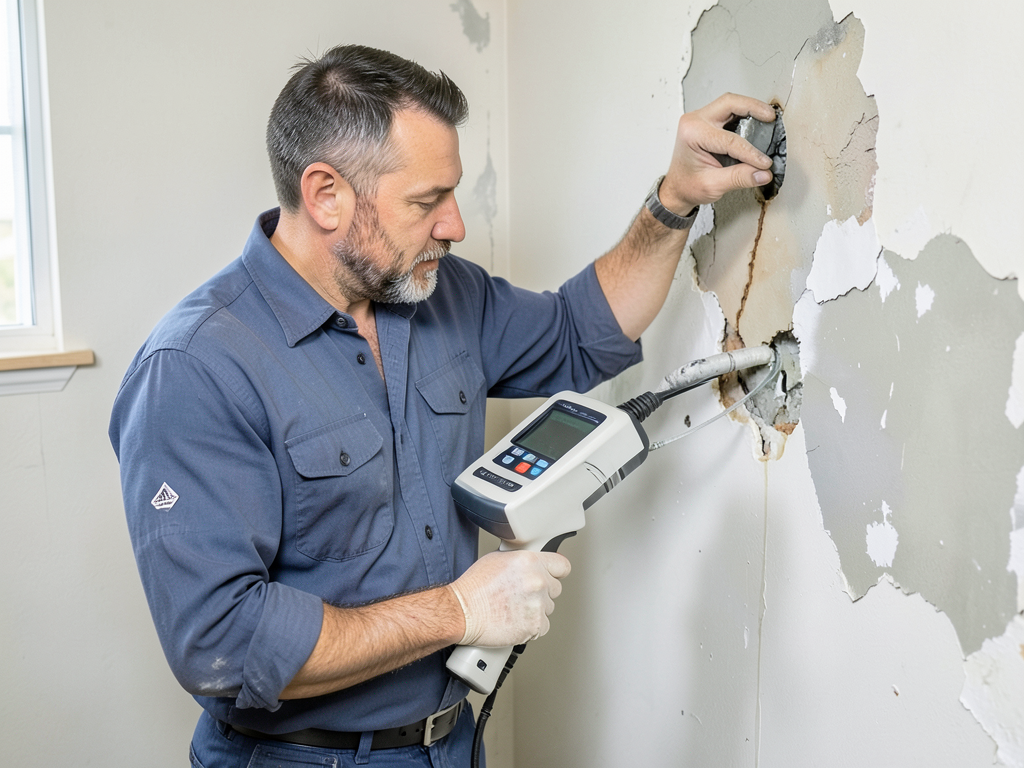
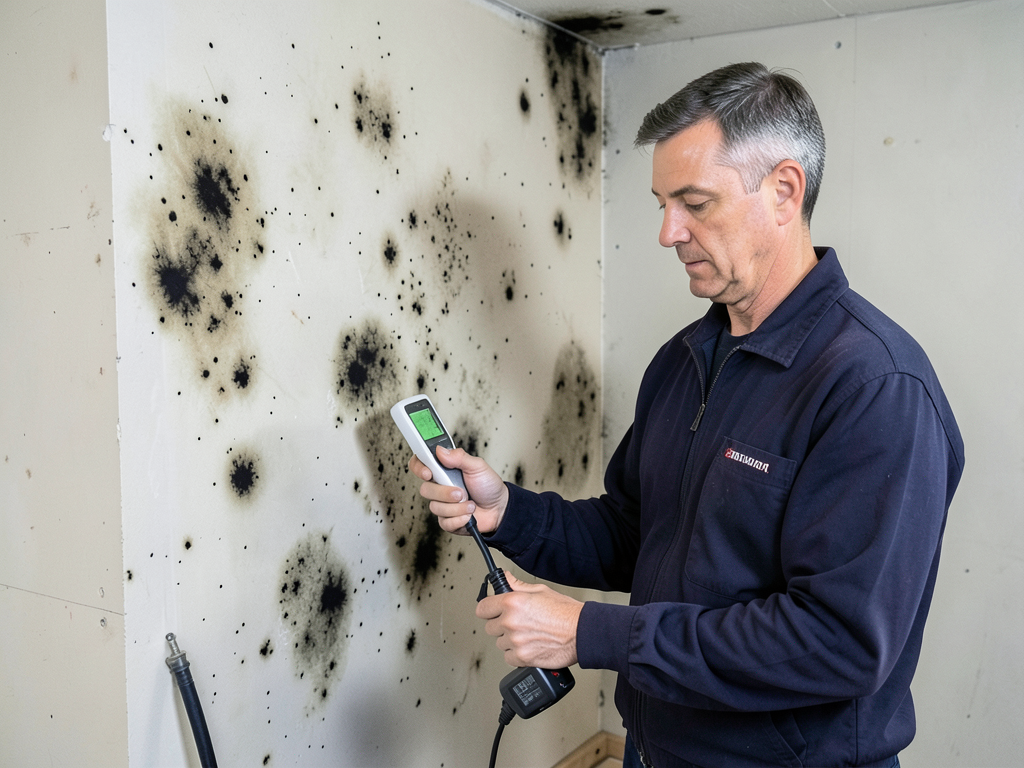
Technicians arrive with thermal cameras and moisture meters to identify all affected areas, including hidden saturation in walls and subfloors. We explain findings in plain language and outline the extraction and drying process before starting work. You receive a written scope that details equipment placement, estimated drying time, and next steps. This transparency helps you make informed decisions and communicate clearly with your insurance carrier. No surprises, no upselling.

Complete Drying and Verification

Extraction is only the first phase. We set up air movers and dehumidifiers to dry structural materials over 24 to 72 hours. Technicians return daily to record moisture levels and adjust equipment. Once readings confirm all materials are below 15 percent moisture content, we remove equipment and document final conditions. You get a certificate of drying that proves materials are stable. This protects you from future mold claims and satisfies insurance requirements.

Post-Extraction Recommendations and Follow-Up

After drying is complete, we provide guidance on carpet reinstallation, pad replacement, and odor control. If padding was removed, we recommend upgraded moisture-resistant materials. We also identify the water source and suggest repairs to prevent recurrence. Follow-up moisture checks are available if you have concerns about hidden dampness. Our goal is not just to dry your carpet but to restore your property to a safe, stable condition.

Frequently Asked Questions

You Have Questions,
We Have Answers

How to extract water from carpet? +

Start by removing furniture and soaking up standing water with towels. Use a wet vacuum or extractor to pull water from the carpet fibers, working in overlapping passes. Extract padding separately if soaked. Position fans and dehumidifiers to accelerate drying. In Columbus, high humidity during summer months slows evaporation, making professional equipment critical. If water sat longer than 24 hours or comes from contaminated sources like sewage, call a restoration professional. DIY methods work for small, clean spills, but flooding requires industrial extractors and moisture meters to prevent hidden damage.

How much does it cost to get water out of carpet? +

Professional carpet water extraction in Columbus typically ranges based on affected area size, water contamination level, and carpet type. Clean water removal costs less than sewage backup cleanup. Most companies charge per square foot or by room. Emergency services outside business hours may carry surcharges. Factors affecting price include padding replacement needs, antimicrobial treatment, and drying equipment runtime. Columbus basements with finished carpeting often require subfloor inspection, adding cost. Insurance often covers water damage extraction, especially from burst pipes or storms. Get a detailed estimate before work begins to understand what your policy covers.

How long can carpet stay wet before mold? +

Carpet can begin growing mold within 24 to 48 hours after water exposure. Columbus humidity, especially during muggy summer months, accelerates mold growth. The clock starts when water first contacts fibers, not when you discover it. Backing and padding trap moisture longer than surface fibers. Warm temperatures above 70 degrees speed fungal development. If carpet stays wet beyond 48 hours, mold colonies establish and spread through spores. You may not see visible mold immediately, but musty odors signal growth. Act within the first day to prevent contamination. Delayed extraction often means full carpet replacement.

Is an extractor better than a carpet cleaner? +

Yes, a water extractor removes significantly more moisture than a carpet cleaner. Extractors use powerful suction designed specifically for water removal, pulling liquid from deep within fibers and padding. Carpet cleaners inject cleaning solution and extract it, but lack the suction power needed for flood situations. After water damage in Columbus homes, you need maximum moisture removal, not surface cleaning. Extractors handle large volumes quickly and reach deeper carpet layers. Use a carpet cleaner after restoration for sanitation, not as your primary drying tool. For flooding, rent or hire professional extraction equipment rather than relying on household carpet cleaners.

Can you use a shop vac to extract water from carpet? +

A shop vac helps with small water spills but lacks power for serious carpet flooding. Standard shop vacs remove surface water but cannot extract moisture from padding or deep fibers. You will need to make dozens of passes, emptying the tank repeatedly. The suction weakens as the tank fills. For minor leaks in Columbus homes, a shop vac buys time until professionals arrive. Empty the tank frequently and use the floor attachment. For basement floods or broken pipes, shop vacs prove inadequate. Restoration companies use truck-mounted extractors with ten times the suction power, removing water in a fraction of the time.

How long does it take carpet to dry after flooding? +

Carpet drying time after flooding varies from 24 hours to five days depending on water volume, airflow, humidity, and carpet thickness. Columbus summer humidity extends drying time significantly compared to winter months with forced air heating. Proper extraction cuts drying time in half. Industrial fans and dehumidifiers running continuously speed the process. Padding takes longer to dry than carpet surface. Walk on damp carpet minimally to prevent mildew crushing into fibers. If carpet remains wet after 72 hours despite fans, padding likely needs replacement. Professional moisture meters track progress and confirm complete drying before reinstallation.

Can Stanley Steemer remove water from carpet? +

Stanley Steemer offers water damage restoration services in some markets, including emergency water extraction. They use truck-mounted equipment and commercial dehumidifiers. However, their primary business focuses on carpet cleaning rather than disaster restoration. For Columbus water damage, consider companies specializing exclusively in restoration work. These specialists carry advanced moisture detection tools, handle insurance claims daily, and understand local building codes for drying standards. Stanley Steemer can handle small residential spills adequately, but severe flooding, sewage backups, or commercial losses require dedicated restoration contractors with IICRC certification in water damage restoration.

Do you need to replace carpet after water damage? +

Carpet replacement depends on water source, exposure time, and damage extent. Clean water from supply lines, caught within 24 hours, often saves carpet with proper extraction and drying. Gray water from appliances or black water from sewage requires carpet disposal for health safety. If water sat longer than 48 hours, mold contamination typically necessitates replacement. Columbus basements with previous moisture issues face higher mold risk. Delaminated backing, persistent odors after cleaning, or visible staining indicate replacement needs. Padding almost always requires replacement after flooding since it traps contaminants and rarely dries completely.

How much does it cost to remove 1000 square feet of carpet? +

Removing 1000 square feet of carpet costs between disposal fees, labor, and material type in Columbus. The price does not include new carpet installation or subfloor repairs. Wet carpet weighs significantly more, increasing disposal costs. Glued-down carpet requires more labor than stretched carpet. Additional costs include padding removal, tack strip disposal, and subfloor cleaning. Water-damaged carpet may need special handling if contaminated. Many restoration companies include removal in their water damage estimates. For insurance claims, document all removal costs separately. Columbus waste facilities charge by weight for carpet disposal, adding to total project expense.

What are the first signs of mold sickness? +

Early mold sickness symptoms include persistent coughing, sneezing, itchy eyes, and nasal congestion that worsens indoors. You may experience headaches, fatigue, or difficulty concentrating when inside the affected building. Skin rashes and throat irritation appear in sensitive individuals. Wheezing or chest tightness signals respiratory irritation. Columbus residents with asthma or allergies react more severely to mold exposure. Symptoms improve when you leave the building and return upon re-entry. Children and elderly individuals show symptoms first. If multiple household members develop simultaneous respiratory issues after water damage, suspect mold growth. Seek medical evaluation and professional mold remediation immediately.

How Columbus Humidity and Clay Soil Complicate Carpet Drying

Columbus averages 75 percent relative humidity in summer months, which slows evaporation and prolongs drying times after water damage. Carpets in homes without central air conditioning or in basements with poor ventilation retain moisture longer than drier climates. Franklin County's clay soil also creates hydrostatic pressure against basement foundations, which pushes groundwater through cracks and seeps into carpeting during heavy rain. This makes wet carpet extraction more complex than surface drying. You need equipment that removes water faster than the environment reintroduces it.

Five Star Water Damage Restoration Columbus has worked in every neighborhood from German Village to Dublin and understands how local construction and weather patterns affect drying. We adjust dehumidifier capacity based on basement humidity and soil conditions. Our technicians recognize the difference between slab-on-grade moisture and crawl space condensation. This local knowledge prevents incomplete drying and the mold problems that follow. Choosing a provider who understands Columbus-specific challenges means your carpet gets dried correctly the first time.
Water Damage Restoration Services in The Columbus Area

We proudly serve the wider Columbus area and its surrounding communities. Our centrally located office allows our emergency response teams to reach your property quickly, no matter where you are. We are committed to being a reliable resource for our neighbors, and our responsive team is always on standby to provide professional assistance when you need it most. We believe that local expertise and a quick response are crucial when dealing with water damage, so we encourage you to view our service area to see if we can help.

Address:
Five Star Water Damage Restoration Columbus, 601 N High St, Columbus, OH, 43215

Additional Services We Offer

Our news updates

Latest Articles & News from The Blogs

Dealing with water damage when you live in a Columbus HOA or condo association Water damage in a Columbus condo…

Dealing with water damage when you live in a Columbus HOA or condo association

Dealing with water damage when you live in a Columbus HOA or condo association Water damage in a Columbus condo…

The real difference between common mildew and dangerous black mold in Eastmoor homes

The real difference between common mildew and dangerous black mold in Eastmoor homes Eastmoor homeowners often spot dark patches in…

Testing your sump pump before the spring rains hit the South Side

Testing your sump pump before the spring rains hit the South Side \n\n Heavy spring rains combined with the clay-rich…

Contact Us

Call Five Star Water Damage Restoration Columbus now at (614) 707-7505 for immediate carpet water extraction. Our crews are standing by 24/7 with truck-mounted equipment ready to deploy. Every hour counts.