Menu

Categories of Water in Columbus – Understanding IICRC Classifications That Determine Your Recovery Strategy

Water damage is not one-size-fits-all. The IICRC water categories dictate contamination risk, cleanup protocol, and insurance coverage. Knowing the difference between Category 1, 2, and 3 water protects your health and your wallet in Columbus.

Slider Image 1
Slider Image 2
Slider Image 3
Slider Image 4
Slider Image 5
Slider Image 7
Slider Image 8
Slider Image 9
Slider Image 10
Slider Image 11

Why Columbus Property Owners Need to Understand Water Contamination Levels

Columbus sits in the Scioto River watershed, where spring floods and heavy summer storms push stormwater into basements and crawl spaces. The water entering your property is not just wet. It carries bacteria, chemicals, and sewage depending on its source.

The IICRC, the industry's governing body, defines three water damage categories based on contamination risk. These classifications determine how technicians remove water, what equipment they use, and how much of your property must be torn out. Category 1 is clean water from a supply line. Category 2 is gray water from appliances or overflow. Category 3 is black water from sewage or floodwater.

Columbus's aging infrastructure means burst pipes mix with storm surges, and what starts as Category 1 water can degrade into Category 3 within 48 hours as bacteria multiply. The humid summer climate accelerates this degradation. Your insurance adjuster uses these water quality classifications to decide what they will cover. If you misidentify the category, you risk exposure to pathogens and claim denial.

Most homeowners see water and think the solution is simple. Dry it out and move on. They do not realize that types of water contamination dictate whether drywall stays or goes, whether carpets can be saved, or whether the entire subfloor requires replacement. Understanding these categories is not academic. It determines whether your home is safe to occupy and whether your claim gets approved.

Why Columbus Property Owners Need to Understand Water Contamination Levels
How Professional Technicians Assess Water Contamination in Columbus Homes

How Professional Technicians Assess Water Contamination in Columbus Homes

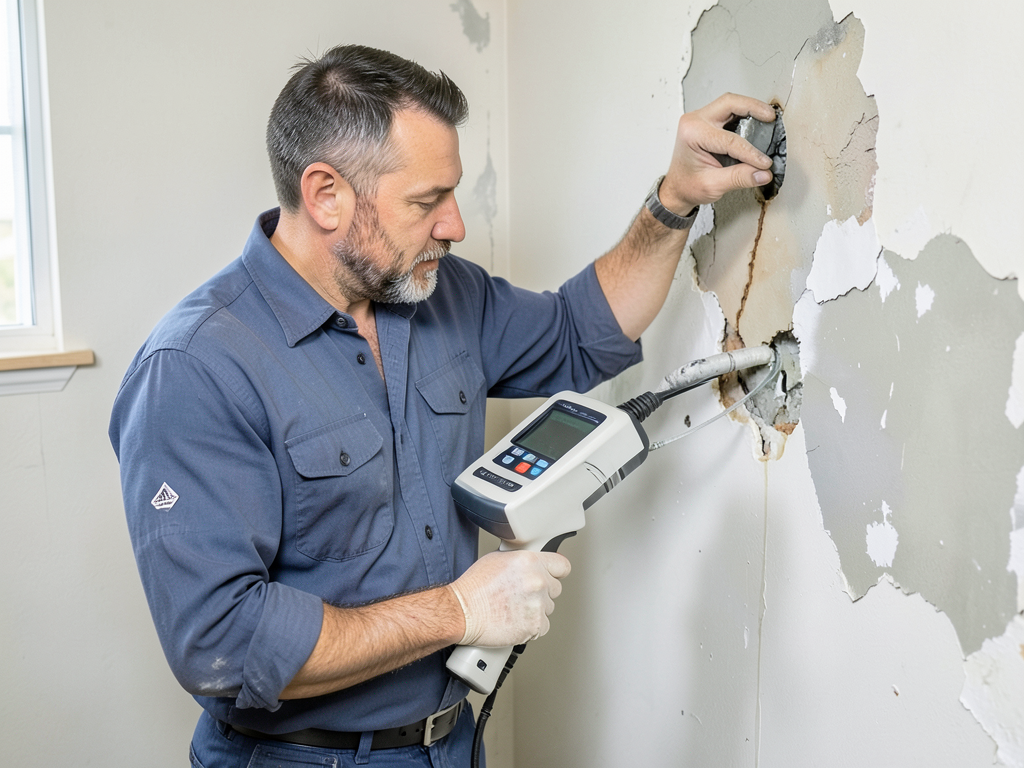
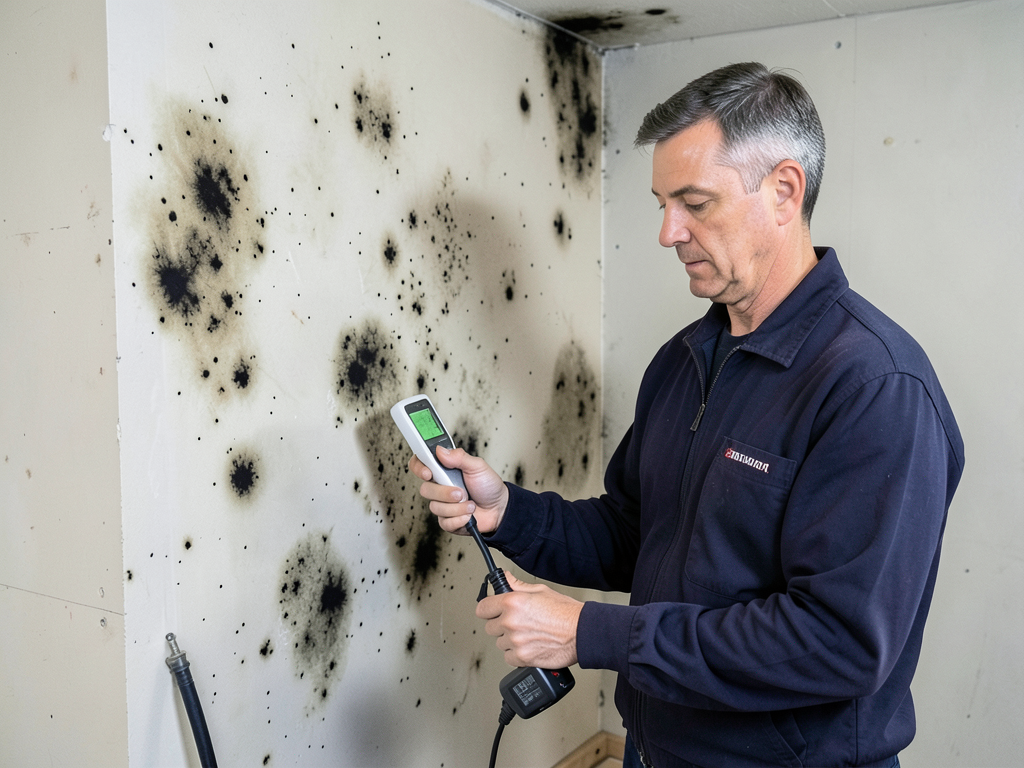
When Five Star Water Damage Restoration Columbus arrives, the first step is identifying the water source and its contamination level. We do not assume. We test. A moisture meter reading tells us how far water has spread. A borescope inspection reveals hidden saturation in wall cavities. Visual assessment of the source confirms whether we are dealing with sanitary water or biohazard material.

Category 1 water originates from a clean source like a broken supply line or a leaking water heater. It poses no immediate health risk, but time matters. If left untreated for more than 48 hours, organic materials in Columbus homes, particularly in older neighborhoods near German Village or Victorian Village, absorb moisture and begin breeding mold. At that point, Category 1 water becomes Category 2.

Category 2 water contains chemical or biological contaminants. Dishwasher overflows, washing machine backups, and sump pump failures fall into this class. This water can cause illness if ingested. Our protocol changes. We remove porous materials that absorbed the contamination. We apply antimicrobial treatments. We do not save what cannot be sanitized.

Category 3 water is grossly contaminated. Sewage backups, river flooding, and toilet overflows with feces require aggressive extraction and disposal. The IICRC mandates removal of all porous materials that contacted black water. Drywall, insulation, and subflooring are non-negotiable losses. We follow OSHA protocols for technician safety and use PPE to prevent cross-contamination. This is not cleanup. This is biohazard remediation.

What Happens When We Classify Water Damage in Your Columbus Property

Categories of Water in Columbus – Understanding IICRC Classifications That Determine Your Recovery Strategy
01

Source Identification and Testing

We locate the origin of the water and determine its contamination level using visual inspection and moisture detection equipment. A burst pipe in the attic is Category 1. A backed-up toilet is Category 3. This classification dictates every decision that follows. We document findings with photos and moisture readings for your insurance adjuster before we extract a single gallon.
02

Contamination Risk Documentation

We map the affected area and catalog which materials contacted the water. Hardwood floors, drywall, insulation, and personal belongings are assessed individually. Category 2 and 3 water require disposal of porous materials. We explain what can be saved and what must go. Our report includes IICRC water categories so your insurer understands the scope and you understand the cost drivers.
03

Protocol-Driven Restoration Plan

We build a remediation plan based on the confirmed water category. Category 1 allows for drying in place with air movers and dehumidifiers. Category 2 requires controlled demolition and antimicrobial treatment. Category 3 mandates hazmat-level containment, disposal, and reconstruction. You receive a timeline, cost estimate, and explanation of why each step is necessary for your specific contamination level.

Why Local Columbus Expertise Matters When Classifying Water Damage

Columbus's combination of old housing stock and modern development creates unique challenges. Homes in Clintonville and Bexley were built before modern plumbing codes. Cast iron drain pipes corrode and collapse, causing sewage backups that homeowners mistake for simple clogs. Newer subdivisions in Hilliard and Dublin have shallow basements prone to sump pump failures during spring storms. Each scenario requires a different response.

We work with Columbus-area adjusters who understand local risk factors. When a Nationwide or State Farm adjuster reviews our reports, they see IICRC-compliant documentation that matches regional claim patterns. This speeds approvals and reduces disputes. We know which local codes apply when reconstructing after Category 3 contamination, and we work with Columbus Public Health when sewage exposure requires reporting.

Generic restoration companies treat all water the same. They show up, extract, and dry. They do not test contamination levels. They do not explain why Category 3 water requires full demolition or why your insurance company denied your claim because the adjuster reclassified your loss after reviewing photos. We prevent that confusion.

Five Star Water Damage Restoration Columbus operates in a city where the Scioto and Olentangy rivers flood, where combined sewer systems back up during heavy rain, and where aging infrastructure fails without warning. We have seen every contamination scenario these conditions create. We know the difference between a clean water loss and a biohazard scene, and we communicate that difference clearly to you and your insurer.

What to Expect When We Assess Your Water Damage Category

Immediate Assessment Availability

We arrive within 60 minutes of your call to assess the water source and contamination level. Time degrades water quality. What starts as Category 1 water from a supply line becomes Category 2 as it absorbs dirt and organic material. Our technicians carry moisture meters, thermal imaging cameras, and testing equipment to classify contamination on-site. You receive a verbal explanation of the category and a written report within 24 hours. Speed matters because your insurance claim clock starts the moment damage occurs.

Category-Specific Testing and Documentation

We do not guess. We measure moisture content in walls, floors, and ceilings to map the full extent of water intrusion. We photograph the source, the affected area, and any visible contamination. If the water source is unclear or if there is potential for sewage cross-contamination, we recommend lab testing. This documentation protects you during the insurance claim process. Adjusters deny claims when contamination levels are understated or when restoration companies fail to follow IICRC protocols for specific water categories.

Clear Restoration Scope Based on Contamination

You will know exactly what must be removed and what can be saved. Category 1 water allows us to dry materials in place using dehumidifiers and air movers. Category 2 water requires removal of porous materials like carpet padding and insulation. Category 3 water mandates disposal of all affected porous materials and antimicrobial treatment of structural components. We explain the why behind each step so you understand the connection between contamination risk and cost.

Post-Remediation Verification and Clearance

After extraction and drying, we verify that moisture levels have returned to normal and that contamination has been eliminated. For Category 2 and 3 losses, we conduct post-remediation testing to confirm no bacterial or fungal growth. You receive a clearance report stating the property is safe for occupancy. This documentation is critical if you plan to sell your home in the future. Buyers and their inspectors will ask for proof that water damage was properly remediated according to IICRC standards.

Frequently Asked Questions

You Have Questions,
We Have Answers

What are the 5 types of water? +

In water damage restoration, professionals classify water into three main categories, not five. Category 1 is clean water from supply lines or faucets. Category 2 is gray water with contaminants from appliances like dishwashers or washing machines. Category 3 is black water containing sewage, bacteria, or flooding from rivers like the Scioto or Olentangy in Columbus. These categories define safety protocols and cleanup methods. If you see references to five types, they likely confuse water categories with the four classes of water damage, which measure saturation levels in materials.

What is category 1, 2, and 3 water? +

Category 1 water is clean and sanitary, coming from broken supply lines, faucets, or rainwater before it contacts surfaces. Category 2, or gray water, contains contaminants from sources like dishwashers, washing machines, or toilet bowls without feces. It can cause discomfort or illness if contacted. Category 3, or black water, is highly contaminated with sewage, bacteria, fungi, or chemicals. In Columbus, Category 3 often results from sewer backups or flooding from the Scioto River. Each category requires different safety equipment, containment procedures, and disposal methods during restoration.

What are the three categories of water? +

The three water categories define contamination levels. Category 1 is clean water from sanitary sources like supply lines. Category 2 is gray water with mild to moderate contamination from appliances or fixtures. Category 3 is black water with severe contamination from sewage or floodwater. These categories guide restoration technicians in Columbus on personal protective equipment, disposal requirements, and structural material decisions. Water can degrade from Category 1 to Category 2 within 48 hours if left standing, which is why quick response matters in Ohio's humid climate where microbial growth accelerates.

What are the 7 types of water? +

There are three water damage categories, not seven. The confusion likely stems from mixing categories with classes or other classification systems. The industry standard uses three contamination categories and four evaporation classes. Categories 1, 2, and 3 describe contamination levels from clean to black water. Classes 1 through 4 measure how much water materials absorbed and evaporation rates. In Columbus, proper classification determines drying equipment selection, whether affected drywall or hardwood flooring can be saved, and insurance claim documentation requirements. Accurate classification protects your health and property value.

What are the 8 types of water? +

Water damage restoration uses three contamination categories and four evaporation classes, not eight separate types. The three categories rank contamination from clean water to black water. The four classes measure absorption and evaporation rates in affected materials. Class 1 affects minimal porous materials. Class 2 affects carpets and cushions. Class 3 involves water from overhead or high saturation. Class 4 requires specialty drying for materials like hardwood or plaster common in Columbus historic homes. Together, these seven classifications guide restoration strategy, but they work as two separate systems, not eight individual water types.

What are the four classes of water? +

The four classes of water measure absorption and evaporation rates, not contamination. Class 1 affects minimal porous materials with slow evaporation rates. Class 2 affects fast-evaporating materials like carpet, cushions, and drywall up to 24 inches. Class 3 involves overhead water sources or deep saturation in walls, insulation, and subfloors. Class 4 requires specialty drying for low-porosity materials like hardwood, plaster, concrete, and stone. In Columbus homes, Class 4 often applies to basement concrete or historic plaster walls. Classes determine drying equipment selection, job duration, and whether materials need replacement or can be restored.

How Columbus's Combined Sewer System Increases Category 3 Water Risks

Columbus operates a combined sewer system in older neighborhoods where stormwater and sanitary sewage share the same pipes. During heavy rain, the system overflows and backs sewage into basements through floor drains. This creates Category 3 water events without warning. Residents in areas like Franklinton, Italian Village, and the Brewery District experience this regularly during spring storms. The water entering your basement is not just rainwater. It contains raw sewage, bacteria, and chemicals. Understanding this contamination risk determines whether you dry out or gut out.

Five Star Water Damage Restoration Columbus works directly with Columbus Public Utilities and local plumbers who understand the combined sewer system's failure points. We know which neighborhoods are high-risk and which basements require backflow prevention. Our technicians follow Ohio Department of Health guidelines for sewage cleanup and disposal. When we classify water damage in Columbus, we account for infrastructure age, flood zone designation, and sewer system design. That local knowledge ensures accurate contamination assessment and proper remediation protocol.
Water Damage Restoration Services in The Columbus Area

We proudly serve the wider Columbus area and its surrounding communities. Our centrally located office allows our emergency response teams to reach your property quickly, no matter where you are. We are committed to being a reliable resource for our neighbors, and our responsive team is always on standby to provide professional assistance when you need it most. We believe that local expertise and a quick response are crucial when dealing with water damage, so we encourage you to view our service area to see if we can help.

Address:
Five Star Water Damage Restoration Columbus, 601 N High St, Columbus, OH, 43215

Additional Services We Offer

Our news updates

Latest Articles & News from The Blogs

Dealing with water damage when you live in a Columbus HOA or condo association Water damage in a Columbus condo…

Dealing with water damage when you live in a Columbus HOA or condo association

Dealing with water damage when you live in a Columbus HOA or condo association Water damage in a Columbus condo…

The real difference between common mildew and dangerous black mold in Eastmoor homes

The real difference between common mildew and dangerous black mold in Eastmoor homes Eastmoor homeowners often spot dark patches in…

Testing your sump pump before the spring rains hit the South Side

Testing your sump pump before the spring rains hit the South Side \n\n Heavy spring rains combined with the clay-rich…

Contact Us

Do not assume all water is the same. Call Five Star Water Damage Restoration Columbus at (614) 707-7505 for immediate contamination assessment and IICRC-compliant remediation. We identify the category, explain the risks, and restore your property to safe, dry conditions.