
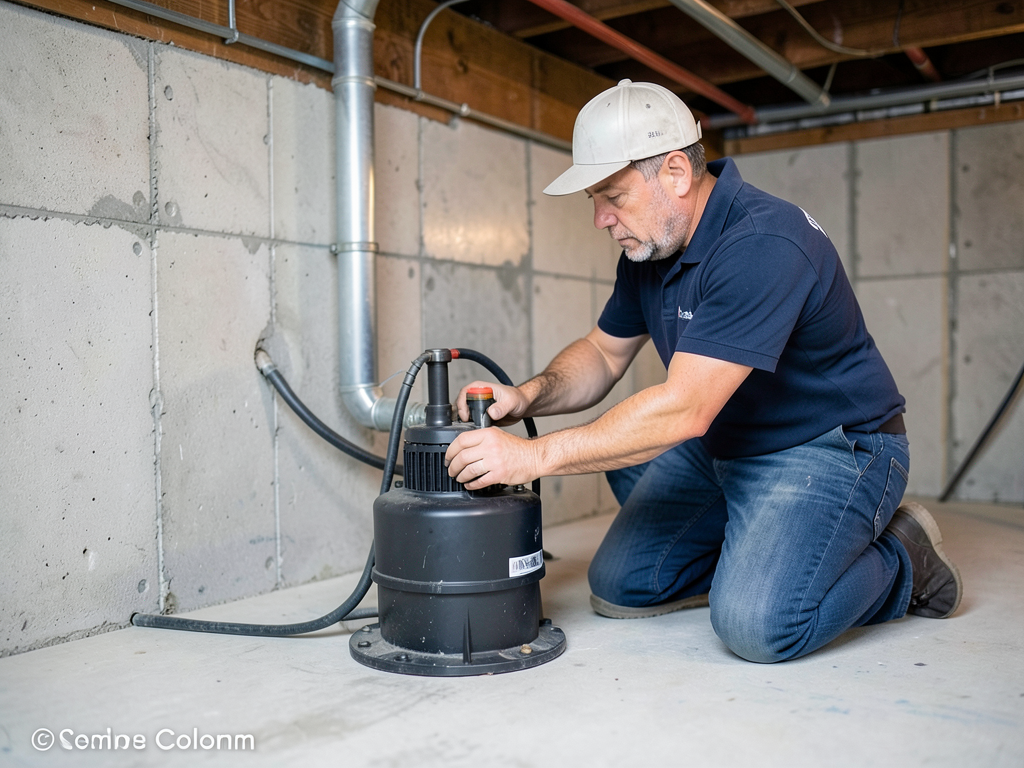
Choosing between a pedestal and a submersible sump pump for your Columbus basement
Columbus homeowners face unique basement flooding risks due to Central Ohio’s heavy clay soil and seasonal storms. The right sump pump protects your home’s foundation and prevents costly water damage. This guide compares pedestal and submersible pumps specifically for Columbus conditions so you can make an informed decision. What to do right now if your Dublin basement just flooded.
Central Ohio’s clay-heavy soil creates high hydrostatic pressure against basement walls. During spring rains or rapid snowmelt, water accumulates faster than the ground can absorb it. A properly sized sump pump becomes your first line of defense against basement flooding in neighborhoods from Clintonville to German Village. Professional water damage restoration for Short North shops and galleries.
Pedestal pumps sit above the sump pit with the motor exposed. They cost less and last longer but handle less water volume. Submersible pumps sit inside the pit underwater. They cost more but move water faster and run quieter. Your choice depends on your basement size, water table depth, and local flood risks.. Read more about Is that white stuff on your basement walls mold or just efflorescence?.
Key differences between pedestal and submersible sump pumps
Pedestal pumps feature a vertical design with the motor mounted above the sump basin. The impeller sits at the bottom connected by a long shaft. This design keeps the motor dry and cool. You can hear them running and see the motor housing in your basement.. Read more about Protecting your basement home theater from moisture and water damage in suburban Columbus.
Submersible pumps have a compact cylindrical design that fits entirely inside the sump pit. The motor and impeller are sealed in waterproof housing. They operate underwater where the surrounding water keeps the motor cool. The pump sits hidden beneath your basement floor.
Pedestal pumps typically last 25-30 years because the motor stays dry. Their exposed design makes them easier to service and repair. However, they pump 1,500-2,400 gallons per hour maximum. The motor can overheat if the pit runs dry during operation. EPA groundwater and septic systems.
Submersible pumps last 5-15 years depending on usage and water quality. The constant water exposure eventually corrodes seals and bearings. But they pump 2,400-4,000 gallons per hour or more. They handle debris better and operate more quietly since the pit dampens motor noise.
Columbus soil conditions and sump pump performance
Franklin County’s predominant silty clay loam creates unique challenges for sump pump operation. Clay particles pack tightly leaving minimal pore space for water movement. When saturated, clay expands and exerts tremendous pressure on basement walls.
During heavy rains, water cannot penetrate clay soil quickly. It pools on the surface and seeps toward foundation drains. This creates rapid water table rises that overwhelm undersized pumps. Neighborhoods built on former farmland like parts of Westerville experience these conditions frequently. Reliable help for Westerville homeowners dealing with a failed sump pump.
Clay also carries fine sediment that can clog pump intakes and discharge lines. Submersible pumps handle this better due to their larger intake areas and ability to pass small solids. Pedestal pumps with narrow intake shafts clog more easily in clay-heavy environments.. Read more about How a clogged sump pump discharge line in Forest Park causes basement flooding.
The Ohio Department of Natural Resources reports that Franklin County’s water table fluctuates between 10-25 feet below grade depending on season and proximity to the Scioto River. Homes in low-lying areas near the river or its tributaries need higher capacity pumps to handle rapid water table changes. Rapid Response Flood Extraction.
Calculating pump capacity for your Columbus basement
Determining the right pump size requires measuring your basement’s water inflow rate. This prevents buying an undersized pump that fails during heavy storms. The calculation considers basement square footage, soil type, and local rainfall patterns. Fixing storm and flood damage in Hilliard after heavy rains.
Measure your basement’s perimeter and divide by 2 to get linear feet of foundation. Multiply this by the average water table rise during a typical Columbus storm. The National Weather Service reports Central Ohio receives 3-4 inches of rain during severe thunderstorms.. Read more about Understanding how interior perimeter drains keep Clintonville basements dry during flash floods.
For a 1,500 square foot basement with 160 linear feet of foundation, a 4-inch water table rise requires pumping approximately 200 gallons per minute. This exceeds most pedestal pump capabilities. A 1/2 horsepower submersible pump becomes necessary for adequate protection.
Consider your home’s age and construction. Pre-1980 homes in German Village often have fieldstone foundations that leak more than modern poured concrete walls. These older basements need higher capacity pumps to handle continuous seepage during wet periods.
Installation considerations for Columbus homes
Columbus building codes require sump pumps to discharge at least 10 feet from the foundation. Franklin County amendments specify that discharge pipes must terminate in areas with positive drainage away from the home. This prevents water from cycling back into the sump pit.
Pedestal pumps need more vertical clearance above the sump pit. Basements with low ceilings or ductwork interference may not accommodate their taller profile. The motor must sit at least 6 inches above the highest possible water level to prevent moisture damage.
Submersible pumps work better in finished basements where appearance matters. Their hidden installation preserves finished ceiling height and eliminates visible equipment. However, they require a larger sump pit diameter to accommodate the pump body and allow maintenance access.
Both pump types need proper check valves to prevent backflow when the pump stops. Franklin County code requires swing-type check valves for sump pump applications. These provide better sealing than spring-loaded valves and prevent water hammer damage to discharge pipes.
Power outage protection during Ohio storms
Columbus experiences frequent power outages during summer thunderstorms. AEP Ohio reports that Franklin County averages 2-3 significant outage events annually affecting thousands of customers. These often coincide with the heaviest rainfall when sump pumps are needed most.
Battery backup systems provide 8-12 hours of operation during power failures. A 75 amp-hour battery powers a 1/3 horsepower pump for approximately 6 hours of continuous operation. This covers most Ohio storm events but may not suffice during multi-day power outages.
Water-powered backup pumps offer unlimited run time using municipal water pressure. They require 20-40 PSI water pressure and discharge 1 gallon of municipal water for every 1-2 gallons of sump water removed. Columbus water pressure averages 45-60 PSI, making these systems viable for most neighborhoods.
Combination systems pair a primary submersible pump with battery backup. The primary handles routine pumping while the backup activates during power outages or primary pump failure. These systems cost $600-1,200 installed but provide comprehensive protection against both flooding and equipment failure.
Maintenance requirements by pump type
Pedestal pumps need annual maintenance including motor bearing lubrication, float switch testing, and debris removal from the intake screen. The exposed motor makes visual inspections easy. You can hear bearing wear developing as a high-pitched whine before complete failure occurs.
Submersible pumps require less frequent but more involved maintenance. Every 2-3 years, remove the pump to clean the intake screen and check seals for wear. Test the float switch by manually lifting it to verify the pump activates. Listen for bearing noise that indicates impending failure.
Both pump types need quarterly checks of the discharge line for blockages. Leaves, dirt, and small animals can obstruct the outlet. Franklin County’s freeze-thaw cycles can also cause discharge pipes to separate at joints, creating underground leaks that undermine foundation drainage.. Read more about Why autumn leaves might be the reason your basement floods in Woodland Park.
Test your pump system monthly by pouring water into the sump pit until the float activates the pump. Verify the pump removes water quickly and the check valve prevents backflow. This simple test can prevent basement flooding from pump failure during the first heavy storm of the season.
Cost comparison and long-term value
Pedestal pumps cost $100-250 for basic models, while submersible pumps range from $150-400. Professional installation adds $200-400 to either option. The total installed cost for a pedestal system runs $300-650 versus $350-800 for submersible.
Consider replacement frequency when evaluating long-term costs. Pedestal pumps may last 25-30 years with proper maintenance. Submersible pumps typically need replacement every 5-15 years depending on water quality and usage. Over 30 years, you might replace submersible pumps 2-6 times.
Insurance premiums may be lower with higher quality sump systems. Many Columbus insurance providers offer discounts for homes with battery backup systems or redundant pumping capacity. Check with your insurer about potential savings that offset the higher initial investment.
Water damage restoration costs average $2,500-7,500 for basement flooding in Franklin County. A quality sump pump system costs $500-1,500 installed. The math becomes clear: investing in proper equipment prevents much more expensive water damage repairs.
Professional installation vs. DIY considerations
Ohio plumbing codes require permits for sump pump installations in most jurisdictions. Franklin County mandates that licensed plumbers perform work involving discharge line connections to municipal sewer systems. DIY installations may violate these requirements and create liability issues.
Professional installers ensure proper pit sizing and placement. The sump pit must be at least 18 inches in diameter and 24 inches deep for adequate water storage. Incorrect pit dimensions cause pumps to cycle too frequently, reducing lifespan and increasing energy costs.
Code compliance extends to discharge routing. Franklin County prohibits direct connections between sump pumps and sanitary sewer lines. Professional installers know local requirements and ensure your system meets all regulations while providing optimal protection.
DIY installations often use inadequate materials. Professional systems use schedule 40 PVC discharge pipes, proper check valves, and appropriate electrical connections. These details prevent common failure points that cause basement flooding during critical moments.
Frequently Asked Questions
How do I know if my Columbus home needs a sump pump?
Check for water stains on basement walls, musty odors, or efflorescence (white mineral deposits). Homes in neighborhoods like Clintonville or near the Scioto River often have high water tables requiring sump pumps. A professional inspection can measure hydrostatic pressure against your foundation.
Can I install a sump pump in a crawl space?
Yes, crawl spaces need sump pumps just like basements. Columbus homes with crawl spaces in flood-prone areas like parts of Hilliard benefit from proper drainage systems. The pump must be accessible for maintenance and have adequate discharge routing away from the foundation.
What size sump pump do I need for my basement?
Calculate based on your basement’s water inflow rate. Most Columbus homes need 1/3 to 1/2 horsepower pumps. Larger basements or those in high water table areas may require 3/4 horsepower units. Professional sizing ensures adequate protection without wasting energy on oversized equipment.
How often should I replace my sump pump?
Pedestal pumps last 25-30 years while submersible pumps need replacement every 5-15 years. Replace sooner if you notice increased cycling, unusual noises, or visible corrosion. Annual professional inspections can identify failing components before they cause basement flooding.
Does a sump pump increase my home’s value?
Yes, quality sump pump systems can increase home value by preventing water damage and mold growth. They provide peace of mind to buyers concerned about Columbus’s heavy rainfall and clay soil conditions. Some buyers specifically look for homes with reliable basement waterproofing systems.
Protect your Columbus home with the right sump pump system
Your basement’s vulnerability to flooding depends on local soil conditions, water table levels, and storm patterns specific to Franklin County. The right sump pump system provides 24/7 protection against water damage that can destroy finished basements and personal belongings.
Pedestal pumps offer reliability and longevity for homes with adequate vertical clearance and moderate water inflow. Submersible pumps provide higher capacity and quieter operation for finished basements or homes with high water table conditions. The choice depends on your specific basement configuration and flooding risks.
Don’t wait for the next heavy storm to discover your pump cannot handle the volume. A professional assessment can identify your home’s specific needs and recommend the optimal system. This small investment prevents thousands in potential water damage repairs and protects your home’s foundation integrity.
Call (614) 707-7505 today to schedule your sump pump evaluation. Our Columbus-based technicians understand local soil conditions and building codes. We’ll recommend the right pump type and size for your home’s specific needs. Protect your basement before the next storm hits.
Pick up the phone and call (614) 707-7505 before the next storm hits. Basement flooding waits for no one, and a failed sump pump can turn a heavy rain into a disaster. Our team provides fast, professional installation with code-compliant discharge systems that keep your home dry year-round. For more information, visit IICRC S500 water damage standards.
{
“@context”: “https://schema.org”,
“@type”: “BlogPosting”,
“headline”: “Choosing between a pedestal and a submersible sump pump for your Columbus basement”,
“description”: “Learn which sump pump type best protects your Columbus home from flooding. Compare pedestal vs submersible pumps with local Ohio-specific insights and expert installation.”,
“wordCount”: 2049,
“datePublished”: “2026-05-07T06:45:00.000Z”,
“dateModified”: “2026-05-07T06:45:00.000Z”,
“inLanguage”: “en-US”,
“mainEntityOfPage”: {
“@type”: “WebPage”,
“@id”: “https://fivestarwaterdamagerestorationcolumbus.com”
},
“publisher”: {
“@type”: “LocalBusiness”,
“name”: “Five Star Water Damage Restoration Columbus”,
“url”: “https://fivestarwaterdamagerestorationcolumbus.com”
},
“author”: {
“@type”: “Organization”,
“name”: “Five Star Water Damage Restoration Columbus”,
“url”: “https://fivestarwaterdamagerestorationcolumbus.com”
},
“image”: {
“@type”: “ImageObject”,
“url”: “https://fivestarwaterdamagerestorationcolumbus.com/wp-content/uploads/2026/03/choosing-between-a-pedestal-and-a-submersible-sump-1.png”
}
}
{
“@context”: “https://schema.org”,
“@type”: “LocalBusiness”,
“name”: “Five Star Water Damage Restoration Columbus”,
“url”: “https://fivestarwaterdamagerestorationcolumbus.com”,
“address”: {
“@type”: “PostalAddress”,
“addressLocality”: “Columbus”
},
“areaServed”: {
“@type”: “City”,
“name”: “Columbus”
}
}
{
“@context”: “https://schema.org”,
“@type”: “FAQPage”,
“mainEntity”: [
{
“@type”: “Question”,
“name”: “How do I know if my Columbus home needs a sump pump?”,
“acceptedAnswer”: {
“@type”: “Answer”,
“text”: “Check for water stains on basement walls, musty odors, or efflorescence (white mineral deposits). Homes in neighborhoods like Clintonville or near the Scioto River often have high water tables requiring sump pumps. A professional inspection can measure hydrostatic pressure against your foundation.”
}
},
{
“@type”: “Question”,
“name”: “Can I install a sump pump in a crawl space?”,
“acceptedAnswer”: {
“@type”: “Answer”,
“text”: “Yes, crawl spaces need sump pumps just like basements. Columbus homes with crawl spaces in flood-prone areas like parts of Hilliard benefit from proper drainage systems. The pump must be accessible for maintenance and have adequate discharge routing away from the foundation.”
}
},
{
“@type”: “Question”,
“name”: “What size sump pump do I need for my basement?”,
“acceptedAnswer”: {
“@type”: “Answer”,
“text”: “Calculate based on your basement’s water inflow rate. Most Columbus homes need 1/3 to 1/2 horsepower pumps. Larger basements or those in high water table areas may require 3/4 horsepower units. Professional sizing ensures adequate protection without wasting energy on oversized equipment.”
}
},
{
“@type”: “Question”,
“name”: “How often should I replace my sump pump?”,
“acceptedAnswer”: {
“@type”: “Answer”,
“text”: “Pedestal pumps last 25-30 years while submersible pumps need replacement every 5-15 years. Replace sooner if you notice increased cycling, unusual noises, or visible corrosion. Annual professional inspections can identify failing components before they cause basement flooding.”
}
}
]
}
{
“@context”: “https://schema.org”,
“@type”: “BreadcrumbList”,
“itemListElement”: [
{
“@type”: “ListItem”,
“position”: 1,
“name”: “Home”,
“item”: “https://fivestarwaterdamagerestorationcolumbus.com”
},
{
“@type”: “ListItem”,
“position”: 2,
“name”: “Blog”,
“item”: “https://fivestarwaterdamagerestorationcolumbus.com/blog”
},
{
“@type”: “ListItem”,
“position”: 3,
“name”: “Choosing between a pedestal and a submersible sump pump for your Columbus basement”
}
]
}
{
“@context”: “https://schema.org”,
“@type”: “Service”,
“serviceType”: “Water Damage Restoration”,
“provider”: {
“@type”: “LocalBusiness”,
“name”: “Five Star Water Damage Restoration Columbus”,
“url”: “https://fivestarwaterdamagerestorationcolumbus.com”
},
“areaServed”: {
“@type”: “City”,
“name”: “Columbus”
},
“description”: “Learn which sump pump type best protects your Columbus home from flooding. Compare pedestal vs submersible pumps with local Ohio-specific insights and expert installation.”
}