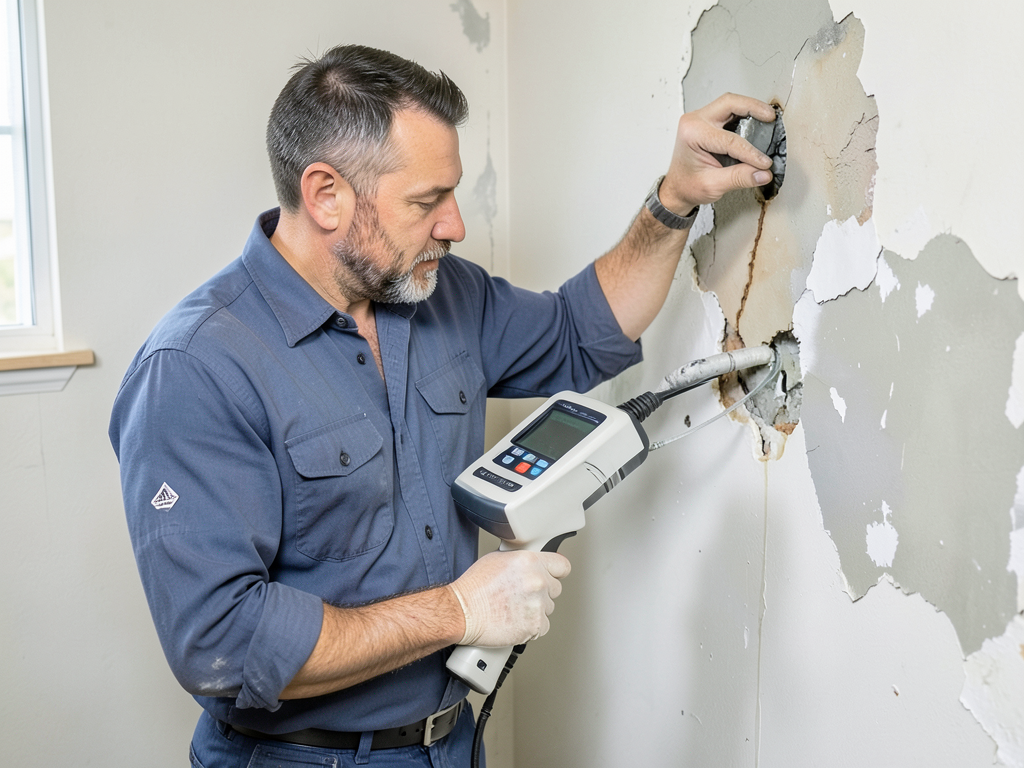
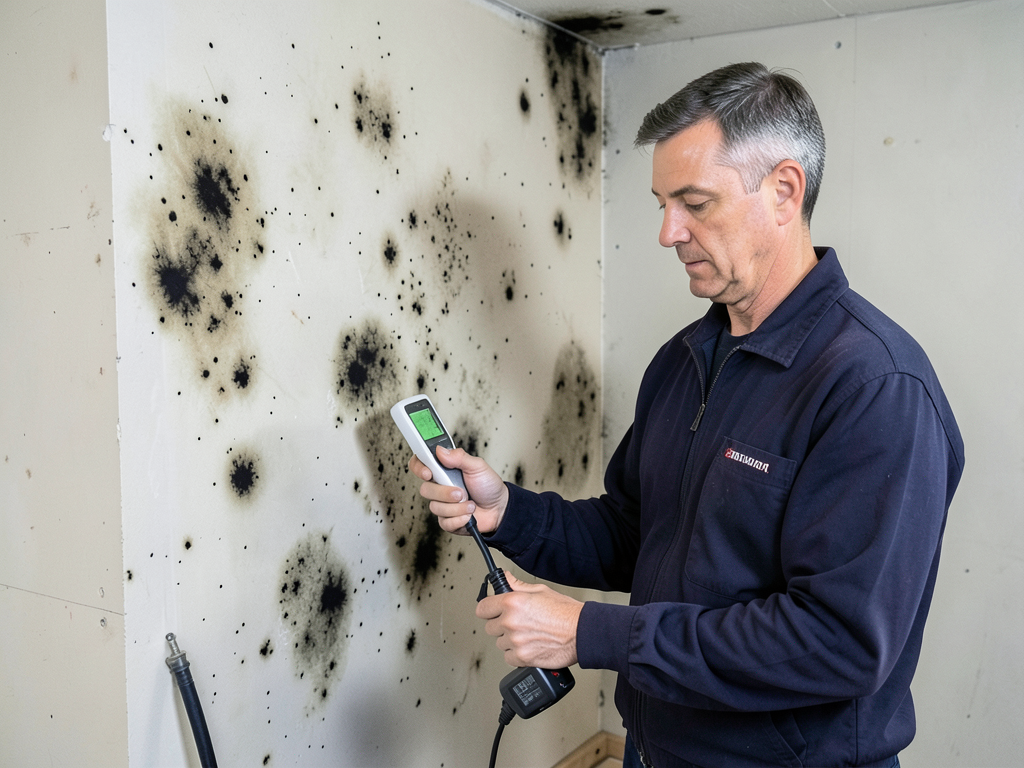
Columbus experiences high relative humidity from May through September, often exceeding 70 percent overnight. This moisture load stresses commercial HVAC systems, particularly in older buildings constructed before modern vapor barrier standards. Properties in low-lying areas near the Scioto River, including downtown and Franklinton, face additional moisture challenges from seasonal flooding and high water tables. Commercial buildings with flat roofs accumulate standing water after spring storms, creating entry points for moisture intrusion. Warehouses and manufacturing facilities in the Hilltop and South Side neighborhoods often lack adequate ventilation, trapping humid air and promoting mold growth on stored inventory and building materials.
Columbus enforces the Ohio Building Code, which requires specific moisture control measures in commercial construction. However, buildings constructed before 1990 often lack these protections. Five Star Water Damage Restoration Columbus works directly with local environmental testing laboratories and coordinates with Franklin County health inspectors when remediation projects require regulatory oversight. Our familiarity with Columbus commercial property construction methods, from the brick warehouses in Brewery District to modern office buildings in Easton, ensures we identify moisture sources quickly and implement appropriate remediation protocols. Local expertise matters when your business operations and liability exposure are at stake.