Menu

Commercial Water Damage Restoration in Columbus – Minimize Downtime and Protect Your Business Assets

Five Star Water Damage Restoration Columbus delivers rapid commercial water damage restoration with industrial-grade equipment and proven protocols that reduce business interruption, prevent secondary damage, and ensure full compliance with Ohio commercial property standards.

Slider Image 1
Slider Image 2
Slider Image 3
Slider Image 4
Slider Image 5
Slider Image 7
Slider Image 8
Slider Image 9
Slider Image 10
Slider Image 11

Water Intrusion Threatens Columbus Business Operations

Commercial properties in Columbus face distinct water damage vulnerabilities that residential structures do not encounter. The city's position along the Scioto River and the combination of freeze-thaw cycles from January through March create conditions where burst pipes, roof membrane failures, and HVAC condensate line ruptures can flood entire office floors, warehouse bays, or retail spaces within hours.

The financial impact extends beyond visible damage. Every hour your facility remains offline translates to lost revenue, productivity decline, and potential contract penalties. Columbus's commercial building stock includes both modern steel-frame structures in the Arena District and older masonry buildings in German Village and Brewery District, each requiring different commercial water mitigation approaches.

Water damage in commercial settings differs fundamentally from residential scenarios. You face liability concerns, safety code compliance requirements, documentation for insurance carriers, and the need to maintain operations in unaffected areas while remediation proceeds. Columbus businesses operating in hospitality sectors, healthcare facilities, or manufacturing environments cannot afford extended downtime or incomplete commercial water damage cleanup.

The clay-heavy soils throughout Franklin County compound foundation water intrusion risks. When combined with Columbus's average 39 inches of annual precipitation, ground saturation pushes hydrostatic pressure against basement walls and loading dock areas, creating chronic seepage issues that compromise structural integrity and inventory storage.

Business water damage restoration requires different equipment capacity, faster response coordination, and stricter documentation than residential work. The difference between a managed incident and a business-ending catastrophe often comes down to response time and the technical capability of your commercial water remediation provider.

Water Intrusion Threatens Columbus Business Operations
Industrial-Grade Water Extraction and Structural Drying

Industrial-Grade Water Extraction and Structural Drying

Commercial water damage repair demands equipment and methodology scaled to the size and complexity of business facilities. Five Star Water Damage Restoration Columbus deploys truck-mounted extraction units capable of removing thousands of gallons per hour from large floor plates, warehouse spaces, and multi-story structures.

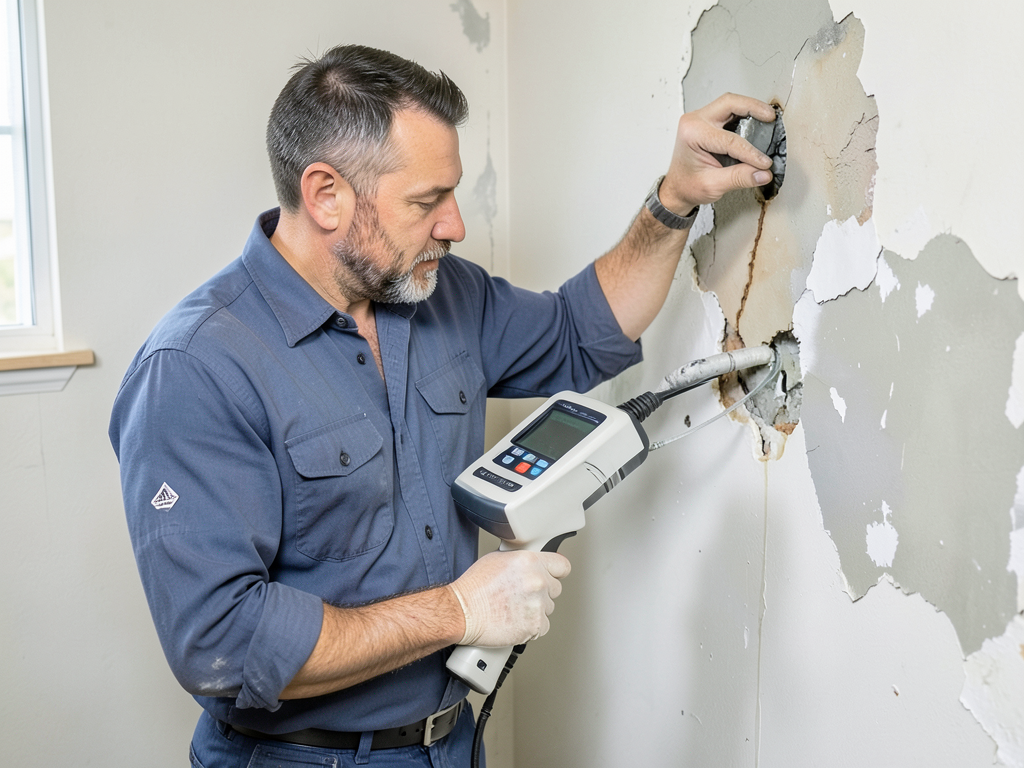
Our approach begins with immediate water source isolation, followed by comprehensive moisture mapping using thermal imaging and hygrometers to identify hidden saturation in wall cavities, ceiling plenums, and subfloor areas. This diagnostic phase prevents the most costly mistake in commercial water mitigation: assuming visible drying equals complete drying.

We establish negative air pressure containment zones using HEPA-filtered air scrubbers to prevent cross-contamination between affected and operational areas of your facility. This allows unaffected departments to continue business functions while commercial water damage cleanup proceeds in isolated zones. For Columbus businesses in sectors requiring continuous operation, this compartmentalization approach minimizes revenue disruption.

Structural drying in commercial environments requires understanding building mechanical systems. We coordinate with your facility management to leverage existing HVAC infrastructure, supplementing with commercial dehumidifiers that remove 14 gallons per day in spaces where standard residential units would fail. Desiccant dehumidifiers handle the low-grain depression required in spaces with dense materials like concrete and masonry common in Columbus commercial construction.

Documentation follows IICRC S500 standards for commercial water remediation. We provide daily moisture readings, photographic evidence, and equipment logs required by commercial insurance carriers. This documentation protects you from claim denials and provides the paper trail needed for potential subrogation against responsible parties. The technical precision in commercial water damage restoration separates professional remediation from inadequate response that leads to mold colonization, structural deterioration, and failed insurance claims.

Your Commercial Water Damage Response Timeline

Commercial Water Damage Restoration in Columbus – Minimize Downtime and Protect Your Business Assets
01

Emergency Containment and Assessment

Within 90 minutes of your call, our crew arrives with industrial extraction equipment and begins water source control. We establish containment barriers to isolate affected zones from operational areas, then conduct thermal imaging assessment to map the full extent of water intrusion. You receive immediate documentation for insurance notification and a preliminary scope of affected square footage, structural systems impacted, and estimated timeline for returning spaces to service.
02

Extraction and Structural Drying

Our truck-mounted extractors remove standing water, followed by strategic placement of commercial air movers and dehumidifiers based on psychrometric calculations for your specific building materials and ambient conditions. We monitor moisture levels every 12 hours using calibrated meters, adjusting equipment positioning to accelerate drying in dense materials. Your facility manager receives daily progress reports with moisture readings and updated timeline projections for full structural drying and clearance.
03

Verification and Turnover

Once moisture readings reach acceptable levels per IICRC standards, we conduct final verification testing and document all readings for insurance closeout. You receive a complete remediation report with before and after moisture maps, equipment logs, and photographic documentation. We coordinate with your contractors for any reconstruction needs and provide recommendations for preventing future incidents specific to your Columbus facility's vulnerabilities. Your space returns to service with full documentation protecting your insurance position.

Columbus Commercial Property Expertise

Five Star Water Damage Restoration Columbus understands the specific challenges of commercial properties throughout Franklin County. We work regularly in the high-rise office buildings along High Street, the converted warehouse spaces in the Short North, and the sprawling distribution facilities near Rickenbacker International Airport. Each building type presents distinct water damage vulnerabilities and restoration requirements.

Columbus commercial building codes require specific documentation and procedures for water damage incidents, particularly in mixed-use developments and buildings with retail ground floors and office or residential upper levels. We maintain working knowledge of Columbus Division of Building and Zoning Standards requirements and coordinate with inspectors when structural systems are compromised. This local regulatory expertise prevents project delays that extend your downtime.

Our familiarity with Columbus's commercial insurance landscape means we communicate effectively with adjusters from major carriers serving Ohio businesses. We provide the documentation format they require and understand the coverage limitations common in commercial policies. This knowledge prevents the documentation gaps that lead to claim disputes or underpayment.

We recognize that Columbus businesses cannot afford extended closure. Whether you operate a restaurant in the Brewery District dependent on weekend revenue, a medical practice in Clintonville with scheduled patients, or a manufacturing facility with contract delivery deadlines, our commercial water mitigation approach prioritizes returning functional space to service while completing full remediation.

The combination of industrial equipment capacity, commercial facility experience, and Columbus regulatory knowledge makes the difference between a managed incident and a business catastrophe. We scale our response to your facility size and business continuity requirements, not a one-size-fits-all residential approach applied to commercial properties. You need a commercial water damage restoration provider who understands that time offline equals money lost, and who has the resources to minimize that window.

What Your Business Can Expect

Rapid Commercial Response Protocol

Commercial water damage escalates exponentially faster than residential incidents due to larger volumes and complex mechanical systems. We maintain 24/7 dispatch specifically for Columbus commercial emergencies with a target 90-minute response time anywhere in Franklin County. Our trucks carry commercial-grade equipment as standard loadout, not residential units scaled up inadequately. You get immediate containment and water removal capacity that matches your facility size. We coordinate with your security protocols, after-hours access procedures, and any specialized requirements for healthcare, food service, or manufacturing environments. The speed of initial response determines whether you face a three-day inconvenience or a three-week closure.

Comprehensive Facility Assessment

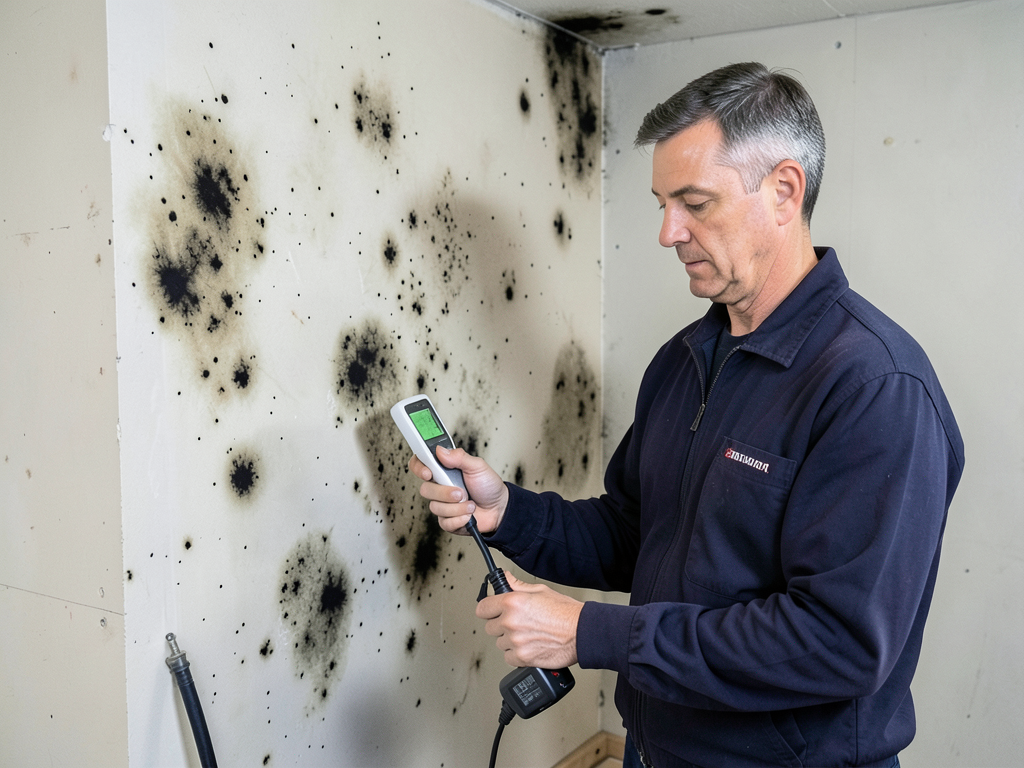
Our initial assessment goes beyond visible water to identify hidden damage in ceiling plenums, wall cavities, and below-grade areas where delayed discovery leads to mold growth and structural deterioration. We use thermal imaging, moisture meters, and hygrometers to map the full scope before equipment placement. This diagnostic precision prevents the common failure mode where inadequate assessment leads to incomplete drying, mold colonization within 48 hours, and a second emergency response. You receive a detailed scope document within four hours of arrival outlining affected square footage, impacted building systems, estimated drying timeline, and preliminary restoration budget ranges. This allows you to make informed decisions about business continuity, insurance notification, and whether partial operations can continue.

Complete Structural Drying Verification

Commercial water damage restoration requires verification that structural drying is complete, not just surface drying. We monitor moisture levels continuously until readings reach acceptable parameters per IICRC S500 standards for your specific building materials. This means concrete slabs dry to below 4.5 percent moisture content, wood framing reaches 12 percent or less, and drywall returns to 0.8 percent measured at mid-height away from edges. You receive documented proof that drying is complete, preventing the mold growth and odor issues that emerge weeks later when restoration proceeds over damp substrates. This verification protects your investment in reconstruction and ensures your space is truly ready for occupancy, not just apparently dry.

Insurance Documentation and Coordination

Commercial insurance claims require more rigorous documentation than residential policies. We provide daily logs of equipment placement, moisture readings at multiple locations, photographic evidence of affected areas and contents, and detailed scope documentation that matches the estimating formats used by commercial adjusters. Our project managers communicate directly with your insurance carrier and claims adjuster, reducing the administrative burden on your staff during crisis response. We understand commercial policy structures including business interruption coverage, extra expense provisions, and the documentation required to support those claims. This coordination prevents the claim denials and underpayments that occur when documentation is incomplete or fails to match carrier requirements. You receive a complete remediation file suitable for insurance submission and protecting your position if disputes arise.

Frequently Asked Questions

You Have Questions,
We Have Answers

How much can water damage cost to repair? +

Commercial water damage repair costs vary widely based on extent, category of water, and business type. Minor incidents affecting a single office may run a few thousand dollars. Major flooding requiring structural drying, equipment replacement, and content restoration can reach six figures. Columbus commercial properties face unique risks from freeze-thaw cycles damaging roof membranes and plumbing. Class 1 damage (minimal absorption) costs less than Class 4 (specialty drying). Category 3 water (sewage) requires biohazard protocols, increasing expenses. Document everything for insurance claims. Fast response reduces total costs by preventing secondary damage and minimizing business interruption.

Is water damage restoration profitable? +

Water damage restoration maintains strong profitability due to consistent demand and recurring emergencies. Commercial contracts provide steady revenue streams. Columbus experiences seasonal flooding, pipe bursts from temperature swings, and humidity-related issues year-round. Profit margins depend on operational efficiency, equipment investment, and insurance partnerships. Successful operators maintain 24/7 availability, hold proper certifications, and build relationships with commercial property managers and insurance adjusters. Overhead includes specialized drying equipment, vehicles, labor, and insurance. The barrier to entry is moderate, but reputation and response time determine long-term profitability. Repeat commercial clients and referral networks drive sustainable growth.

Is water damage restoration worth it? +

Professional water damage restoration is worth the investment for commercial properties. Ignoring water intrusion leads to structural deterioration, mold growth within 24 to 48 hours, and equipment failure. Columbus humidity accelerates microbial growth in walls and HVAC systems. DIY approaches miss hidden moisture in concrete slabs and behind drywall, creating liability risks. Professional restoration preserves property value, maintains code compliance, and protects tenant health. Business interruption costs far exceed restoration expenses. Proper documentation supports insurance claims and reduces out-of-pocket costs. Certified technicians use thermal imaging and moisture meters to ensure complete drying, preventing expensive callbacks and lawsuits.

What is another company like ServPro? +

Several national and regional companies operate alongside ServPro in the restoration industry. Paul Davis Restoration, Restoration 1, and Rainbow International provide similar emergency water damage services. Columbus has local independent restoration contractors who understand regional building codes and climate challenges specific to Ohio. Local operators often provide faster response times to downtown and suburban commercial districts. When selecting a restoration partner, verify IICRC certification, insurance carrier relationships, and commercial project experience. Response time, equipment capacity, and local knowledge matter more than brand name. Request references from similar commercial properties and verify they maintain proper liability coverage and workers compensation insurance.

Does insurance pay for water restoration? +

Insurance typically covers sudden and accidental water damage from burst pipes, sprinkler malfunctions, or roof leaks. Commercial policies vary significantly in coverage limits and exclusions. Most policies exclude gradual damage from poor maintenance or flood events requiring separate flood insurance. Columbus properties in FEMA flood zones need specific flood policies. Insurance pays for mitigation, structural drying, and contents restoration when damage meets policy terms. File claims immediately and document everything with photos. Your restoration contractor should work directly with adjusters to streamline the process. Review your policy annually to understand deductibles, coverage caps, and exclusions specific to water damage.

How to charge for water damage repair? +

Water damage pricing follows industry standards based on square footage affected, water category, and required equipment. Charge by room size using Class 1 through 4 moisture levels. Emergency response fees apply for after-hours calls. Labor rates vary by technician certification level. Equipment charges include dehumidifiers, air movers, and specialty tools like injectidry systems. Columbus market rates reflect local labor costs and competition. Include antimicrobial treatments, moisture monitoring, and documentation in estimates. Submit detailed line-item invoices to insurance carriers using Xactimate software for standardized pricing. Track daily progress with photos and moisture readings. Transparent pricing builds trust with commercial clients and adjusters.

How much does it cost to start a water restoration business? +

Starting a water restoration business requires significant upfront capital. Initial investment includes cargo vans or box trucks, commercial-grade dehumidifiers, air movers, moisture detection equipment, and extraction tools. Expect $75,000 to $150,000 for equipment alone. Additional costs include IICRC certification training, general liability insurance, workers compensation coverage, business licensing, and marketing. Columbus requires specific contractor registrations and insurance minimums. Operating capital covers payroll during the startup phase when revenue is inconsistent. Many operators begin with residential work before pursuing commercial contracts. Franchise options reduce some startup risk but include ongoing royalty payments and territorial restrictions.

Is water damage in walls covered by insurance? +

Insurance coverage for water damage in walls depends on the cause and policy terms. Sudden pipe bursts inside walls typically qualify for coverage. Gradual seepage from poor maintenance or exterior groundwater intrusion often does not. Commercial policies require proof that damage resulted from a covered peril. Columbus properties with older plumbing face higher risk of corrosion-related failures. Thermal imaging during inspections identifies hidden moisture before it becomes a claim denial issue. Document the water source immediately. Insurance adjusters examine maintenance records to determine if neglect contributed to damage. Proper building maintenance and regular plumbing inspections support future claims.

What is the difference between water remediation and restoration? +

Water remediation stops the immediate threat by extracting standing water and preventing additional damage. This includes emergency board-up, water removal, and initial drying. Restoration returns the property to pre-loss condition through repairs, reconstruction, and final finishing. Remediation happens first, often within hours of discovery. Restoration follows after complete drying, which takes three to five days depending on materials affected. Columbus commercial properties may require both phases or just remediation if structural damage is minimal. Some contractors provide both services. Others specialize in emergency response only. Understanding this distinction helps you budget appropriately and coordinate with multiple vendors if needed.

Will insurance pay out for water damage? +

Insurance pays for water damage when the cause matches covered perils in your policy. Sudden failures like burst pipes, roof storm damage, or sprinkler system malfunctions typically qualify. Gradual damage, poor maintenance, and flood events usually do not unless you carry specific flood insurance. Columbus commercial property owners should review exclusions annually. Submit claims immediately with complete documentation including photos, repair estimates, and loss-of-business records. Work with your restoration contractor to provide detailed scope reports to adjusters. Denied claims can be appealed with additional evidence. Many disputes arise from unclear damage timelines or maintenance documentation gaps.

Why Columbus Commercial Properties Face Elevated Water Damage Risk

Columbus sits at the convergence of the Scioto and Olentangy Rivers with a water table that rises significantly during spring snowmelt and the secondary precipitation peak in May and June. This hydrostatic pressure affects commercial properties with below-grade parking, storage areas, or mechanical rooms common in downtown Columbus office buildings and the warehouse districts near the Scioto Peninsula. The freeze-thaw cycles from December through March stress commercial roofing membranes, particularly on the flat or low-slope roofs typical of Columbus commercial construction. When these membranes fail, large roof areas channel water directly into ceiling plenums, saturating insulation and drywall across entire floors before the leak becomes visible at occupied levels.

Five Star Water Damage Restoration Columbus works with commercial property managers, facility directors, and business owners throughout Franklin County who understand that local expertise matters in emergency response. We know which Columbus buildings have cast iron drain lines prone to failure, which areas face chronic foundation seepage from clay soil saturation, and how to navigate Columbus building permit requirements when water damage affects structural or mechanical systems. Our relationships with commercial insurance adjusters serving the Columbus market and our familiarity with local commercial contractors allow us to coordinate complete restoration efficiently. When water damage threatens your Columbus business, you need a commercial water damage restoration company that knows your building type, understands local conditions, and has the commercial-scale resources to respond appropriately.
Water Damage Restoration Services in The Columbus Area

We proudly serve the wider Columbus area and its surrounding communities. Our centrally located office allows our emergency response teams to reach your property quickly, no matter where you are. We are committed to being a reliable resource for our neighbors, and our responsive team is always on standby to provide professional assistance when you need it most. We believe that local expertise and a quick response are crucial when dealing with water damage, so we encourage you to view our service area to see if we can help.

Address:
Five Star Water Damage Restoration Columbus, 601 N High St, Columbus, OH, 43215

Additional Services We Offer

Our news updates

Latest Articles & News from The Blogs

Dealing with water damage when you live in a Columbus HOA or condo association Water damage in a Columbus condo…

Dealing with water damage when you live in a Columbus HOA or condo association

Dealing with water damage when you live in a Columbus HOA or condo association Water damage in a Columbus condo…

The real difference between common mildew and dangerous black mold in Eastmoor homes

The real difference between common mildew and dangerous black mold in Eastmoor homes Eastmoor homeowners often spot dark patches in…

Testing your sump pump before the spring rains hit the South Side

Testing your sump pump before the spring rains hit the South Side \n\n Heavy spring rains combined with the clay-rich…

Contact Us

Water damage in commercial facilities escalates every hour response is delayed. Five Star Water Damage Restoration Columbus provides immediate commercial response with the equipment and expertise your business requires. Call (614) 707-7505 now for 24/7 emergency commercial water damage restoration throughout Franklin County.