Menu

Condensation on Windows & Walls in Columbus – Expert Diagnosis and Permanent Moisture Solutions

Five Star Water Damage Restoration Columbus identifies the root cause of condensation on windows and walls, stopping the cycle of interior glass condensation and moisture buildup before hidden mold and structural damage take hold in your home or business.

Slider Image 1
Slider Image 2
Slider Image 3
Slider Image 4
Slider Image 5
Slider Image 7
Slider Image 8
Slider Image 9
Slider Image 10
Slider Image 11

Why Columbus Homes Battle Window Sweating and Wall Moisture Year-Round

You notice it first on cold mornings. Weeping window panes that drip onto the sill. Damp drywall patches near exterior walls that never quite dry. Interior glass condensation that fogs your view and leaves water stains on the trim.

This is not normal wear and tear. This is a moisture intrusion problem, and Columbus's humid continental climate makes it worse.

The Scioto and Olentangy Rivers create ambient humidity that lingers in neighborhoods like German Village, Clintonville, and Short North. When warm, moist indoor air meets cold glass or poorly insulated exterior walls, condensation forms. The water has nowhere to go, so it pools on windowsills, seeps into drywall, and saturates wood framing behind the scenes.

Most homeowners assume condensation is cosmetic. It is not. Moisture buildup on walls creates the exact environment mold needs to colonize. Within 48 hours, spores begin growing inside wall cavities, under wallpaper, and along baseboards. The drywall absorbs water like a sponge, weakening its structural integrity and staining paint.

Window sweating also damages wooden sills and trim. Repeated exposure to moisture causes wood rot, which compromises the window assembly and creates air leaks. These leaks allow more humid air to enter, creating a feedback loop that worsens the problem.

Columbus homes built before 1980 often lack vapor barriers in exterior walls. Newer construction may have undersized HVAC systems that fail to dehumidify properly. Both scenarios lead to the same outcome: chronic condensation that silently destroys your property.

If you see condensation forming regularly, you are looking at the early stage of water damage. The longer you wait, the more expensive the fix becomes.

Why Columbus Homes Battle Window Sweating and Wall Moisture Year-Round
How We Stop Condensation at the Source, Not Just the Surface

How We Stop Condensation at the Source, Not Just the Surface

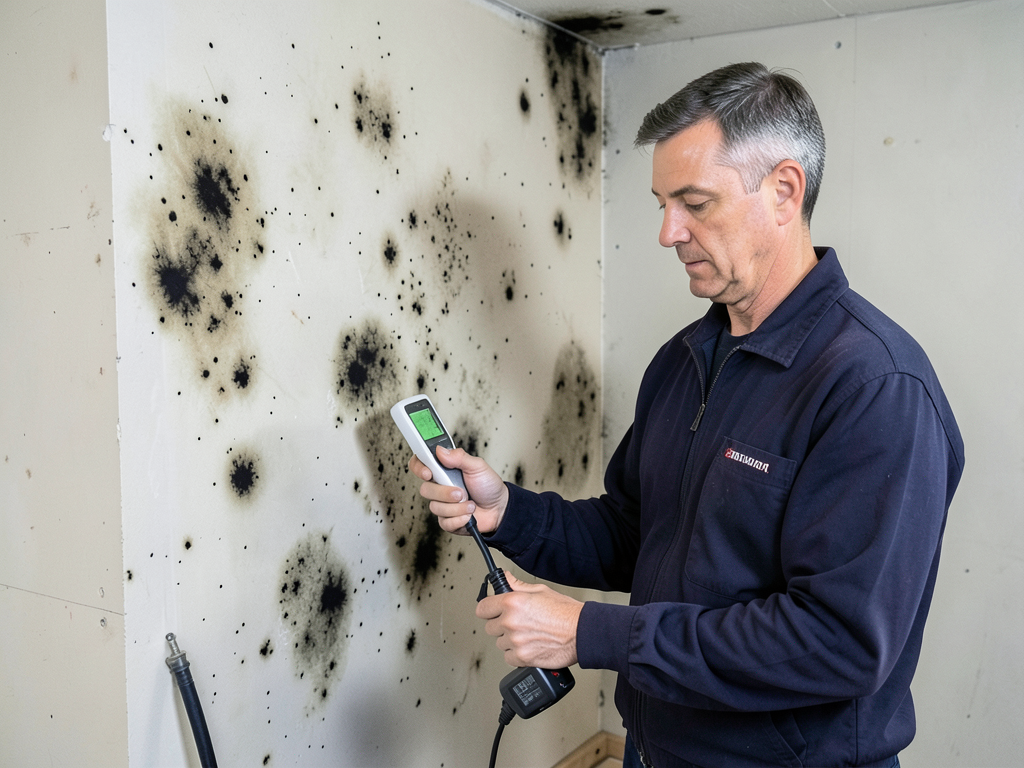
Surface fixes do not work. Wiping down windows and repainting walls only masks the problem. We diagnose the moisture source using thermal imaging cameras and hygrometers to measure relative humidity in every room.

Our process begins with a pressure differential test. We seal your home and measure air infiltration rates. This tells us whether outdoor humidity is entering through gaps in the building envelope or if the moisture is being generated indoors from cooking, bathing, or an oversized humidifier.

Next, we inspect your HVAC system. Undersized air handlers and malfunctioning dehumidifiers are common culprits in Columbus homes. If your system cannot cycle enough air volume to remove moisture, condensation will form no matter how well your walls are insulated.

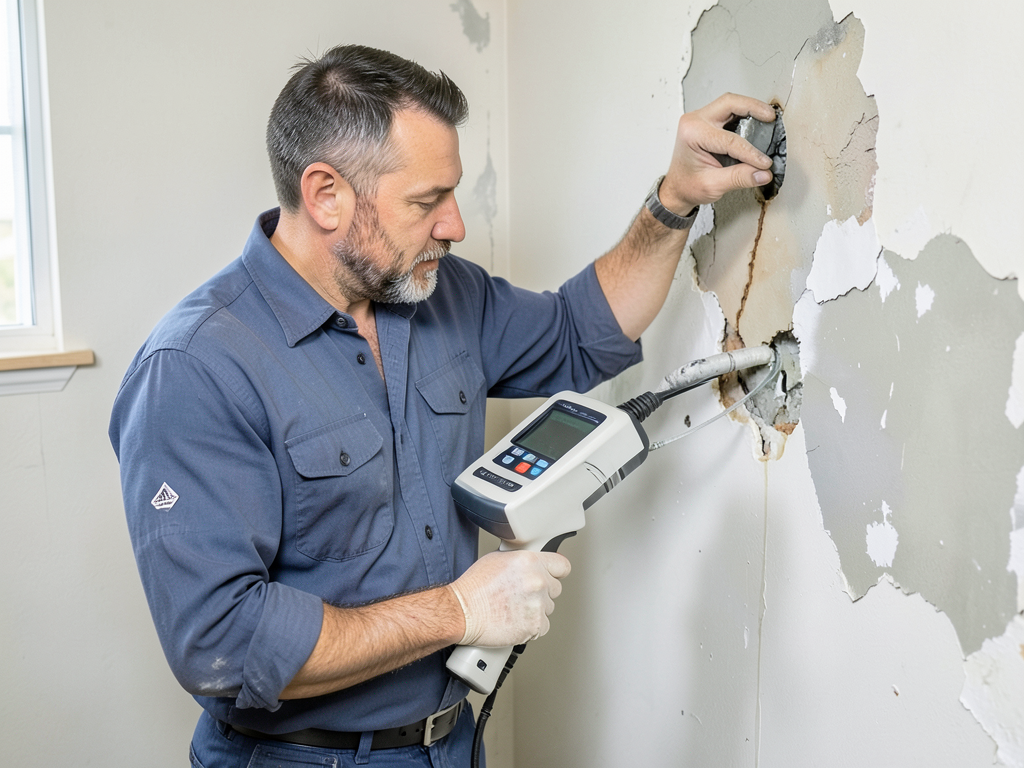
We also inspect wall cavities using moisture meters. Damp drywall patches are often the visible sign of a hidden problem. Water may be entering through failed window flashing, missing weep holes, or capillary action from foundation moisture wicking up into the framing. We trace the moisture path back to the entry point.

Once we identify the source, we address it permanently. This may involve sealing air leaks with spray foam insulation, installing exhaust fans to remove moisture at the source, or upgrading your dehumidification system. We also remove damaged drywall and treat framing with antimicrobial solutions to kill any mold that has started growing.

We do not guess. We measure, diagnose, and fix the root cause. This is the only way to stop condensation from returning season after season.

What Happens When You Call Us About Condensation

Condensation on Windows & Walls in Columbus – Expert Diagnosis and Permanent Moisture Solutions
01

Moisture Mapping and Diagnostics

We arrive with thermal imaging cameras and moisture detection equipment to map every wet surface in your home. This includes hidden moisture behind walls, under flooring, and inside insulation. We document humidity levels in each room and identify airflow patterns that contribute to condensation. This diagnostic phase takes 60 to 90 minutes and gives us a complete picture of the moisture dynamics in your home.
02

Source Elimination and Remediation

Once we know where moisture is entering or accumulating, we eliminate the source. This may involve air sealing, flashing repairs, or HVAC adjustments. We remove water-damaged materials, treat affected framing with fungicide, and install vapor barriers where needed. If mold is present, we follow IICRC S520 protocols for containment and removal. This phase is tailored to your specific moisture problem and typically takes one to three days.
03

Verification and Prevention Planning

After repairs, we retest moisture levels and humidity to confirm the problem is resolved. We provide a written report with before and after readings, so you have proof the issue is fixed. We also give you a prevention plan that includes HVAC maintenance schedules, dehumidifier settings, and seasonal ventilation strategies to keep condensation from returning. This final phase ensures you understand how to maintain a dry, healthy home.

Why Columbus Homeowners Trust Our Condensation Expertise

Condensation problems require more than a mop and a fan. They require building science knowledge, diagnostic tools, and experience with Columbus's specific moisture challenges.

We have worked in every neighborhood from Bexley to Upper Arlington. We understand how historic brick homes in Victorian Village trap moisture differently than vinyl-sided ranches in Hilliard. We know that homes near the Scioto floodplain deal with higher ambient humidity than properties on higher ground in Dublin.

Our technicians are trained in IICRC Water Damage Restoration and Applied Microbial Remediation. This means we follow national standards for moisture detection, drying, and mold prevention. We do not take shortcuts. We document every step with moisture readings, photos, and detailed reports that insurance companies accept.

We also coordinate with HVAC contractors, insulation specialists, and window installers when needed. Condensation problems often require a multi-trade solution. We manage the entire process so you do not have to juggle multiple vendors or worry about miscommunication.

Columbus building codes require mechanical ventilation in bathrooms and kitchens for new construction, but older homes were not built to these standards. We bring those homes up to modern moisture management practices without requiring a full gut renovation. This saves you time and money while solving the problem permanently.

We also work with commercial property managers dealing with condensation in retail spaces, office buildings, and warehouses. High occupancy and poor ventilation create intense moisture loads. We design dehumidification systems that handle the load without disrupting business operations.

When you call Five Star Water Damage Restoration Columbus, you get a team that understands moisture physics, not just surface symptoms. That is the difference between a temporary fix and a permanent solution.

What to Expect When We Solve Your Condensation Problem

Same-Day Response for Moisture Emergencies

Condensation that leads to visible mold or water pooling on floors requires immediate attention. We respond within two hours for emergency calls in the Columbus metro area. Our trucks carry diagnostic equipment, dehumidifiers, and antimicrobial treatments so we can start mitigation immediately. For non-emergency assessments, we schedule appointments within 24 hours. You will speak directly with a technician who understands moisture problems, not a call center. We operate seven days a week because water damage does not wait for business hours.

Comprehensive Moisture Assessment and Testing

We do not guess about moisture sources. Every assessment includes thermal imaging to detect cold spots where condensation forms, moisture meter readings in walls and floors, and relative humidity measurements in each room. We also inspect your HVAC system, attic ventilation, and basement for contributing factors. This diagnostic process takes 60 to 90 minutes and results in a written report with photos, moisture maps, and specific recommendations. You will understand exactly what is causing condensation and what it will take to fix it before any work begins.

Dry Surfaces and Clean Air

The goal is not just to stop condensation but to restore your home to a dry, healthy state. We remove all water-damaged materials that cannot be salvaged, treat structural components with antimicrobial solutions, and install vapor barriers where needed. We verify dryness with follow-up moisture readings to confirm all affected areas are below 15 percent moisture content, the threshold for mold growth. You will not see condensation return because we fixed the underlying cause, not just the visible symptoms. Your windows will stay clear, your walls will stay dry, and your indoor air quality will improve immediately.

Prevention Plans and Long-Term Support

After we solve your condensation problem, we provide a customized prevention plan tailored to your home. This includes recommended dehumidifier settings, HVAC filter change schedules, and seasonal ventilation strategies. We explain how to monitor humidity levels with a simple hygrometer and what thresholds to watch for. If condensation reappears, we return to reassess at no additional diagnostic charge within the first 90 days. Our goal is to give you the knowledge and tools to maintain a moisture-free home long after we leave.

Frequently Asked Questions

You Have Questions,
We Have Answers

How to stop condensation on windows and walls? +

Stop condensation by controlling indoor humidity and improving ventilation. Use exhaust fans in bathrooms and kitchens during activities that produce moisture. Run a dehumidifier to keep humidity between 30-50%. Open window coverings during the day to warm glass surfaces. Check that dryer vents exhaust outside. In Columbus homes, unsealed crawl spaces and basements contribute to high indoor moisture. Consider upgrading to double or triple-pane windows if you have single-pane glass. Ensure attic ventilation works properly to prevent moisture buildup. Address air leaks around windows and doors with weatherstripping.

Does condensation on windows mean poor insulation? +

Condensation often points to insulation problems, but not always. Single-pane windows condense easily even in well-insulated homes because glass stays cold. If you see condensation between double-pane glass layers, the seal failed and the window needs replacement. Condensation on interior surfaces in Columbus homes can result from poor wall insulation, especially in older brick structures common in German Village and Victorian Village. Check if exterior walls feel cold to touch. If condensation appears only on windows while walls stay dry, your insulation may be fine but humidity is too high.

Does condensation always indicate a problem? +

Light condensation on windows during cold Columbus mornings is normal and not harmful. It disappears as the day warms. Problems start when condensation persists throughout the day, appears on walls or ceilings, or creates visible water pooling. Occasional fogging during showers or cooking is expected. Worry when you see condensation in unexpected places like closets, or when it leads to mold growth, peeling paint, or musty odors. Homes in humid Columbus summers may experience reverse condensation on exterior window surfaces during air conditioning use, which is harmless.

Does condensation on windows mean the house is too cold? +

Condensation forms when warm, humid indoor air contacts cold surfaces. Your house temperature matters less than the temperature difference between air and surfaces. You can keep your Columbus home at 70 degrees and still get condensation if humidity is high and windows are cold. Older homes with poor insulation have colder interior surfaces, increasing condensation risk. Turning up heat sometimes helps by warming window glass, but it wastes energy if you ignore the real culprits like excess humidity or air leaks that cool surfaces.

Should I wipe condensation off windows? +

Wipe condensation off windows to prevent water damage to sills and frames. Use a towel or squeegee daily if needed. Standing water causes wood rot, paint failure, and mold growth on windowsills. In Columbus homes with wooden window frames, moisture damage happens quickly. Wiping treats the symptom, not the cause. You must also reduce indoor humidity and improve ventilation. Check sills regularly for soft spots or discoloration that signal rot. If you constantly wipe the same windows, the condensation source needs professional attention before structural damage occurs.

What to put on walls to stop condensation? +

Apply vapor barrier paint or primer designed to block moisture transmission through walls. These products contain rubber or vinyl additives that create a waterproof layer. Clean walls thoroughly before application. In Columbus basements, use masonry waterproofing paint on concrete block walls. For existing painted walls, a vapor retarder primer works under regular paint. Address the moisture source too. Install ventilation fans, fix leaks, and use dehumidifiers. Vapor barriers trap moisture inside walls if installed incorrectly, so identify whether moisture comes from inside or outside before treating surfaces.

When should I be worried about condensation on windows? +

Worry when condensation happens daily, covers large window areas, or pools on sills. Call for help if you see condensation on walls, ceilings, or in closets. Watch for mold spots, musty smells, peeling paint, or wood discoloration near condensation areas. In Columbus, persistent winter condensation signals indoor humidity problems or failing window seals. Condensation that appears suddenly after years without issues often indicates new water intrusion, like roof leaks or plumbing problems. If humidity stays above 60% despite dehumidifier use, you need professional moisture investigation.

How to know if it's condensation or a leak? +

Condensation appears uniformly across glass surfaces and disappears when you increase heat or ventilation. Leaks create irregular water patterns, often running down from a specific point. Condensation feels cool and evaporates quickly. Leak water feels room temperature and keeps appearing regardless of humidity changes. Check outside for water sources above the wet area. In Columbus homes, ice dams cause leaks that mimic condensation patterns. Touch the water. Condensation is pure water. Leak water may contain sediment or smell musty. Leaks worsen during rain while condensation connects to indoor activities.

What are signs of excessive condensation? +

Excessive condensation shows as foggy windows that stay wet all day, water running down walls, damp spots on ceilings, and moisture in closets. You might smell musty odors or see mold growing in corners and on window frames. Paint peels or bubbles. Wood surfaces feel damp or show dark staining. In Columbus homes, check basements for efflorescence on concrete, which signals moisture problems. Wallpaper loosens. Humidity readings consistently exceed 60%. You run dehumidifiers constantly but condensation persists. These signs indicate moisture intrusion beyond normal indoor humidity.

What is the most common cause of condensation? +

High indoor humidity causes most condensation problems. Activities like cooking, showering, and drying clothes release moisture into air. Columbus homes trap this humidity without adequate ventilation. Bathrooms and kitchens without exhaust fans create concentrated moisture. Unsealed crawl spaces and basements in older Columbus homes pump ground moisture into living areas. Oversized air conditioners that short cycle fail to remove humidity. Gas appliances without proper venting add water vapor. In winter, humidifiers set too high create problems. Poor attic ventilation traps moisture. Identify your specific humidity sources to fix condensation.

How Columbus's Humid Summers and Cold Winters Create Perfect Conditions for Condensation

Columbus sits in a humid continental climate zone with summer dew points regularly exceeding 65 degrees and winter temperatures dropping below freezing. This creates extreme temperature differentials between indoor and outdoor surfaces. When warm, moist air contacts cold window glass or poorly insulated exterior walls, water vapor condenses instantly. Homes near the Scioto River corridor and Alum Creek face even higher humidity from proximity to surface water. Older homes in German Village and Clintonville often lack adequate vapor barriers and insulation, making them especially vulnerable to interior glass condensation and damp drywall patches during heating and cooling season transitions.

Five Star Water Damage Restoration Columbus has worked with homeowners, property managers, and builders across Franklin County for years. We understand local construction methods, from post-war brick bungalows to modern Parade of Homes builds in New Albany. We follow Ohio Residential Code requirements for moisture control and work closely with local HVAC contractors who understand the humidity loads specific to this region. When you choose a local team, you get technicians who have solved condensation problems in homes just like yours, in neighborhoods with the same environmental challenges. We know what works in Columbus because we live and work here.
Water Damage Restoration Services in The Columbus Area

We proudly serve the wider Columbus area and its surrounding communities. Our centrally located office allows our emergency response teams to reach your property quickly, no matter where you are. We are committed to being a reliable resource for our neighbors, and our responsive team is always on standby to provide professional assistance when you need it most. We believe that local expertise and a quick response are crucial when dealing with water damage, so we encourage you to view our service area to see if we can help.

Address:
Five Star Water Damage Restoration Columbus, 601 N High St, Columbus, OH, 43215

Additional Services We Offer

Our news updates

Latest Articles & News from The Blogs

Dealing with water damage when you live in a Columbus HOA or condo association Water damage in a Columbus condo…

Dealing with water damage when you live in a Columbus HOA or condo association

Dealing with water damage when you live in a Columbus HOA or condo association Water damage in a Columbus condo…

The real difference between common mildew and dangerous black mold in Eastmoor homes

The real difference between common mildew and dangerous black mold in Eastmoor homes Eastmoor homeowners often spot dark patches in…

Testing your sump pump before the spring rains hit the South Side

Testing your sump pump before the spring rains hit the South Side \n\n Heavy spring rains combined with the clay-rich…

Contact Us

Window sweating and wall moisture will not fix themselves. Call Five Star Water Damage Restoration Columbus today at (614) 707-7505 for a comprehensive moisture assessment. We identify the source, eliminate the problem, and give you a dry, healthy home. Same-day service available.