Menu

Crawl Space Cleanup & Encapsulation in Columbus – Permanent Solutions for Moisture, Mold, and Structural Damage

Five Star Water Damage Restoration Columbus delivers complete crawl space remediation, from standing water extraction and mold removal to vapor barrier installation and climate-controlled encapsulation that protects your foundation.

Slider Image 1
Slider Image 2
Slider Image 3
Slider Image 4
Slider Image 5
Slider Image 7
Slider Image 8
Slider Image 9
Slider Image 10
Slider Image 11

Why Columbus Crawl Spaces Fail Fast

Columbus sits on a mix of clay and silt soil that holds water like a sponge. When heavy rains hit, groundwater pools under your home. The humid summers make it worse. You get standing water, condensation on floor joists, and mold blooms in weeks.

Most homes in Clintonville, German Village, and the Short North were built before modern crawl space waterproofing standards existed. Vents that were supposed to dry things out actually pull in wet summer air. The result is wood rot, sagging floors, and air quality problems that move upstairs.

Crawl space remediation is not optional maintenance. It is structural defense. When moisture stays under your home, it compromises floor joists, invites termites, and creates a breeding ground for mold spores that your HVAC system pulls into your living space. You smell it first. Then you see buckling hardwood or feel soft spots in the floor.

Crawl space sealing services stop the cycle by creating a controlled environment. Vapor barrier installation blocks ground moisture. Dehumidification removes airborne water. Crawl space restoration replaces damaged insulation and treats mold-infected wood. The goal is simple: turn your crawl space from a liability into a dry, stable foundation zone that protects your home's value and your family's health.

If you have noticed musty odors, visible mold, or standing water under your home, the damage is already progressing. Crawl space waterproofing is not a cosmetic fix. It is a structural intervention that prevents thousands in future foundation and flooring repairs.

Why Columbus Crawl Spaces Fail Fast
How We Fix Crawl Spaces the Right Way

How We Fix Crawl Spaces the Right Way

Most contractors treat crawl space cleanup like a basement job. It is not. The space is too tight for standard equipment, the moisture sources are different, and the health risks are higher. We use confined-space protocols, antimicrobial treatments rated for organic substrates, and commercial-grade dehumidifiers designed for low-clearance environments.

First, we extract standing water using submersible pumps and wet vacs rated for contaminated water. Sewage backups and groundwater intrusion carry bacteria, so we treat all extracted water as Category 2 or 3 depending on the source. We remove soaked insulation, debris, and any organic material that has begun decomposing.

Next, we address mold. Surface cleaning does not work on wood. We apply EPA-registered fungicides that penetrate porous substrates and kill mold at the root level. Damaged joists get structural reinforcement or replacement. We do not hide problems behind plastic.

Crawl space vapor barrier installation is the critical step. We use reinforced polyethylene sheeting, minimum 10-mil thickness, sealed at all seams and anchored to foundation walls. This is not a tarp job. The barrier has to create an airtight seal between the ground and your subfloor system.

We install commercial dehumidifiers calibrated to maintain 45 to 55 percent relative humidity year-round. Vents get sealed permanently. This converts your crawl space into a conditioned zone that stays dry regardless of outdoor weather.

Finally, we verify air quality using particle counters and moisture meters. You get documentation showing relative humidity, moisture content in wood, and spore counts before and after remediation. This is not cosmetic work. It is environmental engineering designed to last decades.

What Happens During Your Crawl Space Encapsulation

Crawl Space Cleanup & Encapsulation in Columbus – Permanent Solutions for Moisture, Mold, and Structural Damage
01

Damage Assessment and Water Extraction

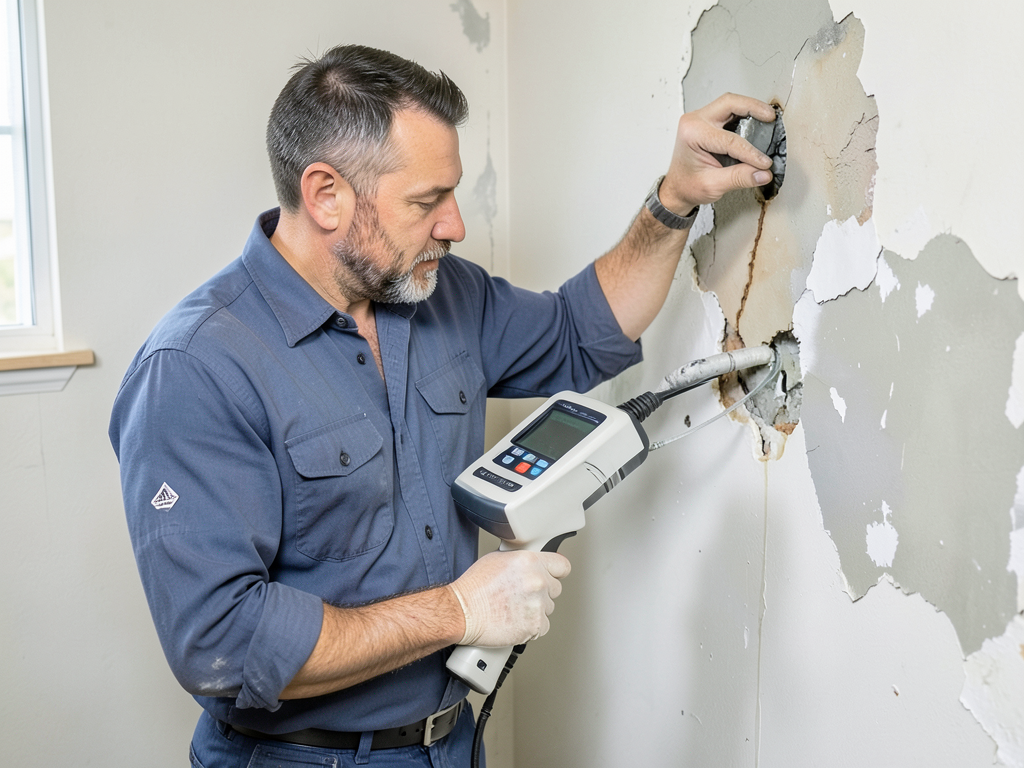
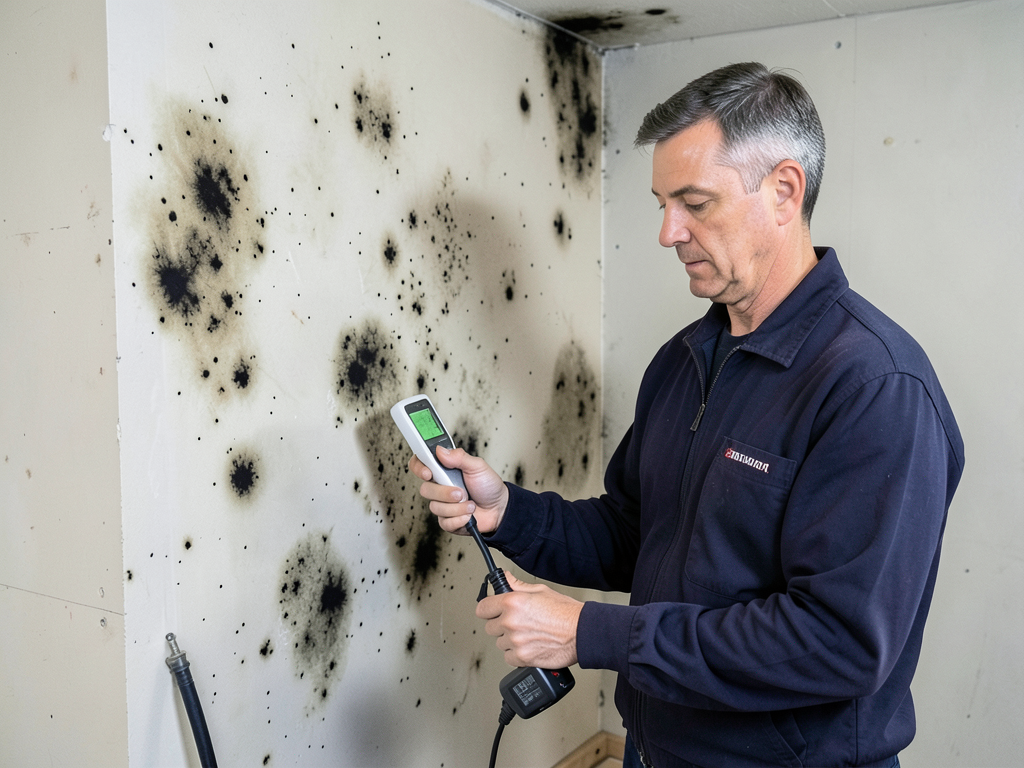
We inspect every square foot of your crawl space using moisture meters, thermal imaging, and air quality monitors. Standing water gets pumped out immediately. We identify all moisture entry points, including foundation cracks, poor grading, and plumbing leaks. You receive a written report documenting moisture levels in wood, soil saturation, and visible mold growth before any work begins.
02

Mold Remediation and Structural Repair

We remove contaminated insulation, treat mold-infected wood with penetrating fungicides, and replace compromised floor joists. All organic debris is bagged and removed. We use HEPA filtration during demolition to prevent spore dispersal. Structural repairs meet IRC code for crawl space construction. This phase eliminates the existing contamination and prepares the space for permanent waterproofing.
03

Encapsulation and Climate Control

We install a sealed vapor barrier across the entire floor and up the foundation walls, using mechanical fasteners and waterproof tape at all seams. Vents are sealed with foam board and mastic. A commercial-grade dehumidifier maintains optimal humidity levels year-round. Final air quality testing confirms the space is dry, stable, and safe. You get a clean, controlled environment that protects your foundation indefinitely.

Why Columbus Homeowners Choose Five Star Water Damage Restoration

Columbus has over 400,000 homes. A significant percentage were built before 1980, when crawl space construction standards were minimal. Foundations were poured directly on clay soil with no drainage systems. Vents were cut into block walls with no consideration for humidity control. These homes need specialized remediation, not generic waterproofing.

We understand the soil composition in Franklin County. The clay content causes hydrostatic pressure against foundation walls during wet seasons. Standard sump pumps fail because they are not sized for the soil's water retention. We install systems designed for high clay environments, with battery backup and larger discharge lines.

Our crews are trained in confined-space entry protocols. Crawl spaces in older Columbus homes average 18 to 24 inches of clearance. Working safely in these conditions requires respiratory protection, proper lighting, and communication systems. We follow OSHA guidelines for permit-required confined spaces when contamination or structural hazards are present.

We work with local building inspectors in Columbus and surrounding townships. Crawl space encapsulation sometimes requires permits, especially when structural repairs are involved. We handle the paperwork and ensure all work meets the Ohio Residential Code for foundation waterproofing and ventilation.

You also get transparent documentation. We photograph every stage of the process. Moisture readings are recorded before, during, and after encapsulation. Air quality results are delivered in writing. If you are selling your home or filing an insurance claim, you have proof that the work was done correctly.

Local expertise matters in water damage restoration. We have worked in Bexley's brick colonials, Upper Arlington's mid-century ranches, and Westerville's new construction. Each foundation type has different vulnerabilities. We know what to look for and how to fix it permanently.

What You Can Expect from Our Crawl Space Services

Rapid Response and Project Timeline

We schedule inspections within 24 hours of your call. Most crawl space encapsulation projects in Columbus take three to five days, depending on square footage and the extent of structural damage. Water extraction and mold remediation happen first. Vapor barrier installation and dehumidifier setup follow once the space is clean and dry. We work in phases to minimize disruption. You are updated daily on progress. If you have an active water intrusion issue, we stop it immediately and stabilize the environment before moving to encapsulation.

Comprehensive Inspection and Moisture Mapping

The initial assessment takes 60 to 90 minutes. We use pin-type and non-invasive moisture meters to measure wood moisture content in floor joists and sill plates. Thermal imaging identifies hidden water intrusion behind insulation or inside block walls. We test soil moisture levels and check for drainage issues around the foundation perimeter. Air samples are collected if mold is visible. You receive a written report that includes moisture maps, photos, and a scope of work. There is no guessing. Every recommendation is based on measurable data.

Long-Term Performance and Air Quality Improvement

A properly encapsulated crawl space maintains 45 to 55 percent relative humidity indefinitely. You will notice the difference upstairs within weeks. Hardwood floors stop cupping. Musty odors disappear. HVAC efficiency improves because your system is not fighting humidity. The vapor barrier we install is reinforced polyethylene designed to last 20-plus years. The dehumidifier is commercial-grade with a warranty and serviceable components. We provide post-installation moisture readings and air quality test results. You get a baseline to compare against future inspections.

Ongoing Monitoring and Maintenance Support

Encapsulation is not a one-time fix. It requires monitoring. We recommend annual inspections to check dehumidifier performance, verify vapor barrier integrity, and confirm humidity levels remain stable. Filter changes and condensate line cleaning are part of routine maintenance. If you experience a plumbing leak or foundation settlement, we respond immediately to assess impact on the encapsulation system. Our goal is to keep your crawl space dry for the life of your home. Maintenance plans are available for homeowners who want scheduled service and priority response.

Frequently Asked Questions

You Have Questions,
We Have Answers

What is the average cost to encapsulate a crawl space? +

Crawl space encapsulation costs in Columbus typically range from $5,000 to $15,000, depending on square footage, existing moisture damage, and scope of work. Smaller crawl spaces under 1,000 square feet run lower, while larger areas with severe water intrusion or mold remediation needs cost more. Clay soil common in Columbus neighborhoods often shifts and cracks foundations, which increases prep work. Factors include vapor barrier thickness, dehumidifier installation, structural repairs, insulation removal, and drainage improvements. Columbus humidity patterns also affect long-term moisture control needs, influencing upfront investment.

Is it worth it to encapsulate a crawlspace? +

Yes. Columbus homes face high humidity, freeze-thaw cycles, and clay soil movement that create persistent moisture problems. Encapsulation stops mold growth, reduces energy bills by up to 20 percent, improves indoor air quality, and protects structural integrity. Without encapsulation, crawl spaces in Columbus allow moisture to rise into living areas, warping floors and breeding allergens. The investment pays back through lower HVAC costs, prevented structural damage, and increased home resale value. For Columbus homeowners dealing with damp basements or musty odors, encapsulation solves the root cause instead of masking symptoms.

How much does it cost to have someone clean your crawl space? +

Professional crawl space cleaning in Columbus costs between $1,500 and $4,000. Price depends on debris volume, contamination type, accessibility, and whether mold remediation is needed. Columbus crawl spaces often accumulate insulation, rodent waste, standing water, and organic debris from foundation leaks. Cleanup includes debris removal, sanitization, mold treatment, and moisture source identification. If you have standing water or suspect sewage contamination, expect higher costs. Basic debris removal runs lower, but Columbus clay soil creates drainage issues that require additional waterproofing steps during cleanup.

What does crawl space encapsulation include? +

Crawl space encapsulation includes installing a heavy-duty vapor barrier across floors and walls, sealing all vents and openings, adding a commercial-grade dehumidifier, and insulating rim joists. In Columbus, encapsulation also addresses foundation cracks common with clay soil expansion. The process starts with debris removal, mold treatment, and structural repairs. Then crews install 10 to 20 mil reinforced polyethylene liners, seal seams with tape, and attach barriers to walls. Sump pumps or drainage systems handle water intrusion. The goal is transforming your crawl space into a controlled, dry environment.

Will insurance cover crawl space encapsulation? +

Homeowners insurance rarely covers encapsulation as a preventative upgrade. However, if water damage from a sudden, covered event like burst pipes or appliance failure damaged your crawl space, insurance may cover cleanup and restoration costs. Columbus policies vary, so review your declarations page for water damage exclusions. Flood damage requires separate flood insurance. If you document mold growth or structural damage caused by a covered peril, file a claim immediately. Encapsulation done proactively for moisture control or energy efficiency is considered home improvement, not an insured loss.

What are the disadvantages of crawl space encapsulation? +

Encapsulation requires proper installation and ongoing maintenance. A poorly installed vapor barrier traps moisture instead of expelling it, worsening mold growth. Dehumidifiers need monitoring and occasional filter changes. In Columbus, power outages during storms can disable dehumidifiers, allowing humidity spikes. Encapsulation also hides plumbing leaks or pest infestations until significant damage occurs. Upfront costs deter some homeowners. If drainage issues or foundation cracks are not addressed first, water will bypass the barrier. Encapsulation works only when combined with proper grading, gutters, and sump pumps in Columbus clay soil conditions.

Can I write off crawl space encapsulation? +

Crawl space encapsulation may qualify as a medical expense deduction if prescribed by a doctor to treat diagnosed respiratory conditions like asthma or allergies caused by mold. You must itemize deductions and exceed the IRS threshold for medical expenses. Encapsulation done solely for energy efficiency or home improvement is not deductible. If you install encapsulation as part of medically necessary mold remediation in Columbus, keep detailed receipts and a physician's written recommendation. Consult a tax professional familiar with Ohio tax code to determine eligibility. Home improvement loans may offer interest deductions instead.

How long does a crawlspace encapsulation last? +

A properly installed encapsulation system lasts 15 to 25 years in Columbus. Vapor barrier lifespan depends on material quality, installation precision, and crawl space traffic. Heavy-duty 20 mil reinforced liners outlast thinner products. Dehumidifiers require replacement every 7 to 10 years. Columbus freeze-thaw cycles and clay soil shifting can stress barriers over time, so annual inspections catch tears or separation early. Sump pumps need maintenance every 3 to 5 years. With routine checks and prompt repairs, encapsulation protects your Columbus home for decades without full reinstallation.

How much does it cost to insulate a 1000 sq ft crawl space? +

Insulating a 1,000 square foot crawl space in Columbus costs between $1,500 and $3,500, depending on insulation type and existing conditions. Spray foam offers superior moisture resistance and R-value but costs more than fiberglass batts. Columbus climate requires insulation that handles humidity without sagging or harboring mold. Most contractors insulate rim joists and walls rather than the crawl space floor. If you combine insulation with encapsulation, expect bundled pricing. Removal of old, damaged insulation adds $500 to $1,500. Proper insulation reduces energy loss and prevents frozen pipes during Columbus winters.

Can you sell a house with water in crawl space? +

Yes, but standing water significantly reduces buyer interest and sale price in Columbus. Ohio disclosure laws require you to reveal known water issues. Buyers will demand inspections, and lenders may refuse financing until the problem is fixed. Addressing water intrusion before listing protects your equity. Cleanup, encapsulation, and drainage corrections transform a liability into a selling point. Columbus buyers prioritize dry, healthy crawl spaces due to regional moisture challenges. Selling as-is invites lowball offers or deal cancellations. Invest in professional water removal and moisture control to maximize resale value and close faster.

How Columbus Soil and Rainfall Patterns Accelerate Crawl Space Damage

Columbus receives an average of 39 inches of rain annually, with peak precipitation in May and June. The clay-heavy soil in Franklin County absorbs water slowly, causing surface runoff to pool against foundations. Homes built before modern grading codes often lack proper drainage systems, so water sits against basement and crawl space walls. When combined with summer humidity that regularly exceeds 70 percent, crawl spaces become saturated environments. Mold grows on organic materials in as little as 48 hours. Wood moisture content above 20 percent invites rot and insect activity. Crawl space waterproofing and vapor barrier installation are essential defenses against these specific regional conditions.

Columbus building codes have evolved significantly over the past 40 years, but older homes were not built to modern moisture control standards. Many properties in established neighborhoods like Clintonville and Grandview have crawl spaces with open vents, no vapor barriers, and inadequate drainage. Five Star Water Damage Restoration Columbus works with local inspectors and follows current IRC guidelines for crawl space encapsulation. We understand the permitting process in Franklin County and surrounding townships. Choosing a local contractor means working with someone who knows your home's construction style, the soil conditions in your neighborhood, and the specific moisture challenges Columbus homeowners face year-round.
Water Damage Restoration Services in The Columbus Area

We proudly serve the wider Columbus area and its surrounding communities. Our centrally located office allows our emergency response teams to reach your property quickly, no matter where you are. We are committed to being a reliable resource for our neighbors, and our responsive team is always on standby to provide professional assistance when you need it most. We believe that local expertise and a quick response are crucial when dealing with water damage, so we encourage you to view our service area to see if we can help.

Address:
Five Star Water Damage Restoration Columbus, 601 N High St, Columbus, OH, 43215

Additional Services We Offer

Our news updates

Latest Articles & News from The Blogs

Dealing with water damage when you live in a Columbus HOA or condo association Water damage in a Columbus condo…

Dealing with water damage when you live in a Columbus HOA or condo association

Dealing with water damage when you live in a Columbus HOA or condo association Water damage in a Columbus condo…

The real difference between common mildew and dangerous black mold in Eastmoor homes

The real difference between common mildew and dangerous black mold in Eastmoor homes Eastmoor homeowners often spot dark patches in…

Testing your sump pump before the spring rains hit the South Side

Testing your sump pump before the spring rains hit the South Side \n\n Heavy spring rains combined with the clay-rich…

Contact Us

Mold, rot, and structural damage do not fix themselves. Call Five Star Water Damage Restoration Columbus at (614) 707-7505 for a complete crawl space inspection and a written remediation plan. We respond fast and work right.