
Dealing with water damage when you live in a Columbus HOA or condo association
Water damage in a Columbus condo or HOA can turn into a legal and financial maze within hours. The first 24 hours matter most because mold can begin growing in 24-48 hours in Ohio’s humid climate. This guide cuts through the confusion about who pays for what under Ohio Revised Code Chapter 5311 and helps you take the right steps before the damage spreads. Ohio Revised Code Chapter 5311.
Understanding the ‘Master Policy’ vs. Your Personal Condo Insurance (HO-6)
Most Columbus HOAs carry a master insurance policy that covers the building’s structure and common areas. Your personal HO-6 policy covers everything from the walls inward including your cabinets, flooring, and personal belongings. The key difference determines whether you or the HOA pays for repairs.. Read more about The difference between Columbus water restoration pros and independent adjusters.
Common policy types in Columbus include:
- Bare Walls-in: HOA covers structure only. You pay for everything inside your unit.
- Single Entity: HOA covers original fixtures. You pay for upgrades and personal property.
- All-In: HOA covers most interior items. Less common in Ohio.
Most Columbus HOAs use bare walls-in policies because they keep costs lower for everyone. Your HO-6 policy fills the gaps and covers your personal liability if your negligence causes damage to neighbors.
Common Water Damage Scenarios in Columbus Condos
Leak from an Upstairs Neighbor
When water drips through your ceiling from the unit above, the responsibility depends on the source. If a neighbor’s washing machine hose bursts due to age, their HO-6 insurance typically covers your damages through subrogation. If the HOA’s common plumbing fails, the master policy may cover repairs to the structure but not your personal items. Professional water damage restoration for Short North shops and galleries.
Burst Common Area Pipes
Columbus’s freeze-thaw cycles in January and February often cause pipes in shared walls to burst. The HOA master policy covers structural repairs to walls and ceilings. Your HO-6 covers damaged flooring, cabinets, and personal property. Most Columbus HOAs have deductibles between $5,000 and $25,000 that may be assessed to all owners.. Read more about Professional Structural Drying for Discovery District Lofts and High-Rises.
Refrigerator or Appliance Failure
When your dishwasher leaks and damages the unit below, your HO-6 liability coverage pays for the downstairs neighbor’s repairs. The HOA may charge you for their deductible if the damage originated in your unit. Regular maintenance records can protect you from negligence claims.
Ohio Revised Code Chapter 5311: What the Law Says About Condo Liability
Ohio Revised Code Chapter 5311 governs condominium associations and clearly defines maintenance responsibilities. The law requires HOAs to maintain common elements and individual owners to maintain their units. This creates a framework for determining liability when water damage occurs.. Read more about Why your air conditioner is leaking water inside your Italian Village condo.
Key legal points include:
- The HOA must repair common elements like roofs, exterior walls, and shared plumbing.
- Individual owners must repair and maintain their unit’s interior systems.
- Negligence by an owner can shift liability to their insurance regardless of the master policy.
The law also requires HOAs to maintain adequate insurance coverage and provides dispute resolution procedures if owners disagree about responsibility.
The Role of ‘Proximate Cause’ in Determining Responsibility
Insurance adjusters use proximate cause to determine who pays for water damage. This means identifying the original source of the problem, not just where the water ended up. A slow leak from a cracked pipe might cause damage over months, making it harder to prove the exact origin.
Common proximate causes in Columbus condos include:
- Failed plumbing fixtures due to age or wear
- Improperly maintained appliances
- Weather-related roof or window failures
- Construction defects in newer buildings
The party responsible for maintaining the failed component typically bears financial responsibility, regardless of where the damage appears.
5 Immediate Steps to Take When You Discover a Leak
Speed matters when water damage occurs. The longer moisture sits, the more expensive the repairs become. Follow these steps immediately:
- Stop the water source if you can safely access the shutoff valve. This prevents further damage.
- Document everything with photos and videos before moving anything. This evidence helps with insurance claims.
- Notify your HOA management in writing. Most Columbus HOAs require written notice within 24 hours.
- Mitigate further damage by removing standing water and moving valuables to dry areas.
- Call your insurance company to start the claims process. They can guide you on next steps.
Never wait for the HOA to act. Your HO-6 policy requires you to mitigate damage to avoid coverage denial.
Why Professional Mitigation is Required by Most Columbus HOA Bylaws
Columbus HOAs increasingly require professional water damage mitigation to prevent mold growth and structural damage. The city’s high humidity and temperature fluctuations create perfect conditions for mold within 24-48 hours of water exposure.
Professional mitigation includes:
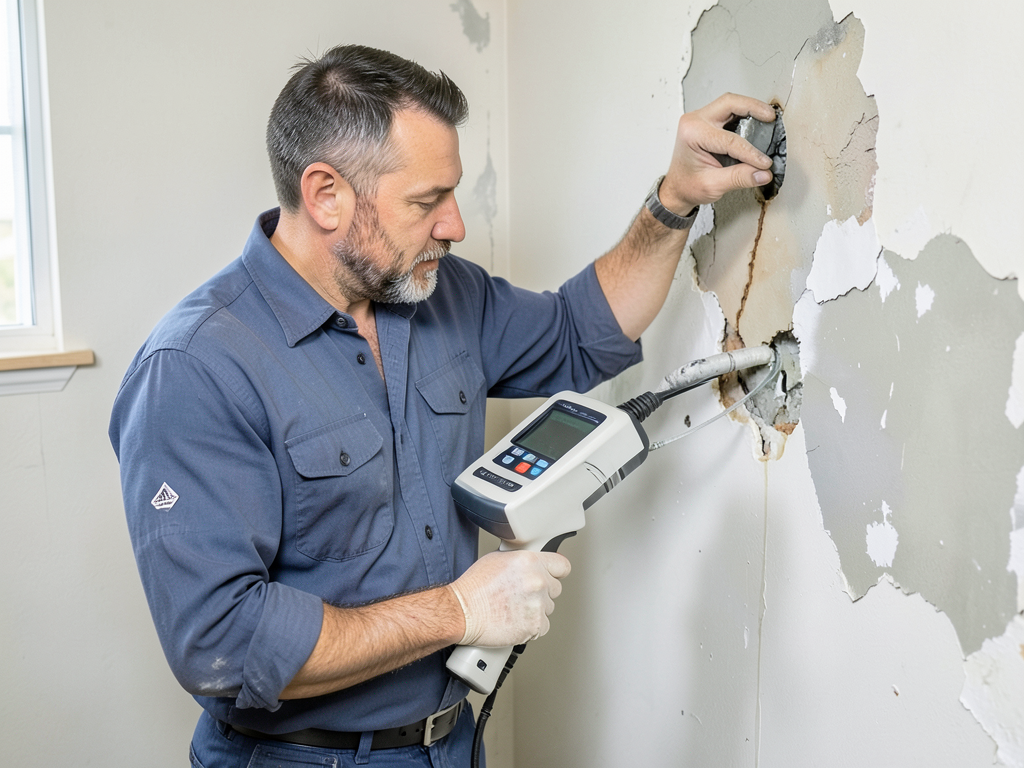
- Moisture mapping to find hidden water in walls and under floors
- Industrial dehumidifiers to reduce humidity below 40%
- Antimicrobial treatments to prevent mold growth
- Documentation for insurance claims
DIY drying often misses moisture trapped in building materials, leading to costly mold remediation later. Most Columbus HOAs will not approve self-mitigation for significant water events. Mold Remediation & Removal.
Who Pays for What: A Responsibility Matrix
| Damage Location | Master Policy Covers | HO-6 Policy Covers | Who Pays Deductible |
|---|---|---|---|
| Common area pipes | Structure only | Personal property | Split between HOA and affected owners |
| Upstairs neighbor leak | None | All damage to your unit | Neighbor’s HO-6 pays |
| Your appliance failure | None | Your damage + downstairs damage | Your HO-6 pays |
| Roof leak | Structure and original fixtures | Upgrades and personal items | HOA pays if common element |
Loss Assessment Coverage: Your Financial Protection
Columbus HOAs often charge individual owners for master policy deductibles after water damage events. Loss assessment coverage in your HO-6 policy protects you from these unexpected costs. Standard policies cover $5,000 to $10,000 of special assessments.
Consider increasing your loss assessment limit if:
- Your HOA has high deductibles ($25,000+)
- You live in an older building with aging systems
- Multiple units share the same plumbing
This coverage also applies to temporary housing costs if your unit becomes uninhabitable during repairs.
Preventing Water Damage in Your Columbus Condo
Prevention costs far less than repairs. Simple maintenance can prevent most water damage scenarios in Columbus condos.
Monthly prevention checklist:
- Check under sinks for moisture or corrosion
- Inspect washing machine hoses for bulges or cracks
- Test your water heater’s pressure relief valve
- Clean your refrigerator’s drain line
Annual professional inspections can identify potential problems before they cause damage. Many Columbus plumbers offer condo-specific inspections that check shared wall plumbing and appliance connections.
Working with Your Insurance Companies
Water damage claims often involve both your HO-6 carrier and the HOA’s master policy insurer. The process works best when you understand each company’s role.
Your HO-6 insurer handles:
- Personal property claims
- Interior damage beyond original fixtures
- Your liability to neighbors
The master policy covers:
- Common area structural damage
- Original building components
- HOA liability to unit owners
Insurance companies often work together through subrogation, where one insurer pays and then seeks reimbursement from the responsible party.
Special Considerations for Historic Columbus Buildings
Many Columbus condos occupy historic buildings with unique construction methods. Lath and plaster walls, original hardwood floors, and historic millwork require specialized restoration approaches.
Historic building considerations:
- Older materials absorb more water and take longer to dry
- Some restoration methods may require historic preservation approval
- Replacement materials must match original specifications
Always verify that your restoration company has experience with historic Columbus properties before hiring them.
When to Call a Professional Restoration Company
Not all water damage requires professional help, but certain situations demand immediate expert attention. Call a professional if:
- Water affected more than one room or unit
- You see water in walls or ceilings
- The leak has been present for more than 24 hours
- You notice musty odors or visible mold
- Your HOA requires professional mitigation
Professional restoration companies coordinate with insurance adjusters and provide the documentation needed for successful claims.
Frequently Asked Questions
Who is responsible for water damage from a neighbor’s leaking appliance?
The neighbor’s HO-6 insurance typically covers damage to your unit if their appliance caused the leak. However, if the HOA’s common plumbing failed, the master policy might cover structural damage while your HO-6 covers personal items.
How quickly must I report water damage to my HOA?
Most Columbus HOAs require written notice within 24 hours of discovering water damage. Check your association’s bylaws for specific reporting requirements and failure to report promptly could affect your insurance coverage.
Will my condo insurance cover mold damage?
HO-6 policies typically cover mold damage if it results from a covered water loss. However, mold from long-term moisture problems or lack of maintenance may not be covered. Professional testing can determine the source and extent of mold growth.
What if I can’t afford the HOA’s water damage deductible?
Many HOAs allow payment plans for large deductibles. Your HO-6 loss assessment coverage may also help. Some associations maintain emergency funds for catastrophic events that affect multiple units.
How do I prove negligence in a water damage dispute?
Documented maintenance records, witness statements, and professional inspections can establish negligence. Photos showing the condition of appliances or plumbing before the damage occurred are particularly valuable evidence.
Don’t Let Water Damage Become a Financial Disaster
Water damage in a Columbus condo can escalate from a small leak to a major financial burden within days. Understanding your insurance coverage, acting quickly, and knowing when to call professionals can save you thousands of dollars and prevent long-term problems like mold growth.
Remember that your HO-6 policy works as a team with the HOA’s master policy. Neither alone provides complete protection. Regular maintenance, proper documentation, and prompt action when problems arise are your best defenses against costly water damage.
If you’re dealing with water damage right now, don’t wait for the problem to get worse. Call (614) 707-7505 today to schedule your inspection and get expert help before mold takes hold.
Pick up the phone and call (614) 707-7505 before the next storm hits. Our team responds 24/7 to help Columbus condo owners navigate water damage emergencies and restore their homes quickly and professionally. Fixing storm and flood damage in Hilliard after heavy rains.
For more information about water damage prevention and restoration, visit our Dublin basement flood response guide or learn about frozen pipe cleanup in Gahanna. For more information, visit IICRC S500 Standard.
You may also find this helpful. How to tell if your window frames are leaking water into your Brewery District loft.
You may also find this helpful. Fast Cleanup for Multi-Unit Apartment Floods Near Easton Town Center.
You may also find this helpful. Saving Custom Cabinetry and Built-Ins After a Flood in Muirfield Village.