Menu

Does Insurance Cover Mold in Columbus – Get Straight Answers on Your Policy

Understanding homeowners insurance mold coverage can save you thousands when water damage strikes your Columbus home. We break down what your policy actually covers and how to navigate mold remediation insurance claims.

Slider Image 1
Slider Image 2
Slider Image 3
Slider Image 4
Slider Image 5
Slider Image 7
Slider Image 8
Slider Image 9
Slider Image 10
Slider Image 11

Why Mold Coverage Is Confusing for Columbus Homeowners

You spot mold in your basement after a pipe burst. You call your insurance company. They say no. You are frustrated and confused because you have been paying premiums for years.

Here is the truth. Most standard homeowners insurance policies in Columbus do not cover mold damage as a standalone event. They cover mold only when it results from a covered peril like a sudden pipe break or storm damage. If mold grows from long-term humidity or maintenance neglect, your claim gets denied.

Columbus sits in a humid continental climate zone. Summer humidity regularly exceeds 70 percent. Basements in German Village and Victorian Village trap moisture because of older foundation systems and poor ventilation. This creates perfect conditions for mold growth, but insurance companies classify this as a maintenance issue, not a covered loss.

Property insurance mold coverage depends on the source of moisture. A washing machine hose that ruptures and causes mold within 72 hours typically gets covered. A slow roof leak that drips for months and spawns black mold does not. The question is not whether you have mold. The question is what caused it and how quickly it developed.

Does home insurance pay for mold removal? Only when you can prove the mold resulted from a sudden, accidental water event. Documentation matters. Photos, moisture readings, and professional assessments strengthen your claim. Without proof, adjusters assume the damage was preventable.

Why Mold Coverage Is Confusing for Columbus Homeowners
How Insurance Companies Evaluate Mold Claims

How Insurance Companies Evaluate Mold Claims

Insurance adjusters follow a clear protocol when evaluating mold remediation insurance claims. They determine the moisture source first. They measure the affected area second. They review your maintenance records third.

If mold stems from a covered water loss, the adjuster documents the timeline. Mold begins colonizing within 24 to 48 hours of water intrusion. Growth becomes visible between 48 and 72 hours. If remediation starts within this window, coverage typically applies. Beyond 72 hours, insurers argue you failed to mitigate damage.

Adjusters inspect for pre-existing conditions. They check for chronic leaks, poor grading around your foundation, or missing downspouts. Columbus homes built before 1980 often lack vapor barriers in crawl spaces. This creates persistent dampness that leads to mold. Insurers deny claims when they find evidence of long-term moisture issues.

Most policies cap mold coverage between $5,000 and $10,000. This limit applies regardless of the total damage. A basement full of contaminated drywall, insulation, and framing can cost $30,000 to remediate. Your policy covers only the capped amount.

Is mold damage covered by insurance when it affects HVAC systems? Sometimes. If contaminated ductwork resulted from a covered water loss, replacement costs may fall under your policy. If mold grew from condensation due to poor maintenance, you pay out of pocket.

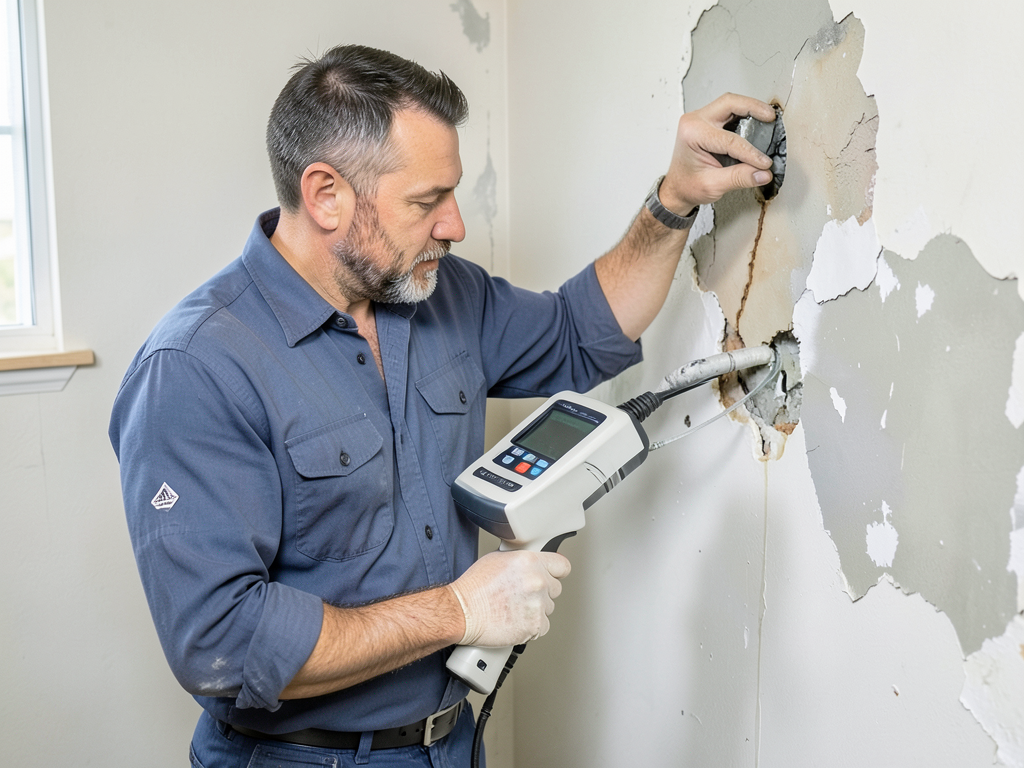
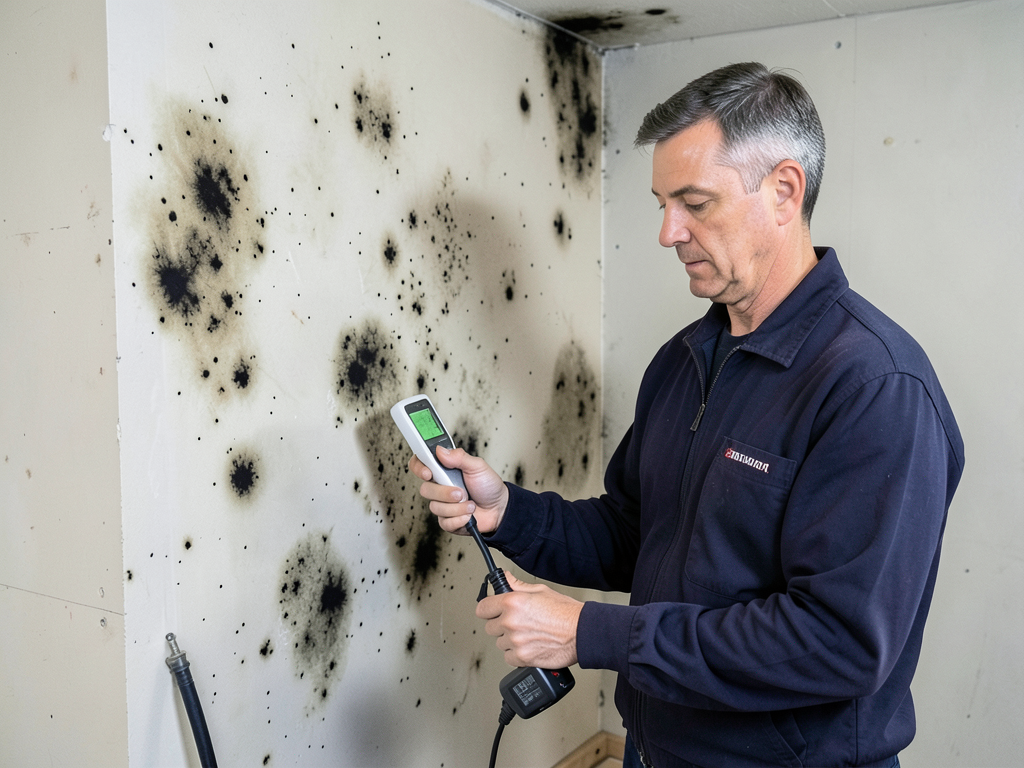
The key is proving causation. Five Star Water Damage Restoration Columbus documents moisture sources with thermal imaging and hygrometers. We photograph affected areas and provide detailed timelines. This evidence separates approved claims from denied ones.

What Happens When You File a Mold Claim

Does Insurance Cover Mold in Columbus – Get Straight Answers on Your Policy
01

Initial Loss Notification

Contact your insurance carrier within 24 hours of discovering water damage. Explain the moisture source and when you first noticed it. Request immediate inspection. The faster you report, the stronger your claim. Adjusters view delays as proof you ignored the problem. Document everything with photos and timestamps before remediation begins.
02

Adjuster Assessment

The adjuster inspects your property to determine coverage. They measure affected areas using moisture meters and infrared cameras. They document the mold species if visible growth exists. They review maintenance records and look for pre-existing damage. Their report decides whether your claim gets approved or denied. Professional documentation from a certified remediation company strengthens your position.
03

Coverage Determination

Your insurer issues a coverage decision within 7 to 14 days. Approved claims include a settlement amount based on your policy limits. Denied claims come with a written explanation citing specific policy exclusions. If denied, you can appeal with additional evidence or hire a public adjuster. Understanding homeowners insurance mold coverage before damage occurs helps you set realistic expectations.

Why Columbus Homeowners Trust Five Star Water Damage Restoration

We work with insurance companies daily. We understand how adjusters evaluate mold claims in Franklin County. We know which documentation they require and how to present evidence that supports coverage.

Columbus homes face specific challenges. The Scioto and Olentangy Rivers create high groundwater tables in Franklinton and the Brewery District. Basements flood during spring storms. Sump pumps fail. Water seeps through foundation walls. These are covered perils when they happen suddenly.

We provide moisture mapping that satisfies adjuster requirements. Our thermal imaging cameras detect hidden water behind walls and under floors. We measure humidity levels and airborne spore counts. This data proves whether mold resulted from a sudden loss or chronic neglect.

Many homeowners hire remediation companies that start tearing out drywall before the adjuster arrives. This destroys evidence. Adjusters cannot verify the damage source when the scene is disturbed. We coordinate with your insurer before beginning work. We preserve the loss site while preventing further contamination.

Five Star Water Damage Restoration Columbus also navigates the gray areas. Some policies cover mold testing but not removal. Others cover removal but not reconstruction. We help you understand your actual benefits before you commit to repairs.

We have seen claims approved because we documented everything correctly. We have also seen claims denied because homeowners waited too long or hired unqualified contractors. The difference comes down to process and evidence. We make sure you are positioned for the best possible outcome with your carrier.

What to Expect When You Contact Us About Mold Coverage

Immediate Response and Assessment

We answer calls 24 hours a day. When you contact us about potential mold damage, we dispatch a technician to your Columbus property within two hours. Speed matters for insurance claims. We photograph and document the scene before any remediation begins. This preserves evidence your adjuster needs to approve the claim. We identify the moisture source and measure affected areas using calibrated instruments. You receive a written assessment within 24 hours that details the damage and likely coverage based on your policy type.

Insurance Coordination and Documentation

We contact your insurance carrier on your behalf if you authorize it. We schedule the adjuster walkthrough and attend the inspection with you. Our technicians provide moisture readings, thermal images, and spore count data that support your claim. We answer adjuster questions about causation and timeline. Many homeowners do not know what evidence insurers require. We bridge that gap. If your claim gets approved, we work directly with your carrier on pricing and scope. If denied, we provide documentation you can use to appeal the decision.

Professional Remediation and Clearance Testing

Once your claim is approved or you decide to proceed out of pocket, we begin containment and removal. We follow IICRC S520 standards for mold remediation. We isolate affected areas with plastic sheeting and negative air pressure. We remove contaminated materials and treat surfaces with antimicrobial agents. After remediation, we conduct clearance testing to verify spore counts meet safe levels. You receive a certificate of completion that satisfies insurance requirements and protects your home value if you sell later. The work is not complete until air quality returns to normal.

Post-Remediation Support and Prevention

We do not disappear after remediation ends. We provide a detailed report you can submit to your insurance company if they request follow-up documentation. We also identify why the mold developed and recommend corrections. This might include improved drainage, dehumidification, or vapor barrier installation. Preventing future growth protects your investment and keeps your premiums from increasing. If mold returns within 90 days due to our workmanship, we address it at no charge. We want you to understand not just whether your claim is covered, but how to avoid filing another one.

Frequently Asked Questions

You Have Questions,
We Have Answers

Should I tell my insurance company about mold? +

Yes, you should notify your insurance company about mold, but timing matters. If mold resulted from a sudden covered event like a burst pipe or storm damage, report it immediately. Columbus homeowners often discover mold after spring flooding or winter pipe freezes. Document everything with photos and dates before calling. However, if mold developed from long-term neglect or maintenance issues like poor ventilation in your basement, your claim will likely be denied. Insurance covers the sudden peril, not gradual problems. Read your policy's mold exclusions carefully before filing.

Can you claim for mold on house insurance? +

You can claim mold on house insurance only if it resulted from a covered peril. In Columbus, this typically means mold from burst pipes, roof leaks after storm damage, or appliance failures. Your policy likely includes a mold sub-limit, often between $5,000 and $10,000. Mold from humidity, condensation, or deferred maintenance is excluded. Insurance pays for the water damage and resulting mold, not pre-existing growth. Document the initial water event and timeline carefully. Many Columbus homeowners face denials because they cannot prove the mold originated from a sudden, accidental event.

How long does it take for mold to spread in walls? +

Mold can spread in walls within 24 to 48 hours after water exposure. In Columbus, high humidity levels accelerate growth, especially during summer months or in poorly ventilated basements. Once mold establishes behind drywall, it spreads rapidly through porous materials like insulation and wood framing. You might not see visible growth for weeks, but the colony is expanding. This is why immediate water extraction matters. If your home experienced flooding or a leak, assume mold is growing even if you cannot see it. Professional moisture testing identifies hidden colonies before they become catastrophic.

Is mold exposure covered by insurance? +

Mold exposure itself is not covered by insurance. Your homeowners policy covers property damage from mold, not medical claims or health issues. If you develop respiratory problems or allergic reactions from mold in your Columbus home, those medical bills fall under your health insurance, not homeowners coverage. Liability coverage might apply if a guest becomes ill from mold in your home, but only if you knew about the hazard and failed to address it. Insurance focuses on remediating the mold and repairing damaged property, not compensating for health effects.

What is the average cost of mold removal? +

Mold removal costs vary widely based on the extent and location. Small areas under 10 square feet might cost a few hundred dollars for DIY supplies. Professional remediation for moderate infestations affecting 10 to 100 square feet typically ranges from $1,500 to $3,500 in the Columbus area. Extensive mold requiring wall removal, HVAC cleaning, and structural repairs can exceed $10,000. Factors include accessibility, contamination level, and materials affected. Columbus homes with finished basements or crawl space issues often face higher costs due to moisture control needs. Always get multiple estimates before proceeding.

Will my rates go up if I file a mold claim? +

Filing a mold claim can increase your rates, but the impact depends on your claim history and the underlying cause. Columbus insurers view mold claims as high-risk because they signal potential maintenance issues or recurring water problems. If the mold resulted from a one-time event like storm damage, the rate increase may be minimal. However, multiple claims or mold from neglect can trigger significant hikes or non-renewal. Some carriers impose surcharges for homes with prior mold claims. Weigh the claim payout against potential premium increases over the next three to five years.

How much can you claim for mold? +

Most homeowners policies cap mold claims between $5,000 and $10,000, regardless of actual damage costs. This sub-limit applies specifically to mold remediation and related repairs. In Columbus, where humidity and basement moisture are common, this cap often falls short of total remediation needs. You can purchase additional mold coverage through endorsements, raising the limit to $25,000 or $50,000 for higher premiums. The claim amount also depends on proving the mold stemmed from a covered peril. Without documented sudden water damage, you will receive nothing, regardless of mold severity.

What to do if you can't afford mold removal? +

If you cannot afford mold removal, address the moisture source first to stop growth. In Columbus, this might mean fixing a leaky basement, improving ventilation, or repairing roof damage. Contact local community development agencies or HUD-approved housing counselors for assistance programs. Some restoration companies offer payment plans or financing options. For small areas under 10 square feet, you can attempt DIY remediation with proper protective equipment and EPA-approved cleaners. However, hidden mold in walls or HVAC systems requires professional help. Ignoring mold worsens property damage and health risks, ultimately costing more.

What types of mold does insurance cover? +

Insurance covers mold that results directly from a covered peril, not specific mold types. Whether it is black mold, green mold, or any other species, coverage depends on the cause. In Columbus, if mold grows after a covered event like a burst pipe, appliance leak, or storm-related roof damage, your policy responds up to the sub-limit. Mold from flooding, groundwater seepage, or humidity is excluded. Insurance does not differentiate between toxic and non-toxic mold. The adjuster focuses on whether the water damage was sudden and accidental, not the mold variety.

What are the first signs of mold sickness? +

First signs of mold sickness include respiratory symptoms like coughing, wheezing, and nasal congestion. Columbus residents often experience itchy eyes, throat irritation, and skin rashes. Those with asthma or allergies notice worsened symptoms. Prolonged exposure can cause headaches, fatigue, and difficulty concentrating. In severe cases involving toxic mold, symptoms include memory problems and persistent respiratory infections. If multiple household members develop unexplained symptoms that improve when away from home, suspect mold. See a doctor and arrange professional mold testing. Early detection prevents chronic health issues and limits property damage.

How Columbus Humidity and Housing Age Affect Mold Claims

Columbus averages 73 percent relative humidity from June through August. Homes in Clintonville and Bexley built between 1920 and 1950 often lack proper attic ventilation and insulation. This traps moisture in wall cavities during cooling months. Condensation forms on cold surfaces. Mold colonizes within 48 hours. Insurance adjusters in Franklin County see this pattern repeatedly. They know the difference between acute water damage and chronic humidity problems. Proving your mold resulted from a sudden event requires documentation that links moisture intrusion to a specific date and covered peril.

Five Star Water Damage Restoration Columbus has worked with every major insurance carrier operating in Franklin County. We understand how local adjusters interpret policy language. We know which documentation satisfies State Farm, Nationwide, and Allstate requirements for mold remediation insurance claims. We also know Columbus building codes and how they affect reconstruction after mold removal. Choosing a local company means you get someone who understands both the insurance landscape and the environmental factors that make mold a persistent threat in central Ohio. We speak the language adjusters understand and document losses the way they require.
Water Damage Restoration Services in The Columbus Area

We proudly serve the wider Columbus area and its surrounding communities. Our centrally located office allows our emergency response teams to reach your property quickly, no matter where you are. We are committed to being a reliable resource for our neighbors, and our responsive team is always on standby to provide professional assistance when you need it most. We believe that local expertise and a quick response are crucial when dealing with water damage, so we encourage you to view our service area to see if we can help.

Address:
Five Star Water Damage Restoration Columbus, 601 N High St, Columbus, OH, 43215

Additional Services We Offer

Our news updates

Latest Articles & News from The Blogs

Dealing with water damage when you live in a Columbus HOA or condo association Water damage in a Columbus condo…

Dealing with water damage when you live in a Columbus HOA or condo association

Dealing with water damage when you live in a Columbus HOA or condo association Water damage in a Columbus condo…

The real difference between common mildew and dangerous black mold in Eastmoor homes

The real difference between common mildew and dangerous black mold in Eastmoor homes Eastmoor homeowners often spot dark patches in…

Testing your sump pump before the spring rains hit the South Side

Testing your sump pump before the spring rains hit the South Side \n\n Heavy spring rains combined with the clay-rich…

Contact Us

Do not wait until your claim gets denied to ask questions. Call Five Star Water Damage Restoration Columbus at (614) 707-7505 right now. We review your policy language and assess your damage at no charge. You need answers before the mold spreads and your coverage window closes.