Menu

Efflorescence on Concrete in Columbus – Expert Diagnosis and Permanent Moisture Control

We identify the underlying water intrusion causing white powder on concrete in Columbus homes and businesses, then eliminate the moisture source to prevent recurring crystalline deposits and structural damage.

Slider Image 1
Slider Image 2
Slider Image 3
Slider Image 4
Slider Image 5
Slider Image 7
Slider Image 8
Slider Image 9
Slider Image 10
Slider Image 11

Why White Powder Keeps Appearing on Your Columbus Concrete

You see white residue on concrete in your basement or garage. You scrub it off, but within weeks, the white powder on concrete returns. This is efflorescence, and it is not just cosmetic.

Columbus sits in the humid continental climate zone where water vapor pressure drives moisture through concrete year-round. The city's clay-heavy soil, particularly in areas near the Scioto and Olentangy rivers, holds water against foundation walls. When groundwater pressure increases during spring thaws or summer downpours, water migrates through your concrete, carrying dissolved mineral salts. As the water evaporates at the surface, it leaves behind crystalline deposits on concrete.

The white substance you see is calcium carbonate, calcium sulfate, or sodium sulfate leached from the concrete itself or the surrounding soil. The real problem is not the mineral salts on concrete. The real problem is the active moisture pathway that brought them to the surface.

If you see concrete salt deposits, you have ongoing water intrusion. That water is not just leaving salt behind. It is reducing the pH of your concrete, corroding embedded rebar, and creating conditions for mold growth on adjacent materials. In Columbus's older neighborhoods like German Village and Victorian Village, where foundation walls often lack modern vapor barriers, efflorescence signals a moisture management failure that will accelerate structural deterioration if left unaddressed.

The white powder is your early warning system. The question is whether the water source is hydrostatic pressure from outside, capillary action through the slab, condensation from humidity differentials, or a plumbing leak. We determine which.

Why White Powder Keeps Appearing on Your Columbus Concrete
How We Eliminate the Moisture Source, Not Just the Symptom

How We Eliminate the Moisture Source, Not Just the Symptom

Five Star Water Damage Restoration Columbus does not power-wash efflorescence and call it fixed. We perform moisture pathway analysis to determine where the water is entering, why it is migrating through your concrete, and what is creating the evaporation gradient that deposits the salts.

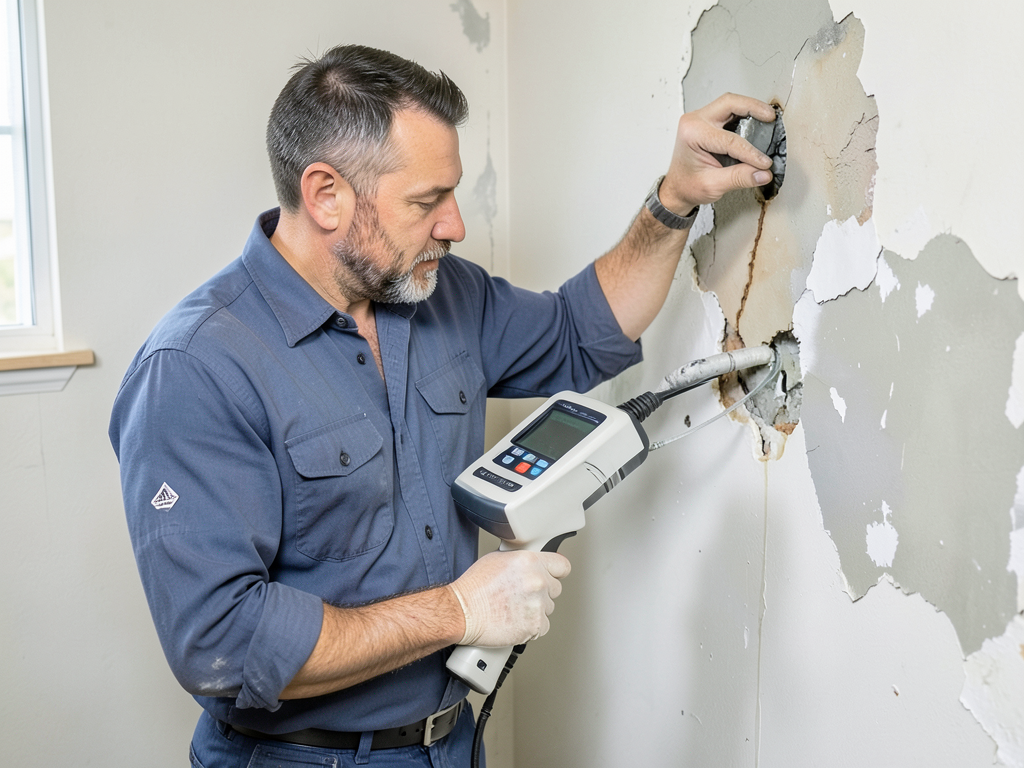
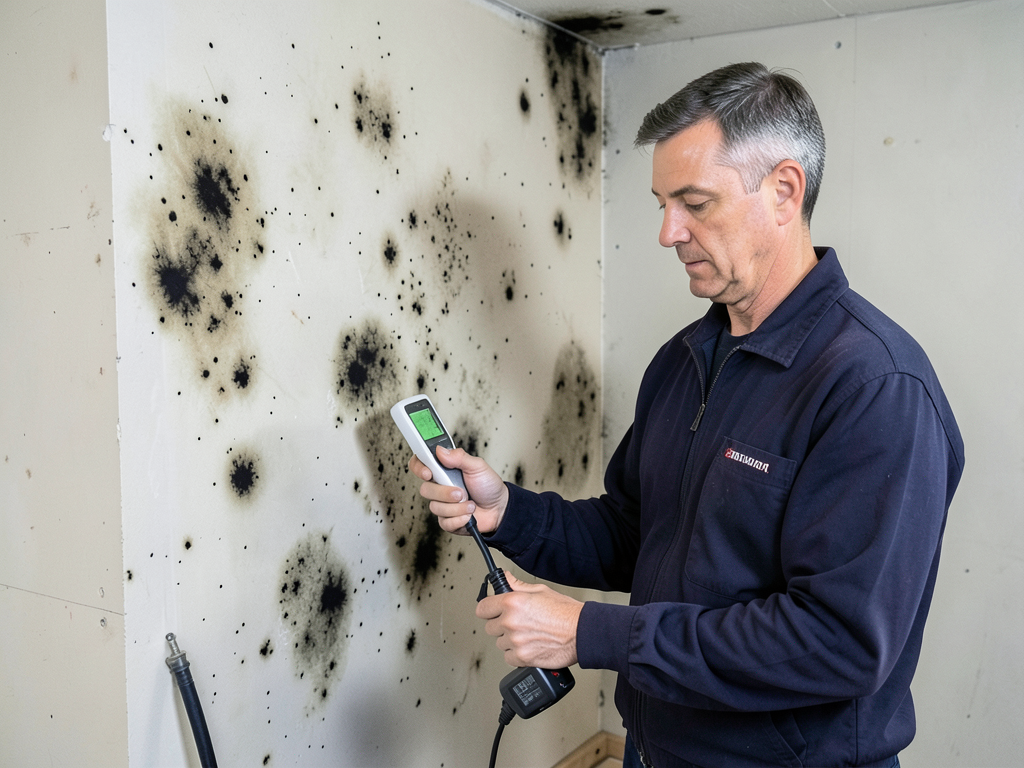
We use infrared thermography to map temperature differentials that indicate moisture presence behind finished walls or under flooring. We measure relative humidity at the concrete surface and compare it to ambient conditions to calculate vapor drive. We perform calcium chloride testing to quantify moisture vapor emission rates from your slab. We inspect exterior grading, downspout discharge points, and perimeter drainage to assess hydrostatic load against your foundation.

Once we identify the source, we address it at the root. If groundwater pressure is the cause, we recommend exterior drainage correction or interior drain tile installation. If capillary rise through the slab is the issue, we apply penetrating sealers that block salt transport without trapping moisture. If condensation from high indoor humidity is driving the deposits, we specify dehumidification and vapor barrier installation. If a subslab plumbing leak is the culprit, we locate it with acoustic leak detection and coordinate the repair before treating the concrete.

We remove existing efflorescence with chemical neutralization, not abrasive methods that damage the concrete surface. We use diluted acidic solutions that dissolve the salts, then we rinse and neutralize the pH to prevent further degradation. Only after we control the moisture source do we apply protective treatments. This sequencing matters because sealing concrete with active moisture intrusion traps water, accelerates spalling, and creates subsurface corrosion.

What Happens When You Call About Efflorescence

Efflorescence on Concrete in Columbus – Expert Diagnosis and Permanent Moisture Control
01

Moisture Source Investigation

We inspect the affected concrete and surrounding structures to determine whether the moisture originates from groundwater, plumbing leaks, condensation, or capillary action. We use thermal imaging and moisture meters to trace water pathways through your foundation and slab. This diagnostic phase identifies the failure point before we recommend any treatment, so you pay to fix the cause instead of chasing symptoms.
02

Efflorescence Removal and Testing

We remove existing salt deposits using pH-balanced chemical cleaners that dissolve mineral buildup without etching the concrete surface. We then perform moisture emission testing to measure vapor transmission rates from your slab. This quantifies how much water is still moving through the concrete and helps us design the correct moisture control strategy. We document baseline conditions so you can verify the effectiveness of the solution.
03

Moisture Barrier Application

After we eliminate the moisture source, we apply breathable sealers or vapor barriers appropriate to your specific situation. If hydrostatic pressure is controlled, we use penetrating sealers that block salt migration while allowing residual moisture to escape. If the slab will be covered with flooring, we install sheet vapor barriers with sealed seams. We provide maintenance guidance so you know what to monitor going forward.

Why Columbus Properties Need Water Damage Specialists for Efflorescence

Efflorescence is a moisture problem disguised as a cosmetic issue. Most contractors treat it with surface cleaning and sealer application. That approach fails because it does not address the water intrusion driving the deposits.

Five Star Water Damage Restoration Columbus specializes in moisture dynamics. We understand how Columbus's seasonal freeze-thaw cycles crack foundation walls and create new water entry points each winter. We know that the local clay soil expands when wet and contracts when dry, creating cyclical pressure against foundation walls that opens pathways for groundwater infiltration. We recognize that older homes in neighborhoods like Clintonville and Bexley often have limestone or sandstone foundation walls that wick moisture through capillary action, requiring different treatment than poured concrete.

We work with structural engineers when efflorescence indicates foundation movement or settlement. We coordinate with plumbers when subslab leaks are the moisture source. We collaborate with exterior waterproofing contractors when grading corrections or drain tile installation is required. You get a comprehensive solution instead of a Band-Aid.

We also understand Columbus building code requirements for vapor barriers in new construction and renovation projects. If you are finishing a basement or installing new flooring over a slab with a history of efflorescence, we ensure your moisture mitigation meets code and protects your investment.

Most contractors avoid efflorescence jobs because they require diagnostic work and accountability. We pursue them because we have the tools, training, and willingness to find the real problem. You get documentation of moisture levels before and after treatment, so you know the issue is resolved.

What You Can Expect From Our Efflorescence Service

Response and Scheduling

We respond to inquiries within two hours during business hours and schedule on-site moisture assessments within 48 hours for most Columbus locations. Efflorescence is not an emergency, but the underlying moisture intrusion can cause progressive damage, so we prioritize diagnostic appointments. Our initial investigation takes one to two hours depending on the affected area and accessibility. We provide findings and recommendations the same day, so you can make informed decisions without waiting for a written report.

Moisture Pathway Analysis

Our moisture assessment includes visual inspection, thermal imaging, moisture meter readings, and often calcium chloride testing to quantify vapor emission rates. We inspect both the interior and exterior of the affected structure to identify grading issues, drainage failures, or plumbing leaks contributing to moisture intrusion. You receive a written summary of findings that explains the water source, migration pathway, and recommended corrective measures. This documentation is valuable if you need to involve insurance, contractors, or engineers for additional work.

Treatment and Moisture Control

We remove efflorescence with chemical treatment that dissolves salts without damaging concrete. Once the moisture source is controlled, we apply appropriate sealers or vapor barriers to prevent recurrence. The specific products depend on whether you have ongoing hydrostatic pressure, residual drying, or a fully controlled moisture environment. We explain the differences so you understand what you are paying for. Treatment typically takes one day for accessible areas, longer if we coordinate with other trades for source correction.

Monitoring and Prevention

We provide written guidance on monitoring for recurring moisture issues after treatment. This includes what to look for, how often to inspect, and when to call us back. If efflorescence returns within the first year after treatment, we re-inspect at no charge to determine if the moisture source was not fully addressed or if a new pathway has developed. We do not offer blanket warranties against recurrence because we cannot control exterior drainage maintenance or plumbing failures, but we stand behind the quality of our diagnostic work and treatment application.

Frequently Asked Questions

You Have Questions,
We Have Answers

Is efflorescence on concrete a problem? +

Efflorescence itself is not structurally dangerous, but it signals a moisture problem. The white chalky residue forms when water moves through concrete, carrying salts to the surface. In Columbus, where freeze-thaw cycles and heavy spring rains are common, persistent efflorescence often points to foundation cracks, poor drainage, or failing waterproofing. Ignoring it can lead to spalling, mold growth, and structural damage over time. If you see recurring efflorescence in your basement or on exterior walls, address the underlying water intrusion immediately. The cosmetic issue is minor compared to what happens if water keeps moving through your foundation.

How do you repair efflorescence in concrete? +

Repairing efflorescence requires two steps: removing the salt deposits and fixing the moisture source. Brush off loose efflorescence with a stiff brush, then scrub the area with a diluted vinegar solution or specialized efflorescence cleaner. Rinse thoroughly and let dry. That handles the cosmetic fix. Now address the real problem. Inspect for foundation cracks, grading issues, or failed sump pumps. Columbus homes on clay soil often experience shifting that creates new entry points for water. Seal cracks with hydraulic cement or epoxy, improve exterior drainage, and consider interior or exterior waterproofing to stop future moisture migration through the concrete.

How to stop efflorescence from concrete? +

Stop efflorescence by eliminating water movement through the concrete. Start outside. Regrade soil so it slopes away from your foundation. Extend downspouts at least six feet from the house. In Columbus, where clay soil holds water, consider installing a curtain drain or French drain system. Inside, seal foundation cracks and apply a waterproof coating to basement walls. Install or repair your sump pump system. Control indoor humidity with dehumidifiers. If efflorescence keeps returning after these fixes, you likely have hydrostatic pressure issues requiring professional exterior excavation and waterproofing. Surface treatments alone will not work if groundwater keeps pushing through.

When should I be concerned about efflorescence? +

Be concerned when efflorescence returns repeatedly, appears with dampness or musty odors, or shows up alongside cracking or spalling concrete. One-time efflorescence after new construction is normal as concrete cures. Persistent deposits mean ongoing water intrusion. In Columbus, seasonal patterns matter. If efflorescence appears every spring after snowmelt or during heavy summer storms, you have a drainage or waterproofing failure. Check for accompanying signs like peeling paint, mold growth, wet floors, or mineral streaks running down walls. These indicate active leaks. If you see efflorescence spreading or concrete surface deterioration, call a waterproofing professional immediately. The problem will worsen.

How do I permanently get rid of efflorescence? +

Permanently eliminate efflorescence by stopping water at the source. Surface cleaning is temporary. You need a comprehensive moisture management system. Exterior solutions work best: excavate around the foundation, apply waterproof membrane, install perimeter drains, and backfill with gravel. Interior fixes include sealing all cracks, installing vapor barriers, adding or upgrading sump pump systems, and applying penetrating sealers. Columbus homes often need both approaches due to high water tables and clay soil conditions. Control gutters, downspouts, and grading. Once moisture stops moving through the concrete, efflorescence cannot form. Invest in proper waterproofing, not just cosmetic cover-ups. The salts will return otherwise.

Does efflorescence indicate water damage? +

Yes, efflorescence always indicates water movement through concrete. The salts crystallize only when moisture carries them to the surface and evaporates. You may not see standing water, but efflorescence proves moisture is migrating through your foundation. In Columbus basements, this often results from hydrostatic pressure, poor exterior drainage, or foundation cracks created by soil movement. The water may come from rain runoff, high water tables, or even underground springs. Do not ignore efflorescence as a cosmetic issue. It reveals an active moisture problem that can lead to mold, structural damage, and decreased home value. Investigate the source immediately.

Will efflorescence eventually go away? +

Efflorescence may disappear temporarily during dry periods, but it will return when moisture reappears. The salts remain in the concrete even when not visible. Columbus experiences wet springs and humid summers, creating cyclical efflorescence patterns in homes with unresolved water issues. Efflorescence does not fix itself. Brushing it away or painting over it provides no solution. Without addressing the moisture source, you will see repeated deposits, often worse than before. Each cycle can bring more salt to the surface and cause progressive concrete deterioration. Permanent removal requires eliminating the water intrusion, not waiting for seasonal dry spells.

Should I buy a house with efflorescence? +

Buy the house, but factor in waterproofing costs and negotiate accordingly. Efflorescence signals a moisture problem that needs professional assessment. Before closing, hire a foundation specialist to inspect for cracks, drainage issues, and structural concerns. In Columbus, many older homes have basement moisture issues due to outdated waterproofing and clay soil conditions. Get repair estimates for proper fixes, not cosmetic band-aids. Deduct these costs from your offer or request the seller address them. Efflorescence alone does not mean the house is unsound, but ignoring it will lead to expensive problems. Make an informed decision based on professional inspection, not appearance.

What is the best efflorescence remover? +

Diluted white vinegar works effectively for light efflorescence and costs pennies. Mix one part vinegar to five parts water, scrub with a stiff brush, and rinse thoroughly. For heavier deposits, use a commercial efflorescence remover containing mild acids designed for concrete. Avoid muriatic acid unless you have experience. It etches concrete and creates safety hazards. In Columbus, where efflorescence often returns seasonally, focus less on cleaning products and more on permanent moisture solutions. The best remover stops efflorescence from forming by eliminating water intrusion. Surface cleaning treats the symptom. Waterproofing cures the disease. Invest your money in drainage and sealing, not endless scrubbing.

Does Drylok stop efflorescence? +

Drylok can reduce efflorescence by creating a moisture barrier, but it will not stop it if hydrostatic pressure exists. Drylok works on damp walls with minor moisture issues. Apply it only to clean, efflorescence-free surfaces, or it will peel. Columbus basements with active water intrusion or high water tables need more robust solutions. Drylok applied over existing efflorescence traps salts and moisture behind the coating, causing failure. It works as part of a complete moisture management system, not as a standalone fix. Address exterior drainage, foundation cracks, and grading first. Then Drylok can help as a supplemental interior barrier on properly prepared surfaces.

How Columbus Clay Soil and Seasonal Hydrology Drive Efflorescence Problems

Columbus sits on glacial till with heavy clay content, particularly in areas west of the Scioto River and south of I-70. This clay has low permeability, so it sheds water slowly. During spring snowmelt or heavy summer storms, water accumulates against foundation walls instead of draining away. The hydrostatic pressure forces water through concrete, carrying dissolved salts that appear as white powder on concrete when the water evaporates indoors. Properties near the river corridors or in low-lying areas experience higher groundwater tables, which increases capillary rise through slabs and creates persistent efflorescence problems that surface cleaning cannot fix.

Five Star Water Damage Restoration Columbus has worked throughout Franklin County on efflorescence issues in older neighborhoods where foundation waterproofing standards were minimal or nonexistent. We understand the construction methods used in different eras and how they influence moisture intrusion patterns. We know which local soils expand aggressively and which drain adequately. We work with local engineers and waterproofing contractors who understand Columbus-specific challenges, so your solution accounts for the actual conditions your property faces. Local knowledge matters when the difference between success and failure is understanding how your specific site drains.
Water Damage Restoration Services in The Columbus Area

We proudly serve the wider Columbus area and its surrounding communities. Our centrally located office allows our emergency response teams to reach your property quickly, no matter where you are. We are committed to being a reliable resource for our neighbors, and our responsive team is always on standby to provide professional assistance when you need it most. We believe that local expertise and a quick response are crucial when dealing with water damage, so we encourage you to view our service area to see if we can help.

Address:
Five Star Water Damage Restoration Columbus, 601 N High St, Columbus, OH, 43215

Additional Services We Offer

Our news updates

Latest Articles & News from The Blogs

Dealing with water damage when you live in a Columbus HOA or condo association Water damage in a Columbus condo…

Dealing with water damage when you live in a Columbus HOA or condo association

Dealing with water damage when you live in a Columbus HOA or condo association Water damage in a Columbus condo…

The real difference between common mildew and dangerous black mold in Eastmoor homes

The real difference between common mildew and dangerous black mold in Eastmoor homes Eastmoor homeowners often spot dark patches in…

Testing your sump pump before the spring rains hit the South Side

Testing your sump pump before the spring rains hit the South Side \n\n Heavy spring rains combined with the clay-rich…

Contact Us

Stop scrubbing white powder that keeps coming back. Call Five Star Water Damage Restoration Columbus at (614) 707-7505 for a moisture pathway analysis that identifies the real problem and prevents recurring deposits.