Menu

Emergency Mold Containment in Columbus – 24/7 Rapid Response Teams Dispatched in Under 90 Minutes

When mold spreads, every minute counts. Five Star Water Damage Restoration Columbus deploys certified containment specialists around the clock to isolate active growth, protect your family's health, and prevent structural damage before it escalates.

Slider Image 1
Slider Image 2
Slider Image 3
Slider Image 4
Slider Image 5
Slider Image 7
Slider Image 8
Slider Image 9
Slider Image 10
Slider Image 11

Why Columbus Homes Face Aggressive Mold Growth After Water Events

Columbus sits in a humid continental climate zone where summer humidity regularly exceeds 70 percent. When water intrusion occurs in homes near the Scioto River corridor or German Village's brick row houses, mold colonies can establish within 24 to 48 hours. The combination of Ohio's temperature swings and older housing stock with poor vapor barriers creates ideal conditions for Stachybotrys chartarum and Aspergillus growth.

You smell the musty odor. You see discoloration spreading across drywall. You feel the panic rising because you know mold releases spores that aggravate asthma and trigger allergic reactions. Children and elderly family members face the highest risk.

Delayed response turns a contained problem into a whole-house crisis. Spores travel through HVAC systems, contaminate furniture, and penetrate porous materials like insulation and subflooring. What starts as a small patch behind a leaking washing machine in Clintonville becomes a $15,000 remediation project if you wait three days.

Urgent mold isolation stops this cascade. Immediate mold mitigation protects your family's respiratory health. Emergency mold abatement prevents structural wood rot that compromises floor joists and wall studs. You need rapid mold containment services that understand Columbus's specific building conditions, not a generic cleanup crew reading from a manual.

Five Star Water Damage Restoration Columbus operates 24/7 mold damage containment teams trained on Ohio building codes and local construction methods. We know the difference between remediating mold in a 1920s Grandview Heights bungalow versus a 1990s subdivision home in Hilliard. That knowledge determines whether containment succeeds or fails.

Why Columbus Homes Face Aggressive Mold Growth After Water Events
Our Six-Stage Containment Protocol Stops Cross-Contamination

Our Six-Stage Containment Protocol Stops Cross-Contamination

Generic mold cleanup spreads spores throughout your home. Professional emergency mold abatement uses negative air pressure and physical barriers to trap contamination at the source.

We establish containment zones using 6-mil polyethylene sheeting sealed with contractor-grade tape. Every penetration point gets sealed. HVAC vents get covered and taped. Doorways receive zipper entries to maintain the pressure differential.

Negative air machines equipped with HEPA filters run continuously inside the containment area. These units pull air from the contaminated zone and exhaust it outside through ducting, creating lower pressure inside the barrier. This pressure gradient prevents spores from escaping into clean areas when technicians enter and exit.

We measure the pressure differential with manometers to confirm at least 5 Pascals of negative pressure. If readings drop, we add machines or seal additional leak points. This is not guesswork. It is quantified environmental control.

Technicians wear full PPE including N95 respirators, Tyvek suits, gloves, and boot covers. Contaminated materials get double-bagged inside the containment zone before transport. We run air scrubbers in adjacent rooms as a secondary defense.

The containment protocol follows IICRC S520 standards for mold remediation. We document the setup with photos and pressure readings for insurance claims. You receive a detailed scope of work before removal begins.

Five Star Water Damage Restoration Columbus does not cut corners on containment. We know that improper barriers turn a localized problem into whole-house contamination. Our technicians have completed mold-specific training beyond basic water damage certification. They understand mycology, spore dispersal mechanics, and the difference between surface cleaning and structural remediation.

When you call for rapid mold containment services, you get a team that treats your home like it matters.

What Happens When You Call for Emergency Containment

Emergency Mold Containment in Columbus – 24/7 Rapid Response Teams Dispatched in Under 90 Minutes
01

Immediate Phone Assessment

You describe the situation on the phone. Where do you see growth? When did the water damage occur? Are family members experiencing respiratory symptoms? We ask specific questions to determine contamination level and health risk. If you report active growth larger than 10 square feet or immune-compromised occupants, we escalate to priority dispatch. A containment specialist is assigned to your job within minutes, not hours.
02

On-Site Containment Setup

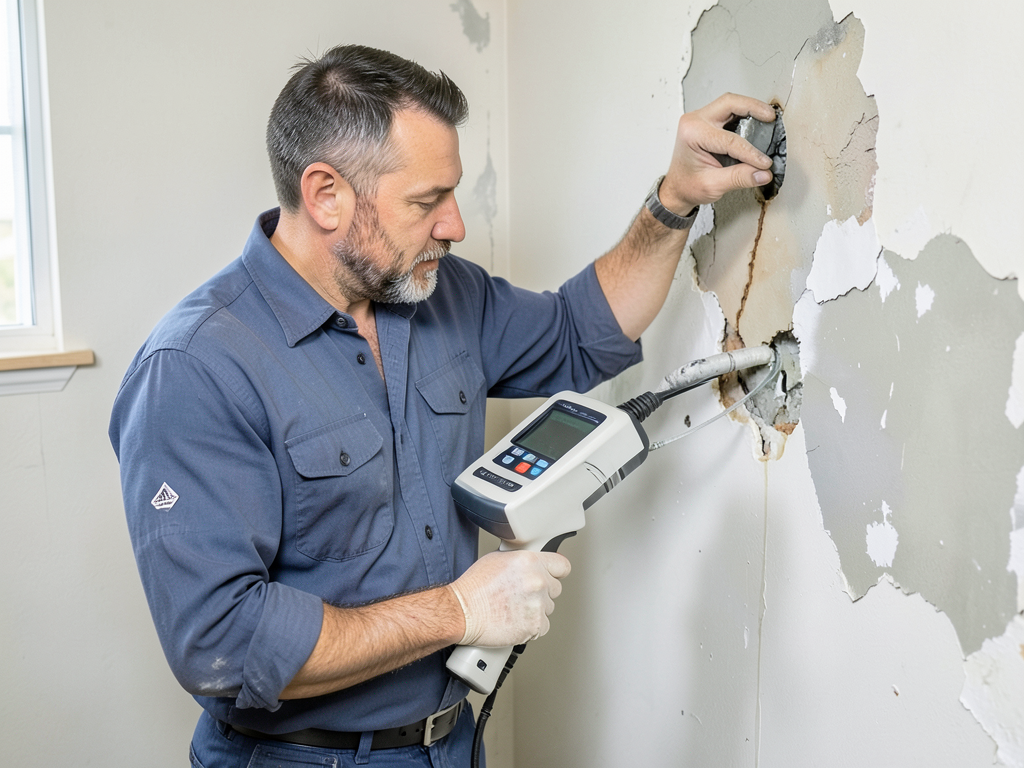
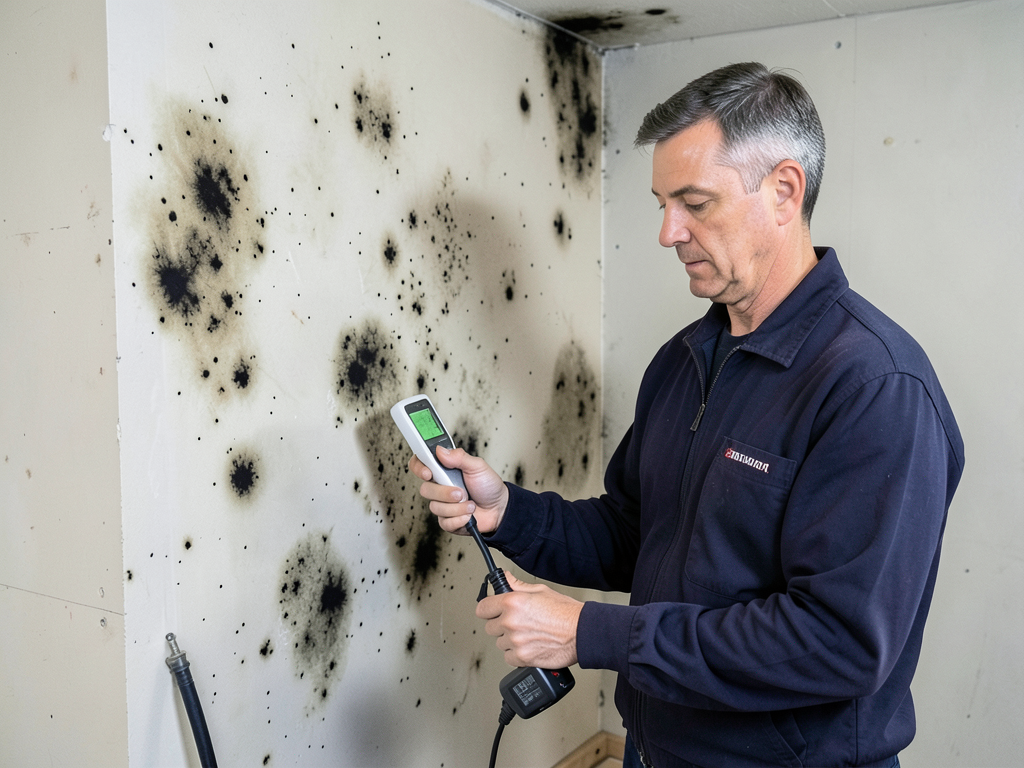
Our team arrives with containment materials, negative air machines, and moisture detection equipment. We map the affected area using thermal cameras and moisture meters to identify hidden growth behind walls or under flooring. Barriers go up immediately to isolate the contaminated zone. Negative pressure gets established before any material removal begins. You see the containment perimeter within the first hour, not after three days of exposure.
03

Safe Material Removal

Contaminated drywall, insulation, and porous materials get removed inside the sealed zone. We bag materials at the point of removal to prevent spore release. Non-porous surfaces get HEPA-vacuumed and treated with antimicrobial solutions. Post-remediation air sampling confirms spore counts return to normal levels before we remove barriers. You receive lab results and clearance documentation for insurance and peace of mind.

Why Columbus Residents Choose Local Containment Experts

National franchises send technicians who have never seen Columbus's housing stock. They do not understand how German Village brick absorbs moisture differently than Clintonville frame construction. They do not know that homes near the Olentangy River corridor face higher baseline humidity. They follow corporate scripts written for generic conditions.

Five Star Water Damage Restoration Columbus operates exclusively in Franklin County and surrounding areas. Our technicians have remediated mold in Victorian homes in Victorian Village, mid-century ranches in Upper Arlington, and new construction in Dublin. We know where builders cut ventilation corners in the 1980s. We recognize the signs of foundation seepage common in Columbus's clay soil.

This local knowledge determines containment success. A technician who understands your home's construction can predict where moisture traveled and where secondary growth hides. They know which wall cavities to inspect without wasting time on unnecessary demolition.

We work directly with Columbus-area insurance adjusters who know our documentation standards. Claims process faster because adjusters trust our scope accuracy. We understand Ohio insurance requirements and provide the specific documentation policies demand.

You also get technicians who live in your neighborhoods. They understand the urgency because their families face the same risks. When you call at 2 a.m. because you discovered growth behind your water heater, the technician who responds lives 15 minutes away in Worthington, not in a hotel room 90 miles south.

Local expertise means faster response, better outcomes, and accountability that matters. We cannot hide behind a 1-800 number if something goes wrong. Our reputation depends on every job we complete in Columbus.

Five Star Water Damage Restoration Columbus has contained mold in homes from Bexley to Hilliard. We maintain relationships with local contractors for reconstruction, local labs for air testing, and local suppliers for immediate equipment access. This network delivers faster results than any national chain can provide.

What to Expect During Emergency Containment

Response Time and Availability

We answer calls 24 hours a day, 365 days a year. When you call (614) 707-7505, you reach a live person trained in mold emergency triage, not a voicemail system. Priority jobs receive technician dispatch within 90 minutes, regardless of time or day. Our trucks carry containment supplies for immediate setup. You do not wait until Monday morning while spores spread through your home. Weekend and holiday emergencies receive the same rapid response as weekday calls. We understand that mold does not respect business hours.

Initial Assessment Process

The assessment begins with visual inspection using high-intensity lighting to identify growth patterns. We use thermal imaging cameras to detect temperature differentials that indicate moisture behind walls. Moisture meters measure material dampness in wood, drywall, and concrete. Relative humidity readings determine if ambient conditions support continued growth. Air sampling gets performed only when growth source remains unclear or insurance requires documentation. Most homeowners do not need expensive air tests when visible growth is obvious. We provide honest assessment of what testing actually adds value versus what just increases your bill.

Containment Quality Standards

You receive containment built to IICRC S520 specifications, not shortcuts. Barriers use commercial-grade polyethylene, not hardware store plastic sheeting. Negative air machines pull minimum 2,000 CFM with true HEPA filtration rated for 0.3-micron particle capture. Pressure differentials get verified with calibrated manometers, not guessed. Every penetration gets sealed with contractor tape, not painter's tape. Material removal follows bag-in-bag protocols to prevent spore release during transport. Post-remediation verification includes visual inspection and environmental clearance testing before barriers come down. You receive photo documentation of every containment stage for insurance and personal records.

Post-Containment Support

Mold remediation is not complete when we remove barriers. We identify and document the original moisture source that allowed growth. If a plumbing leak caused the problem, we coordinate with licensed plumbers for repairs. If poor ventilation created conditions, we recommend mechanical solutions. You receive a written report detailing remediation steps, moisture readings, and prevention recommendations. Follow-up moisture monitoring ensures the area remains dry. If growth returns within the remediated area due to our process failure, we re-remediate at no charge. Most importantly, we educate you on maintaining proper humidity levels and recognizing early warning signs.

Frequently Asked Questions

You Have Questions,
We Have Answers

What is the proper containment for mold remediation? +

Proper mold containment uses physical barriers to stop spore spread during remediation. Professionals seal off the affected area with 6-mil polyethylene sheeting, creating a negative air pressure chamber with HEPA-filtered air scrubbers. Critical containment includes sealing HVAC vents, doorways, and windows. In Columbus homes, basements and crawl spaces with high humidity require full containment due to rapid spore dispersal. Technicians wear personal protective equipment and establish decontamination chambers at entry points. This containment protocol follows IICRC S520 standards and prevents cross-contamination throughout your property. Never attempt containment yourself during active mold growth.

Does FEMA pay for mold remediation? +

FEMA does not typically cover mold remediation unless mold growth results directly from a federally declared disaster like flooding. Even then, coverage is limited and requires documentation proving the disaster caused the mold. Most FEMA assistance prioritizes immediate habitability concerns. In Columbus, your homeowner's insurance is the primary funding source for sudden water damage that leads to mold. FEMA grants are meant for uninsured disaster losses, not maintenance issues or gradual damage. If you experienced flooding during a declared emergency, apply quickly and document everything. Contact your insurance carrier first before exploring FEMA options.

Is mold remediation an emergency? +

Yes. Mold becomes an emergency when growth exceeds 10 square feet, when occupants show respiratory symptoms, or when structural materials are compromised. Columbus's humidity levels, especially during spring and summer, accelerate spore colonization after water intrusion. Black mold and toxic species require immediate professional response. If you smell musty odors, see visible growth, or experience breathing difficulty, evacuate vulnerable occupants and call for emergency containment. Delays allow spores to spread through HVAC systems and penetrate porous materials. Water damage in basements or attics can produce hazardous mold within 24 to 48 hours. Act now.

What to do if you can't afford mold remediation? +

If cost is a barrier, start with your insurance carrier to verify coverage for the underlying water damage that caused mold. Many policies cover remediation when linked to sudden pipe bursts or storm damage. In Columbus, some restoration companies offer payment plans or work directly with insurance adjusters. For small areas under 10 square feet, you can attempt DIY removal with proper PPE, HEPA vacuums, and antimicrobial solutions, but only if you are healthy and the mold is non-toxic. Local nonprofits and Franklin County assistance programs may help low-income homeowners. Never ignore mold due to cost. Health risks escalate quickly.

What plant removes 78% of airborne mold? +

The English Ivy plant reportedly removes up to 78% of airborne mold spores in controlled studies by filtering air through its leaves. While houseplants can modestly improve indoor air quality, they are not a remediation solution. In Columbus homes with active mold contamination, plants cannot address the root cause, which is moisture intrusion and colonized materials. You need professional removal, source elimination, and dehumidification. Do not rely on plants as a substitute for proper containment and remediation. Use them as a supplemental air quality measure only after mold is eliminated and humidity is controlled below 50%.

What are the 10 warning signs of mold toxicity? +

Ten warning signs of mold toxicity include persistent coughing, wheezing, sinus congestion, skin rashes, fatigue, brain fog, headaches, difficulty concentrating, eye irritation, and chronic respiratory infections. Columbus residents with basement moisture or roof leaks are at higher risk, especially during humid months. If multiple occupants show these symptoms and they improve when leaving the property, suspect mold exposure. Vulnerable groups like children, elderly, and immunocompromised individuals react more severely. Document symptoms and vacate immediately if you suspect toxic mold. Medical evaluation and professional air quality testing confirm exposure. Do not wait for symptoms to worsen.

What is the FEMA 80% rule? +

The FEMA 80% rule applies to disaster assistance and stipulates that if repair costs exceed 80% of your home's pre-disaster value, you may need to rebuild to current code rather than repair. This rarely applies to mold remediation unless catastrophic flooding destroyed most of your home. In Columbus, this rule matters during federally declared floods affecting the Scioto River basin or Alum Creek areas. For standard mold issues from pipe leaks or roof damage, the 80% rule is irrelevant. Focus on immediate containment and work with your insurance adjuster to determine covered repairs and code compliance requirements.

Is mold remediation a tax write-off? +

Mold remediation may be tax-deductible if it qualifies as a medical expense or casualty loss. IRS rules allow deductions for mold removal when a doctor prescribes it for medical necessity due to health conditions caused by exposure. Casualty losses from sudden disasters may also qualify, but tax law changes have limited these deductions. In Columbus, consult a tax professional to determine eligibility based on your specific situation. Keep all invoices, medical documentation, and insurance correspondence. Business owners can deduct remediation costs as ordinary business expenses. Residential homeowners face stricter limits. Do not assume automatic deductibility.

Will homeowners insurance take care of mold? +

Homeowners insurance covers mold remediation only when mold results from a covered peril like sudden pipe bursts, storm damage, or accidental water discharge. Policies exclude mold from neglect, maintenance issues, or long-term leaks. In Columbus, where basement seepage and humidity are common, gradual moisture problems are not covered. You must file claims quickly after water damage and document everything. Most policies cap mold coverage at $5,000 to $10,000. Review your declarations page for specific limits. Insurers often deny claims if you delayed mitigation. Act within 24 to 48 hours of water intrusion.

What kills mold permanently? +

Nothing kills mold permanently if moisture remains. Professionals use HEPA vacuuming, antimicrobial treatments, and complete removal of colonized porous materials like drywall and insulation. Non-porous surfaces are cleaned with EPA-registered biocides. In Columbus, where humidity and basement moisture are persistent, permanent elimination requires fixing the water source, improving ventilation, and maintaining humidity below 50%. Bleach only removes surface mold and does not penetrate porous materials. DIY solutions fail because spores remain dormant in materials. Professional remediation with source control and dehumidification is the only permanent solution. Address moisture first.

How Columbus Humidity and Scioto Valley Weather Create Urgent Mold Risks

Columbus experiences dramatic humidity swings between seasons, with summer dew points regularly hitting 65 to 70 degrees. Homes in low-lying areas near the Scioto and Olentangy rivers face elevated moisture intrusion risk during spring flooding events. The city's clay-heavy soil retains water against foundation walls, creating chronic dampness in basements throughout German Village, Merion Village, and older Clintonville neighborhoods. When rapid temperature drops occur in fall, warm interior air condensing on cold surfaces creates hidden moisture that feeds mold growth inside wall cavities. These conditions make immediate mold mitigation more than a convenience. It is a necessity to prevent exponential spore proliferation in Columbus's climate.

Five Star Water Damage Restoration Columbus maintains relationships with Franklin County building inspectors and understands local code requirements for post-remediation clearance. We work with Columbus-area insurance adjusters who recognize proper documentation standards, which speeds your claim approval. Our technicians train specifically on Ohio building construction methods, including the brick veneer common in older neighborhoods and the engineered lumber used in 1990s subdivisions. This local knowledge determines whether containment barriers get placed correctly the first time. National chains send technicians who learned mold remediation in Arizona or Florida, where construction and climate differ drastically. You need experts who understand Columbus homes specifically.
Water Damage Restoration Services in The Columbus Area

We proudly serve the wider Columbus area and its surrounding communities. Our centrally located office allows our emergency response teams to reach your property quickly, no matter where you are. We are committed to being a reliable resource for our neighbors, and our responsive team is always on standby to provide professional assistance when you need it most. We believe that local expertise and a quick response are crucial when dealing with water damage, so we encourage you to view our service area to see if we can help.

Address:
Five Star Water Damage Restoration Columbus, 601 N High St, Columbus, OH, 43215

Additional Services We Offer

Our news updates

Latest Articles & News from The Blogs

Dealing with water damage when you live in a Columbus HOA or condo association Water damage in a Columbus condo…

Dealing with water damage when you live in a Columbus HOA or condo association

Dealing with water damage when you live in a Columbus HOA or condo association Water damage in a Columbus condo…

The real difference between common mildew and dangerous black mold in Eastmoor homes

The real difference between common mildew and dangerous black mold in Eastmoor homes Eastmoor homeowners often spot dark patches in…

Testing your sump pump before the spring rains hit the South Side

Testing your sump pump before the spring rains hit the South Side \n\n Heavy spring rains combined with the clay-rich…

Contact Us

Every hour you wait allows spores to spread further through your Columbus home. Call Five Star Water Damage Restoration Columbus at (614) 707-7505 right now for immediate containment team dispatch. Our technicians are standing by 24/7 to protect your family's health and your home's structural integrity.