Menu

Fire Damage Safety Checklist in Columbus – Your Complete Post-Fire Recovery Guide

Navigate the critical aftermath of fire damage with a comprehensive safety checklist designed specifically for Columbus homeowners and businesses, covering structural hazards, air quality threats, and hidden water damage from firefighting efforts.

Slider Image 1
Slider Image 2
Slider Image 3
Slider Image 4
Slider Image 5
Slider Image 7
Slider Image 8
Slider Image 9
Slider Image 10
Slider Image 11

Why Post-Fire Safety Demands Immediate Attention in Columbus

Fire damage creates cascading risks that extend far beyond charred walls and smoke smell. In Columbus, where humidity averages 72 percent year-round, the thousands of gallons of water used during firefighting operations penetrate deep into structural cavities, creating secondary water damage and microbial growth within 24 to 48 hours. The combination of heat damage, chemical residue from combustion, and moisture saturation makes post-fire environments hazardous without proper assessment.

Residents across German Village, Short North, and Clintonville face unique challenges after fire incidents. The older housing stock in these neighborhoods often contains asbestos in insulation, lead paint, and structural timber that becomes unstable when exposed to extreme temperatures. When flames compromise load-bearing members, the risk of collapse remains high even after the fire department clears the scene.

Your post-fire safety protocol must address three critical threats: structural instability, toxic residue, and hidden water damage. Firefighting efforts saturate drywall, insulation, and subflooring, conditions that Columbus's humid climate amplifies rapidly. Following a comprehensive fire damage safety checklist prevents injuries during the recovery process and protects you from long-term health consequences.

After fire safety precautions begin the moment you receive clearance to enter the property. The fire recovery safety guide you follow in the first 72 hours determines whether you face weeks or months of restoration work. Understanding the post-fire hazard checklist specific to Central Ohio conditions protects your family and accelerates the path to full recovery.

Why Post-Fire Safety Demands Immediate Attention in Columbus
Professional Fire Damage Assessment and Safety Verification

Professional Fire Damage Assessment and Safety Verification

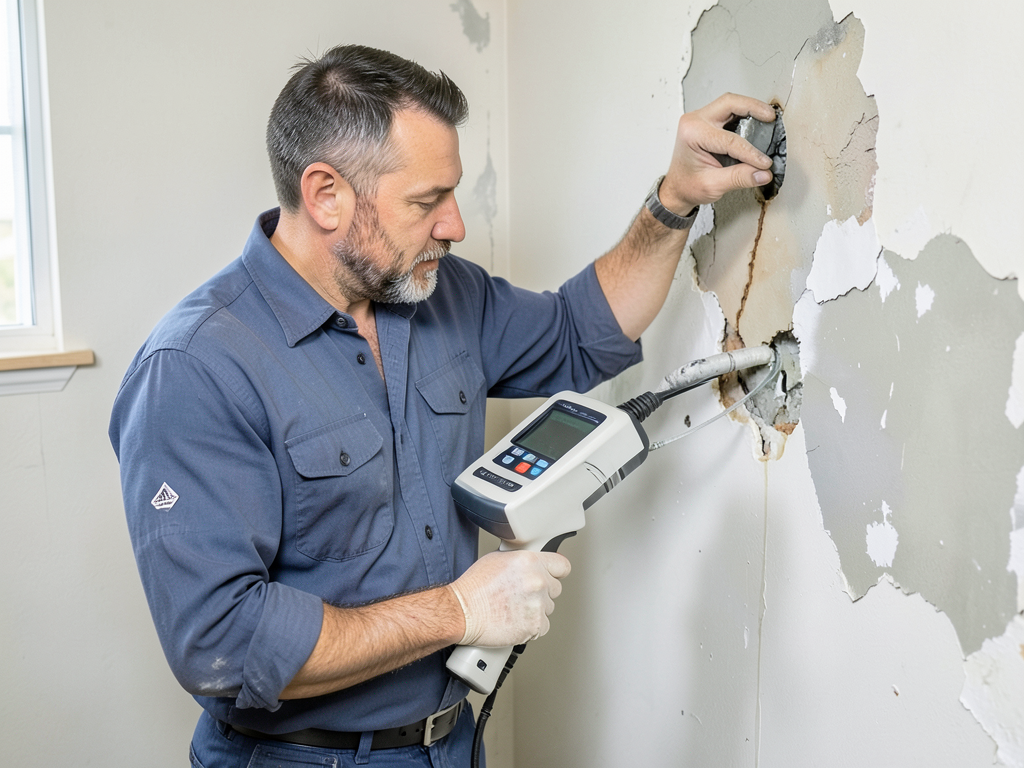
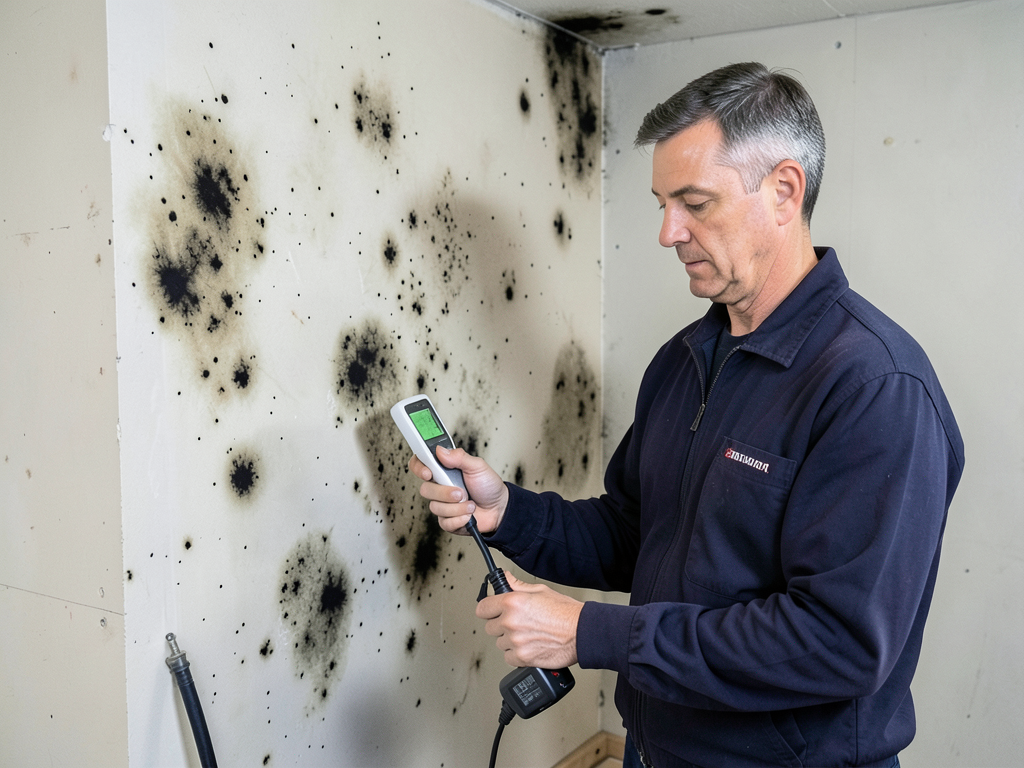
Five Star Water Damage Restoration Columbus implements a systematic fire damage safety protocol that addresses both obvious hazards and hidden threats. Our technicians begin with structural integrity verification using moisture meters, thermal imaging cameras, and air quality testing equipment. This diagnostic phase identifies compromised floor joists, water-saturated cavities behind walls, and elevated particle counts from soot and ash.

We map the extent of thermal damage using infrared scanning, which reveals heat penetration through walls and ceilings. Fire can weaken structural members without visible charring, creating collapse risks during restoration work. Our assessment includes testing for asbestos disturbance in homes built before 1980, a common issue in Columbus's historic districts where renovation work may have left friable asbestos in attic spaces or around ductwork.

The water damage component requires immediate attention. We measure moisture content in framing lumber, check for standing water in crawl spaces and basements, and assess insulation saturation. Columbus's clay soil composition prevents water from draining efficiently around foundations, meaning basement flooding often accompanies fire damage. We document these conditions with hygrometer readings and photographic evidence for insurance claims.

Our post-fire safety steps include air quality testing for carbon monoxide residue, volatile organic compounds from synthetic material combustion, and particulate matter. We establish containment barriers using negative air pressure systems to prevent cross-contamination during debris removal. This controlled environment approach follows IICRC standards for fire and smoke restoration while addressing the specific challenges of Ohio's building construction methods and environmental factors.

Your Post-Fire Property Safety Evaluation Process

Fire Damage Safety Checklist in Columbus – Your Complete Post-Fire Recovery Guide
01

Initial Hazard Assessment

We arrive within hours of your call to conduct a complete safety walkthrough before you re-enter the property. Our team checks for structural compromise, measures air quality, documents water intrusion from firefighting operations, and identifies immediate hazards like exposed electrical wiring or weakened flooring. You receive a verbal briefing on safe entry procedures and restricted access zones before we begin detailed testing.
02

Comprehensive Safety Documentation

Our technicians perform moisture mapping, thermal imaging, and air sampling to create a complete risk profile. We test for asbestos disturbance, measure soot penetration depth, check HVAC systems for contamination, and assess salvageable materials versus total loss items. This documentation includes photographs, moisture readings at multiple depths, and detailed notes for insurance adjusters. You receive a written safety checklist specific to your property's condition.
03

Clearance and Recovery Planning

After testing and documentation, we provide a detailed fire recovery safety guide tailored to your property. This includes timelines for safe occupancy, priority repairs for structural stability, water extraction and drying protocols, and air quality remediation steps. We coordinate with structural engineers when necessary and provide ongoing safety monitoring throughout the restoration process. You get clear answers about what you can salvage and what requires disposal for health protection.

Columbus Fire Damage Expertise You Can Trust

Five Star Water Damage Restoration Columbus brings localized knowledge that out-of-town restoration companies cannot match. We understand how Columbus building codes have evolved from the 1970s ranch homes in Upper Arlington to new construction in New Albany, and we know which materials were common in each construction era. This historical knowledge matters when assessing fire damage in older structures where hidden hazards like knob-and-tube wiring or vermiculite insulation create additional safety concerns.

Our familiarity with Franklin County building inspection requirements streamlines your recovery process. We know which repairs trigger permit requirements, how to document pre-loss conditions for maximum insurance recovery, and which local structural engineers inspectors trust for load-bearing assessments. This local network speeds up approvals and reduces delays in your restoration timeline.

Columbus's weather patterns create unique post-fire challenges. Spring storms bring rapid temperature swings and high humidity that accelerate mold growth in water-damaged cavities. Winter freezes can burst pipes in fire-damaged plumbing systems before you discover the leaks. Our teams factor seasonal conditions into safety assessments and prioritize weather-sensitive repairs accordingly.

We maintain relationships with local fire departments across Columbus, Westerville, and surrounding communities. These connections help us access incident reports quickly and understand the specific firefighting methods used at your property. Different suppression techniques create different secondary damage patterns, knowledge that shapes our safety assessment and restoration approach.

The post-fire hazard checklist we provide addresses Columbus-specific risks including foundation settlement from clay soil moisture changes, ice dam risks in damaged roofing systems, and contamination concerns from older building materials common in established neighborhoods.

What Your Fire Damage Safety Assessment Includes

Rapid Response Availability

We deploy teams 24 hours a day, seven days a week for fire damage safety assessments across Columbus and surrounding communities. Most initial safety evaluations begin within two to four hours of your call. This speed matters because every hour of delay allows water damage to penetrate deeper into building materials and increases the scope of required demolition. Our technicians arrive with complete testing equipment to provide immediate answers about structural safety, air quality, and water intrusion. Emergency assessments on weekends and holidays receive the same priority as weekday calls. You get verbal findings on-site and detailed written reports within 24 hours.

Detailed Safety Testing Protocols

Your fire damage evaluation includes structural load testing, moisture content measurement at multiple depths in walls and floors, thermal imaging to reveal hidden heat damage, and air quality sampling for particulates and volatile organic compounds. We check electrical systems for short circuit risks, test HVAC ductwork for soot contamination, and assess plumbing for heat damage that could cause future failures. Our technicians document asbestos-containing materials in homes built before 1980 and test for lead paint disturbance. Each measurement gets recorded with location-specific notes and photographs. This comprehensive data collection supports accurate insurance claims and prevents disputes about the extent of damage.

Actionable Recovery Guidance

You receive a prioritized safety checklist that clearly identifies which areas pose immediate danger, which require professional remediation before occupancy, and which you can safely access for salvage operations. Our assessment distinguishes between cosmetic damage and structural compromise, helping you make informed decisions about repair versus replacement. We provide specific guidance on salvaging contents, protecting undamaged areas from cross-contamination, and preventing additional water damage during the restoration period. The checklist includes timelines for safe re-entry, recommended remediation sequences, and clear explanations of why certain steps cannot be skipped. This practical roadmap eliminates guesswork and reduces costly mistakes during recovery.

Ongoing Safety Monitoring

Fire damage restoration takes weeks or months depending on severity. We provide continued safety oversight throughout the recovery process with follow-up moisture testing, air quality verification after cleaning, and structural reassessment as demolition exposes hidden damage. Our technicians monitor drying progress to ensure humidity levels drop to safe ranges before reconstruction begins. We coordinate with contractors to verify proper containment during demolition and confirm adequate ventilation during odor removal treatments. This ongoing involvement prevents new hazards from emerging during restoration work. You get updated safety documentation at each project phase, ensuring workers and occupants remain protected throughout the entire recovery timeline.

Frequently Asked Questions

You Have Questions,
We Have Answers

How Columbus Climate and Construction Methods Affect Fire Recovery Safety

Columbus experiences significant seasonal humidity fluctuations, from winter lows around 60 percent to summer peaks exceeding 80 percent. This moisture-rich environment accelerates microbial growth in water-saturated building materials left behind after firefighting operations. The region's clay soil retains water around foundations, creating basement seepage problems that compound fire damage when suppression water overwhelms drainage systems. Older neighborhoods feature balloon framing construction, where vertical wall cavities run uninterrupted from basement to attic, allowing fire and water to spread rapidly between floors. Post-fire safety steps in Columbus must account for these hidden moisture pathways that newer platform-framed homes do not have.

Our technicians train specifically on Central Ohio building practices, including the transition from cast iron to PVC drainage systems in the 1980s, the prevalence of vermiculite attic insulation in mid-century homes, and the aluminum wiring installations common in 1970s construction. This local knowledge shapes our fire damage safety protocol because different materials create different hazards when exposed to extreme heat. We maintain relationships with Columbus building inspectors and understand current enforcement priorities for fire-damaged structures. When your fire recovery safety guide comes from professionals who work exclusively in this market, you get accurate timelines, realistic repair scopes, and compliance with local requirements that protect your investment.
Water Damage Restoration Services in The Columbus Area

We proudly serve the wider Columbus area and its surrounding communities. Our centrally located office allows our emergency response teams to reach your property quickly, no matter where you are. We are committed to being a reliable resource for our neighbors, and our responsive team is always on standby to provide professional assistance when you need it most. We believe that local expertise and a quick response are crucial when dealing with water damage, so we encourage you to view our service area to see if we can help.

Address:
Five Star Water Damage Restoration Columbus, 601 N High St, Columbus, OH, 43215

Additional Services We Offer

Our news updates

Latest Articles & News from The Blogs

Dealing with water damage when you live in a Columbus HOA or condo association Water damage in a Columbus condo…

Dealing with water damage when you live in a Columbus HOA or condo association

Dealing with water damage when you live in a Columbus HOA or condo association Water damage in a Columbus condo…

The real difference between common mildew and dangerous black mold in Eastmoor homes

The real difference between common mildew and dangerous black mold in Eastmoor homes Eastmoor homeowners often spot dark patches in…

Testing your sump pump before the spring rains hit the South Side

Testing your sump pump before the spring rains hit the South Side \n\n Heavy spring rains combined with the clay-rich…

Contact Us

Do not risk your health or safety by entering a fire-damaged property without professional evaluation. Call Five Star Water Damage Restoration Columbus now at (614) 707-7505 for immediate assessment. Our teams deploy across Columbus 24/7 with complete testing equipment to protect you during recovery.