Menu

Fire Sprinkler Water Cleanup in Columbus – 24/7 Emergency Response Within 60 Minutes

Accidental sprinkler discharge flooding your property right now? Five Star Water Damage Restoration Columbus deploys certified extraction crews to Columbus homes and businesses around the clock, stopping damage before it spreads.

Slider Image 1
Slider Image 2
Slider Image 3
Slider Image 4
Slider Image 5
Slider Image 7
Slider Image 8
Slider Image 9
Slider Image 10
Slider Image 11

When Fire Suppression Systems Cause the Disaster

A burst fire sprinkler head releases up to 25 gallons of water per minute. In Columbus, where many commercial buildings in the Short North and downtown were retrofitted with sprinkler systems decades ago, corroded pipes and aging components fail without warning. One accidental discharge can flood multiple floors in minutes.

You are dealing with high-pressure water that penetrates wall cavities, saturates drywall, and pools under flooring before you realize the extent of the damage. In Columbus's humid climate, mold spores activate within 24 hours once materials stay wet. The window to prevent permanent structural damage is short.

Emergency sprinkler water removal is not the same as a slow pipe leak. Fire suppression system water extraction requires industrial pumps, thermal imaging to locate trapped moisture behind walls, and rapid drying equipment that removes humidity from the air. Standard shop vacuums and fans do not work. You need professional-grade extraction that removes thousands of gallons and dries structural cavities you cannot see.

Most fire sprinkler water damage restoration calls we receive in Columbus come from tenant improvements that accidentally triggered a head, frozen pipes that burst when systems thawed, or mechanical failures in older buildings near German Village and Brewery District. The longer water sits, the more you lose. Flooring warps, ceiling tiles collapse, electrical systems short out, and microbial growth begins in hidden spaces.

You need a crew on-site now, not tomorrow.

When Fire Suppression Systems Cause the Disaster
How We Extract and Dry Fire Sprinkler Floods

How We Extract and Dry Fire Sprinkler Floods

When you call Five Star Water Damage Restoration Columbus, we dispatch a crew with truck-mounted extractors, submersible pumps, and moisture detection equipment. The first 60 minutes determine whether you face a cleanup job or a reconstruction project.

We start with containment. If the sprinkler discharge affected multiple rooms or floors, we isolate the wet zones to prevent cross-contamination. Then we extract standing water using high-capacity pumps that remove thousands of gallons per hour. We do not mop or squeegee. We pull water out at the source before it wicks into baseboards, subflooring, and insulation.

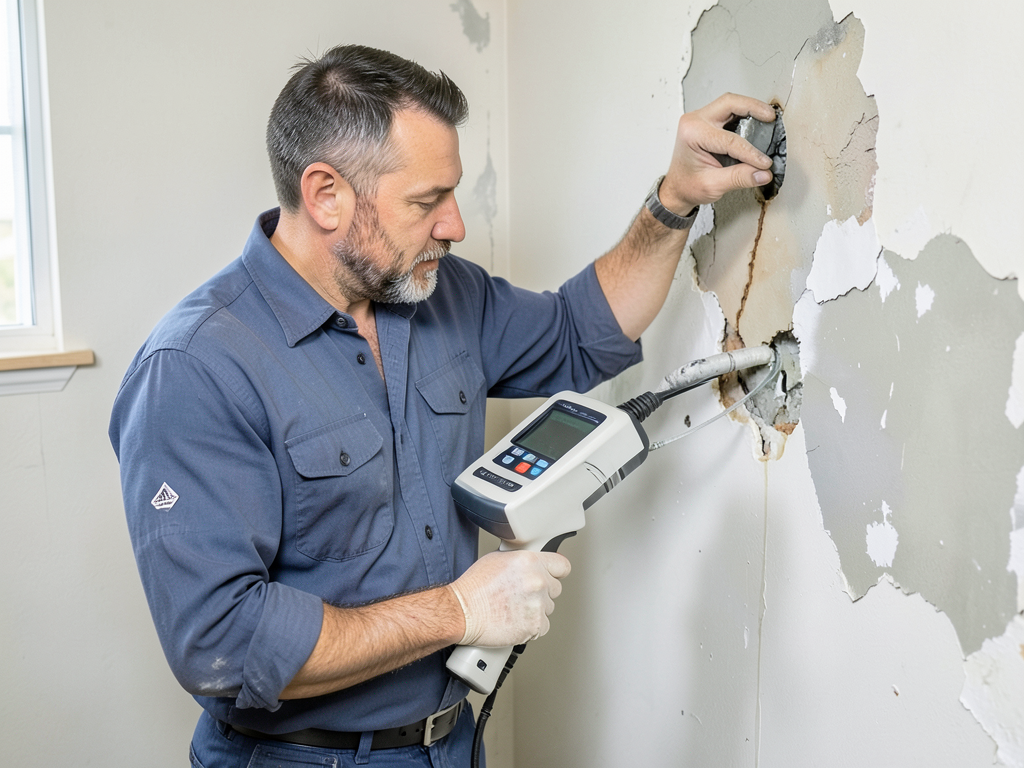
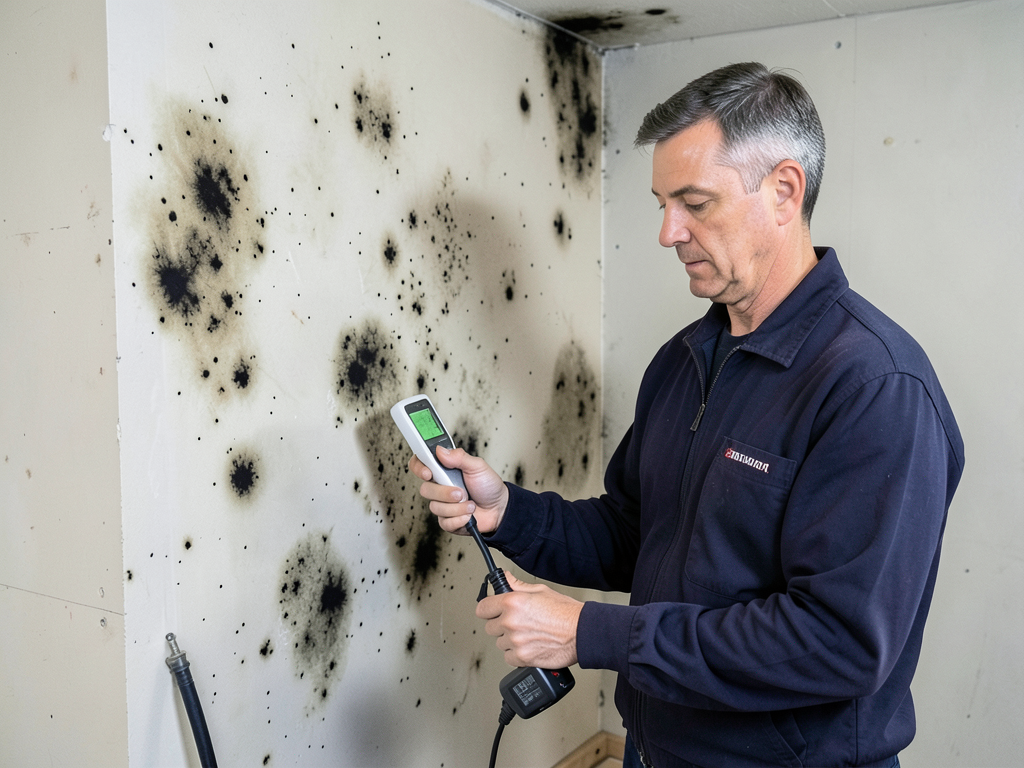
Next comes moisture mapping. We use thermal imaging cameras and pin-type moisture meters to identify trapped water inside wall cavities and under flooring. Fire suppression system water extraction is not just about what you see on the surface. Water migrates through building materials, and if we miss a wet zone, you get mold growth and rot.

We deploy commercial dehumidifiers and air movers positioned to create airflow through structural cavities. These machines pull moisture out of wood framing, drywall, and concrete slabs. We monitor moisture levels daily and adjust equipment placement based on drying progress. The goal is to bring materials back to their pre-loss moisture content, which typically takes three to five days depending on saturation levels.

We also document the entire process for your insurance claim. Fire sprinkler water damage restoration claims require detailed photo evidence, moisture readings, and equipment logs. We handle that documentation so you can focus on getting back to normal.

What Happens When You Call for Fire Sprinkler Water Cleanup

Fire Sprinkler Water Cleanup in Columbus – 24/7 Emergency Response Within 60 Minutes
01

Emergency Dispatch and Assessment

We arrive within 60 minutes of your call with extraction equipment already loaded. Our technician performs a rapid visual inspection to identify the source of the discharge, assess structural damage, and determine which materials are salvageable. We photograph all affected areas and take initial moisture readings to establish a baseline. You get an immediate action plan before we start any work.
02

Water Extraction and Containment

We remove standing water using truck-mounted extractors and submersible pumps, then pull trapped moisture from carpets, padding, and upholstery with weighted extraction tools. Plastic sheeting isolates wet zones to prevent humidity from spreading to dry areas. We remove unsalvageable materials like saturated drywall and ceiling tiles immediately to expose wet framing for faster drying. This phase typically takes four to eight hours depending on the volume of water.
03

Structural Drying and Monitoring

We position commercial dehumidifiers and air movers to dry structural cavities, wood framing, and subflooring. Technicians return daily to check moisture levels and adjust equipment until all materials return to normal readings. Once drying is complete, we provide a final moisture report and clearance documentation for your insurance carrier. Most jobs reach dry standard within three to five days, and you can begin repairs immediately after clearance.

Why Columbus Properties Need Local Fire Sprinkler Water Cleanup Experts

Fire suppression systems in Columbus face unique challenges. Many buildings in Franklinton, Italian Village, and the University District were built before modern sprinkler codes and retrofitted later. These older systems use threaded pipe connections that corrode over time, increasing the risk of sudden failure. We have seen entire systems fail because one corroded fitting gave way under normal pressure.

Columbus's freeze-thaw cycles also stress sprinkler systems. When temperatures drop below freezing in January and February, any pipe near an exterior wall or unheated space can freeze. When it thaws, the pipe bursts and floods the building. We receive multiple calls every winter from property owners who did not realize their sprinkler pipes were exposed to cold air until it was too late.

Five Star Water Damage Restoration Columbus has worked on fire sprinkler discharge jobs in high-rises downtown, warehouses in the Brewery District, and apartment complexes near Ohio State's campus. We understand how these systems are installed, where water migrates in different building types, and how to dry multi-story structures without tearing out more material than necessary.

We also know Columbus building codes and work directly with local insurance adjusters who handle commercial claims. When you need fast approval for emergency mitigation work, having a restoration company that adjusters already know and trust makes the process faster. We submit detailed estimates, moisture documentation, and photo logs that meet insurance standards, so you do not get stuck waiting for approval while water sits in your walls.

You need a crew that has handled dozens of sprinkler floods in Columbus buildings. We know what works.

What to Expect During Fire Sprinkler Water Cleanup

Response Time and Availability

We operate 24 hours a day, every day of the year. When a sprinkler head discharges at 2 a.m. on a Sunday, you do not wait until Monday morning for help. Our average response time in Columbus is 45 to 60 minutes from your initial call. We keep trucks stocked with extraction pumps, dehumidifiers, air movers, and moisture detection tools so we can start work immediately upon arrival. You do not need to locate the water shutoff or move furniture before we arrive. We handle everything from containment to cleanup, and we coordinate with your property manager or insurance adjuster while work is underway.

Damage Assessment and Moisture Mapping

Our technicians use thermal imaging cameras and moisture meters to map water migration through your building. Fire suppression system water does not just pool on the floor. It travels through wall cavities, soaks insulation, and saturates subflooring in areas you cannot see. We document every wet zone with photos, moisture readings, and detailed notes for your insurance claim. You receive a written scope of work before we begin mitigation, and we explain which materials can be dried in place and which need removal. This assessment typically takes 30 to 60 minutes depending on the size of the affected area.

Drying Results and Clearance

Our goal is to return all building materials to their pre-loss moisture content. We monitor drying progress daily and provide you with updated moisture readings so you know exactly when the job will be complete. Most fire sprinkler water damage restoration projects reach dry standard within three to five days, though heavily saturated concrete or thick wood framing may take longer. Once materials are dry, we provide a final clearance report with moisture documentation your contractor or insurance adjuster can use to approve the start of repairs. You get a building that is dry, stable, and ready for reconstruction.

Documentation and Insurance Coordination

We photograph all damage before, during, and after the drying process. You receive detailed logs showing daily moisture readings, equipment placement, and the exact duration of drying time. This documentation is critical for insurance claims involving fire sprinkler discharge, and we submit it directly to your adjuster if you prefer. We also provide itemized invoices that break down labor, equipment, and materials so there are no surprises when the bill arrives. Most commercial property policies cover emergency mitigation costs, and we can bill your insurance carrier directly if your policy allows it.

Frequently Asked Questions

You Have Questions,
We Have Answers

Is fire sprinkler water clean? +

No, fire sprinkler water is not clean. It sits stagnant in pipes for months or years, accumulating rust, bacteria, sediment, and biofilm. When a sprinkler activates in your Columbus property, this contaminated water spreads across floors, walls, and belongings. It often smells foul and appears dark or murky. This is category 2 grey water, which can degrade to category 3 black water within 48 hours if not addressed. Do not touch it or attempt cleanup yourself. Call a professional water damage restoration team immediately to extract the water, sanitize affected areas, and prevent mold growth.

What is the 18 rule for fire sprinklers? +

The 18-inch rule requires clear space between the top of stored materials and fire sprinkler heads. This ensures sprinklers can discharge water effectively during a fire without obstruction. In Columbus commercial buildings and warehouses, stacking inventory or equipment too close to sprinkler heads blocks water distribution and violates NFPA fire codes. If a sprinkler activates in a cluttered space, water damage spreads unpredictably, soaking materials that should have been protected. Always maintain this clearance. If a sprinkler discharge occurs, call a restoration team immediately to extract water and dry structural components before mold takes hold.

What is the 3x rule for sprinklers? +

The 3x rule means lawns need about one inch of water per week, delivered in three separate watering sessions. This promotes deep root growth and healthy turf. However, this question does not relate to fire sprinkler water cleanup. If a fire sprinkler activates inside your Columbus home or business, you face a water damage emergency, not a lawn care issue. Sprinkler water contains contaminants and spreads rapidly across floors and walls. Shut off the water source if safe, move valuables to dry areas, and call a professional restoration company immediately to prevent structural damage and mold growth.

How often do sprinkler systems need to be flushed? +

Fire sprinkler systems should be flushed annually during routine inspections per NFPA 25 standards. Flushing removes sediment, rust, and biofilm buildup that accumulates in pipes. Columbus property owners must maintain these systems to ensure functionality and reduce contamination risk. If a sprinkler activates and releases stagnant, foul-smelling water, the damage is often worse than a clean water leak. This contaminated water requires professional extraction, antimicrobial treatment, and structural drying. Do not delay. Call a water damage restoration team within hours to mitigate damage, sanitize affected areas, and prevent mold colonization in your property.

Why does fire sprinkler water smell bad? +

Fire sprinkler water smells bad because it sits stagnant in pipes for months or years. This creates a breeding ground for bacteria, biofilm, rust particles, and organic decay. When a sprinkler head activates in your Columbus building, this rancid water floods your space, leaving a musty or sewage-like odor. The smell indicates contamination, making this grey water unsafe to handle without protective equipment. Do not try to clean it yourself. Professional restoration teams use antimicrobial treatments, air scrubbers, and deodorization methods to eliminate odors and sanitize your property. Act fast to prevent permanent odor absorption into porous materials.

Should you still water your lawn in October? +

This question addresses lawn irrigation, not fire sprinkler water damage. In Columbus, October watering depends on rainfall and grass type. Cool-season grasses may need occasional watering if fall is dry. However, if a fire sprinkler discharges inside your property, you face an urgent water damage emergency. Contaminated sprinkler water spreads quickly through flooring, drywall, and insulation. Shut off the water source if possible, document damage with photos, and call a professional water damage restoration company immediately. Every hour of delay increases structural damage, contamination risk, and potential mold growth. Do not wait.

What is the 3 times rule for sprinklers? +

The 3 times rule is identical to the 3x rule. It refers to watering lawns three times per week to deliver one inch of total water. This question does not relate to fire sprinkler water cleanup emergencies. If a fire sprinkler activates in your Columbus property, you need immediate professional help, not lawn care advice. Sprinkler water contains rust, bacteria, and sediment. It saturates floors, walls, and contents rapidly. Call a certified water damage restoration team within hours. They will extract standing water, remove contaminated materials, sanitize surfaces, and deploy commercial dehumidifiers to prevent mold growth and structural deterioration.

How often should you check fire sprinklers? +

Fire sprinklers should be visually inspected monthly and professionally tested quarterly per NFPA 25 guidelines. Annual maintenance includes valve inspections, alarm testing, and system flushing. Columbus property owners must comply with local fire codes to avoid violations and ensure system reliability. If a sprinkler activates and floods your space, immediate action prevents catastrophic damage. Shut off water flow, evacuate standing water, and call a professional restoration company. Contaminated sprinkler water requires antimicrobial treatment and thorough structural drying. Delaying cleanup allows mold colonization within 24 to 48 hours, escalating repair costs and health risks significantly.

Is fire sprinkler water category 3? +

Fire sprinkler water typically starts as category 2 grey water due to stagnant contamination from rust, bacteria, and biofilm. However, it can degrade to category 3 black water within 48 hours if not addressed. In Columbus properties, sprinkler discharge spreads contaminated water across floors, carpets, drywall, and insulation. This requires professional-grade extraction, antimicrobial treatment, and structural drying. Do not handle this water without protective equipment. Call a certified water damage restoration team immediately. They assess contamination levels, remove affected materials safely, sanitize surfaces, and prevent mold growth to protect your property and health.

What is the 4 foot rule for NFPA 13? +

The 4-foot rule under NFPA 13 requires minimum clearance between sprinkler deflectors and the top of storage in warehouse and commercial settings. This ensures proper water spray patterns during fire suppression. In Columbus warehouses and industrial properties, violating this clearance obstructs water flow and increases fire risk. If a sprinkler activates in a non-compliant space, water damage spreads unpredictably, soaking inventory and structural components. Immediate professional water extraction and drying prevent secondary damage. Call a certified restoration company to mitigate loss, remove contaminated materials, and restore your property to safe, dry conditions quickly.

Why Columbus's Older Commercial Buildings Face Higher Fire Sprinkler Failure Rates

Many commercial buildings in Columbus were constructed between 1920 and 1970, before modern fire codes required automatic sprinkler systems. When these properties were retrofitted in the 1980s and 1990s, contractors often used threaded steel pipe that corrodes faster than modern CPVC or PEX systems. The Scioto River and Olentangy River create high humidity levels year-round, which accelerates rust inside those older pipes. When a corroded fitting fails under normal system pressure, the result is a high-volume discharge that floods multiple floors before anyone can locate the shutoff valve.

Five Star Water Damage Restoration Columbus has handled fire suppression system water extraction jobs in nearly every commercial corridor in the city. We know where shutoff valves are typically located in older buildings, how sprinkler systems are zoned, and which materials in Columbus construction dry quickly versus which need removal. Property managers and facility directors trust us because we work fast, document everything for insurance claims, and do not create unnecessary demolition. When your building floods, you need a crew that has seen it before and knows exactly what to do.
Water Damage Restoration Services in The Columbus Area

We proudly serve the wider Columbus area and its surrounding communities. Our centrally located office allows our emergency response teams to reach your property quickly, no matter where you are. We are committed to being a reliable resource for our neighbors, and our responsive team is always on standby to provide professional assistance when you need it most. We believe that local expertise and a quick response are crucial when dealing with water damage, so we encourage you to view our service area to see if we can help.

Address:
Five Star Water Damage Restoration Columbus, 601 N High St, Columbus, OH, 43215

Additional Services We Offer

Our news updates

Latest Articles & News from The Blogs

Dealing with water damage when you live in a Columbus HOA or condo association Water damage in a Columbus condo…

Dealing with water damage when you live in a Columbus HOA or condo association

Dealing with water damage when you live in a Columbus HOA or condo association Water damage in a Columbus condo…

The real difference between common mildew and dangerous black mold in Eastmoor homes

The real difference between common mildew and dangerous black mold in Eastmoor homes Eastmoor homeowners often spot dark patches in…

Testing your sump pump before the spring rains hit the South Side

Testing your sump pump before the spring rains hit the South Side \n\n Heavy spring rains combined with the clay-rich…

Contact Us

Every minute counts when water is flooding your property. Call Five Star Water Damage Restoration Columbus now at (614) 707-7505 for immediate dispatch. Our crews are standing by 24 hours a day to extract water, dry your building, and prevent permanent damage.