Menu

Flood Cleanup & Extraction in Columbus – 24/7 Emergency Response for Residential and Commercial Properties

Fast flood damage restoration and water removal services across the greater Columbus metro, with certified technicians on-site within hours to stop secondary damage and begin your recovery process.

Slider Image 1
Slider Image 2
Slider Image 3
Slider Image 4
Slider Image 5
Slider Image 7
Slider Image 8
Slider Image 9
Slider Image 10
Slider Image 11

Why Columbus Floods Create Urgent Restoration Challenges

Columbus sits in the Scioto River basin, where heavy spring storms and rapid snowmelt overwhelm aging storm sewer systems in neighborhoods like German Village and Franklinton. When the Scioto or Olentangy rivers rise, low-lying properties near Riverside Drive and Arena District face basement flooding that most homeowners are not prepared to handle. Our clay-heavy soil does not absorb water quickly, so runoff pools around foundations and seeps through basement walls.

You face two threats after a flood. The visible standing water is obvious. The hidden moisture trapped in wall cavities, beneath flooring, and inside HVAC ductwork is the real danger. Within 24 hours, mold begins to colonize damp drywall and insulation. Within 48 hours, structural wood starts to weaken. Emergency water extraction stops the clock on secondary damage.

Columbus also experiences flash flooding during summer thunderstorms, where three inches of rain in one hour can overwhelm sump pumps and backwater valves. Basements in Clintonville and Upper Arlington fill fast when storm drains back up. If you wait to start flood cleanup, you risk permanent damage to flooring, foundation integrity, and indoor air quality. Professional water mitigation services remove the visible water and the hidden moisture that insurance adjusters look for when they assess your claim.

Why Columbus Floods Create Urgent Restoration Challenges
How Professional Flood Extraction Prevents Long-Term Damage

How Professional Flood Extraction Prevents Long-Term Damage

Effective flood damage restoration is not about mopping up puddles. It requires industrial extraction equipment, moisture mapping technology, and a clear understanding of building science. We use truck-mounted extractors that pull thousands of gallons per hour from carpets, padding, and subflooring. Portable pumps handle standing water in basements and crawlspaces. The extraction phase is urgent because every hour of saturation increases replacement costs and mold liability.

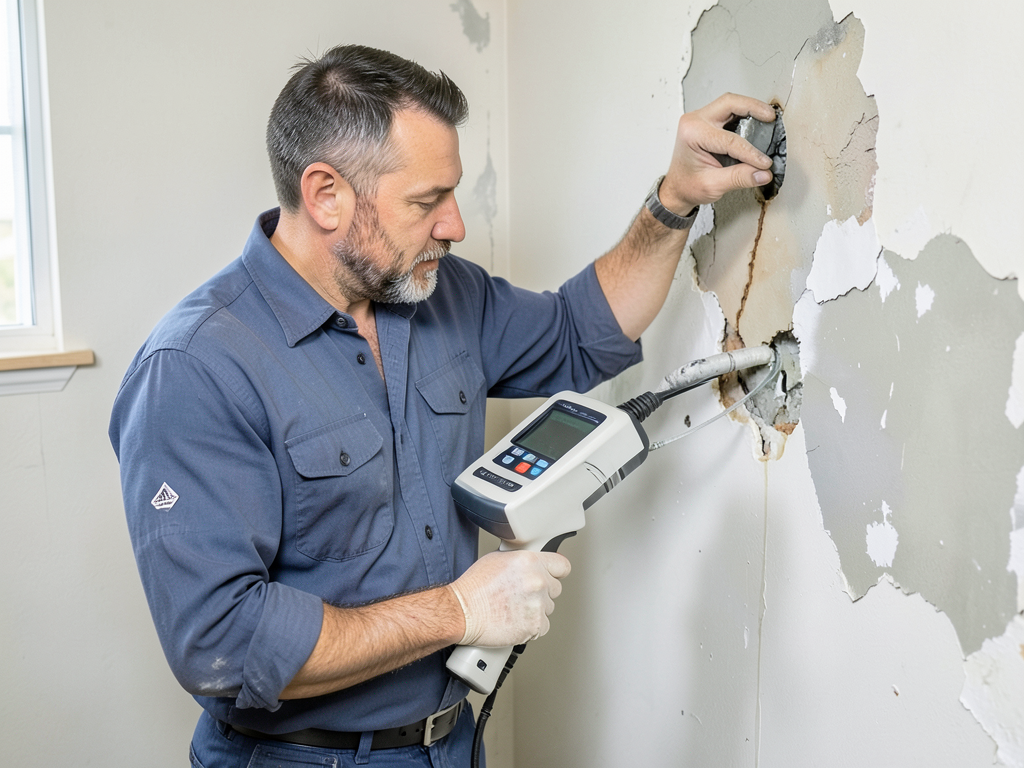
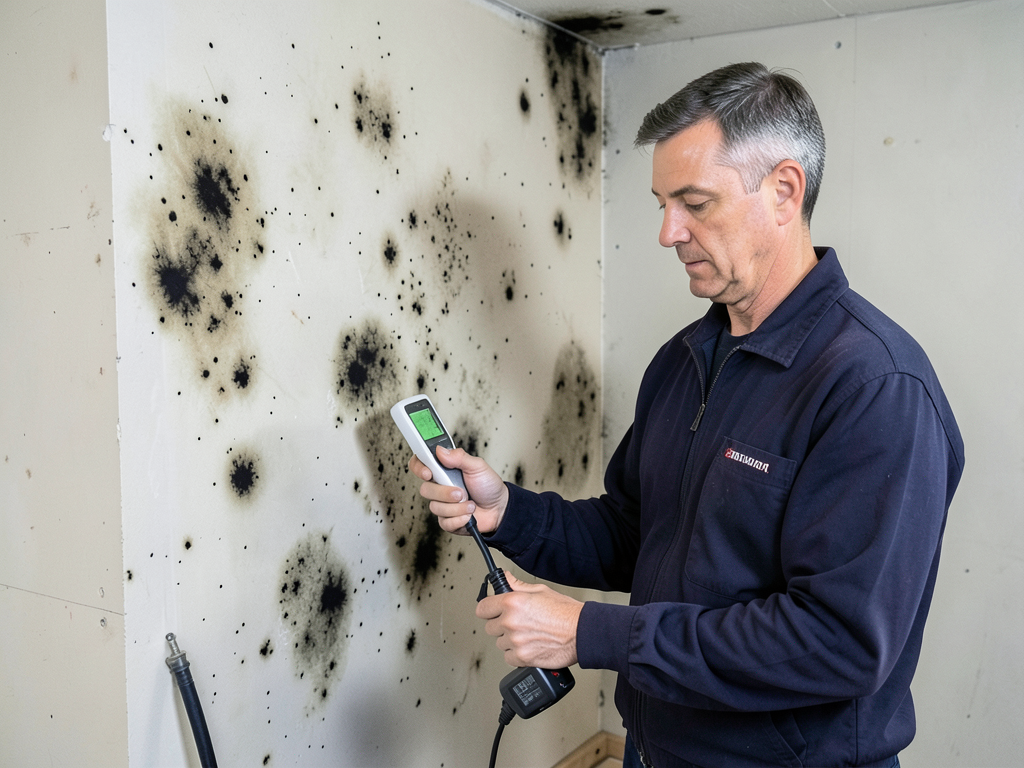
After extraction, we measure moisture levels in walls, ceilings, and floors using thermal imaging cameras and moisture meters. You cannot see moisture inside a wall stud or beneath vinyl flooring. We document these readings to create a drying plan and to provide your insurance adjuster with the data they need to approve your claim. Columbus building codes require specific moisture thresholds before reconstruction can begin, and we know those standards.

Our drying equipment includes commercial dehumidifiers, air movers, and negative air machines. Dehumidifiers pull moisture from the air. Air movers create airflow across wet surfaces to speed evaporation. Negative air machines prevent cross-contamination if flood water contained sewage or chemicals. We monitor moisture levels daily and adjust equipment placement to ensure complete drying. If we skip this step, you get mold growth, warped floors, and failed drywall seams within weeks.

Five Star Water Damage Restoration Columbus also handles content pack-outs. Furniture, electronics, and documents must be moved to a controlled environment for drying and cleaning. Flood water is never clean, so everything it touches needs professional remediation.

What Happens During Your Flood Cleanup Service

Flood Cleanup & Extraction in Columbus – 24/7 Emergency Response for Residential and Commercial Properties
01

Emergency Water Removal

We arrive with truck-mounted extractors and submersible pumps to remove standing water from your property. Our technicians assess the contamination level of the flood water, which determines whether we handle it as clean water, gray water, or black water. We extract water from carpets, padding, and porous materials first because these absorb the most moisture and create the highest mold risk. You see immediate results as water levels drop and we begin salvaging your belongings.
02

Moisture Detection and Documentation

After extraction, we use thermal imaging and moisture meters to map hidden water inside walls, ceilings, and under flooring. This step is critical for your insurance claim because adjusters need documented proof of moisture levels to approve drying and reconstruction costs. We photograph moisture readings, mark affected areas, and create a detailed site map. This documentation also protects you from future disputes about the scope of damage and prevents contractors from missing hidden moisture during rebuilds.
03

Structural Drying and Monitoring

We deploy commercial dehumidifiers and air movers to dry your structure to safe moisture levels, which typically takes three to five days depending on the severity of the flood. Our technicians visit daily to record moisture readings, adjust equipment, and ensure progress. Once moisture levels meet Columbus building code requirements, we remove the equipment and provide you with a completion certificate. This document is required before any contractor can begin reconstruction, and it protects you from future mold or structural issues caused by incomplete drying.

Why Columbus Property Owners Choose Local Flood Restoration Experts

Floods do not wait for business hours. We operate 24/7 because the first three hours after a flood determine whether your property suffers minor or catastrophic damage. Five Star Water Damage Restoration Columbus keeps extraction trucks and drying equipment ready at all times. When you call, we dispatch a crew immediately, not the next morning.

Our technicians understand Columbus construction. Homes in Victorian Village and Bexley were built between 1900 and 1940, with plaster walls, horsehair insulation, and brick foundations that absorb water differently than modern drywall and fiberglass. We adjust our drying techniques based on your building materials and construction era. A one-size-fits-all approach causes unnecessary demolition and inflates your claim costs.

We also navigate local insurance requirements. Insurance companies in Columbus require specific documentation, including moisture readings, photo evidence, and drying logs. We provide this documentation in real time so your claim moves quickly. If your adjuster disputes the scope of work, we have the data to support our findings. Many homeowners lose thousands of dollars because they lack the technical documentation their insurance company demands.

Columbus also has strict mold remediation regulations. If flood water sits for more than 48 hours, Ohio Department of Health guidelines may require licensed mold remediation before reconstruction begins. We handle mold assessments, containment, and remediation under the same roof, so you do not need to hire multiple contractors. This saves time and prevents coordination problems between trades.

Local matters. A national franchise sends crews from out of state. We are based in Columbus, and we respond faster because we are already here.

What You Can Expect from Our Flood Cleanup Process

Immediate Response Time

We answer your call 24/7 and dispatch a crew to your Columbus property within hours. Our technicians arrive with extraction equipment, moisture detection tools, and protective gear. You receive an initial assessment on-site, including an explanation of the water category, the affected areas, and the estimated timeline for drying. We do not schedule appointments days out. Flood damage worsens by the hour, so we treat every call as urgent. You get a crew on-site fast, not a phone consultation followed by a waiting period.

Detailed Damage Assessment

Our assessment includes moisture mapping with thermal cameras and non-invasive moisture meters. We test walls, ceilings, subflooring, and insulation to identify hidden water. You receive a written report with photographs, moisture readings, and a recommended action plan. This report goes directly to your insurance company, which speeds up claim approval. We also explain which materials can be dried and which require removal. You get transparency about costs and scope before we begin work, so there are no surprises when the bill arrives.

Complete Structural Drying

We dry your property to IICRC S500 standards, which are the industry benchmarks for water damage restoration. Our equipment runs continuously until moisture levels reach safe thresholds, typically below 15 percent for wood framing and below 12 percent for drywall. We monitor progress daily and provide you with updated moisture readings. You see measurable progress, not guesswork. Once drying is complete, we provide a certificate of completion that your contractor needs before starting repairs. This ensures your property is safe for reconstruction and prevents future mold or rot.

Mold Prevention and Follow-Up

Flood water introduces mold spores, bacteria, and contaminants into your property. We apply antimicrobial treatments to affected surfaces to prevent mold growth during the drying process. If mold is already present, we contain the area, remove contaminated materials, and treat surfaces with EPA-registered fungicides. You also receive a post-drying inspection to confirm no hidden moisture remains. We do not disappear after the equipment is removed. If you notice any issues during reconstruction, we return to verify moisture levels and ensure the drying process was successful.

Frequently Asked Questions

You Have Questions,
We Have Answers

How much does flood removal cost? +

Flood removal costs in Columbus vary based on severity, square footage, and contamination level. Minor basement floods with clean water may start around a few hundred dollars for extraction and drying. Major flooding involving sewage backup, structural damage, or extensive mold remediation can climb into the thousands. Columbus homes with finished basements or older foundations face higher costs due to drywall removal and structural repairs. The Scioto and Olentangy River floodplains see more frequent claims. Always get multiple estimates. Document everything for insurance. Quick action reduces costs by preventing secondary damage like mold growth or wood rot.

Does flood insurance pay for clean up? +

Flood insurance covers cleanup if you carry a National Flood Insurance Program policy or private flood coverage. Standard homeowners policies in Columbus do not cover flooding from rivers, storm surge, or overland water flow. If you live near the Scioto River or in FEMA-designated flood zones, flood insurance pays for extraction, drying, debris removal, and some structural repairs. You must file promptly and document damage with photos. Policies have waiting periods, so buy before storm season. Many Columbus residents assume coverage exists and learn too late they lack protection.

How much does disaster cleanup cost? +

Disaster cleanup costs depend on the type and scope of damage. Water damage from storms, sewage backups, or appliance failures typically ranges from hundreds to several thousand dollars in Columbus. Fire and smoke damage add demolition and odor removal costs. Mold remediation increases expenses if moisture sits too long. Columbus properties with basements, older plumbing, or poor drainage face higher risk. Insurance may cover some costs depending on the cause. Always hire certified professionals who follow IICRC standards. Cutting corners leads to hidden moisture, structural damage, and mold problems that cost more long term.

Does homeowners insurance cover water removal? +

Homeowners insurance covers water removal if the cause is sudden and accidental, like burst pipes, roof leaks, or appliance malfunctions. It does not cover gradual damage, neglect, or flooding from external sources. Columbus homeowners dealing with frozen pipes during winter cold snaps typically get coverage. Sump pump failures may require separate endorsements. Review your policy for exclusions and coverage limits. File claims immediately after discovering damage. Document everything with photos and keep receipts. Insurance adjusters look for proof the damage was sudden, not the result of deferred maintenance or lack of routine inspection.

Will insurance pay for a flooded basement? +

Insurance pays for flooded basements only if the water source qualifies under your policy. Burst pipes, broken water heaters, or sewer backups with proper endorsements usually trigger coverage. External flooding from storms, rivers, or surface water requires separate flood insurance. Many Columbus basements flood during spring rains due to poor grading or failed sump pumps. Standard homeowners policies exclude these scenarios. Sewer backup riders add protection for sump pump failures. If your basement floods, document the source immediately. Call your insurer fast. Delays raise suspicion and complicate claims processing.

How much does it cost to lift a house in a flood zone? +

Lifting a house in a flood zone costs between tens of thousands to over one hundred thousand dollars in Columbus, depending on size, foundation type, and elevation requirements. The process involves hydraulic jacks, temporary supports, and building a new elevated foundation. Homes near the Scioto River floodplain or in repetitive loss areas may qualify for FEMA grants or mitigation assistance. Most Columbus homeowners explore cheaper alternatives like flood vents, berms, or improved drainage first. Consult structural engineers and check local building codes. Lifting makes sense only for high-risk properties with repeated flood claims.

How much does it cost to clean up a flooded basement? +

Cleaning up a flooded basement in Columbus typically costs several hundred to a few thousand dollars. Light flooding with clean water and minimal belongings is cheaper. Sewage contamination, finished spaces, or prolonged water exposure increases costs due to disinfection, demolition, and mold prevention. Columbus basements with porous block walls or dirt floors absorb more water and require deeper treatment. Professional extraction, dehumidification, and antimicrobial treatment prevent mold and structural rot. DIY efforts miss hidden moisture and lead to bigger problems. Get multiple quotes. Insurance may cover costs if the source qualifies under your policy terms.

What two events are not covered under homeowners insurance? +

Homeowners insurance typically excludes flooding and earthquakes. Flooding from external water sources like rivers, storm surge, or overland flow requires separate flood insurance through FEMA or private carriers. Earthquakes need specific endorsements or standalone policies. Columbus sits in a low seismic zone but faces frequent flood risks near the Scioto and Olentangy Rivers. Standard policies also exclude neglect, wear and tear, and intentional damage. Many homeowners assume full coverage and face denial after disasters. Review your policy exclusions annually. Add endorsements for sewer backup, sump pump failure, and other common Columbus risks.

How long after water damage can you claim on insurance? +

File water damage claims immediately after discovery. Most Columbus insurers require notification within a few days to a week. Policies vary, but delays complicate approval and raise fraud suspicions. Document damage with photos and videos before cleanup begins. Keep receipts for emergency mitigation work like water extraction or tarp installation. Ohio law does not set a universal deadline, but policies include specific timeframes. Waiting too long forfeits coverage. Mold growth starts within 24 to 48 hours, so act fast for your health and claim eligibility. Call your insurer before starting major repairs.

How long does it take to clean up a flooded basement? +

Cleaning up a flooded basement in Columbus takes one to five days for professional teams, depending on water depth, contamination, and structural damage. Light flooding with quick extraction may finish in hours. Sewage backups or prolonged standing water require antimicrobial treatment, demolition, and extended drying with industrial dehumidifiers. Columbus humidity slows drying, especially in summer. Hidden moisture in walls or insulation extends timelines. Mold prevention demands thorough drying before reconstruction begins. DIY efforts take longer and miss moisture pockets. Professional crews use moisture meters and thermal imaging to ensure complete drying and prevent future problems.

How Columbus River Flooding and Clay Soil Increase Your Flood Cleanup Urgency

Columbus sits at the confluence of the Scioto and Olentangy rivers, where spring flooding is a recurring risk for neighborhoods near Franklinton, Downtown, and the Arena District. When the Scioto River rises above flood stage, basements in low-lying areas fill with river water that contains sediment, bacteria, and debris. Clay-heavy soil in Columbus does not absorb runoff quickly, so surface water pools around foundations and seeps through basement walls even in neighborhoods far from the rivers. This combination of riverine flooding and poor soil drainage makes flood cleanup a time-sensitive emergency. You cannot wait for the water to recede naturally because the longer it sits, the deeper it penetrates your structure.

Five Star Water Damage Restoration Columbus understands local flood patterns and building construction across the metro. We know which neighborhoods flood during heavy rains, which streets have outdated storm sewer systems, and which basement designs are most vulnerable to seepage. Our team has worked with Columbus insurance adjusters, city building inspectors, and local contractors for years, so we know the documentation and drying standards required for claims approval and code compliance. Choosing a local restoration company means you get technicians who respond quickly, understand Columbus building codes, and have relationships with the people who approve your claim and your rebuild.
Water Damage Restoration Services in The Columbus Area

We proudly serve the wider Columbus area and its surrounding communities. Our centrally located office allows our emergency response teams to reach your property quickly, no matter where you are. We are committed to being a reliable resource for our neighbors, and our responsive team is always on standby to provide professional assistance when you need it most. We believe that local expertise and a quick response are crucial when dealing with water damage, so we encourage you to view our service area to see if we can help.

Address:
Five Star Water Damage Restoration Columbus, 601 N High St, Columbus, OH, 43215

Additional Services We Offer

Our news updates

Latest Articles & News from The Blogs

Dealing with water damage when you live in a Columbus HOA or condo association Water damage in a Columbus condo…

Dealing with water damage when you live in a Columbus HOA or condo association

Dealing with water damage when you live in a Columbus HOA or condo association Water damage in a Columbus condo…

The real difference between common mildew and dangerous black mold in Eastmoor homes

The real difference between common mildew and dangerous black mold in Eastmoor homes Eastmoor homeowners often spot dark patches in…

Testing your sump pump before the spring rains hit the South Side

Testing your sump pump before the spring rains hit the South Side \n\n Heavy spring rains combined with the clay-rich…

Contact Us

Call Five Star Water Damage Restoration Columbus at (614) 707-7505 for immediate dispatch. Our crews are standing by 24/7 to stop flood damage and begin your recovery. Do not wait. Every hour increases your costs and your risk.