Menu

Hidden Moisture Detection in Columbus – Stop Water Damage Before It Destroys Your Property

Columbus homeowners face a silent threat: water damage you cannot see. Our advanced hidden moisture detection uses thermal imaging and moisture meters to locate concealed dampness before mold, rot, and structural failure take hold.

Slider Image 1
Slider Image 2
Slider Image 3
Slider Image 4
Slider Image 5
Slider Image 7
Slider Image 8
Slider Image 9
Slider Image 10
Slider Image 11

Why Columbus Homes Are Vulnerable to Hidden Water Damage

You smell something musty in your basement. Your hardwood floors feel soft in spots. Your water bill crept up without explanation. These are signs of hidden moisture, and Columbus homes face this problem more than you think.

Columbus sits in a humid continental climate zone. Summer humidity regularly exceeds 70 percent. When that moisture meets cold basement walls or uninsulated crawl spaces, condensation forms. Water seeps into wall cavities, under flooring, and behind drywall. You will not see it until the damage is severe.

The soil in Columbus is another problem. Clay-heavy soil expands when wet, contracts when dry. This constant shifting cracks foundation walls. Groundwater finds these cracks. It migrates into basements and crawl spaces. By the time you see visible water stains, the hidden moisture has been there for weeks or months.

Older homes in German Village and Victorian Village face additional risks. Original plumbing systems corrode. Slow leaks develop behind walls. The cast iron drain pipes common in pre-1960s construction are especially prone to pinhole leaks. These drips feed hidden mold colonies and rot structural framing.

Detecting invisible leaks requires specialized equipment. Moisture meters measure water content in drywall, wood, and concrete. Thermal imaging cameras reveal temperature differences that indicate trapped water. Identifying unseen water intrusion early prevents catastrophic damage. Once mold spreads through wall cavities or floor joists begin to rot, the repair costs multiply.

Columbus residents in neighborhoods near the Scioto River and Olentangy River face elevated groundwater tables. Water migrates through foundation walls via capillary action. This slow, steady moisture intrusion creates ideal conditions for mold. You may not notice the problem until you smell it.

Why Columbus Homes Are Vulnerable to Hidden Water Damage
How Professional Moisture Detection Works

How Professional Moisture Detection Works

Finding trapped water requires more than guesswork. Five Star Water Damage Restoration Columbus uses a multi-phase approach to locate concealed dampness in every corner of your property.

We start with a visual inspection. Trained technicians look for secondary indicators: discoloration, efflorescence on concrete, warped baseboards, and peeling paint. These clues point us toward potential moisture zones.

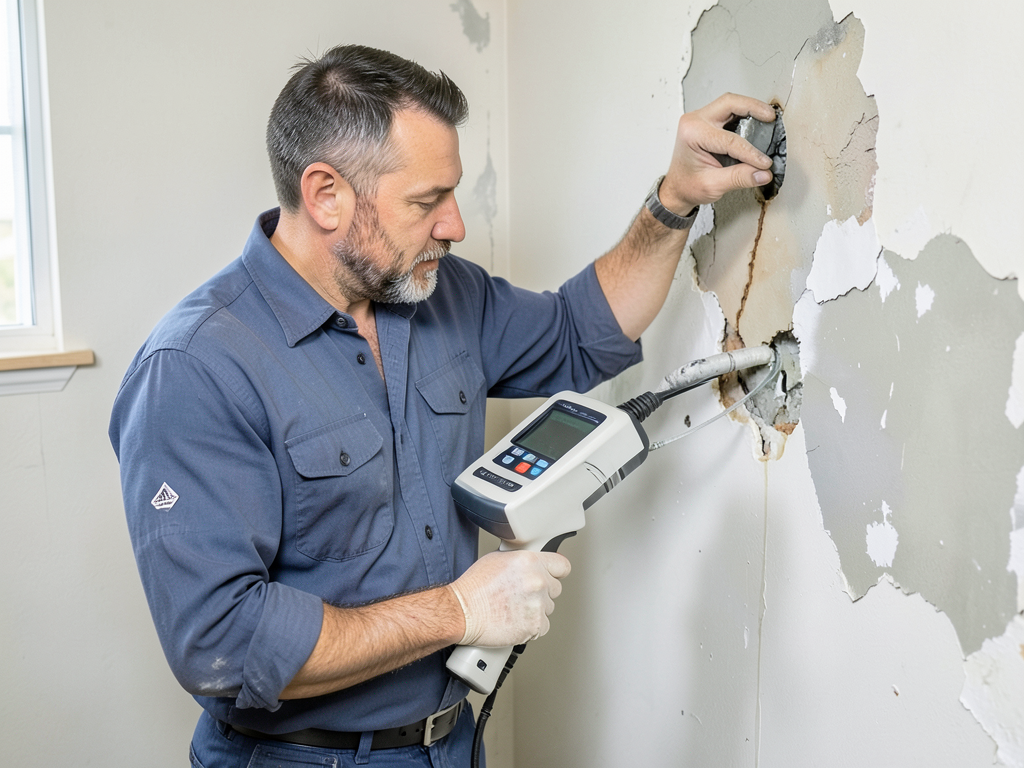
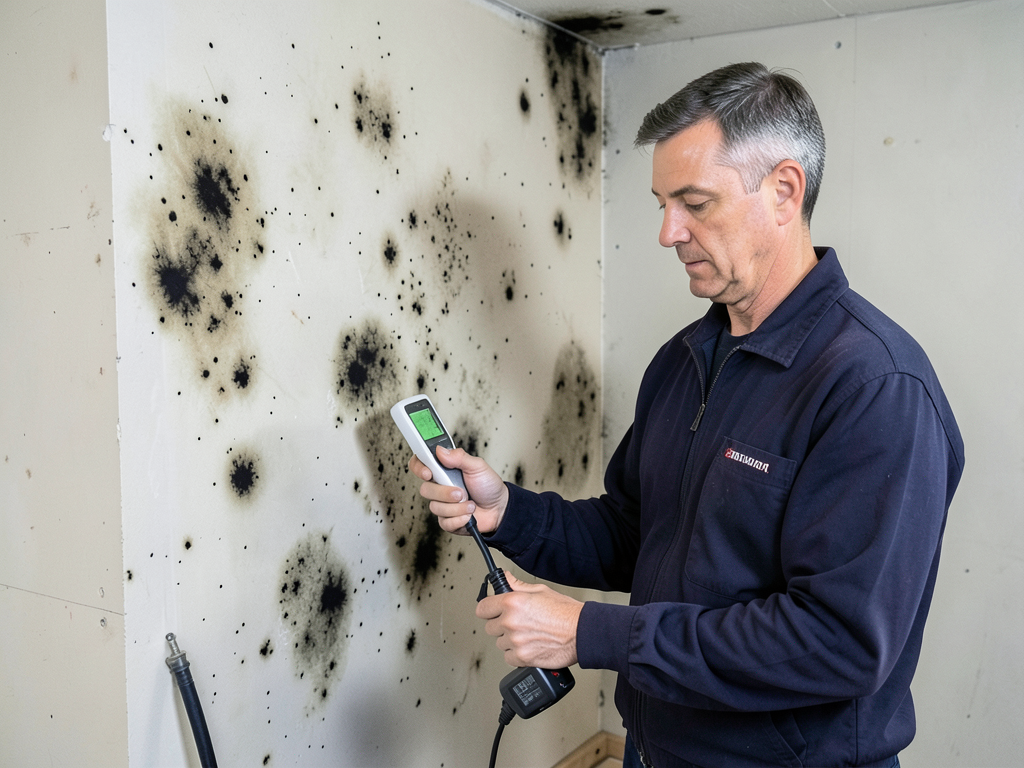
Next, we deploy pin-type and pinless moisture meters. Pin meters penetrate drywall and wood to measure moisture content at depth. Pinless meters scan large surface areas without creating holes. We take readings at multiple heights and locations. This data maps the moisture distribution throughout your home.

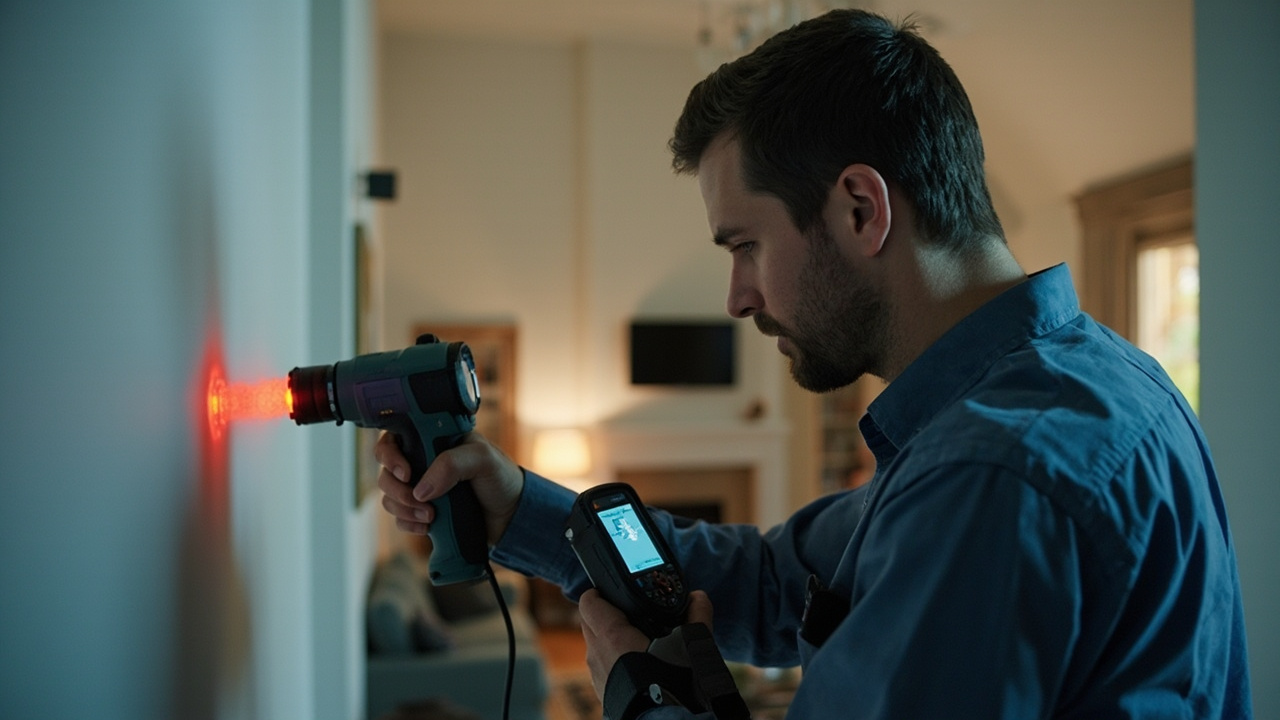
Thermal imaging cameras are the next step. These cameras detect infrared radiation. Wet materials hold heat differently than dry materials. The camera displays temperature variations as color gradients on a screen. Cool spots often indicate trapped water behind walls or under floors. This technology reveals moisture paths that are invisible to the naked eye.

For complex cases, we use hygrometers to measure relative humidity in wall cavities and crawl spaces. High humidity levels indicate active moisture sources. We also deploy tracer gas detection systems for suspected slab leaks. These tools pinpoint leaks in under-slab plumbing without demolition.

Once we map the moisture intrusion, we identify the source. Is it a plumbing leak? Foundation seepage? Roof leak migration? HVAC condensation? Each source requires a different remediation strategy. Spotting hidden water damage is only useful if we also determine why the water is there.

Our technicians document findings with digital moisture maps and thermal images. This creates a clear record for insurance claims and provides a baseline for post-remediation verification. You get a detailed report showing exactly where water is hiding and what caused it.

What Happens During a Moisture Inspection

Hidden Moisture Detection in Columbus – Stop Water Damage Before It Destroys Your Property
01

Initial Assessment and Interview

We start by asking when you noticed the problem. Did the issue appear after heavy rain? Is there a musty smell? Have you noticed higher water bills? We inspect areas you identified and then expand to adjacent rooms. Moisture travels through framing, so the visible problem is often downstream from the actual source. This conversation helps us prioritize inspection zones.
02

Equipment-Based Moisture Mapping

Technicians use moisture meters to scan walls, floors, and ceilings. We take readings every few feet to establish moisture gradients. Thermal cameras reveal cold spots behind drywall. We check around windows, doors, plumbing fixtures, and HVAC vents. Every reading is logged. This creates a moisture map showing dry zones, damp zones, and saturated zones. The map guides remediation planning.
03

Source Identification and Documentation

Once we locate the moisture, we trace it back to the source. This may involve inspecting roof flashing, testing plumbing connections, or checking foundation drainage. We document everything with photos and written reports. You receive a detailed summary of findings, moisture content readings, and recommended next steps. This documentation is critical for insurance claims and contractor coordination.

Why Columbus Homeowners Choose Five Star Water Damage Restoration

Columbus has hundreds of water damage companies. Most show up with a shop vac and a dehumidifier. That approach ignores the real problem: finding the water you cannot see.

Five Star Water Damage Restoration Columbus invests in diagnostic technology. We own thermal imaging cameras, professional-grade moisture meters, and hygrometers. These tools cost thousands of dollars. Most small operators skip them. They rely on visual inspection alone. By the time water damage is visible, the hidden damage is already extensive.

Our technicians understand Columbus construction. Homes in Clintonville have different vulnerabilities than new builds in New Albany. Older homes have plaster walls, cast iron pipes, and uninsulated crawl spaces. Newer homes have oriented strand board sheathing that absorbs water rapidly. We adjust our inspection strategy based on construction type and age.

We also know Columbus weather patterns. Spring storms dump inches of rain in short periods. Flash flooding affects low-lying areas near the rivers. Winter freeze-thaw cycles crack foundation walls. Summer humidity creates condensation in basements and attics. Each season brings different moisture risks. Our experience in this specific climate gives us an edge in diagnosing problems quickly.

Local building codes in Columbus require specific moisture barriers and drainage systems. We know what should be present in your home based on when it was built. If those systems are missing or compromised, we identify the gap. This knowledge prevents recurring problems after remediation.

We work directly with Columbus-area insurance adjusters. We know what documentation they require. Our moisture reports include calibrated meter readings, thermal images, and written summaries. This speeds up claims approval. You get the coverage you deserve without delays or denials.

Trust matters when someone is cutting into your walls or pulling up your floors. We have built our reputation in Columbus by finding problems other companies miss. Hidden moisture does not stay hidden when we inspect your property.

What You Should Expect from a Professional Moisture Detection Service

Fast Response Times

We dispatch technicians within hours of your call. Hidden moisture does not wait. Every day of delay allows mold to colonize drywall and wood. We understand the urgency. Our inspection typically takes two to four hours depending on property size. You receive same-day findings. If you have an active leak, we can coordinate emergency mitigation immediately. Speed prevents minor leaks from becoming major disasters. Call (614) 707-7505 and we will schedule you fast.

Thorough Multi-Room Inspection

We do not just check the room where you see the problem. Moisture travels. A roof leak in the attic can show up as a ceiling stain in a second-floor bedroom. A slow slab leak in the bathroom can saturate the adjacent hallway. We inspect all rooms adjacent to the problem area. We check above, below, and beside the suspected moisture zone. This comprehensive approach ensures we do not miss secondary damage. You get a complete picture of the moisture intrusion.

Detailed Moisture Reports

You receive a written report with moisture content readings, thermal images, and source identification. The report is easy to understand. We mark affected areas on a floor plan. We explain what the readings mean and why the moisture is present. This documentation is critical for insurance claims and contractor bids. You will know exactly what needs to be repaired. No guesswork. No surprises. Just clear, actionable information based on calibrated equipment and professional analysis.

Post-Remediation Verification

After remediation work is complete, we return to verify drying. We take new moisture readings in the same locations. This confirms the affected materials have returned to dry standard levels. Proper drying prevents mold growth and structural issues. Some companies skip this step. We include it. You get peace of mind knowing the problem is truly resolved. We also provide guidance on preventing future moisture intrusion. Simple changes to drainage or ventilation can save you thousands in future repairs.

Frequently Asked Questions

You Have Questions,
We Have Answers

Why does my phone say moisture detected when there is no moisture? +

Your phone's moisture sensor can trigger falsely from humidity, condensation, or residue in the charging port. Columbus experiences high humidity during summer months, which can cause false alerts. Lint, dust, or previous water exposure may leave deposits that confuse the sensor. The sensor detects electrical conductivity changes, not just visible water. Try cleaning the port gently with compressed air or a dry toothbrush. Let your phone sit in a dry environment for 30 minutes. If alerts persist after cleaning, the sensor may be damaged and need professional inspection.

Do moisture detectors really work? +

Professional-grade moisture detectors are accurate when used correctly by trained technicians. These tools measure electrical resistance or electromagnetic signals in building materials to detect hidden water. Pin-type meters penetrate surfaces for precise readings, while non-invasive meters scan without damage. Consumer-grade devices vary in reliability. In Columbus homes, where basement moisture and roof leaks are common, professionals use multiple meter types to confirm findings. Accuracy depends on calibration, material type, and operator experience. Reputable restoration companies combine meter readings with thermal imaging and visual inspection for reliable moisture mapping.

How to find where moisture is coming from in a house? +

Start by checking common trouble spots in Columbus homes. Inspect basements for foundation cracks, window wells, and floor seepage after heavy rain. Check rooflines for missing shingles or damaged flashing. Look under sinks, around toilets, and near water heaters for supply line leaks. Feel walls for cold spots or dampness, especially on exterior walls during winter. Professional moisture meters identify hidden water behind surfaces without demolition. Thermal imaging cameras reveal temperature differences that indicate moisture intrusion. Many Columbus properties built on clay soil experience foundation movement that creates entry points for groundwater.

Is there a tool to detect moisture in walls? +

Pin-type and non-invasive moisture meters detect water inside walls without major demolition. Pin meters use two probes that penetrate drywall to measure electrical resistance between points. Non-invasive meters scan surfaces using electromagnetic frequency to detect moisture deeper in wall cavities. Thermal imaging cameras complement these tools by showing temperature variations that indicate wet areas. Professional restoration technicians in Columbus use calibrated meters specific to building materials common in the area. These tools locate moisture from roof leaks, plumbing failures, or exterior water intrusion before mold develops or structural damage worsens.

How do I bypass the moisture detection? +

Bypassing your phone's moisture detection warning is not recommended. The sensor protects your device from short circuits and permanent damage. Forcing a charge while moisture is present can destroy the charging port or internal components. If you need immediate power, use wireless charging as a temporary solution. The safest approach is addressing the actual moisture problem. Clean the port thoroughly and allow complete drying time. In Columbus's humid climate, this may take several hours in air conditioning. Repeatedly bypassing warnings often leads to expensive repairs or device replacement.

Will moisture detected go away on its own? +

Phone moisture alerts may clear after the port dries completely, but building moisture will not resolve without intervention. Columbus's humid summers and wet springs create persistent moisture problems in homes. Water trapped in walls, crawlspaces, or basements worsens over time, causing mold growth and structural decay. Active leaks continue damaging your property until the source is repaired. Evaporation removes surface moisture but does not fix the entry point. Professional assessment identifies whether you have a one-time spill or an ongoing water intrusion issue requiring immediate repair and drying.

What can throw off a moisture meter? +

Several factors affect moisture meter accuracy. Different building materials conduct electricity differently, requiring calibration adjustments. Temperature extremes, common during Columbus winters and summers, can skew readings. Metal studs, foil-backed insulation, or electrical wiring create false positives on non-invasive meters. Surface moisture from humidity or condensation may register high while deeper materials remain dry. Salt deposits, chemicals, or preservatives in wood alter conductivity. Operator error, like improper probe depth or contact pressure, produces unreliable data. Professional technicians account for these variables by using multiple measurement methods and understanding local construction types.

How long do moisture sensors last? +

Professional moisture sensors typically last five to ten years with proper calibration and maintenance. Consumer devices may fail sooner if exposed to extreme conditions or physical damage. Phone moisture sensors are solid-state components that generally last the device's lifetime unless corroded by repeated water exposure. Building moisture monitoring systems require battery replacement and periodic calibration checks. In Columbus restoration work, professionals maintain and calibrate equipment regularly to ensure accurate readings. Sensor lifespan depends on usage frequency, storage conditions, and manufacturer quality. Annual calibration verification keeps professional meters reliable.

How do phones detect moisture? +

Phones use tiny sensors in charging ports and headphone jacks that detect electrical conductivity changes. When water bridges the sensor contacts, electrical resistance drops, triggering the warning. Some phones use liquid contact indicators that change color permanently when wet. The sensor protects charging circuits from short-circuit damage. Columbus's humid environment can cause false triggers from condensation, especially when moving between air-conditioned spaces and outdoor heat. The system is sensitive by design because even small amounts of moisture can damage delicate electronics during charging. Manufacturers prioritize device protection over convenience.

How do plumbers find hidden leaks? +

Professional plumbers use acoustic listening devices that amplify the sound of water escaping under pressure. Thermal imaging cameras reveal temperature differences where cold water leaks behind walls or under slabs. Tracer gas equipment injects harmless gas into pipes, then detects it at the leak point. Video inspection cameras navigate inside drain lines to identify breaks or root intrusion. Moisture meters pinpoint wet areas in walls and floors. In Columbus, where many homes have copper supply lines and clay sewer laterals, plumbers combine these technologies to locate hidden leaks without excessive demolition.

How Columbus Humidity and Clay Soil Create Hidden Moisture Problems

Columbus sits at the intersection of Midwest humidity and expansive clay soil. Summer dew points regularly reach 65 to 70 degrees. This humid air infiltrates basements and crawl spaces. When it contacts cool concrete walls, condensation forms. That condensation soaks into drywall and wood. The clay soil common in Franklin County expands when saturated, pushing hydrostatic pressure against foundation walls. Hairline cracks in the foundation allow groundwater seepage. These conditions make identifying unseen water intrusion essential for Columbus homeowners. Without moisture detection, you will not know water is present until mold or rot appears.

Columbus has strict building codes for moisture control, but older homes predate these standards. Homes built before 1980 often lack proper vapor barriers in crawl spaces. Many basements in Clintonville, German Village, and Grandview Heights were never waterproofed. Local water damage professionals understand these vulnerabilities. Five Star Water Damage Restoration Columbus has inspected hundreds of properties across Franklin County. We know where moisture hides in Columbus homes. Choosing a company familiar with local construction methods and soil conditions ensures accurate detection and effective remediation.
Water Damage Restoration Services in The Columbus Area

We proudly serve the wider Columbus area and its surrounding communities. Our centrally located office allows our emergency response teams to reach your property quickly, no matter where you are. We are committed to being a reliable resource for our neighbors, and our responsive team is always on standby to provide professional assistance when you need it most. We believe that local expertise and a quick response are crucial when dealing with water damage, so we encourage you to view our service area to see if we can help.

Address:
Five Star Water Damage Restoration Columbus, 601 N High St, Columbus, OH, 43215

Additional Services We Offer

Our news updates

Latest Articles & News from The Blogs

Dealing with water damage when you live in a Columbus HOA or condo association Water damage in a Columbus condo…

Dealing with water damage when you live in a Columbus HOA or condo association

Dealing with water damage when you live in a Columbus HOA or condo association Water damage in a Columbus condo…

The real difference between common mildew and dangerous black mold in Eastmoor homes

The real difference between common mildew and dangerous black mold in Eastmoor homes Eastmoor homeowners often spot dark patches in…

Testing your sump pump before the spring rains hit the South Side

Testing your sump pump before the spring rains hit the South Side \n\n Heavy spring rains combined with the clay-rich…

Contact Us

Do not wait for visible damage. Call Five Star Water Damage Restoration Columbus at (614) 707-7505 now. We will dispatch a technician to locate concealed dampness before it destroys your property. Same-day appointments available.