
How a clogged sump pump discharge line in Forest Park causes basement flooding
A clogged sump pump discharge line in Forest Park can turn your basement into a swimming pool faster than you’d think. When the pipe that carries water away from your sump pump freezes or gets blocked, the pump keeps running but the water has nowhere to go. This creates a dangerous cycle where the motor burns out while your basement fills with water. The problem is especially common in Forest Park because many homes sit on heavy clay soil that already puts pressure on basement walls. Professional water damage restoration for Short North shops and galleries.
Water follows the path of least resistance. When your discharge line is blocked, that path becomes back through the sump pit and into your basement. During Ohio’s freeze-thaw cycles, ice can form inside the pipe and completely stop water flow. The motor keeps trying to push water through the frozen blockage until it overheats and fails. By the time you notice the problem, you’re dealing with both a dead pump and several inches of standing water. Frozen pipe cleanup and repair in Gahanna before the damage spreads.
Common causes of clogged discharge lines in Forest Park
Several factors unique to Forest Park contribute to discharge line problems. The neighborhood’s mature trees drop leaves and twigs that can enter outdoor pipes through small gaps. Ohio’s clay soil expands when wet, putting pressure on buried pipes and causing them to crack or collapse. During winter, ice formation is the biggest threat, especially when discharge pipes exit near the foundation where they get less sun exposure.
Many Forest Park homes were built in the 1970s and 1980s with discharge lines that weren’t designed for today’s heavier rainfall patterns. The pipes may be too narrow or have improper slopes that allow debris to collect. Some older systems use corrugated pipe that’s more prone to clogging than smooth PVC. The combination of age, soil conditions, and weather creates a perfect storm for basement flooding. Fixing storm and flood damage in Hilliard after heavy rains.
Signs your discharge line might be blocked
Before your basement floods, your sump pump gives warning signs. The pump might run continuously without emptying the pit, or you might hear a different sound than the normal water discharge noise. Some homeowners notice water backing up into the pit during heavy rain when it should be pumping out steadily.
Ice blockage often creates a humming sound as the motor strains against the frozen pipe. You might also see frost or ice buildup around the discharge pipe exit point outside your home. In Forest Park’s older neighborhoods, discharge lines often exit near sidewalks or driveways where ice accumulation is common. If you notice any of these signs during cold weather, your line may be frozen.
Emergency steps when your basement starts flooding
If water is already coming into your basement, act quickly to minimize damage. First, turn off the electricity to the affected area at your breaker panel. Standing water and electricity create a lethal combination. Next, try to locate the source of the flooding. If it’s coming from your sump pit, the discharge line is likely blocked.
Remove valuable items from the water immediately. Electronics, documents, and furniture absorb water quickly and may be ruined within hours. Use towels or a wet vacuum to remove standing water if it’s safe to do so. Document everything with photos for insurance purposes. The longer water sits, the more damage it causes to walls, flooring, and personal belongings.
Safe methods to thaw a frozen discharge line
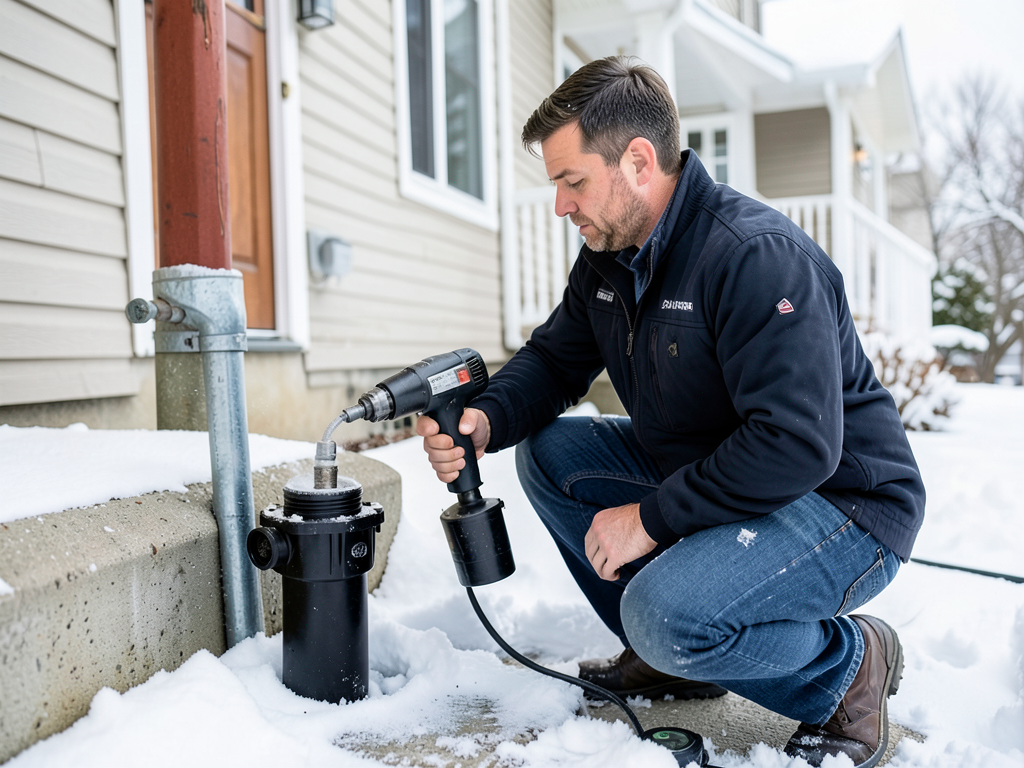
Never use an open flame to thaw a frozen pipe. This creates a fire hazard and can damage PVC piping. Instead, use a hair dryer or heat gun on a low setting to warm the pipe gradually. Start at the exit point and work your way back toward the house. This allows water to drain as the ice melts.
Another method involves pouring warm (not boiling) water over the frozen section. The water should be around 100-120 degrees Fahrenheit. Boiling water can crack cold pipes from thermal shock. You can also wrap the frozen section with electric heat tape designed for pipe thawing. These tapes have built-in thermostats that prevent overheating.
Professional thawing and repair services
Sometimes DIY methods aren’t enough, especially when dealing with ice deep inside the pipe or when the line is buried underground. Professional water damage restoration companies in Forest Park have specialized equipment like pipe thawing machines that use electrical current to melt ice from the inside out.
Technicians can also use video inspection cameras to locate exactly where the blockage occurs. This is particularly useful for underground lines where you can’t see the problem. Once the line is thawed, they can check for cracks, collapsed sections, or improper grading that contributed to the freezing. Many companies offer 24/7 emergency service because basement flooding doesn’t wait for business hours.
Prevention strategies for Forest Park homes
Installing a FreezeGuard or IceGuard is one of the most effective prevention methods. These devices attach to your discharge line and provide an alternative exit path if the main line freezes. They’re designed to prevent basement flooding by allowing water to escape through the side of the device rather than backing up into your home.
Burying your discharge line deeper can also help. The frost line in Central Ohio is typically 30-36 inches deep, so pipes buried below this level are less likely to freeze. However, this requires excavation and may not be possible in all yards due to utilities or landscaping. Another option is increasing the pipe diameter from the standard 1.5 inches to 2 or 3 inches, which allows more water flow and is less prone to freezing.
Proper discharge line installation and maintenance
A properly installed discharge line should have a slight downward slope of at least 1/4 inch per foot away from the house. This ensures water drains completely and doesn’t pool inside the pipe where it can freeze. The line should also extend at least 10-20 feet from your foundation to prevent water from seeping back toward your basement walls.
Regular maintenance includes checking the discharge exit point seasonally for debris, leaves, or animal nests. In Forest Park, where many homes back up to wooded areas, this is especially important. You should also test your sump pump system monthly by pouring water into the pit and verifying that it pumps out correctly. Listen for unusual sounds that might indicate motor problems.
Long-term solutions for chronic flooding
If your basement floods repeatedly despite thawing frozen lines, you may need a more comprehensive solution. This could include installing a second sump pump as a backup, improving exterior drainage around your foundation, or even installing an interior drainage system along your basement walls.. Read more about Understanding how interior perimeter drains keep Clintonville basements dry during flash floods.
Forest Park homes often benefit from French drains or curtain drains that redirect surface water away from the foundation before it reaches your sump pit. These systems work particularly well in areas with heavy clay soil that doesn’t drain well. A professional assessment can determine which combination of solutions will work best for your specific situation.
Insurance coverage and documentation
Most homeowner insurance policies cover sudden and accidental water damage but may exclude flooding from external sources or gradual seepage. Document everything if you experience basement flooding. Take photos before cleanup, keep receipts for emergency services, and maintain records of any previous water damage issues. EPA Water Sense.
Some insurance companies offer endorsements for sump pump failure coverage. This can be valuable in Forest Park where older homes may have aging sump systems. Review your policy annually and ask your agent about coverage gaps. Having proper documentation can make the difference between a smooth claim process and a denied claim.
Choosing the right restoration company
When selecting a water damage restoration company in Forest Park, look for IICRC certification and experience with local building conditions. Companies familiar with Central Ohio’s freeze-thaw cycles and clay soil conditions will be better equipped to prevent future problems.
Ask about their emergency response times, equipment capabilities, and insurance billing procedures. A good company should provide a detailed assessment before beginning work and explain their drying process. They should also be able to handle both the immediate water removal and any necessary repairs to prevent future flooding.
Cost considerations and value
The cost of fixing a frozen discharge line varies widely depending on the extent of the problem. Simple thawing might cost $200-500, while installing new discharge lines or adding FreezeGuard devices can run $1,000-3,000. Emergency water extraction and drying services typically start around $1,500 and increase based on the size of the affected area.
Consider these costs against the potential damage from repeated basement flooding. Water damage to finished basements can easily exceed $10,000 when you factor in flooring, drywall, insulation, and personal belongings. Prevention is almost always more cost-effective than repeated cleanup and repairs.
Seasonal maintenance checklist
Create a seasonal maintenance schedule to prevent discharge line problems. In late fall, clear debris from the discharge exit and consider insulating exposed pipe sections. During winter thaws, check that ice isn’t blocking the exit. In spring, inspect the entire line for damage from freezing and thawing cycles.
Summer is a good time to test your entire sump system and make any necessary repairs before the next rainy season. Consider scheduling professional maintenance every few years to catch problems you might miss. Regular attention to your discharge line can prevent the emergency situations that lead to basement flooding.
Understanding your home’s vulnerability
Every home in Forest Park has different risk factors for discharge line problems. Homes on corner lots may have more exposure to wind-driven snow that blocks discharge exits. Properties near wooded areas face more debris from trees. Houses built on slopes might have different drainage patterns than those on flat lots.
Consider your home’s specific vulnerabilities when planning prevention strategies. A professional assessment can identify weak points in your current system and recommend targeted improvements. Understanding your risk factors helps you make informed decisions about prevention investments.
Building code compliance and permits
Columbus building codes require proper discharge of sump pump water away from foundations. The International Residential Code (IRC) Section R405.1 mandates that sump pump discharge must not create moisture problems for adjacent properties. This means your discharge line must extend far enough from your foundation and direct water to an appropriate drainage area. International Residential Code.
Some municipalities require permits for sump pump installations or major modifications. Check with the City of Columbus Department of Building Services before making significant changes to your system. Non-compliant installations can create liability issues if water from your property damages a neighbor’s property.
Environmental considerations
Directing sump pump discharge onto streets or sidewalks may violate local ordinances in Forest Park. Water that flows across public right-of-ways can create ice hazards in winter and erosion problems year-round. Consider installing dry wells, rain gardens, or connecting to storm sewers where permitted. What to do right now if your Dublin basement just flooded.
Be aware that some areas have restrictions on discharging sump water into sanitary sewers. This practice can overwhelm treatment facilities during heavy rains. Always check local regulations before modifying your discharge system. Proper environmental practices protect both your property and your community.
Technology and smart home integration
Modern sump pump systems can include water sensors, Wi-Fi connectivity, and smartphone alerts. These technologies can notify you of pump failures, high water levels, or power outages before flooding occurs. Some systems can even shut off your main water supply if they detect a leak.
While these features add cost, they provide peace of mind and early warning that can prevent major damage. Consider whether smart technology fits your budget and comfort level with home automation. Even basic upgrades like battery backup systems can provide valuable protection during power outages.
Community resources and support
Forest Park residents can access community resources for flood prevention and response. The Franklin County Emergency Management Agency provides information on flood preparedness and response. Local hardware stores often offer workshops on sump pump maintenance and winterization.
Neighborhood associations sometimes coordinate bulk purchases of prevention equipment or share information about reliable service providers. Connecting with neighbors who have similar homes can provide valuable insights about common problems and effective solutions specific to your area. Reliable help for Westerville homeowners dealing with a failed sump pump.
Taking action before the next storm
Don’t wait for the next heavy rain or cold snap to address your discharge line issues. The cost of prevention is always less than the cost of emergency response and water damage restoration. Start with a professional assessment of your current system and prioritize improvements based on your home’s specific risks.
Remember that basement flooding affects more than just your property. It can damage irreplaceable personal items, create health hazards from mold growth, and cause significant stress for your family. Taking proactive steps now can save you thousands of dollars and countless headaches in the future.
Call (614) 707-7505 today to schedule your inspection and protect your Forest Park home from basement flooding. Our experienced technicians understand the unique challenges of Central Ohio homes and can recommend the right solutions for your specific situation.
Frequently Asked Questions
How do I know if my sump pump discharge line is frozen?
Signs of a frozen discharge line include your sump pump running continuously without pumping water, unusual humming or straining sounds from the motor, ice buildup around the pipe exit, and water backing up into the sump pit during rain. You might also notice frost on the exterior portion of the pipe.
Can I use hot water to thaw my frozen discharge line?
Yes, but use warm water around 100-120 degrees Fahrenheit, not boiling water. Boiling water can cause thermal shock and crack cold PVC pipes. Pour the warm water slowly over the frozen section, starting at the exit point and working back toward the house. This allows melting ice to drain as you work.
How much does it cost to fix a frozen sump pump discharge line?
Simple thawing services typically cost $200-500. Installing prevention devices like FreezeGuard systems run $1,000-3,000. Emergency water extraction and drying services start around $1,500 and increase based on damage extent. The total cost depends on whether you need just thawing or complete system replacement.
You may also find this helpful. Why your high efficiency furnace is leaking water onto your North Linden basement floor.
You may also find this helpful. Why your Northland egress window is leaking water into your finished basement.
You may also find this helpful. Why forgetting to disconnect your garden hose can cause a flooded wall in Grove City.
You may also find this helpful. How a malfunctioning radon mitigation system can hide moisture problems in Westerville basements.
{
“@context”: “https://schema.org”,
“@type”: “BlogPosting”,
“headline”: “How a clogged sump pump discharge line in Forest Park causes basement flooding”,
“description”: “Learn why clogged sump pump discharge lines flood Forest Park basements and how to prevent costly water damage in Columbus.”,
“wordCount”: 2397,
“datePublished”: “2026-05-17T08:25:00.000Z”,
“dateModified”: “2026-05-17T08:25:00.000Z”,
“inLanguage”: “en-US”,
“mainEntityOfPage”: {
“@type”: “WebPage”,
“@id”: “https://fivestarwaterdamagerestorationcolumbus.com”
},
“publisher”: {
“@type”: “LocalBusiness”,
“name”: “Five Star Water Damage Restoration Columbus”,
“url”: “https://fivestarwaterdamagerestorationcolumbus.com”
},
“author”: {
“@type”: “Organization”,
“name”: “Five Star Water Damage Restoration Columbus”,
“url”: “https://fivestarwaterdamagerestorationcolumbus.com”
},
“image”: {
“@type”: “ImageObject”,
“url”: “https://fivestarwaterdamagerestorationcolumbus.com/wp-content/uploads/2026/03/how-a-clogged-sump-pump-discharge-line-in-forest-p-1.png”
}
}
{
“@context”: “https://schema.org”,
“@type”: “LocalBusiness”,
“name”: “Five Star Water Damage Restoration Columbus”,
“url”: “https://fivestarwaterdamagerestorationcolumbus.com”,
“address”: {
“@type”: “PostalAddress”,
“addressLocality”: “Columbus”
},
“areaServed”: {
“@type”: “City”,
“name”: “Columbus”
}
}
{
“@context”: “https://schema.org”,
“@type”: “FAQPage”,
“mainEntity”: [
{
“@type”: “Question”,
“name”: “How do I know if my sump pump discharge line is frozen?”,
“acceptedAnswer”: {
“@type”: “Answer”,
“text”: “Signs of a frozen discharge line include your sump pump running continuously without pumping water, unusual humming or straining sounds from the motor, ice buildup around the pipe exit, and water backing up into the sump pit during rain. You might also notice frost on the exterior portion of the pipe.”
}
},
{
“@type”: “Question”,
“name”: “Can I use hot water to thaw my frozen discharge line?”,
“acceptedAnswer”: {
“@type”: “Answer”,
“text”: “Yes, but use warm water around 100-120 degrees Fahrenheit, not boiling water. Boiling water can cause thermal shock and crack cold PVC pipes. Pour the warm water slowly over the frozen section, starting at the exit point and working back toward the house. This allows melting ice to drain as you work.”
}
},
{
“@type”: “Question”,
“name”: “How much does it cost to fix a frozen sump pump discharge line?”,
“acceptedAnswer”: {
“@type”: “Answer”,
“text”: “Simple thawing services typically cost $200-500. Installing prevention devices like FreezeGuard systems run $1,000-3,000. Emergency water extraction and drying services start around $1,500 and increase based on damage extent. The total cost depends on whether you need just thawing or complete system replacement.”
}
}
]
}
{
“@context”: “https://schema.org”,
“@type”: “BreadcrumbList”,
“itemListElement”: [
{
“@type”: “ListItem”,
“position”: 1,
“name”: “Home”,
“item”: “https://fivestarwaterdamagerestorationcolumbus.com”
},
{
“@type”: “ListItem”,
“position”: 2,
“name”: “Blog”,
“item”: “https://fivestarwaterdamagerestorationcolumbus.com/blog”
},
{
“@type”: “ListItem”,
“position”: 3,
“name”: “How a clogged sump pump discharge line in Forest Park causes basement flooding”
}
]
}
{
“@context”: “https://schema.org”,
“@type”: “Service”,
“serviceType”: “Water Damage Restoration”,
“provider”: {
“@type”: “LocalBusiness”,
“name”: “Five Star Water Damage Restoration Columbus”,
“url”: “https://fivestarwaterdamagerestorationcolumbus.com”
},
“areaServed”: {
“@type”: “City”,
“name”: “Columbus”
},
“description”: “Learn why clogged sump pump discharge lines flood Forest Park basements and how to prevent costly water damage in Columbus.”
}