Menu

How Long Does Drying Take in Columbus – Get Accurate Timelines for Every Water Damage Scenario

Understanding water damage drying time helps you plan recovery properly. Get expert answers on structural drying duration for Columbus homes and businesses, from basement floods to roof leaks.

Slider Image 1
Slider Image 2
Slider Image 3
Slider Image 4
Slider Image 5
Slider Image 7
Slider Image 8
Slider Image 9
Slider Image 10
Slider Image 11

Why Drying Time Matters More in Columbus Than You Think

You need a real answer, not vague reassurances. When water invades your property, the clock starts ticking on secondary damage. Mold can colonize damp materials in 24 to 48 hours. Hardwood floors cup and buckle. Drywall disintegrates. Every hour of excess moisture increases repair costs and health risks.

Columbus humidity levels complicate this timeline. Summer months bring 70 to 80 percent relative humidity, which slows evaporation and extends the water restoration drying timeline substantially. A basement flood that might dry in three days in Phoenix could take five to seven days here without professional equipment. The Scioto River valley creates microclimates with even higher moisture concentrations, especially in neighborhoods near the river bottoms like Franklinton and the Brewery District.

Water damage drying time depends on multiple variables. Source water category matters. Clean water from a supply line dries faster than contaminated floodwater, which requires antimicrobial treatment before drying begins. Material porosity affects absorption rates. Concrete wicks moisture differently than carpet or insulation. Airflow, temperature, and existing humidity all factor into structural drying duration.

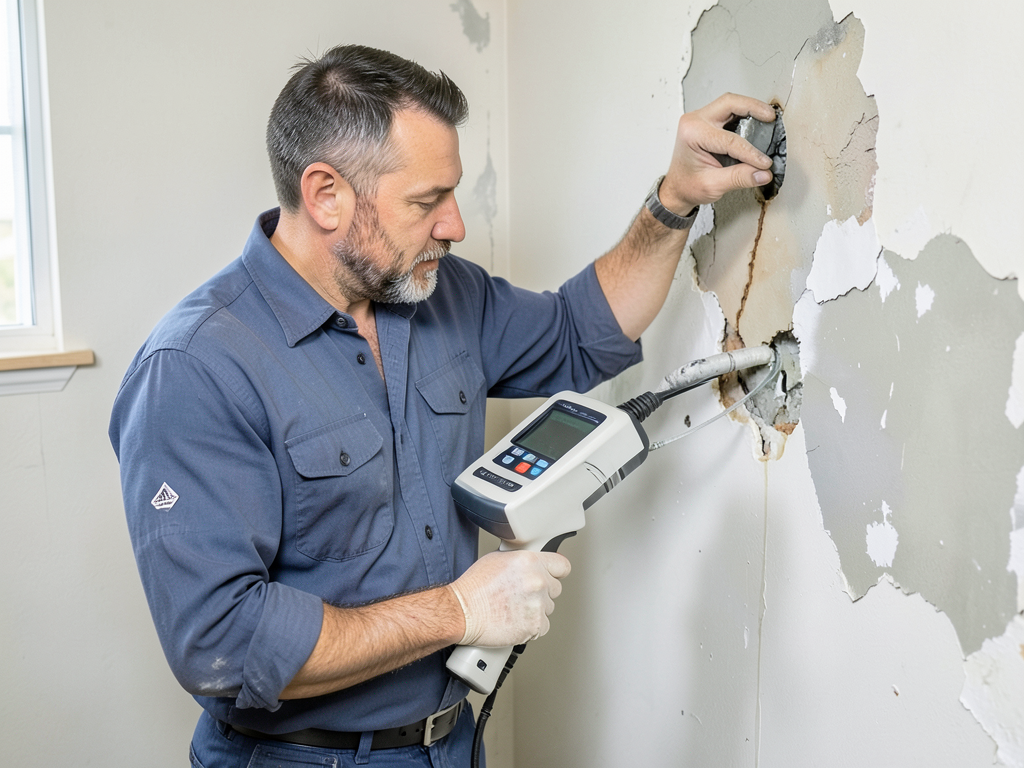
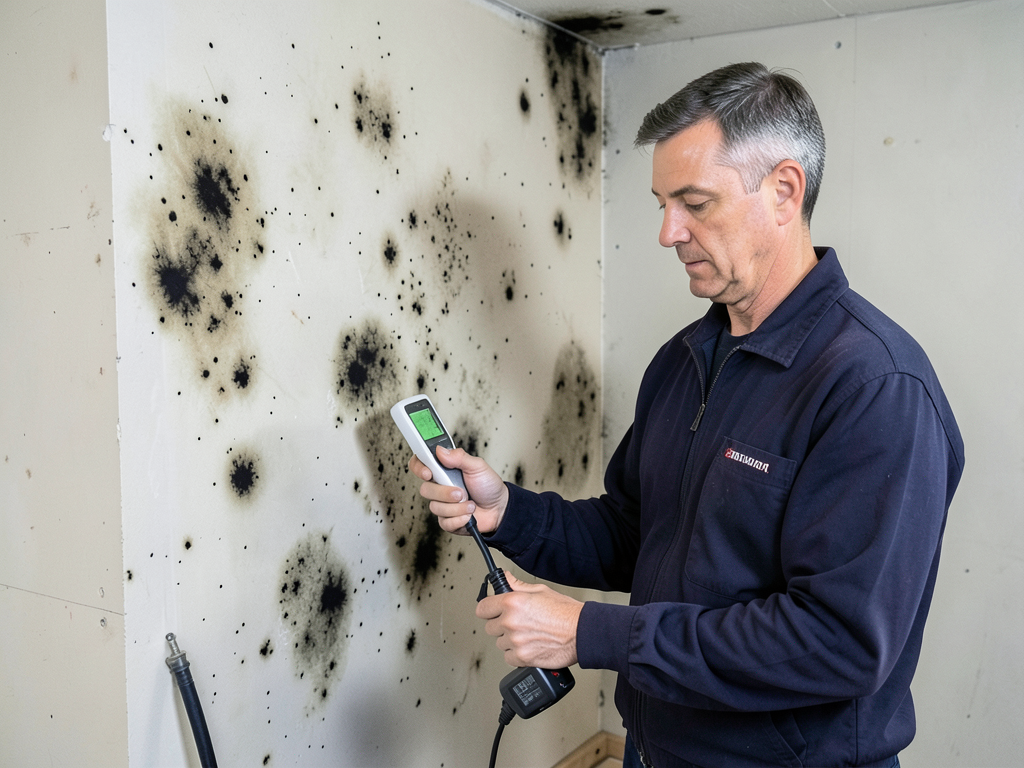
You cannot eyeball dryness. Materials feel dry to touch while still holding damaging moisture levels internally. Professional moisture meters measure water content in wood, drywall, and concrete to confirm complete drying. Infrared cameras identify hidden wet zones behind walls and under floors. The drying process length extends until all materials reach industry-standard dry goals, typically 15 percent moisture content or lower for structural wood.

Columbus properties built on clay soil face additional challenges. Clay holds water and releases it slowly into foundations, creating persistent dampness that extends basement drying timelines by days or weeks.

Why Drying Time Matters More in Columbus Than You Think
How We Calculate and Control Drying Duration

How We Calculate and Control Drying Duration

Five Star Water Damage Restoration Columbus uses psychrometric measurements to establish precise drying goals. We measure temperature, relative humidity, and dew point in affected spaces, then calculate grain depression (the difference between indoor and outdoor moisture levels) to determine optimal drying conditions. This scientific approach eliminates guesswork.

We deploy specific equipment based on these calculations. Low-grain refrigerant dehumidifiers remove moisture efficiently in standard conditions. Desiccant dehumidifiers handle extreme humidity or cold temperatures below 60 degrees. Air movers create turbulent airflow across wet surfaces, increasing evaporation rates by 300 to 500 percent compared to passive drying. We position equipment strategically using computational fluid dynamics principles to maximize air exchange in confined spaces.

Material-specific drying chambers address challenging scenarios. Hardwood floor drying systems inject heated, dehumidified air under flooring to dry from below, preventing cupping while maintaining proper moisture gradients. Wall cavity drying requires controlled airflow behind drywall without causing collapse or mold spread. We drill precise ventilation holes and monitor cavity moisture levels independently from surface readings.

Class and category classifications determine our approach. Class 1 water damage (minimal absorption, small area) typically requires two to three days of drying. Class 2 (significant absorption, large area) extends to three to five days. Class 3 (extensive absorption from overhead sources) often requires five to seven days. Class 4 (specialty materials like hardwood, plaster, or stone) can demand two weeks or longer.

We document the entire water restoration drying timeline with daily moisture readings logged in psychrometric charts. You receive these reports showing measurable progress toward dry goals. When all materials reach target moisture levels on three consecutive readings 24 hours apart, we certify completion and remove equipment.

What Happens During Your Drying Timeline

How Long Does Drying Take in Columbus – Get Accurate Timelines for Every Water Damage Scenario
01

Initial Assessment and Containment

We measure moisture levels in all affected materials within two hours of your call. Thermal imaging identifies wet zones invisible to the naked eye. We establish containment barriers to prevent moisture migration into unaffected areas. Baseline readings create your drying benchmark. We calculate expected structural drying duration based on material types, saturation levels, and current environmental conditions specific to your property.
02

Active Drying and Monitoring

Equipment runs continuously with technicians checking conditions twice daily. We adjust dehumidifier settings and air mover positions based on evolving moisture readings. Psychrometric data tells us when evaporation rates plateau, signaling the need for equipment repositioning or additional extraction. You receive daily updates showing remaining water damage drying time based on current progress rates. We modify the timeline if hidden moisture appears or conditions change.
03

Verification and Completion

Final certification requires three consecutive days of stable, acceptable moisture readings. We document completion with comprehensive moisture maps showing all materials within normal ranges. You receive a certified drying report acceptable to insurance carriers. We explain any areas requiring longer monitoring, such as thick concrete or water-damaged hardwood. Post-drying recommendations address ventilation improvements or waterproofing to prevent recurrence and shorten future drying process length.

Why Columbus Properties Require Local Drying Expertise

Generic drying timelines fail in Columbus because they ignore local variables. National restoration chains apply cookie-cutter protocols developed for average conditions. Those protocols underestimate drying time in our humid climate, leading to premature equipment removal and subsequent mold growth.

We account for Columbus-specific factors other companies miss. Spring rains saturate ground around foundations, creating moisture pressure that prolongs basement drying. Older homes in German Village and Victorian Village contain plaster walls that absorb water differently than modern drywall, requiring adjusted drying techniques and extended timelines. The transition between humid summers and dry winters affects how quickly materials release moisture seasonally.

Columbus building codes influence our methods. We understand local requirements for vapor barriers, insulation replacement, and structural modifications after water damage. This knowledge prevents code violations during reconstruction and ensures proper drying sequences that do not compromise future building performance.

Our relationship with local insurance adjusters streamlines the documentation process. Columbus adjusters recognize our drying protocols and accept our moisture readings without dispute. This familiarity eliminates delays common when out-of-state restoration companies submit unfamiliar documentation formats or use non-standard measurement criteria.

Five Star Water Damage Restoration Columbus maintains equipment inventories sized for local demand patterns. Spring flooding and winter pipe bursts create predictable surge periods. We stock sufficient dehumidifiers and air movers to handle multiple large losses simultaneously, preventing equipment shortages that force extended drying timelines. National chains often redirect equipment to higher-priority markets during regional disasters, leaving Columbus properties waiting days for needed gear.

We provide realistic water restoration drying timeline estimates based on thousands of local jobs. When we tell you five days, it means five days under Columbus conditions, not theoretical laboratory conditions. This accuracy helps you plan displacement, coordinate contractors, and set proper expectations with insurance carriers.

What to Expect During the Drying Process

Realistic Timeline Expectations

Most residential water damage requires three to seven days of active drying. Small, contained incidents like a toilet overflow dry faster. Extensive basement floods or sewage backups extend toward the longer range. Commercial properties with concrete floors and dense materials often need seven to fourteen days. We provide written timeline estimates after initial assessment, updated daily as conditions evolve. Occupancy remains possible during drying in many cases, though noise from air movers and dehumidifiers requires planning. We schedule equipment placement to minimize disruption while maintaining effective drying patterns.

Daily Monitoring and Communication

Technicians visit twice daily to record moisture levels and adjust equipment. Morning checks assess overnight progress. Evening visits optimize settings for the next drying cycle. You receive text or email updates showing current readings compared to target levels. These reports include estimated days remaining based on current drying rates. If moisture readings plateau or increase, we identify the cause immediately, whether hidden water sources, inadequate ventilation, or equipment malfunction. You never wonder about progress or when drying will complete. Transparent data eliminates uncertainty.

Certified Dry Standards

We use Institute of Inspection Cleaning and Restoration Certification standards for moisture goals. Wood framing must reach 15 percent moisture content or lower. Concrete requires specific vapor emission rates depending on planned flooring. Drywall cannot exceed 1 percent moisture variance compared to unaffected control areas. These thresholds prevent mold growth and material degradation over time. We document compliance with detailed moisture maps and photographs showing meter readings on critical materials. This certification protects you from future liability if mold appears months later due to incomplete drying.

Post-Drying Verification and Guidance

Equipment removal occurs only after three consecutive days of acceptable readings. We conduct final verification testing across all previously wet materials to confirm uniform dryness. You receive written certification suitable for insurance claims and future property transactions. We provide guidance on preventing recurrence, including drainage improvements, sump pump maintenance, and humidity control strategies. Follow-up moisture checks are available 30 and 60 days post-drying to verify long-term stability. This ongoing support ensures the water damage drying time investment produces lasting results without surprise complications during reconstruction.

Frequently Asked Questions

You Have Questions,
We Have Answers

How long does normal drying take? +

Water damage drying in Columbus takes 3 to 5 days on average, depending on the extent of damage and materials affected. Hardwood floors and drywall take longer than tile or concrete. Columbus humidity, which spikes in summer, can extend drying times. Professional equipment like air movers and dehumidifiers accelerates the process. Basements in older Columbus homes with poor ventilation may need 5 to 7 days. Structural drying is not complete until moisture meters read below 15 percent. Rushing the process invites mold growth within 24 to 48 hours. Always verify dryness with proper equipment before reconstruction begins.

Is 40 minutes enough for a dryer? +

No, 40 minutes is not enough to dry water-damaged materials in Columbus homes. Structural drying differs completely from laundry drying. Drywall, insulation, and subflooring hold moisture deep within. Surface dryness misleads homeowners. Professional drying equipment runs continuously for days, not minutes. Even small water intrusions require 72 hours minimum to dry properly. Columbus basement flooding cases often need longer due to concrete moisture retention. Moisture meters must confirm dryness below 15 percent before stopping equipment. Stopping too early causes hidden mold growth, buckled floors, and structural rot. Trust the equipment and testing, not the clock.

Is it normal for a dryer to take 3 hours? +

If your home dryer takes 3 hours, you have a ventilation problem or appliance failure. For water damage restoration in Columbus, 3 hours of drying equipment runtime is just the beginning. Structural drying requires days, not hours. Air movers and dehumidifiers run 24 hours daily for 3 to 5 days minimum. Hardwood floors in Columbus Victorian homes may need longer due to tongue-and-groove construction trapping moisture. The timeline depends on material type, water category, and humidity levels. Daily moisture readings guide the process. Stop when readings stabilize below acceptable thresholds, not based on hours elapsed.

Is 30 minutes enough to dry clothes? +

No, 30 minutes never dries water-damaged structures in Columbus. This timeframe applies to laundry, not water restoration. Drywall absorbs water like a sponge and needs 3 to 5 days with professional equipment. Columbus homes with plaster walls take even longer due to density. Carpet padding holds water for days without proper extraction and airflow. Even small leaks penetrate subflooring and wall cavities within hours. Mold starts growing in 24 to 48 hours if moisture remains. Proper drying requires industrial dehumidifiers, air movers, and daily moisture testing. Never assume dryness without meter verification.

How quickly should hair dry? +

Hair drying has no connection to structural water damage drying in Columbus homes. Hair takes 5 to 15 minutes with a blow dryer. Building materials take days. Drywall holds moisture deep within gypsum cores. Wood framing swells and retains water between fibers. Columbus basement concrete wicks moisture from the ground, complicating drying times. Professional restoration uses thermal imaging to find hidden moisture pockets. Air movers create airflow across surfaces while dehumidifiers remove humidity from the air. The process continues until moisture content drops below industry standards. Hair dries fast. Buildings do not.

Is 2 hours too long to dry clothes? +

For appliances, 2 hours drying clothes signals a maintenance problem. For water damage restoration in Columbus, 2 hours accomplishes nothing. Structural materials need 72 hours minimum with professional equipment running continuously. Columbus homes built before 1980 often have multiple lumber species that dry at different rates. Insulation stays wet longest and often requires removal. Hardwood floors need slow, controlled drying to prevent cupping or crowning. Dehumidifiers remove gallons of water daily from the air. Moisture meters track progress in walls, floors, and ceilings. Restoration completes when readings stabilize, which takes days, not hours.

How Columbus Humidity Extends Water Damage Drying Time Year-Round

Columbus sits in a humid continental climate zone where moisture lingers. Summer dew points regularly reach 65 to 70 degrees, creating outdoor air more humid than indoor air during drying operations. This reversal forces reliance on dehumidification rather than ventilation, extending structural drying duration compared to arid climates. Fall and spring bring frequent rain events that maintain high ambient humidity for weeks. Even winter indoor humidity rises from heating systems and poor ventilation in older homes. These conditions mean professional equipment runs longer and costs more, but attempting passive drying risks mold colonization before materials dry naturally.

Five Star Water Damage Restoration Columbus understands these regional challenges from years of local experience. We account for seasonal humidity variations when estimating the drying process length. Our equipment selections match Columbus conditions specifically. We maintain relationships with local industrial hygienists and mold remediation specialists for complex cases requiring coordination. Columbus building inspectors recognize our documentation standards and moisture measurement protocols, smoothing permit approvals for properties requiring reconstruction after water damage. This local integration accelerates your entire recovery timeline beyond just the drying phase.
Water Damage Restoration Services in The Columbus Area

We proudly serve the wider Columbus area and its surrounding communities. Our centrally located office allows our emergency response teams to reach your property quickly, no matter where you are. We are committed to being a reliable resource for our neighbors, and our responsive team is always on standby to provide professional assistance when you need it most. We believe that local expertise and a quick response are crucial when dealing with water damage, so we encourage you to view our service area to see if we can help.

Address:
Five Star Water Damage Restoration Columbus, 601 N High St, Columbus, OH, 43215

Additional Services We Offer

Our news updates

Latest Articles & News from The Blogs

Dealing with water damage when you live in a Columbus HOA or condo association Water damage in a Columbus condo…

Dealing with water damage when you live in a Columbus HOA or condo association

Dealing with water damage when you live in a Columbus HOA or condo association Water damage in a Columbus condo…

The real difference between common mildew and dangerous black mold in Eastmoor homes

The real difference between common mildew and dangerous black mold in Eastmoor homes Eastmoor homeowners often spot dark patches in…

Testing your sump pump before the spring rains hit the South Side

Testing your sump pump before the spring rains hit the South Side \n\n Heavy spring rains combined with the clay-rich…

Contact Us

Stop guessing when your property will be dry. Call Five Star Water Damage Restoration Columbus at (614) 707-7505 for professional moisture assessment and realistic timeline estimates. We provide written projections based on actual conditions, not generic formulas.