Menu

How to Handle Insurance Claims in Columbus – Get Your Water Damage Covered Fast with Expert Documentation

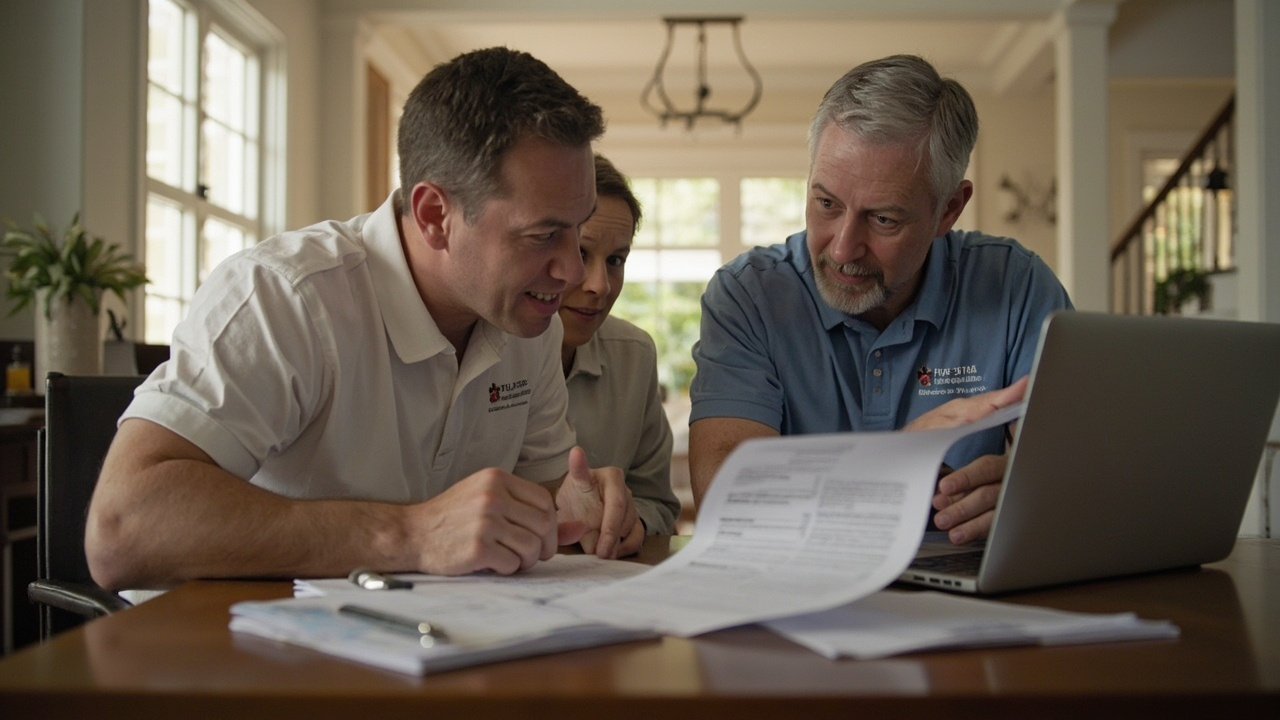
Filing a water damage claim doesn't have to be overwhelming. Our Columbus team guides you through every step of the water damage insurance claim process, from initial documentation to final settlement, ensuring you get the coverage you deserve.

Slider Image 1
Slider Image 2
Slider Image 3
Slider Image 4
Slider Image 5
Slider Image 7
Slider Image 8
Slider Image 9
Slider Image 10
Slider Image 11

Why Columbus Homeowners Struggle with Water Damage Claims

Columbus sits at the confluence of the Scioto and Olentangy Rivers, making flooding and water intrusion a recurring threat for homes in neighborhoods like Franklinton, the Brewery District, and German Village. When water hits your property, the clock starts ticking. Not just on structural damage, but on your window to file a successful insurance claim.

Most homeowners make critical mistakes in the first 48 hours. They clean up before documenting damage. They don't understand what their policy actually covers. They accept the first lowball offer from an adjuster. The water damage insurance claim process is designed to protect the insurer's bottom line, not yours.

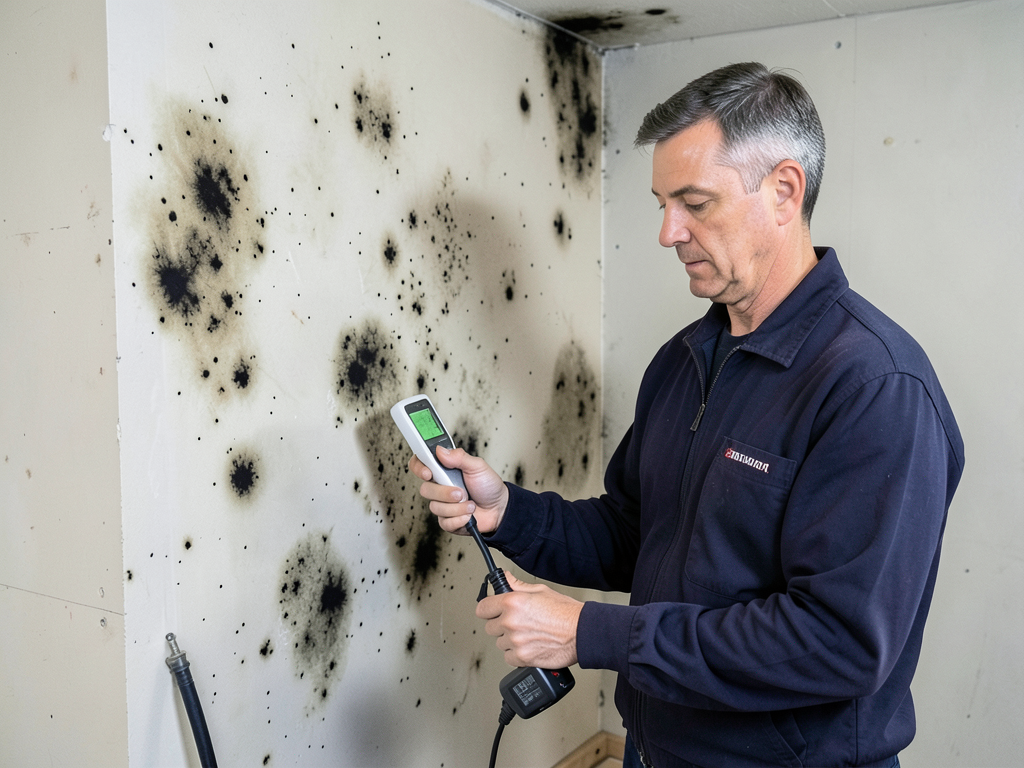
Columbus's humid summers compound the problem. Surface water from a burst pipe might look manageable, but hidden moisture in crawl spaces or behind drywall breeds mold within 72 hours. Your claim needs to account for both immediate visible damage and secondary issues that develop later. Filing a water damage claim requires forensic documentation, moisture mapping with thermal imaging, and detailed loss inventories that match your policy language word for word.

The difference between a $5,000 settlement and a $25,000 settlement often comes down to how you document initial damage, who performs the mitigation, and whether you understand depreciation schedules versus actual cash value. Navigating water restoration claims means speaking the language of your policy and providing evidence that adjusters cannot dispute.

Why Columbus Homeowners Struggle with Water Damage Claims
The Right Way to Document and File Your Claim

The Right Way to Document and File Your Claim

The water damage insurance claim process starts before you call your insurer. First, stop the water source if safe to do. Then document everything with photos and video from multiple angles. Capture the water source, standing water depth, affected materials, and any visible staining or swelling. Time-stamp everything.

Next, review your policy declarations page. Know your coverage limits, your deductible, and what perils are covered. Standard homeowners policies cover sudden and accidental water damage like burst pipes or appliance failures. They typically exclude gradual seepage, flooding from external sources, or maintenance issues. If you have a sump pump failure during a storm, you need specific endorsement coverage.

When you file, provide detailed written notice within the timeframe specified in your policy, usually 24 to 72 hours. Use certified mail or your insurer's online portal to create a paper trail. Include the date, time, cause, and scope of damage. Attach your initial photo documentation.

Managing water mitigation claims means understanding the difference between emergency mitigation and full restoration. Your policy requires you to prevent further damage, which means extracting water, setting up air movers, and applying antimicrobial treatments immediately. Save every receipt. These emergency services are usually covered separately from reconstruction costs.

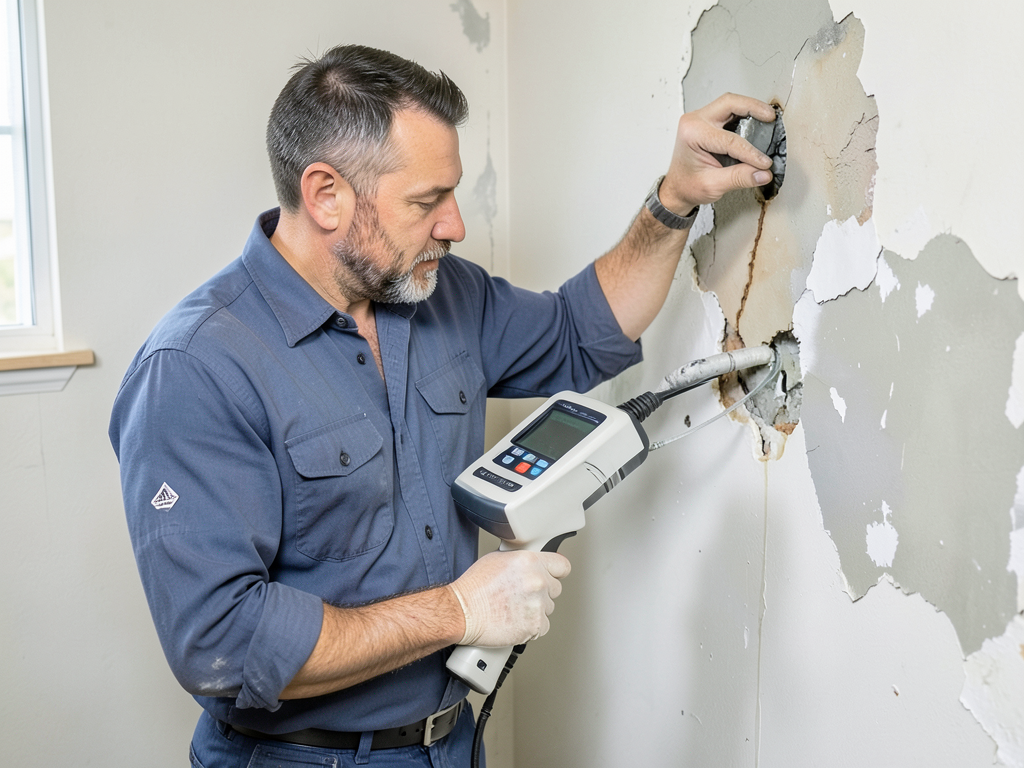
Work with restoration contractors who understand insurance protocols. They document moisture readings using FLIR cameras and penetrating moisture meters. They create detailed scope-of-loss reports that match Xactimate estimating software, the industry standard most adjusters use. This eliminates disputes over pricing and ensures you're not leaving money on the table.

Your Step-by-Step Claims Process

How to Handle Insurance Claims in Columbus – Get Your Water Damage Covered Fast with Expert Documentation
01

Initial Damage Assessment

We arrive within hours to perform a comprehensive moisture assessment using thermal imaging and penetrating moisture meters. Every affected area is photographed, measured, and documented in a detailed loss report that meets insurance adjuster standards. We map hidden moisture in wall cavities, subfloors, and ceilings to ensure your claim captures the full scope of damage, not just visible surface issues.
02

Insurance Communication and Advocacy

We communicate directly with your adjuster, providing detailed Xactimate estimates, moisture logs, and progress photos. Our team understands policy language and knows what documentation adjusters require to approve line items. We handle the back-and-forth negotiations, supplemental claim requests, and depreciation disputes so you don't have to translate insurance jargon or fight for coverage you're entitled to receive.
03

Settlement and Final Approval

Once mitigation and restoration are complete, we provide a final reconciliation report showing all completed work, final costs, and supporting documentation for your claim settlement. We help you understand your depreciation holdback and what's needed to release those funds. You receive a detailed breakdown of what your insurance covered, what you paid out of pocket, and documentation for tax purposes if needed.

Why Columbus Homeowners Trust Five Star Water Damage Restoration Columbus with Their Claims

Insurance claims fail because of poor documentation, missed deadlines, and misunderstanding policy language. We've worked with every major carrier operating in Franklin County, from Nationwide headquarters right here in Columbus to State Farm, Allstate, and regional insurers. We know what each carrier requires, what they typically dispute, and how to structure documentation that gets approved the first time.

Columbus's housing stock ranges from 19th-century brick Italianates in Victorian Village to mid-century ranches in Clintonville to new construction in New Albany. Each building type responds differently to water intrusion. Historic homes with plaster walls and horsehair insulation require specialized drying protocols that must be documented for claims approval. Modern homes with engineered lumber and spray foam insulation have different moisture retention characteristics that affect claim scope.

Our technicians hold IICRC certifications in Water Damage Restoration and Applied Structural Drying. We use the same Xactimate software that adjusters use, which means our estimates match their format, codes, and pricing databases. This eliminates the most common reason for claim delays: pricing disputes between contractors and adjusters.

We also understand Ohio's specific insurance regulations. Ohio Revised Code Section 3937.18 requires insurers to acknowledge claims within 15 days and pay or deny within 30 days of receiving proof of loss. If your claim is wrongfully delayed or denied, we provide the documentation you need to escalate to the Ohio Department of Insurance.

Tips for water damage insurance claims include never signing a proof of loss until all damage is documented, never accepting the first settlement offer without review, and never allowing an insurer to select your contractor. You have the right to choose who repairs your home.

What to Expect During the Claims Process

Immediate Response and Mitigation

We dispatch to your Columbus property within two hours of your call. Emergency mitigation begins immediately with water extraction, structural drying, and antimicrobial treatment to prevent mold growth. This phase typically takes three to five days depending on the extent of saturation and affected materials. We document daily moisture readings and provide updates to you and your adjuster. Emergency mitigation costs are usually covered under your policy's loss-of-use or additional living expenses provisions, separate from your main dwelling coverage limits.

Adjuster Site Visit and Estimate Review

Your insurance adjuster will schedule a site inspection, usually within three to seven days of filing. We coordinate with the adjuster to ensure they see all affected areas, including hidden damage behind walls or under flooring. We provide moisture readings, thermal images, and a detailed Xactimate estimate on-site. If the adjuster's initial estimate is incomplete, we immediately file a supplement request with supporting documentation. Most disagreements involve scope differences, not pricing, so having forensic moisture documentation is critical to getting supplements approved.

Restoration and Quality Control

Once your claim is approved, we begin reconstruction. This includes replacing damaged drywall, insulation, flooring, trim, and any structural components compromised by water. We match existing materials and finishes to maintain your home's value. Our project managers document every phase with photos for your final claim reconciliation. We perform final moisture verification testing to confirm all materials are dried to industry standards before closing walls. You receive a complete record of all work performed, which protects you if secondary issues emerge later.

Post-Claim Documentation and Follow-Up

After restoration is complete, we provide you with a comprehensive project binder containing all invoices, moisture logs, photo documentation, and correspondence with your insurer. This documentation is critical for releasing any depreciation holdback your insurer withheld from the initial settlement. We also provide a certificate of completion and can facilitate post-restoration inspection by your insurer if required. If you experience any issues within the first year, we return to assess whether they're related to the original claim, which may trigger a supplemental claim.

Frequently Asked Questions

You Have Questions,
We Have Answers

What not to say during an insurance claim? +

Avoid saying you assume something is covered, admitting fault, or exaggerating damage. Do not speculate about the cause if you are unsure. Stick to facts only. Never sign anything without reading it carefully or say the damage is minor before a professional assessment. In Columbus, where water damage from basement flooding or pipe bursts is common, document everything with photos and timestamps. Let your restoration contractor and adjuster determine the scope. Do not volunteer opinions about age or prior issues unless directly asked. Stay factual and let the evidence speak.

What is the 80% rule in insurance? +

The 80% rule requires you to insure your property for at least 80% of its replacement value to receive full claim payouts. If you underinsure, the carrier pays a reduced percentage, even on partial losses. In Columbus, rising construction costs and older home stock mean this rule catches homeowners off guard. If your home is worth $200,000 to replace, you need at least $160,000 in coverage. Review your policy annually. After water damage or major repairs, update your coverage limits to reflect current replacement costs, not original purchase price.

What are the 3 D's of insurance claims? +

The 3 D's are Duties, Documentation, and Damages. Duties refer to your obligations under the policy, like prompt notification and cooperating with the investigation. Documentation means photos, receipts, witness statements, and repair estimates. Damages are the actual losses, both direct and consequential. In Columbus, where storms and aging infrastructure cause sudden water intrusion, capturing evidence immediately is critical. Take wide shots and close-ups. Save all invoices. This framework keeps your claim organized and gives your adjuster what they need to approve payment quickly.

What are the 7 rules of insurance? +

The 7 rules include utmost good faith, insurable interest, indemnity, subrogation, contribution, proximate cause, and loss minimization. Utmost good faith means honesty from both parties. Insurable interest requires you own what you insure. Indemnity prevents profit from loss. Subrogation lets the insurer recover costs from liable parties. Contribution applies when multiple policies cover the same loss. Proximate cause determines what triggered the damage. Loss minimization obligates you to prevent further harm. In Columbus, you must act fast after water damage to mitigate losses, or your claim could be reduced for negligence.

What is the 3/6 second rule? +

The 3/6 second rule is not a standard insurance term. You may be confusing it with driving safety guidelines or claims processing timelines. If you meant the notice requirement, most policies demand you report claims within a reasonable timeframe, typically days or weeks, not seconds. In Columbus, after water damage from a burst pipe or storm, notify your carrier immediately, ideally within 24 hours. Delays can jeopardize coverage. Contact your insurer and a restoration company right away to start documentation and mitigation. Speed protects your claim and your property.

What's the biggest mistake people often make when dealing with an insurance claim? +

The biggest mistake is failing to document damage thoroughly before cleanup begins. Homeowners panic and start removing water or tearing out drywall before taking photos or waiting for the adjuster. In Columbus, where basements flood after heavy rains, this happens constantly. Once evidence is gone, it is your word against the adjuster's skepticism. Take wide and close-up photos, video walk-throughs, and notes. Document the water source, affected areas, and personal property. Call a restoration contractor who understands insurance protocols to guide you through evidence preservation while mitigating further damage.

What is the golden rule of insurance? +

The golden rule is insure to the value, not the price. You must carry enough coverage to replace what you own, not what you paid for it years ago. In Columbus, older homes and inflation mean replacement costs exceed purchase prices. Review your policy limits annually. After water damage, your coverage determines if you can restore fully or face out-of-pocket gaps. Understand your deductible, exclusions, and whether you have replacement cost or actual cash value coverage. Read your policy before disaster strikes. Knowledge protects you when you need it most.

Is it better to have a $500 deductible or $1 000 health insurance? +

This question applies to health insurance, not property or water damage claims. For homeowners insurance, deductible choice depends on your risk tolerance and savings. A $500 deductible means lower out-of-pocket costs per claim but higher premiums. A $1,000 deductible reduces monthly premiums but increases your upfront expense. In Columbus, where water damage claims are common, weigh how much you can afford immediately against long-term savings. If you have an emergency fund, a higher deductible saves money over time. If not, a lower deductible provides peace of mind after a basement flood or pipe burst.

What is the 1 N rule in insurance? +

The 1 N rule is not a standard insurance principle. You may be referring to a specific carrier's internal guideline or confusing terms. If you meant the rule of indemnity, it states you cannot profit from a loss, only be restored to your pre-loss condition. In Columbus, after water damage, your payout reflects repair costs, not inflated claims. If you meant a claims frequency rule, multiple claims in a short period can raise premiums or cause non-renewal. Always verify terms with your agent or policy documents to avoid confusion and ensure you understand your coverage.

What are 5 reasons a claim may be denied? +

Claims get denied for late reporting, policy exclusions, lack of documentation, failure to mitigate, and misrepresentation. If you wait too long to file or do not prevent further damage, the carrier can reduce or deny payment. In Columbus, flood damage from groundwater is often excluded unless you have separate flood insurance. Missing photos or receipts weaken your case. Lying about the cause or extent voids coverage entirely. Read your policy, report immediately, document everything, take action to stop ongoing damage, and be truthful. These steps protect your claim and your home.

How Columbus's River Proximity Affects Water Damage Coverage

Columbus sits in the Scioto River watershed, with the Scioto and Olentangy Rivers converging downtown. Neighborhoods like Franklinton have flooded repeatedly, most recently during 2020 storms that inundated basements and crawl spaces. Standard homeowners insurance excludes flooding from external sources like river overflow or storm surge. You need separate NFEMA flood insurance to cover rising water from outside your foundation. However, if river flooding causes your sump pump to fail and water backs up through floor drains, that internal water damage may be covered under your standard policy. The distinction matters enormously when filing a water damage claim. Columbus homeowners in FEMA flood zones X and AE need to understand the difference between groundwater intrusion and plumbing failures.

Franklin County building codes require specific waterproofing standards for basements and crawl spaces, particularly in flood-prone areas. When navigating water restoration claims, restoration work must meet current code, even if your home was built decades ago. We're familiar with Columbus's code enforcement procedures and can document code-required upgrades that your insurer must cover as part of restoration. Our relationships with local adjusters, public adjusters, and insurance agents throughout the Columbus metro area mean we understand what local claim trends look like and what documentation Columbus-area adjusters expect. This local expertise translates directly into faster claim approvals and higher settlement amounts.
Water Damage Restoration Services in The Columbus Area

We proudly serve the wider Columbus area and its surrounding communities. Our centrally located office allows our emergency response teams to reach your property quickly, no matter where you are. We are committed to being a reliable resource for our neighbors, and our responsive team is always on standby to provide professional assistance when you need it most. We believe that local expertise and a quick response are crucial when dealing with water damage, so we encourage you to view our service area to see if we can help.

Address:
Five Star Water Damage Restoration Columbus, 601 N High St, Columbus, OH, 43215

Additional Services We Offer

Our news updates

Latest Articles & News from The Blogs

Dealing with water damage when you live in a Columbus HOA or condo association Water damage in a Columbus condo…

Dealing with water damage when you live in a Columbus HOA or condo association

Dealing with water damage when you live in a Columbus HOA or condo association Water damage in a Columbus condo…

The real difference between common mildew and dangerous black mold in Eastmoor homes

The real difference between common mildew and dangerous black mold in Eastmoor homes Eastmoor homeowners often spot dark patches in…

Testing your sump pump before the spring rains hit the South Side

Testing your sump pump before the spring rains hit the South Side \n\n Heavy spring rains combined with the clay-rich…

Contact Us

Don't let a water damage claim overwhelm you. Call Five Star Water Damage Restoration Columbus at (614) 707-7505 right now. We'll walk you through the filing process, document your damage correctly, and fight for the settlement you deserve.