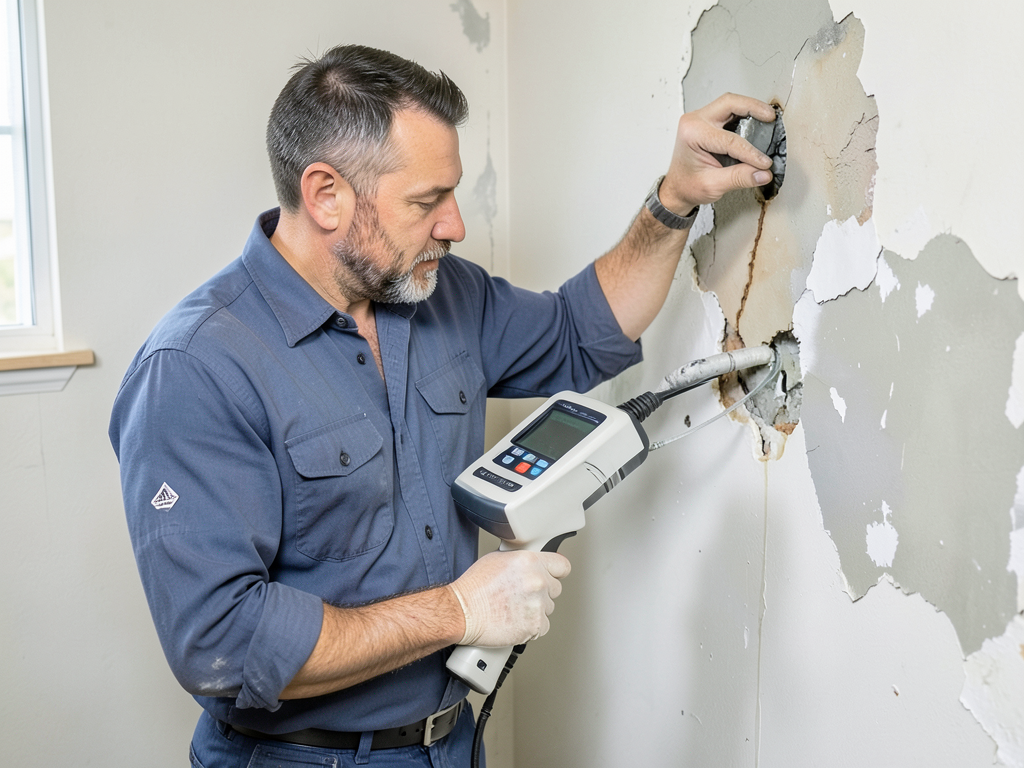
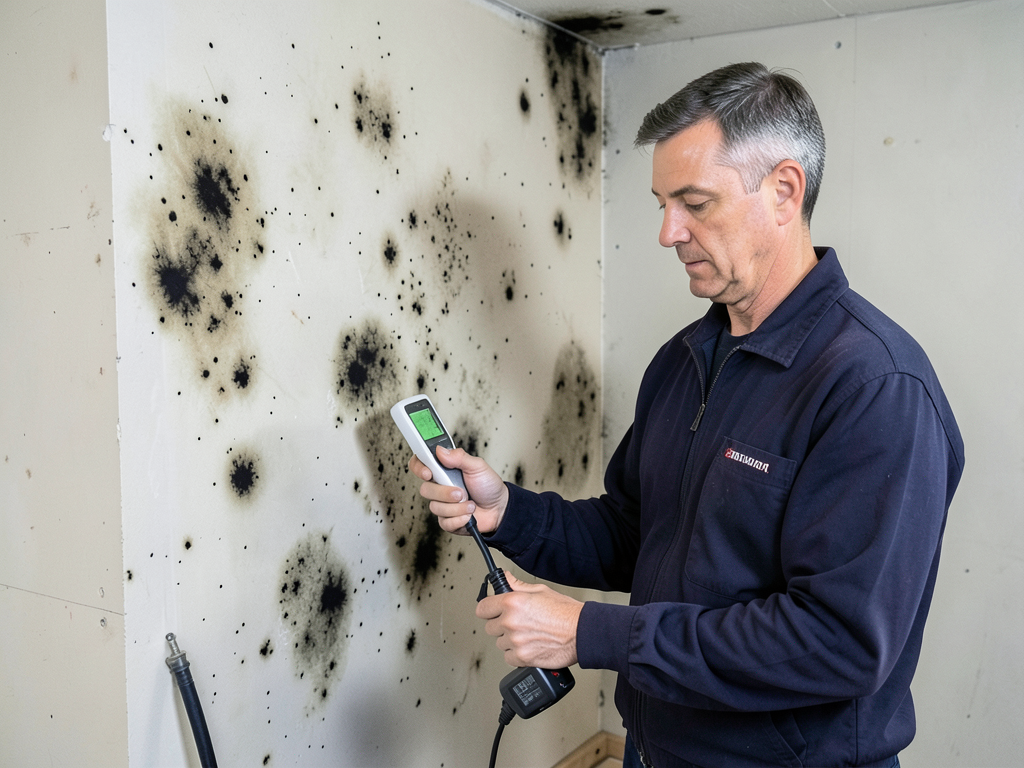
Columbus industrial zones concentrate along the Scioto River and Alum Creek floodplains, where land costs favor warehouse and manufacturing development. Spring storms and rapid snowmelt cause flash flooding that overwhelms stormwater systems in older industrial parks near Whitehall and the Brewery District. When the Scioto crests above flood stage, facilities along Greenlawn Avenue and South High Street face groundwater intrusion through floor drains and foundation cracks. Columbus's combined sewer overflow system exacerbates flooding in industrial areas during heavy rain, backing contaminated water into low-lying buildings. Industrial drying services must account for sediment contamination and bacterial loads when floodwater originates from the Scioto River basin.
Columbus facilities must comply with Ohio EPA discharge regulations when extracting and disposing of contaminated water from commercial properties. Local providers understand Franklin County health department protocols for food processing plants and medical warehouses requiring specialized cleaning after water damage. Five Star Water Damage Restoration Columbus maintains relationships with city inspectors who review commercial drying documentation for code compliance. This local expertise prevents permit delays and ensures your restoration meets municipal standards for returning the facility to service. When insurance carriers question mitigation approaches or dispute claim amounts, local contractors provide credible testimony based on Columbus-specific building practices and flood risk factors.