
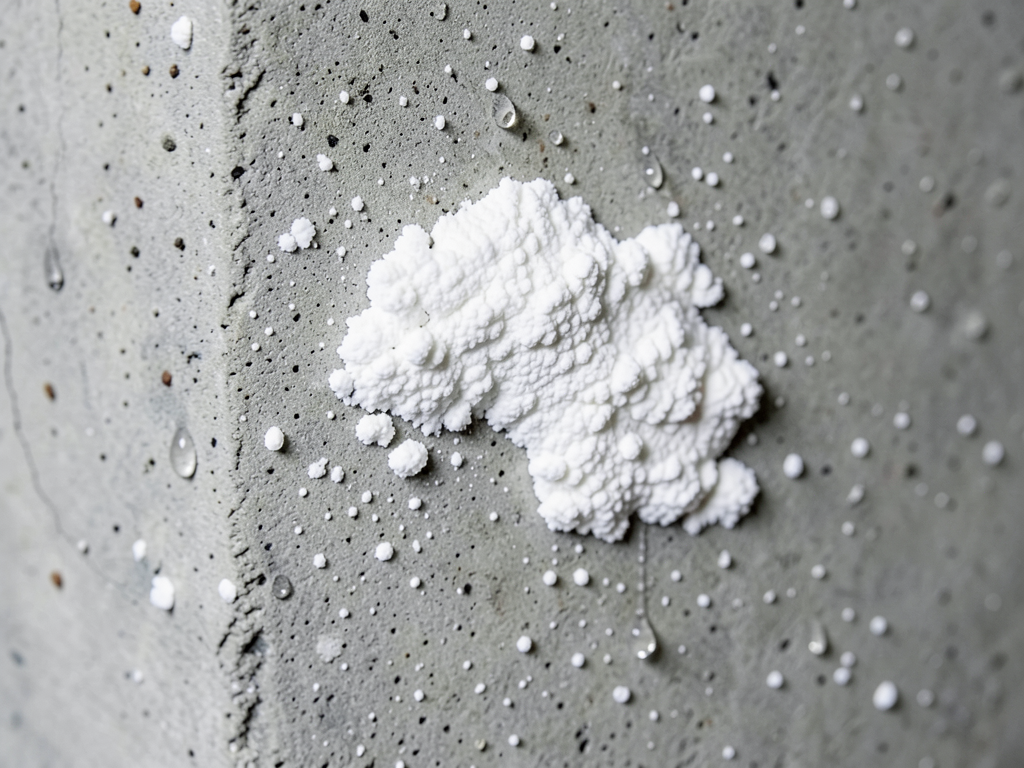
Is that white stuff on your basement walls mold or just efflorescence?
The white powdery substance on your basement walls can trigger immediate concern for Columbus homeowners. Before you panic about toxic mold spreading through your home you need to know what you’re actually dealing with. Mold and efflorescence can look similar to the untrained eye but they represent completely different problems requiring different solutions.. Read more about Why moisture problems in Weinland Park homes often lead to carpenter ant infestations.
Mold is a living organism that feeds on organic materials and can cause serious health issues. Efflorescence is simply salt deposits left behind when water evaporates through concrete or masonry. Both indicate moisture problems in your basement but only one poses a direct health risk to your family. Professional water damage restoration for Short North shops and galleries.
This guide will help you identify which substance you’re seeing and explain why the distinction matters for your Columbus home. We’ll show you simple tests you can perform yourself and help you understand when it’s time to call in professionals.
Quick Comparison: Mold vs Efflorescence
| Characteristic | Mold | Efflorescence |
|---|---|---|
| Color | Green black brown or multicolored | White gray or light yellow |
| Texture | Fuzzy slimy or powdery | Powdery crystalline or chalky |
| Water Reaction | Does not dissolve in water | Dissolves completely in water |
| Health Risk | High – can cause respiratory issues | Low – primarily cosmetic |
| Food Source | Organic materials (wood paper dust) | Mineral salts in masonry |
| Removal | Requires professional remediation | Can be brushed or washed away |
What is Efflorescence?
Efflorescence occurs when water moves through porous masonry materials like concrete blocks brick or stone. As water travels through these materials it dissolves naturally occurring salts. When the water reaches the surface and evaporates it leaves behind white mineral deposits.
In Columbus efflorescence is particularly common due to our region’s clay-heavy soil and seasonal moisture patterns. The high hydrostatic pressure in our area forces water through basement walls carrying dissolved salts that crystallize on the surface.
The process works like this: groundwater saturates the soil around your foundation. Water pressure pushes moisture through tiny pores in your concrete walls. As this mineral-laden water reaches the surface evaporation leaves behind calcium carbonate and other salts that form the characteristic white powdery coating.
Common areas to find efflorescence in Columbus homes include:
- Basement walls in older neighborhoods like German Village and Clintonville
- Concrete block foundations in mid-century homes
- Areas near downspouts or where surface water collects
- Basements with poor exterior drainage
What is Mold?
Mold is a type of fungus that grows in multicellular filaments called hyphae. Unlike efflorescence mold requires organic material to survive and reproduce. In basements mold typically feeds on dust wood framing paper products or even the cellulose in drywall.
Mold reproduces by releasing microscopic spores into the air. These spores are always present in the environment and can remain dormant until they encounter the right conditions: moisture organic food and temperatures between 40-100°F. What to do right now if your Dublin basement just flooded.
Columbus’s humid summers and wet springs create ideal conditions for mold growth. When basements experience water intrusion from heavy rains or high humidity mold can establish itself within 24-48 hours on any suitable surface.
Common mold indicators include:
- Musty odors that persist even after cleaning
- Discoloration that appears in patches or streaks
- Growth that feels fuzzy or slimy to the touch
- Areas near previous water damage or leaks
The Water Test: How to Tell the Difference
The most reliable way to distinguish between mold and efflorescence is the water solubility test. This simple diagnostic method can save you from unnecessary remediation costs. Reliable help for Westerville homeowners dealing with a failed sump pump.
- Dampen a Cotton Swab
Moisten a clean cotton swab with water.
- Apply to the Growth
Gently dab the white substance with the damp swab.
- Observe the Results
If the substance dissolves and disappears it’s efflorescence. If it remains unchanged it’s likely mold.
For a more thorough test you can use the spray bottle method:
- Fill a spray bottle with clean water
- Spray a small area of the white substance
- Observe what happens over 5-10 minutes
- Efflorescence will dissolve and may run down the wall as a milky solution
- Mold will remain unchanged or may appear to spread slightly
Additional diagnostic methods include:
- The Finger Rub Test – Efflorescence feels powdery and comes off easily on your finger. Mold may feel slightly sticky or leave a stain.
- The Bleach Test – Apply a small amount of diluted bleach (1 part bleach to 10 parts water). Mold will typically lighten in color while efflorescence remains unchanged.
- Odor Assessment – Efflorescence has no smell. Mold typically produces a musty earthy odor.
Why the Distinction Matters for Columbus Homeowners
Understanding whether you’re dealing with mold or efflorescence is crucial because the implications and required actions differ significantly. In Columbus where many homes have block foundations and experience seasonal moisture issues this distinction becomes even more important.
Efflorescence indicates a water intrusion problem that could lead to structural issues over time. The presence of salts suggests that water is actively moving through your foundation walls which can cause:
- Deterioration of mortar joints in older brick foundations
- Corrosion of metal reinforcement in concrete
- Potential freeze-thaw damage during Ohio winters
- Reduced effectiveness of waterproofing systems
Mold on the other hand poses immediate health concerns. According to the EPA mold exposure can cause:
- Respiratory symptoms like coughing and wheezing
- Eye nose and throat irritation
- Headaches and fatigue
- Worsening of asthma symptoms
- Potential long-term effects in sensitive individuals
Columbus’s climate creates unique challenges. Our clay soil expands when wet and contracts when dry creating pressure cycles that force water through foundation walls. Combined with our humid summers and freeze-thaw winters this creates perfect conditions for both efflorescence formation and mold growth.
Local building practices also matter. Many Columbus homes built before the 1980s used concrete block foundations without modern waterproofing. These older foundations are particularly susceptible to both efflorescence and mold when water intrusion occurs.
Common Causes of Moisture Problems in Columbus Basements
Understanding the root causes of moisture helps you prevent both efflorescence and mold growth. Common issues in the Columbus area include:
Poor Surface Drainage – When downspouts discharge too close to the foundation or when yards slope toward the house water collects around basement walls. This is especially problematic in neighborhoods with older infrastructure like Victorian Village or the Short North.
High Water Table – Central Ohio’s geology includes layers of clay and shale that can hold significant groundwater. During wet seasons this water table rises and increases hydrostatic pressure on basement walls.
Cracked Foundations – Ohio’s freeze-thaw cycles cause concrete and mortar to expand and contract. Over time this creates cracks that allow water infiltration. Homes in areas with older infrastructure like German Village often show these age-related issues.
Plumbing Leaks – Supply line breaks or drain line leaks in walls or under slabs can create persistent moisture sources that promote mold growth while leaving efflorescence deposits.
Condensation – During humid summer months cool basement walls can cause moisture in the air to condense on surfaces. This creates the moisture needed for both mold growth and efflorescence formation.
When to Call a Professional
While the water test can help you identify what you’re seeing certain situations require professional assessment. Call a professional if you observe:
Large Areas of Growth – If the white substance covers more than 10 square feet professional assessment is recommended. This could indicate a significant moisture problem requiring comprehensive solutions.
Health Symptoms – If family members experience unexplained respiratory issues headaches or allergy-like symptoms that improve when away from home professional mold testing may be necessary.
Previous Water Damage – If you’ve had recent flooding plumbing leaks or other water events professional assessment can identify hidden mold growth behind walls or under flooring.
Structural Concerns – If you notice cracks bowing walls or other structural issues along with the white substance you need both moisture and structural assessment.
Uncertainty About Results – If you’re unsure about your test results or if the substance doesn’t clearly match either description professional testing can provide definitive answers.
Professional assessment typically includes moisture meter readings thermal imaging to detect hidden moisture and laboratory analysis if needed. This comprehensive approach ensures you’re addressing the right problem with the right solution.
Prevention and Maintenance Strategies
Whether you’re dealing with efflorescence or mold preventing moisture intrusion is the key to long-term basement health. Here are effective strategies for Columbus homeowners:
Exterior Solutions
- Ensure downspouts extend at least 6 feet from the foundation
- Grade soil to slope away from the house at 1 inch per foot for 6 feet
- Install or maintain exterior foundation waterproofing
- Repair cracks in foundation walls promptly
Interior Solutions
- Install a dehumidifier to maintain relative humidity below 60%
- Use vapor barriers on crawl space floors
- Ensure proper ventilation in utility areas
- Install a sump pump if your basement experiences periodic flooding
Maintenance Practices
- Clean gutters twice yearly to prevent overflow
- Inspect basement walls quarterly for new moisture signs
- Address plumbing leaks immediately
- Test sump pumps regularly during rainy seasons
For Columbus homes seasonal maintenance is particularly important. Before spring rains hit check that your drainage systems are clear. Before winter freeze ensure exterior grading hasn’t settled to create negative drainage.
Professional Remediation Options
If testing confirms mold presence or if efflorescence indicates significant moisture problems professional remediation may be necessary. The approach depends on your specific situation: Mold Remediation & Removal.
Mold Remediation follows IICRC S520 standards and typically includes:
- Containment of affected areas to prevent spore spread
- HEPA filtration during removal process
- Removal and disposal of contaminated materials
- Cleaning of salvageable surfaces with antimicrobial treatments
- Post-remediation verification testing
Efflorescence and Moisture Control may involve:
- Installation of interior drainage systems
- Application of waterproofing sealants to foundation walls
- Repair of exterior drainage issues
- Installation of vapor barriers or dehumidification systems
Professional services can also help with insurance documentation if your moisture problems resulted from covered events like storm damage or plumbing failures. Fixing storm and flood damage in Hilliard after heavy rains.
Frequently Asked Questions
Can efflorescence turn into mold?
No efflorescence and mold are completely different substances. Efflorescence is mineral salt deposits while mold is a living organism. However the moisture that causes efflorescence can also create conditions suitable for mold growth if organic materials are present.
Is efflorescence dangerous to my health?
Efflorescence itself is not harmful to human health. The white powdery substance is simply dried mineral salts. However it indicates moisture problems that could lead to mold growth or structural issues if left unaddressed.
How long does it take for mold to grow after water damage?
Under ideal conditions mold can begin growing within 24-48 hours of water exposure. This is why rapid response to water damage is critical. The sooner you can dry affected areas the less likely mold will establish itself.
Will painting over efflorescence solve the problem?
No painting over efflorescence only provides a temporary cosmetic fix. The underlying moisture problem will continue and the salts will eventually push through the paint causing it to bubble and peel. You must address the moisture source first.
How much does professional mold testing cost in Columbus?
Professional mold testing in Columbus typically ranges from $300-$600 for a basic assessment depending on the size of the area and number of samples needed. Comprehensive testing with multiple samples and laboratory analysis can cost $800-$1500.
Can I clean efflorescence myself?
Yes you can clean efflorescence with a dry brush or vacuum. For stubborn deposits a solution of white vinegar and water (1:1 ratio) can help dissolve the salts. However cleaning doesn’t address the underlying moisture problem that caused it.
Take Action Today
Don’t let uncertainty about that white substance in your basement lead to bigger problems. Whether you’re dealing with efflorescence or mold the moisture that caused it needs to be addressed before it leads to structural damage or health issues.
If you’re still unsure after performing the water test or if you’re concerned about the extent of the problem call (614) 707-7505 today to schedule a professional inspection. Our certified technicians can quickly identify what you’re dealing with and recommend the most effective solution.
Early intervention saves money and prevents the stress of dealing with major water damage or mold remediation later. Pick up the phone and call (614) 707-7505 before the next storm hits or before that small moisture problem becomes a major headache.
Your basement’s health affects your entire home’s value and your family’s wellbeing. Don’t wait until small problems become expensive disasters. Call (614) 707-7505 now for peace of mind and professional expertise you can trust.
Five Star Water Damage Restoration Columbus – Serving all of Franklin County with 24/7 emergency response. Your local experts in water damage mold remediation and moisture control solutions. For more information, visit EPA mold information. For more information, visit IICRC S520 standards.
{
“@context”: “https://schema.org”,
“@type”: “BlogPosting”,
“headline”: “Is that white stuff on your basement walls mold or just efflorescence?”,
“description”: “Columbus homeowners need to know if basement white patches are mold or efflorescence. Learn the water test and when to call (614) 707-7505 for professional inspection.”,
“wordCount”: 2143,
“datePublished”: “2026-05-04T06:07:00.000Z”,
“dateModified”: “2026-05-04T06:07:00.000Z”,
“inLanguage”: “en-US”,
“mainEntityOfPage”: {
“@type”: “WebPage”,
“@id”: “https://fivestarwaterdamagerestorationcolumbus.com”
},
“publisher”: {
“@type”: “LocalBusiness”,
“name”: “Five Star Water Damage Restoration Columbus”,
“url”: “https://fivestarwaterdamagerestorationcolumbus.com”
},
“author”: {
“@type”: “Organization”,
“name”: “Five Star Water Damage Restoration Columbus”,
“url”: “https://fivestarwaterdamagerestorationcolumbus.com”
},
“image”: {
“@type”: “ImageObject”,
“url”: “https://fivestarwaterdamagerestorationcolumbus.com/wp-content/uploads/2026/03/is-that-white-stuff-on-your-basement-walls-mold-or-1.png”
}
}
{
“@context”: “https://schema.org”,
“@type”: “LocalBusiness”,
“name”: “Five Star Water Damage Restoration Columbus”,
“url”: “https://fivestarwaterdamagerestorationcolumbus.com”,
“address”: {
“@type”: “PostalAddress”,
“addressLocality”: “Columbus”
},
“areaServed”: {
“@type”: “City”,
“name”: “Columbus”
}
}
{
“@context”: “https://schema.org”,
“@type”: “FAQPage”,
“mainEntity”: [
{
“@type”: “Question”,
“name”: “What is Efflorescence?”,
“acceptedAnswer”: {
“@type”: “Answer”,
“text”: “Efflorescence occurs when water moves through porous masonry materials like concrete blocks brick or stone. As water travels through these materials it dissolves naturally occurring salts. When the water reaches the surface and evaporates it leaves behind white mineral deposits.”
}
},
{
“@type”: “Question”,
“name”: “What is Mold?”,
“acceptedAnswer”: {
“@type”: “Answer”,
“text”: “Mold is a type of fungus that grows in multicellular filaments called hyphae. Unlike efflorescence mold requires organic material to survive and reproduce. In basements mold typically feeds on dust wood framing paper products or even the cellulose in drywall.”
}
},
{
“@type”: “Question”,
“name”: “Can efflorescence turn into mold?”,
“acceptedAnswer”: {
“@type”: “Answer”,
“text”: “No efflorescence and mold are completely different substances. Efflorescence is mineral salt deposits while mold is a living organism. However the moisture that causes efflorescence can also create conditions suitable for mold growth if organic materials are present.”
}
},
{
“@type”: “Question”,
“name”: “Is efflorescence dangerous to my health?”,
“acceptedAnswer”: {
“@type”: “Answer”,
“text”: “Efflorescence itself is not harmful to human health. The white powdery substance is simply dried mineral salts. However it indicates moisture problems that could lead to mold growth or structural issues if left unaddressed.”
}
},
{
“@type”: “Question”,
“name”: “How long does it take for mold to grow after water damage?”,
“acceptedAnswer”: {
“@type”: “Answer”,
“text”: “Under ideal conditions mold can begin growing within 24-48 hours of water exposure. This is why rapid response to water damage is critical. The sooner you can dry affected areas the less likely mold will establish itself.”
}
},
{
“@type”: “Question”,
“name”: “Will painting over efflorescence solve the problem?”,
“acceptedAnswer”: {
“@type”: “Answer”,
“text”: “No painting over efflorescence only provides a temporary cosmetic fix. The underlying moisture problem will continue and the salts will eventually push through the paint causing it to bubble and peel. You must address the moisture source first.”
}
},
{
“@type”: “Question”,
“name”: “How much does professional mold testing cost in Columbus?”,
“acceptedAnswer”: {
“@type”: “Answer”,
“text”: “Professional mold testing in Columbus typically ranges from $300-$600 for a basic assessment depending on the size of the area and number of samples needed. Comprehensive testing with multiple samples and laboratory analysis can cost $800-$1500.”
}
},
{
“@type”: “Question”,
“name”: “Can I clean efflorescence myself?”,
“acceptedAnswer”: {
“@type”: “Answer”,
“text”: “Yes you can clean efflorescence with a dry brush or vacuum. For stubborn deposits a solution of white vinegar and water (1:1 ratio) can help dissolve the salts. However cleaning doesn’t address the underlying moisture problem that caused it.”
}
}
]
}
{
“@context”: “https://schema.org”,
“@type”: “HowTo”,
“name”: “Water Test for Mold vs Efflorescence”,
“step”: [
{
“@type”: “HowToStep”,
“position”: 1,
“name”: “Dampen a Cotton Swab”,
“text”: “Moisten a clean cotton swab with water.”
},
{
“@type”: “HowToStep”,
“position”: 2,
“name”: “Apply to the Growth”,
“text”: “Gently dab the white substance with the damp swab.”
},
{
“@type”: “HowToStep”,
“position”: 3,
“name”: “Observe the Results”,
“text”: “If the substance dissolves and disappears it’s efflorescence. If it remains unchanged it’s likely mold.”
}
],
“image”: “https://fivestarwaterdamagerestorationcolumbus.com/wp-content/uploads/2026/03/is-that-white-stuff-on-your-basement-walls-mold-or-1.png”
}
{
“@context”: “https://schema.org”,
“@type”: “BreadcrumbList”,
“itemListElement”: [
{
“@type”: “ListItem”,
“position”: 1,
“name”: “Home”,
“item”: “https://fivestarwaterdamagerestorationcolumbus.com”
},
{
“@type”: “ListItem”,
“position”: 2,
“name”: “Blog”,
“item”: “https://fivestarwaterdamagerestorationcolumbus.com/blog”
},
{
“@type”: “ListItem”,
“position”: 3,
“name”: “Is that white stuff on your basement walls mold or just efflorescence?”
}
]
}
{
“@context”: “https://schema.org”,
“@type”: “Service”,
“serviceType”: “Water Damage Restoration”,
“provider”: {
“@type”: “LocalBusiness”,
“name”: “Five Star Water Damage Restoration Columbus”,
“url”: “https://fivestarwaterdamagerestorationcolumbus.com”
},
“areaServed”: {
“@type”: “City”,
“name”: “Columbus”
},
“description”: “Columbus homeowners need to know if basement white patches are mold or efflorescence. Learn the water test and when to call (614) 707-7505 for professional inspection.”
}