Menu

Large Scale Water Extraction in Columbus | Industrial-Grade Response That Protects Your Business Continuity

When your commercial facility floods, every hour of downtime costs money. Our large scale water extraction services deploy high-capacity pumps and industrial dehumidification systems to restore operations fast, minimize business interruption, and protect your bottom line across Columbus.

Slider Image 1
Slider Image 2
Slider Image 3
Slider Image 4
Slider Image 5
Slider Image 7
Slider Image 8
Slider Image 9
Slider Image 10
Slider Image 11

When Commercial Flooding Threatens Your Columbus Operation

A burst pipe in a manufacturing facility. A roof failure during heavy rain at a warehouse. A sprinkler system malfunction in a retail space. Any of these scenarios can dump thousands of gallons into your commercial property within minutes, creating a crisis that threatens inventory, equipment, and operations.

Columbus's position at the confluence of the Scioto and Olentangy Rivers creates elevated flood risk for commercial properties in low-lying industrial zones near the riverbeds. The city's aging commercial infrastructure, particularly in the Brewery District and downtown core, increases vulnerability to supply line failures and drainage system overloads during storm events.

Large loss water mitigation requires different equipment, methodology, and expertise than residential extraction. You cannot remove 10,000 gallons from a 50,000 square foot space with standard extraction tools. High volume water pumping demands industrial-grade truck-mounted pumps, commercial dehumidifiers rated for large spaces, and coordinated teams that understand commercial building systems.

The longer water sits, the more your loss compounds. Inventory becomes unsalvageable. Machinery corrodes. Structural materials absorb moisture, leading to mold growth that can shut down operations for weeks. For food service operations, healthcare facilities, or manufacturing plants, even 24 hours of standing water creates regulatory compliance issues that extend downtime.

Industrial water extraction is not about drying out a basement. It is about deploying the capacity and coordination needed to extract bulk water fast, stabilize the environment, and get your business operational again. Every hour matters when payroll continues and revenue stops.

When Commercial Flooding Threatens Your Columbus Operation
How We Execute Commercial Water Removal at Scale

How We Execute Commercial Water Removal at Scale

Five Star Water Damage Restoration Columbus approaches bulk water removal services with a capacity-first methodology. We deploy truck-mounted extraction units capable of removing thousands of gallons per hour, not residential equipment scaled up inadequately.

Our process begins with source control. We identify and stop the water source, whether that means coordinating with your facility manager to shut down HVAC systems, isolating supply lines, or working with the city to address external flooding sources. We cannot extract faster than water enters.

Next comes strategic extraction zoning. We assess your facility layout, identify priority areas based on equipment value and operational criticality, and deploy extraction resources accordingly. A server room takes precedence over a storage area. Production floors get addressed before administrative spaces. We make calculated decisions that align with your business priorities.

For standing water, we use submersible pumps and trash pumps rated for debris-laden water. For absorbed moisture in concrete slabs, we deploy weighted extraction tools that pull water from porous materials. For airborne humidity, we position commercial dehumidifiers that process hundreds of pints per day, not the 50-pint residential units that cannot handle industrial volumes.

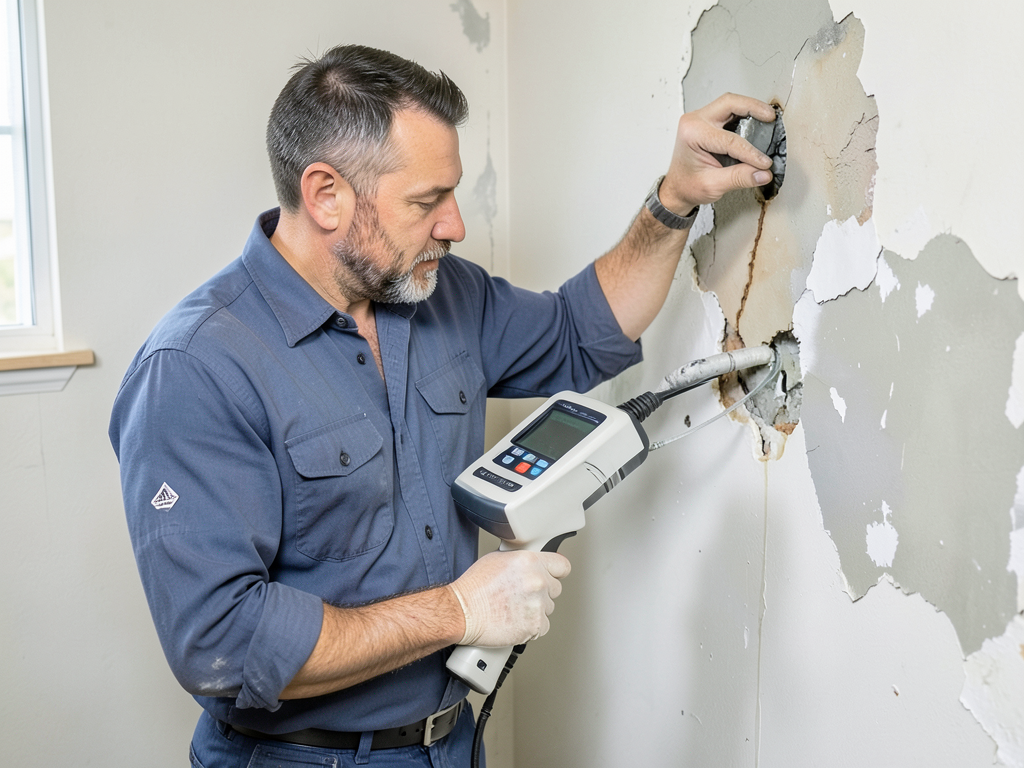
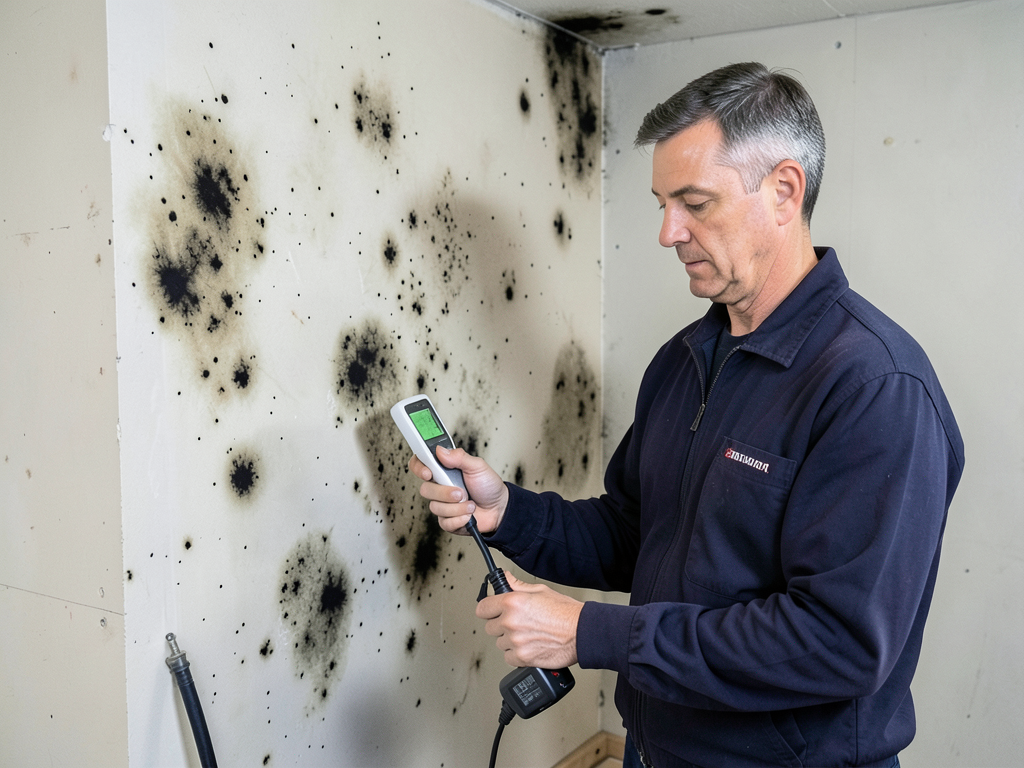
We monitor extraction progress using thermal imaging and moisture meters calibrated for commercial materials. Concrete, metal, and industrial flooring require different drying protocols than residential drywall. We adjust equipment placement and airflow based on real-time readings, not guesswork.

Throughout the process, we document everything for your insurance claim. Commercial water removal claims require detailed loss documentation, equipment inventories, and timeline records. We photograph conditions, log equipment deployment, and provide the paper trail your adjuster needs.

What Happens During Your Commercial Water Emergency

Large Scale Water Extraction in Columbus | Industrial-Grade Response That Protects Your Business Continuity
01

Immediate Site Assessment

Our team arrives on site and conducts a rapid assessment of water volume, affected square footage, and structural risks. We identify electrical hazards, compromised flooring, and ceiling saturation that threatens collapse. This assessment determines equipment needs and crew size. For facilities over 20,000 square feet, we bring multiple extraction units and coordinate team positioning to address the entire space simultaneously, not sequentially.
02

High Volume Extraction

We position truck-mounted pumps and deploy submersible units to remove standing water. Hoses run directly to storm drains or designated discharge points, moving thousands of gallons off site. For absorbed moisture, we use weighted extraction wands on carpeting and specialized tools for concrete moisture. Industrial dehumidifiers establish negative air pressure to prevent moisture migration into unaffected areas. This phase continues around the clock until free water is eliminated.
03

Environmental Stabilization

After bulk water removal, we transition to drying and monitoring. Air movers create circulation patterns that accelerate evaporation from materials and surfaces. Dehumidifiers pull moisture from the air to prevent condensation and secondary damage. We take moisture readings every 12 hours and adjust equipment based on drying progress. Once readings reach acceptable levels for your building materials, we conduct a final inspection and provide certification documentation for insurance and regulatory purposes.

Why Columbus Businesses Choose Five Star for Large Loss Events

Commercial water extraction is not a service you want to source during a crisis. The companies that show up with residential equipment and promise to "make it work" cost you days of additional downtime when their undersized dehumidifiers fail to dry a 30,000 square foot warehouse.

Five Star Water Damage Restoration Columbus maintains an equipment inventory designed for commercial scale. We own the truck-mounted pumps, industrial dehumidifiers, and air movement systems required for facilities over 10,000 square feet. When you call, you get our equipment, not a promise to rent it from somewhere else.

We understand Columbus commercial building codes and the documentation requirements for insurance claims on commercial properties. Franklin County requires specific protocols for water damage in food service facilities, healthcare buildings, and structures with historical designation. We know these requirements and build compliance into our extraction process, preventing regulatory delays that extend your shutdown.

Our teams have extracted water from manufacturing plants in the Rickenbacker Industrial Park, retail spaces downtown, and distribution centers along the I-270 corridor. We have worked with national retailers, local manufacturers, and property management companies responsible for multi-tenant commercial buildings. Each project type presents different challenges, and we have solved them.

When your facility floods, you need a company that can mobilize the right equipment immediately and execute a coordinated extraction plan. You need documentation that satisfies your insurance carrier. You need a team that understands the difference between drying out a house and stabilizing a commercial operation. That is what we deliver.

What to Expect When You Contact Us

Response Time and Availability

We maintain 24/7 dispatch for commercial water emergencies. When you call, you speak with someone who can mobilize equipment immediately, not an answering service that takes a message. Our target is boots on the ground within two hours for Columbus metro properties. For large loss events requiring multiple trucks and crews, we coordinate response to ensure all equipment arrives together, eliminating the inefficiency of piecemeal deployment. We understand that midnight flooding requires the same rapid response as a Tuesday morning incident. Your business does not shut down at 5 PM, and neither does our availability.

Initial Facility Evaluation

Our site assessment identifies water volume, moisture penetration depth, and affected square footage. We use thermal imaging to detect hidden moisture in walls and ceiling cavities that standard visual inspection misses. We test moisture content in flooring, drywall, and insulation to establish baseline readings that guide our drying strategy. For commercial properties with sensitive equipment or inventory, we zone the facility and prioritize extraction based on your operational needs. This assessment typically takes 30 to 45 minutes and produces a written scope that outlines equipment deployment, estimated timeline, and project phases.

Completion Standards and Verification

We do not consider a project complete until moisture readings reach acceptable levels for your specific building materials and use case. Concrete slabs in a warehouse have different dry standards than drywall in office spaces. We provide written documentation of final moisture levels, equipment removal dates, and certification that the environment is stable. For commercial properties, this documentation is critical for insurance claims and regulatory compliance. We also photograph conditions at project start, during extraction, and at completion to create a visual record of the work performed and results achieved.

Post-Extraction Monitoring and Support

After equipment removal, we offer follow-up moisture testing at 48 and 72 hours to verify that conditions remain stable and no hidden moisture sources have emerged. This is particularly important for facilities with complex HVAC systems or below-grade spaces where moisture can resurface. If you discover additional issues or have questions about reconstruction contractors, we provide consultation to ensure repairs address underlying moisture problems, not just cosmetic damage. Our goal is to prevent callback situations where inadequate drying leads to mold growth or structural issues weeks after we leave.

Frequently Asked Questions

You Have Questions,
We Have Answers

How to purify water on a large scale? +

Large scale water purification involves multi-stage filtration, chemical treatment, and UV disinfection. Municipal systems use coagulation, sedimentation, sand filtration, and chlorination to treat millions of gallons daily. Commercial facilities require similar protocols but scaled to operational needs. In Columbus, industrial water treatment must comply with Ohio EPA standards for discharge and reuse. If you face contaminated water from flooding or infrastructure failure, commercial extraction services remove compromised water before it spreads pathogens or damages equipment. Professional grade pumps, dehumidifiers, and filtration systems restore water quality and prevent liability exposure faster than DIY methods.

How to soak up large amounts of water? +

Industrial grade pumps and extractors remove large water volumes from commercial properties. Truck-mounted extractors handle thousands of gallons per hour, while submersible pumps work in flooded basements or facilities. Commercial dehumidifiers pull remaining moisture from air and materials. In Columbus, where sudden storms and plumbing failures cause rapid flooding, response time determines damage scope. Professional teams deploy trailer-mounted extraction units, air movers, and moisture detection equipment to prevent mold growth and structural compromise. Standing water creates liability risks and operational downtime. Commercial extraction removes water before it penetrates HVAC systems, electrical panels, or inventory.

How to remove large amounts of water? +

Remove large water volumes using submersible pumps, wet vacuums, and truck-mounted extractors. Commercial operations require industrial equipment rated for continuous duty and high flow rates. After extraction, air movers and dehumidifiers eliminate residual moisture that causes secondary damage. Columbus businesses face flooding from pipe bursts, roof failures, and stormwater infiltration. Professional extraction teams assess water category (clean, gray, or black), deploy appropriate equipment, and document removal for insurance claims. DIY methods lack the capacity and speed to prevent mold colonization, which begins within 24 to 48 hours. Commercial extraction minimizes downtime and protects business continuity.

What is an example of a large scale water diversion project? +

The California Aqueduct represents large scale water diversion, moving 4.4 million acre-feet annually across 444 miles. Similarly, the Central Arizona Project diverts Colorado River water through 336 miles of canals. These projects redirect water from source regions to urban and agricultural zones. Columbus relies on the Scioto and Olentangy Rivers, with the Dublin Road Water Plant treating 120 million gallons daily. While unrelated to commercial water damage extraction, understanding municipal water infrastructure helps businesses plan for supply interruptions. When flooding or contamination affects your facility, professional extraction protects operations and prevents cross-contamination with potable water systems.

How to purify 100 gallons of water? +

Purifying 100 gallons requires filtration, chemical treatment, or UV sterilization. Commercial reverse osmosis systems process this volume in hours, removing contaminants to EPA standards. For emergency situations, add 8 drops of unscented bleach per gallon, stir, and wait 30 minutes. Boiling kills pathogens but does not remove chemical contaminants. Columbus businesses storing water for operations or emergencies need NSF-certified systems that handle local water hardness and seasonal sediment. If flooding contaminates stored water, professional extraction and disposal prevents health code violations. Do not attempt to salvage contaminated water without proper testing and treatment protocols.

Can you drink any water with LifeStraw? +

LifeStraw filters remove bacteria and parasites but do not eliminate viruses, chemicals, or heavy metals. The device works for backcountry streams but fails in industrial or urban contamination scenarios. Columbus businesses cannot rely on consumer-grade filters for water emergencies. Floodwater contains sewage, industrial chemicals, and pathogens that bypass basic filtration. Commercial water damage requires professional assessment and extraction. Black water from sewage backups or river flooding creates liability exposure and health code violations. Attempting to filter or reuse contaminated water risks employee safety and regulatory penalties. Professional extraction removes compromised water and restores safe conditions.

How do I get rid of standing water in my yard? +

Remove standing yard water by grading soil away from structures, installing French drains, or pumping to storm drains. Columbus clay soils drain poorly, creating persistent pooling after rain. Commercial properties face liability when standing water breeds mosquitoes or creates slip hazards. For large volumes, rent trash pumps or hire extraction services with truck-mounted equipment. Ensure discharge complies with local stormwater ordinances. If water persists, subsurface drainage systems or catch basins redirect flow. Professional grading corrects slope issues that channel water toward buildings. Standing water near foundations increases basement flooding risk and compromises structural integrity.

How do you extract heavy water? +

Heavy water (deuterium oxide) extraction uses distillation, electrolysis, or chemical exchange to separate isotopes. Industrial processes enrich deuterium concentration through repeated cycles. This technical question appears unrelated to commercial water damage but demonstrates the complexity of specialized extraction. Columbus businesses facing contaminated water need industrial pumps and filtration systems, not laboratory isotope separation. Professional water extraction removes thousands of gallons from flooded facilities using submersible pumps and truck-mounted equipment. The physics remain simple: move water from point A to point B before it causes structural damage, mold growth, or operational downtime.

How to get rid of water weight super fast? +

Water weight reduction involves restricting sodium, increasing potassium intake, staying hydrated, and reducing carbohydrates. This health question does not relate to commercial water extraction. Columbus businesses searching this term likely need information on removing water from facilities, not bodies. Commercial water damage creates liability exposure and threatens operations. Professional extraction teams deploy industrial pumps and dehumidifiers to remove water before it causes structural failure or mold colonization. Response time determines total loss. Standing water damages flooring, walls, and equipment within hours. Focus on protecting your business assets, not temporary water weight fluctuations.

How do preppers purify water? +

Preppers purify water using filtration, boiling, chemical treatment, or UV sterilization. Ceramic filters remove bacteria and sediment. Bleach or iodine tablets disinfect water chemically. Boiling for one minute kills pathogens. These methods suit emergency preparedness but fail in commercial water damage scenarios. Columbus businesses facing flooding or contamination need professional extraction, not survival tactics. Black water from sewage or industrial sources requires specialized equipment and disposal protocols. DIY purification does not address structural moisture, mold growth, or liability exposure. Professional extraction teams remove contaminated water, dry affected areas, and document the process for insurance claims and regulatory compliance.

Why Columbus's Floodplain Location Demands Industrial-Grade Extraction Capacity

Columbus sits at the intersection of two major river systems, placing thousands of commercial properties within FEMA-designated flood zones. The Scioto River basin and Olentangy River corridor create elevated groundwater tables that affect commercial buildings in Franklinton, the Arena District, and industrial areas east of Port Columbus. During heavy rain events, these zones experience rapid water table rise that overwhelms foundation drainage systems and causes groundwater infiltration. Commercial facilities in these areas cannot rely on standard extraction methods because water volume exceeds residential equipment capacity. Industrial water extraction with high-capacity pumps becomes necessary, not optional, when dealing with flood-related commercial losses in these zones.

Columbus's commercial property market includes significant aging infrastructure, particularly in converted industrial buildings now used for retail, office, and mixed-use purposes. These buildings often have outdated drainage systems and supply lines that fail under stress. Five Star Water Damage Restoration Columbus understands these structural vulnerabilities because we have worked extensively in these building types. We know where commercial buildings are most likely to experience failures, how Columbus's clay soil affects foundation water intrusion, and what Franklin County building codes require for commercial water damage restoration. This local knowledge translates into faster problem identification and more effective extraction strategies tailored to Columbus's commercial building stock.
Water Damage Restoration Services in The Columbus Area

We proudly serve the wider Columbus area and its surrounding communities. Our centrally located office allows our emergency response teams to reach your property quickly, no matter where you are. We are committed to being a reliable resource for our neighbors, and our responsive team is always on standby to provide professional assistance when you need it most. We believe that local expertise and a quick response are crucial when dealing with water damage, so we encourage you to view our service area to see if we can help.

Address:
Five Star Water Damage Restoration Columbus, 601 N High St, Columbus, OH, 43215

Additional Services We Offer

Our news updates

Latest Articles & News from The Blogs

Dealing with water damage when you live in a Columbus HOA or condo association Water damage in a Columbus condo…

Dealing with water damage when you live in a Columbus HOA or condo association

Dealing with water damage when you live in a Columbus HOA or condo association Water damage in a Columbus condo…

The real difference between common mildew and dangerous black mold in Eastmoor homes

The real difference between common mildew and dangerous black mold in Eastmoor homes Eastmoor homeowners often spot dark patches in…

Testing your sump pump before the spring rains hit the South Side

Testing your sump pump before the spring rains hit the South Side \n\n Heavy spring rains combined with the clay-rich…

Contact Us

Every minute counts when water threatens your operation. Call Five Star Water Damage Restoration Columbus now at (614) 707-7505 for immediate commercial water extraction. We deploy the equipment and expertise your business needs to minimize downtime and protect your assets.