Menu

Mold Remediation & Removal in Columbus – Fast, Safe Abatement for Your Home or Business

Five Star Water Damage Restoration Columbus provides complete mold remediation and removal services, protecting your property and health with certified decontamination protocols and rapid response throughout the Columbus metro.

Slider Image 1
Slider Image 2
Slider Image 3
Slider Image 4
Slider Image 5
Slider Image 7
Slider Image 8
Slider Image 9
Slider Image 10
Slider Image 11

Why Columbus Properties Face Persistent Mold Problems

Columbus sits in a humid continental climate zone where summer humidity regularly exceeds 70 percent and winter freeze-thaw cycles create perfect conditions for mold growth. The Scioto and Olentangy rivers create additional moisture pressure in neighborhoods like German Village, Clintonville, and the Brewery District. When water intrusion happens, whether from a burst pipe, roof leak, or basement flooding, mold colonies can establish within 24 to 48 hours.

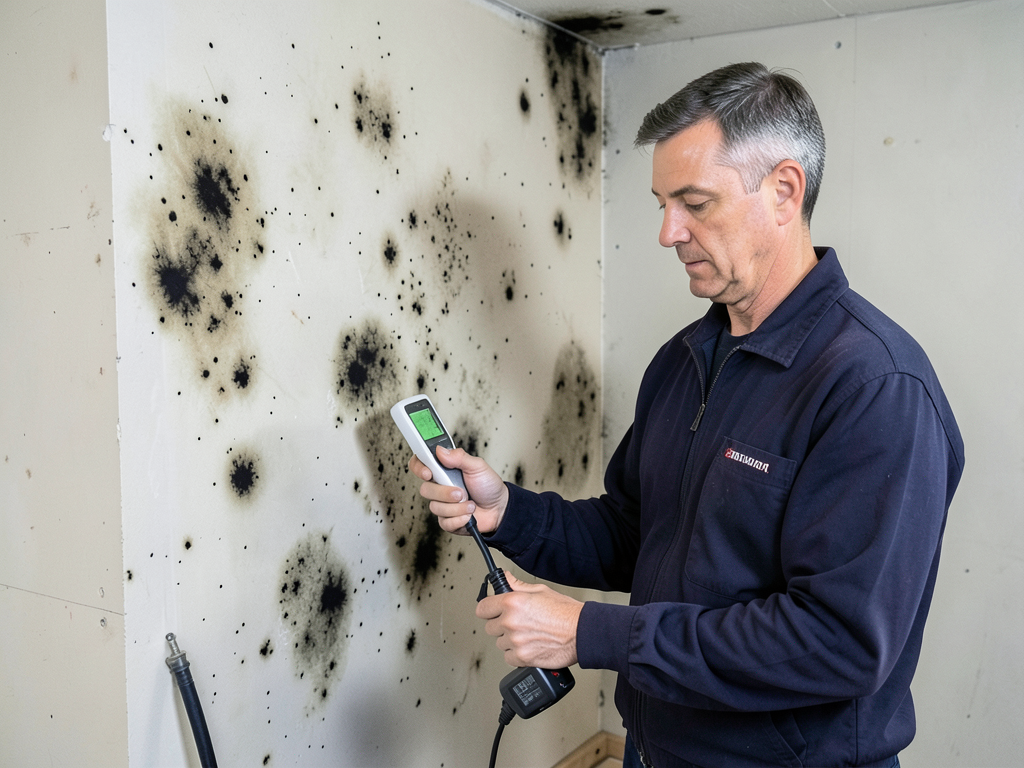
You might notice a musty smell in your basement, dark spots spreading across drywall, or respiratory symptoms that worsen indoors. These are signs that mold mitigation needs to happen immediately. Columbus homes built before 1980 often have poor vapor barriers and outdated HVAC systems that trap moisture rather than expel it. Commercial properties in the Short North or Arena District face similar risks when roof drains clog or HVAC condensate lines fail.

Professional mold removal addresses the root cause, not just the visible growth. Surface cleaning with bleach does nothing to eliminate spores embedded in porous materials like drywall, insulation, or subflooring. Mold abatement requires containment barriers, HEPA filtration, antimicrobial treatments, and controlled removal of contaminated materials. Without proper mold cleanup services, spores spread through your HVAC system and recolonize within weeks. Columbus building codes require professional mold decontamination in commercial spaces and rental properties to protect occupants and limit liability.

Why Columbus Properties Face Persistent Mold Problems
How Professional Mold Remediation Protects Your Property

How Professional Mold Remediation Protects Your Property

Five Star Water Damage Restoration Columbus follows IICRC S520 standards for mold remediation, the industry protocol for safe and effective abatement. We begin with moisture mapping using thermal imaging and hygrometers to identify hidden water sources feeding mold growth. Surface mold is a symptom. The real problem is the moisture intrusion behind walls, under flooring, or in crawl spaces.

We establish containment zones using polyethylene sheeting and negative air pressure to prevent cross-contamination. HEPA air scrubbers run continuously during remediation to capture airborne spores before they spread to clean areas. All contaminated materials are removed following EPA guidelines. Porous materials like drywall and insulation cannot be salvaged once mold penetrates the surface. Non-porous surfaces like metal ductwork or concrete receive antimicrobial treatment and HEPA vacuuming.

After physical removal, we apply EPA-registered antimicrobials to all affected surfaces and structural cavities. This prevents regrowth while the area dries. Desiccant dehumidifiers and air movers run for 48 to 72 hours to bring moisture levels below 60 percent relative humidity, the threshold where mold cannot grow. We document moisture readings before, during, and after the process to verify complete drying.

Final clearance testing uses air sampling and surface swabs analyzed by an independent laboratory. You receive a detailed report showing mold species, spore counts, and confirmation that levels match or fall below outdoor ambient conditions. This documentation is critical for insurance claims, real estate transactions, and occupant health verification.

What Happens During Your Mold Remediation Service

Mold Remediation & Removal in Columbus – Fast, Safe Abatement for Your Home or Business
01

Inspection and Assessment

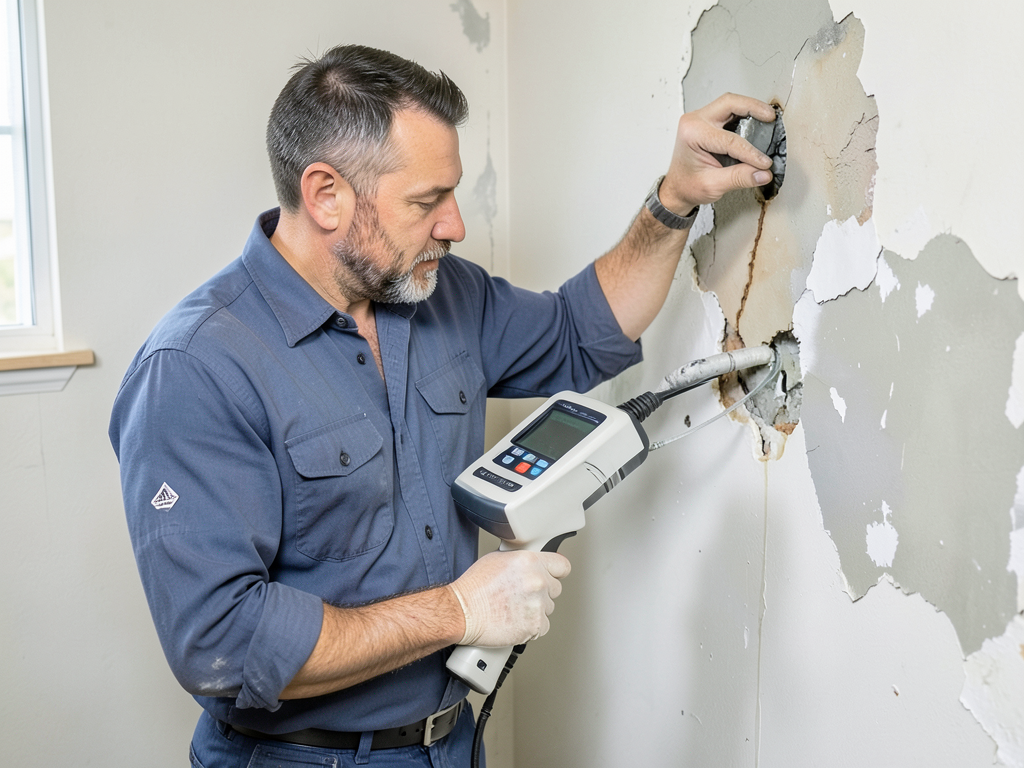
We inspect your property within hours of your call, using moisture meters and thermal cameras to map water intrusion and mold growth. You receive a written scope detailing affected areas, contamination levels, and the remediation plan. We identify the moisture source, whether it's a plumbing leak, roof damage, or condensation issue, and explain how we will eliminate both the mold and the conditions that allowed it to grow.
02

Containment and Removal

We seal off affected areas with physical barriers and negative air machines to prevent spore migration. Contaminated materials are removed, bagged, and disposed of following Ohio EPA regulations. All surfaces receive HEPA vacuuming and antimicrobial treatment. Air scrubbers run continuously to filter spores from the air. We document every step with photos and moisture readings to track progress and ensure nothing is missed during the decontamination process.
03

Drying and Clearance Testing

After removal, we dry all structural materials to below 15 percent moisture content using commercial dehumidifiers and air movers. Independent laboratory testing confirms that airborne spore counts have returned to normal levels. You receive a clearance certificate documenting that your property is safe for reoccupation. We provide a detailed report for your insurance carrier, your tenants, or future buyers if you are selling the property.

Why Columbus Property Owners Choose Five Star Water Damage Restoration

Columbus requires specific knowledge of local construction methods, climate patterns, and building codes. Homes in Victorian Village and Grandview Heights often have balloon framing and knob-and-tube wiring that complicate remediation. Commercial buildings in the downtown corridor face different challenges, including complex HVAC systems and multi-tenant moisture control.

We understand how Columbus's clay soil affects basement moisture and foundation drainage. Properties near the Scioto floodplain or in low-lying areas like Franklinton require aggressive vapor barrier installation and sump pump redundancy to prevent recurring mold issues. We work directly with local building inspectors and environmental health officers to ensure compliance with Columbus Public Health Department regulations for commercial mold abatement.

Five Star Water Damage Restoration Columbus maintains relationships with local insurance adjusters, property managers, and real estate professionals who trust our work. We provide detailed documentation that meets the requirements of major carriers like Nationwide, State Farm, and Liberty Mutual, all headquartered or heavily represented in the Columbus market. Our estimates break down material removal, labor, equipment rental, and disposal fees so you understand exactly what you are paying for.

We coordinate with your insurance claim from initial inspection through final clearance testing. Most policies cover mold remediation when it results from a covered peril like a burst pipe or storm damage. We document the water source, the timeline of discovery, and the scope of contamination to support your claim. You receive copies of all lab reports, moisture logs, and before-and-after photos for your records.

What to Expect From Your Mold Remediation Project

Response Time and Availability

We respond to mold emergencies in Columbus within two to four hours, 24 hours a day, including weekends and holidays. Rapid response limits contamination spread and reduces overall remediation costs. Small mold problems become large mold problems when left untreated for even a few days. Our trucks carry containment supplies, HEPA vacuums, and moisture meters so we can begin containment immediately upon arrival. You will have a project manager assigned to your job who coordinates scheduling, communicates progress, and answers questions throughout the remediation process.

Initial Mold Inspection Process

Your initial inspection includes moisture mapping, visual assessment of all affected areas, and air quality sampling if needed. We check hidden spaces like wall cavities, attic insulation, and crawl spaces where mold often grows undetected. Thermal imaging reveals temperature differentials that indicate moisture intrusion behind finished surfaces. You receive a written estimate detailing the scope of work, timeline, and cost breakdown before any remediation begins. We explain what materials can be salvaged, what must be removed, and why certain steps are necessary for complete mold decontamination.

Quality of Final Restoration

Your property is restored to pre-loss condition or better. We replace removed drywall, insulation, trim, and flooring with materials that match existing finishes. All reconstruction meets current Columbus building codes, which may require upgrades to older properties. Final walk-throughs ensure you are satisfied with the work quality before we close the project. We coordinate paint colors, flooring transitions, and finish details so repaired areas blend seamlessly with unaffected spaces. You receive warranties on all materials and labor, plus documentation of clearance testing for your records.

Ongoing Moisture Control Recommendations

After remediation, we provide a moisture control plan tailored to your property. This may include dehumidifier installation, improved ventilation, gutter repairs, or grading corrections to redirect water away from your foundation. We explain how to monitor humidity levels, maintain proper HVAC function, and recognize early signs of moisture problems before mold returns. Many Columbus homes benefit from basement waterproofing or vapor barrier upgrades, especially in older neighborhoods with stone foundations. We can refer trusted local contractors for these improvements or handle the work ourselves if you prefer a single point of contact.

Frequently Asked Questions

You Have Questions,
We Have Answers

How much does it cost to remove mold? +

Mold removal costs in Columbus typically range based on the extent of infestation and location. Small areas under 10 square feet may cost a few hundred dollars, while extensive basement or crawl space jobs can reach several thousand. Columbus homes face mold challenges from Ohio's humidity and older housing stock near German Village and Victorian Village. Cost factors include containment needs, HVAC system involvement, and structural damage. Insurance may cover mold if it results from a covered water damage event. Get multiple quotes and ask about moisture source correction, not just surface cleaning.

What is the difference between mold removal and mold remediation? +

Mold removal sounds like scrubbing visible mold off surfaces. Mold remediation is the correct professional approach. Remediation addresses the root cause, contains the affected area, removes contaminated materials, treats surfaces with antimicrobial agents, and fixes the moisture problem causing growth. Columbus basements and crawl spaces often have persistent humidity issues that simple cleaning cannot solve. Remediation follows IICRC S520 standards, uses air filtration to prevent spore spread, and includes post-testing verification. Removal alone leaves spores and moisture behind. Remediation eliminates the conditions that allow mold to return. Big difference.

How expensive is it to remediate mold? +

Mold remediation costs in Columbus vary widely based on square footage, mold type, and structural involvement. Expect $500 to $6,000 for most residential jobs. Attic mold from roof leaks common in older Clintonville homes may cost less than flooded basements in Franklinton near the Scioto River. Black mold requires stricter containment and drives costs higher. The expense includes containment barriers, air scrubbers, disposal of porous materials like drywall, antimicrobial treatment, and moisture control solutions. Fixing the water intrusion source adds to the total. Delaying remediation increases costs as mold spreads.

Can mold be fully removed from a house? +

Mold can be removed from a house, but spores exist everywhere naturally. Professional remediation brings mold back to normal background levels, which is the realistic goal. Complete eradication is impossible because spores float in outdoor air and enter through windows and doors. Columbus homes built before 1980 often have materials that hold moisture, making them vulnerable. Remediation removes active colonies, eliminates moisture sources, and treats surfaces to prevent regrowth. Porous materials like drywall and insulation often require disposal. Non-porous surfaces can be cleaned and sealed. Proper moisture control keeps mold from returning.

Is professional mold removal worth it? +

Professional mold removal is worth it when infestation exceeds 10 square feet or involves HVAC systems. Columbus homeowners face liability and health risks from DIY attempts. Professionals use containment to prevent cross-contamination, HEPA filtration to capture airborne spores, and proper disposal methods. They identify hidden mold in wall cavities and crawl spaces common in Short North rowhouses. Insurance claims require documentation that only certified technicians provide. Incorrect cleaning spreads spores throughout your home. Professionals fix the moisture problem, not just the symptom. For small surface mold under 10 square feet, DIY may work with proper safety gear.

What kills mold permanently? +

Nothing kills mold permanently because spores exist everywhere naturally. Professional remediation uses EPA-registered antimicrobial agents and fungicides to kill active colonies and inhibit regrowth. Bleach only whitens surface mold on non-porous materials but does not penetrate porous surfaces like drywall. Columbus humidity requires addressing moisture sources, not just killing visible mold. Effective solutions include fixing leaks, improving ventilation, using dehumidifiers to maintain humidity below 50 percent, and removing water-damaged materials. HEPA vacuuming captures spores. Encapsulation products seal treated surfaces. Prevention through moisture control is the only permanent solution, not chemical treatment alone.

Do you have to throw everything away with mold in the house after? +

You do not have to throw everything away after finding mold. Non-porous items like glass, metal, and hard plastics can be cleaned with detergent and dried completely. Porous materials like drywall, carpeting, upholstered furniture, and insulation usually require disposal because mold penetrates deep into fibers. Clothing and linens can often be laundered if caught early. Books and papers are hard to salvage. Columbus basements with finished areas face tough decisions about carpeting and drywall. Professionals assess each item individually. Sentimental items may be cleaned by specialized restoration companies. Prioritize health over possessions when contamination is severe.

What are the first signs of mold sickness? +

First signs of mold sickness include persistent coughing, sneezing, throat irritation, and nasal congestion that worsens at home. You may experience headaches, fatigue, watery eyes, and skin rashes. Columbus residents with asthma or allergies notice increased symptoms in moldy environments. Some people smell a musty odor before seeing visible growth. Symptoms improve when you leave the house and return when you come back. Infants, elderly residents, and those with compromised immune systems show symptoms faster. Neurological symptoms like brain fog and memory issues indicate severe exposure. If multiple family members feel sick without explanation, inspect for hidden mold.

What to do if you can't afford mold remediation? +

If you cannot afford full remediation, start by stopping the moisture source immediately. Fix leaky pipes, improve ventilation, and run dehumidifiers to drop humidity below 50 percent. Clean small surface mold yourself using detergent and water, wearing an N95 mask and gloves. Discard heavily contaminated porous materials like moldy drywall. Some Columbus homeowners qualify for assistance through community development programs or local health department resources. Contact your insurance company, as water damage claims may cover mold. Payment plans exist with some remediation companies. Prioritize high-traffic areas and rooms where vulnerable family members sleep. Address the problem incrementally rather than ignoring it.

Can I remediate mold myself? +

You can remediate small mold areas under 10 square feet yourself if you are healthy and careful. Wear an N95 respirator, gloves, and eye protection. Contain the area with plastic sheeting and tape. Use detergent and water, not bleach on porous surfaces. Bag contaminated materials in thick plastic before disposal. Columbus humidity means you must fix the moisture problem or mold returns quickly. Do not attempt DIY if mold involves HVAC systems, covers large areas, or results from sewage backup. People with asthma, allergies, or immune issues should not do mold work. Professionals have proper equipment and training for safe remediation.

How Columbus Humidity and River Proximity Increase Mold Risk

Columbus averages 180 days per year with relative humidity above 70 percent, creating ideal conditions for mold growth in homes and businesses. Properties within two miles of the Scioto or Olentangy rivers face additional moisture pressure from groundwater and seasonal flooding. Neighborhoods like Clintonville, German Village, and Franklinton see higher mold remediation demand due to older housing stock, poor foundation drainage, and elevated water tables. Professional mold cleanup services address these location-specific challenges with targeted moisture control and structural drying protocols that prevent regrowth.

Columbus building codes and Ohio EPA regulations require professional mold abatement in commercial properties and multi-family housing when contamination exceeds ten square feet. Five Star Water Damage Restoration Columbus maintains close working relationships with local environmental health inspectors and insurance adjusters who understand our protocols and trust our documentation. We provide the lab reports, clearance certificates, and detailed scope documentation required by Columbus Public Health Department and major insurance carriers operating in the region. Local expertise matters when protecting your investment and your occupants' health.
Water Damage Restoration Services in The Columbus Area

We proudly serve the wider Columbus area and its surrounding communities. Our centrally located office allows our emergency response teams to reach your property quickly, no matter where you are. We are committed to being a reliable resource for our neighbors, and our responsive team is always on standby to provide professional assistance when you need it most. We believe that local expertise and a quick response are crucial when dealing with water damage, so we encourage you to view our service area to see if we can help.

Address:
Five Star Water Damage Restoration Columbus, 601 N High St, Columbus, OH, 43215

Additional Services We Offer

Our news updates

Latest Articles & News from The Blogs

Dealing with water damage when you live in a Columbus HOA or condo association Water damage in a Columbus condo…

Dealing with water damage when you live in a Columbus HOA or condo association

Dealing with water damage when you live in a Columbus HOA or condo association Water damage in a Columbus condo…

The real difference between common mildew and dangerous black mold in Eastmoor homes

The real difference between common mildew and dangerous black mold in Eastmoor homes Eastmoor homeowners often spot dark patches in…

Testing your sump pump before the spring rains hit the South Side

Testing your sump pump before the spring rains hit the South Side \n\n Heavy spring rains combined with the clay-rich…

Contact Us

Mold spreads fast and damages your property and health. Call Five Star Water Damage Restoration Columbus now at (614) 707-7505 for immediate inspection and remediation. We respond 24/7 to protect your home or business from contamination.