Menu

Peeling Paint & Wallpaper in Columbus | Expert Diagnosis & Permanent Water Damage Repair

Five Star Water Damage Restoration Columbus identifies hidden moisture sources causing peeling paint and wallpaper damage, then repairs structural issues before cosmetic restoration for lasting results.

Slider Image 1
Slider Image 2
Slider Image 3
Slider Image 4
Slider Image 5
Slider Image 7
Slider Image 8
Slider Image 9
Slider Image 10
Slider Image 11

Why Columbus Homes Develop Peeling Paint and Loose Wallpaper

You notice bubbling paint on your living room wall. Within weeks, the blistering wall paint spreads. Soon, flaking paint falls to the floor, and your wallpaper starts lifting at the seams. This progression signals a moisture problem, not a painting problem.

Columbus sits in a humid continental climate zone where relative humidity swings create condensation inside exterior walls. Summer humidity averages 70%, while winter heating cycles dry indoor air to 30%. This constant expansion and contraction pulls moisture through wall cavities. Older Columbus homes, particularly in German Village and Victorian Village, were built before modern vapor barriers existed. Brick facades and plaster walls absorb exterior moisture, then release it inward.

The Scioto and Olentangy Rivers create elevated groundwater tables in low-lying neighborhoods near Franklinton and the Brewery District. Basement moisture wicks upward through foundation walls into first-floor framing. Clay-heavy soil common throughout Franklin County holds water against foundations after heavy rain. Poor grading around older homes compounds the problem.

Loose wallpaper and peeling paint are symptoms, not causes. The actual problem hides behind the wall: condensation from HVAC ductwork, pinhole leaks in copper plumbing, or failed window flashing. Painting over moisture damage wastes money. The new paint will bubble within months because the water source remains active. You need to find where the moisture enters, stop it at the source, then dry and repair structural damage before any cosmetic work begins.

Why Columbus Homes Develop Peeling Paint and Loose Wallpaper
How We Locate Hidden Moisture Sources Behind Failing Surfaces

How We Locate Hidden Moisture Sources Behind Failing Surfaces

We use thermal imaging cameras to map temperature differentials across wall surfaces. Wet building materials register cooler than dry materials because evaporating moisture draws heat away. A cold spot behind bubbling paint indicates active moisture intrusion. We scan the entire wall plane, not just the visible damage area, because water travels laterally through stud bays before it surfaces.

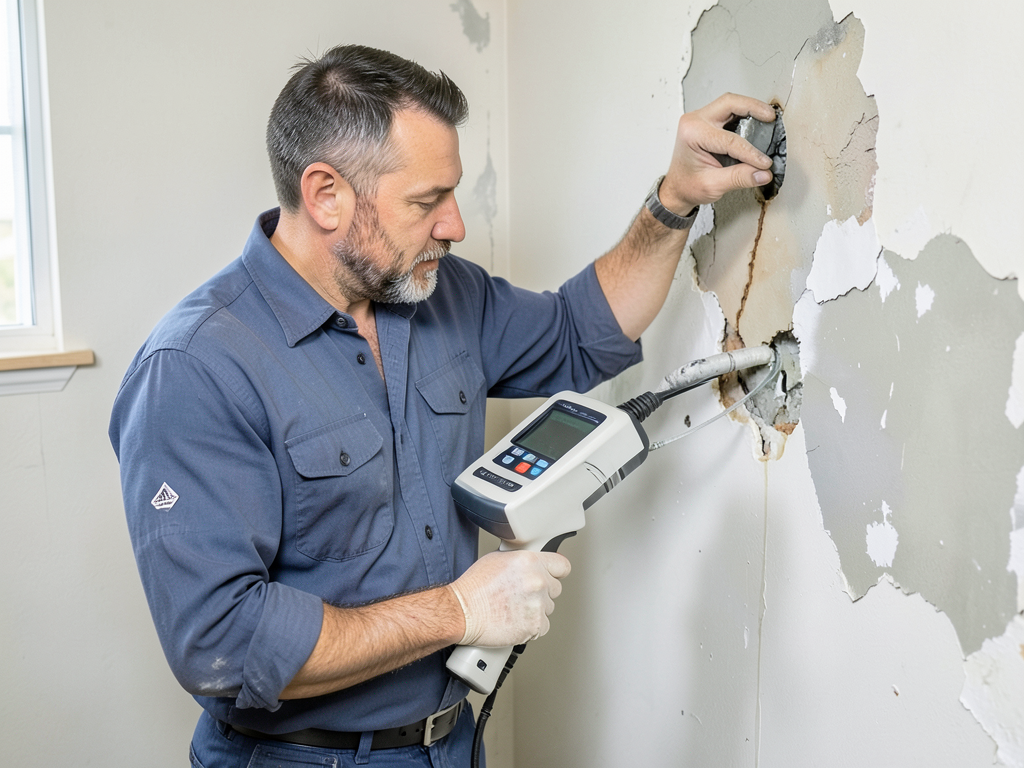
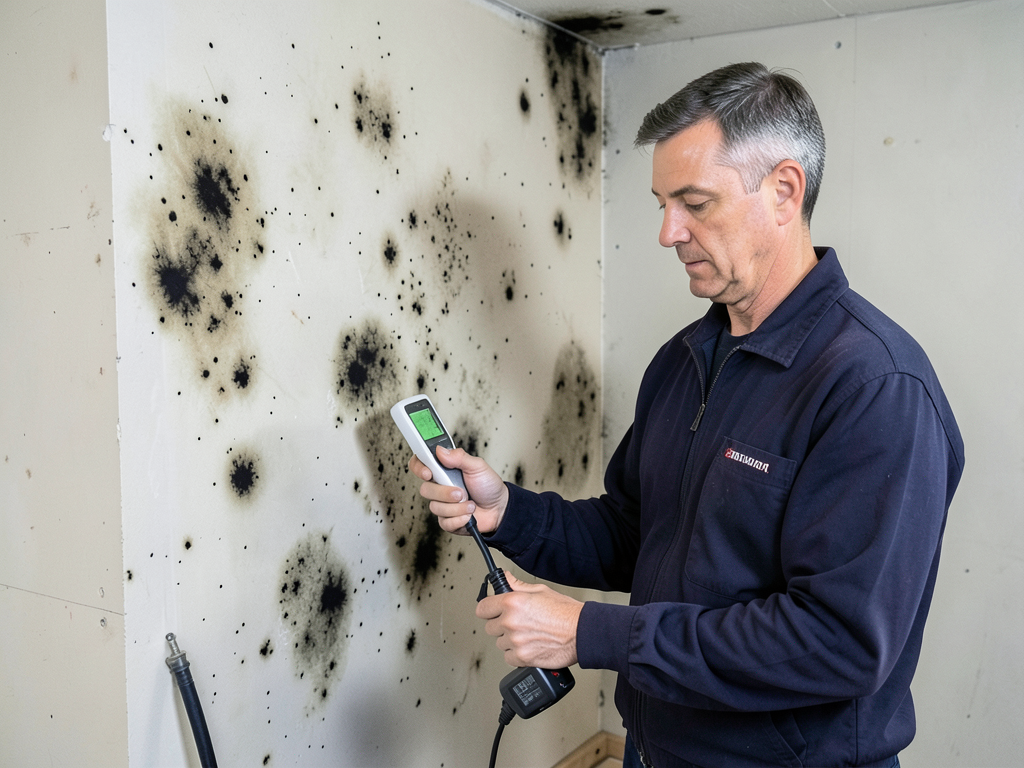
Moisture meters measure water content inside drywall, plaster, and framing lumber without destructive testing. We take readings at multiple depths to profile how far moisture has penetrated. Readings above 17% in wood framing indicate conditions favorable for mold growth. Readings above 20% signal active water intrusion requiring immediate source elimination.

After mapping moisture distribution, we perform visual inspection behind the wall surface. This requires small probe holes or removal of damaged sections. We inspect for condensation on cold water pipes, corrosion on supply lines, and water stains on framing that indicate intermittent leaks. We check HVAC ductwork for condensation and failed vapor barriers. We inspect window rough openings for rotted sills and failed flashing.

Once we identify the source, we eliminate it before any restoration work begins. We repair plumbing leaks, re-slope grading, install vapor barriers, insulate cold pipes, and replace failed window flashing. Then we dry structural components using commercial dehumidifiers and air movers. We verify moisture content below 15% before reconstruction begins. This methodology prevents recurring damage after repair.

What Happens During Your Water Damage Assessment and Repair

Peeling Paint & Wallpaper in Columbus | Expert Diagnosis & Permanent Water Damage Repair
01

Moisture Detection and Mapping

We arrive with thermal imaging equipment and moisture meters to scan affected areas. You show us the visible damage, then we scan adjoining walls, ceilings, and floors to map the full extent of moisture intrusion. We document moisture levels and thermal patterns, then explain what the data reveals about water source location and migration paths through your building envelope.
02

Source Elimination and Drying

We expose hidden areas through controlled demolition of damaged materials. This allows us to repair leaks, improve drainage, or install missing vapor barriers. We place commercial-grade dehumidifiers and air movers to dry structural components to safe moisture levels. We monitor drying progress with daily moisture readings until all materials reach equilibrium moisture content appropriate for Columbus's climate zone.
03

Structural Repair and Restoration

After verification that moisture sources are eliminated and all components are dry, we replace damaged framing, insulation, and drywall. We apply mold-resistant primers and finish materials appropriate for high-moisture areas. We restore surfaces to original condition, matching textures and finishes. You receive documentation showing before and after moisture readings, proving the water source has been permanently addressed.

Why Columbus Property Owners Choose Local Water Damage Specialists

Columbus building stock includes homes built across 150 years, from 1870s brick Italianates in German Village to 1920s bungalows in Clintonville to 1980s tract homes in Westerville. Each construction era used different materials and building methods. Older homes lack vapor barriers and rely on breathable plaster walls. Mid-century homes used tar paper and early polyethylene barriers. Modern homes use house wrap and detailed flashing systems. Misunderstanding these differences leads to failed repairs.

We understand how Columbus's specific housing stock responds to moisture. We know that Victorian-era homes need breathable repair materials because trapping moisture inside solid brick walls causes spalling and efflorescence. We know that 1950s ranch homes need continuous vapor barriers because fiberglass insulation loses R-value when wet. We know that modern homes need careful air sealing because HVAC systems were sized assuming specific infiltration rates.

Five Star Water Damage Restoration Columbus works directly with insurance adjusters familiar with local claim patterns. We document findings in formats that meet carrier requirements for water damage claims. We photograph moisture readings, thermal images, and damaged materials before remediation begins. This documentation supports your claim and prevents disputes over whether damage resulted from sudden water intrusion or long-term neglect.

We respond to service calls throughout Franklin County, from Worthington to Grove City, from Reynoldsburg to Hilliard. We stock our vehicles with equipment appropriate for Columbus's building types and common failure modes. We maintain relationships with local plumbers, roofers, and foundation contractors for coordinated repairs when water intrusion involves multiple building systems. This local network speeds your restoration timeline and prevents miscommunication between trades.

What to Expect When You Contact Us About Paint or Wallpaper Damage

Response Time and Availability

We dispatch technicians within two hours of your call for active water damage situations. For non-emergency assessments of peeling paint or lifting wallpaper, we schedule appointments within 24 hours. Evening and weekend appointments accommodate your schedule. Initial assessments take 45 to 90 minutes, depending on the size of affected areas and building complexity. We provide verbal findings on-site, then follow up with written moisture mapping reports and repair estimates within 24 hours.

How the Assessment Works

You walk us through all areas showing paint or wallpaper damage. We scan these areas with thermal cameras and moisture meters, then expand our inspection to adjacent spaces. We explain what the readings indicate about moisture source location and severity. We discuss likely causes based on your home's age, construction type, and visible conditions. We outline repair options, explaining what work addresses symptoms versus what eliminates root causes. You receive clear information to make informed decisions about repair scope.

Repair Quality and Methods

We match existing finishes in color, texture, and sheen when restoring painted surfaces. We source discontinued wallpaper patterns through specialty suppliers when possible, or recommend complementary alternatives when original patterns are unavailable. We use mold-resistant primers and paints in areas prone to moisture exposure. We install proper ventilation when building codes require it for moisture control. All work meets current Columbus building codes, even when repairing older homes built before modern standards existed.

Follow-Up and Prevention Guidance

After restoration is complete, we schedule a follow-up inspection 30 days later to verify that moisture levels remain stable and no new damage appears. We provide written guidance on preventing future moisture problems, specific to your home's construction type and the source of original damage. This includes recommendations for improved ventilation, drainage modifications, or humidity control measures. We remain available for questions or concerns after project completion. You receive documentation showing post-repair moisture levels for future reference.

Frequently Asked Questions

You Have Questions,
We Have Answers

Why is my paint peeling like wallpaper? +

Paint peeling in large sheets signals moisture intrusion behind the surface. This happens when water saturates drywall or plaster, breaking the bond between paint and substrate. Columbus homes face humid summers and freeze-thaw cycles that drive condensation into walls. Common culprits include roof leaks, burst pipes, foundation seepage, or failed exterior caulking. You may also see bubbling before the peeling starts. The moisture problem must be fixed first or new paint will fail the same way. Painting over moisture-damaged surfaces traps water and creates mold growth.

What to do if paint is peeling off the wall? +

Stop the moisture source first. Identify leaks, plumbing failures, or condensation issues before touching the paint. Scrape all loose material back to sound, adhered surfaces using a putty knife. Sand edges smooth to feather the transition. Inspect the exposed substrate for water damage, mold, or crumbling drywall. Repair damaged areas with joint compound or replacement drywall. Prime bare spots with a moisture-blocking primer appropriate for the substrate type. Columbus humidity demands proper ventilation during drying. Repaint only after confirming the area stays dry for at least 72 hours. Rushing this process guarantees failure.

Is it cheaper to paint or peel and stick wallpaper? +

Peel and stick wallpaper costs more per square foot than paint. Paint runs around one-third the material cost and covers imperfections better. Peel and stick requires smooth, pristine walls or every bump shows through. You pay extra for that convenience factor. Paint also lasts longer in Columbus homes where humidity fluctuations stress adhesives. Wallpaper adhesive can fail in bathrooms or kitchens where moisture is constant. For damaged walls with peeling paint, you must repair and prime anyway. That prep work negates the time savings of peel and stick. Paint delivers better value for most situations.

Can I just paint over peeling paint? +

No. Peeling paint indicates adhesion failure or moisture damage. Painting over it traps the problem and creates more extensive peeling within months. The new coat adds weight to already-failed substrate bonds. You create a thicker layer that peels in larger sections. Columbus homes with seasonal humidity swings accelerate this failure cycle. Scrape all loose material first. Inspect for water damage, mold, or substrate deterioration. Prime exposed areas properly. Skipping this step wastes money and time. The underlying cause must be addressed or you repeat the cycle endlessly.

Will Kilz stop peeling paint? +

Kilz primer blocks stains and seals porous surfaces, but it does not fix peeling paint. You must scrape all loose material before applying any primer. Kilz works after proper prep to seal water-stained areas and prevent tannin bleed-through. It creates a fresh bonding surface for topcoats. In Columbus homes with moisture history, use Kilz products rated for mold and mildew resistance. The primer only performs when applied to clean, stable substrates. Painting Kilz over peeling sections just coats failing material. Remove loose paint first, then prime bare spots for proper adhesion.

Should I scrape off all the peeling paint? +

Yes. Remove all loose, bubbling, or poorly adhered paint before repainting. Scrape until you reach material that does not lift with moderate pressure. Feather the edges with sandpaper to create smooth transitions. Leaving loose paint guarantees the new coat will peel along the same failure lines. Columbus humidity cycles stress weak bonds and expand the damaged area. Use a stiff putty knife for efficiency. Check for soft drywall or plaster underneath. Damaged substrate must be repaired or replaced before priming. Complete scraping prevents larger failures down the road. This step cannot be rushed or skipped.

What is the difference between flaking and peeling paint? +

Flaking describes small chips or fragments breaking away from the surface. Peeling involves larger sections lifting in sheets or curls. Flaking signals surface-level adhesion problems, often from poor prep or incompatible coatings. Peeling indicates deeper moisture intrusion or substrate failure. In Columbus homes, flaking often appears on trim or ceilings from age. Peeling typically shows up near water sources like bathrooms, kitchens, or exterior walls. Both require scraping and prep before repainting. Peeling demands moisture investigation. Flaking may just need better surface cleaning and bonding primer. Identify which problem you face before starting repairs.

What causes paint to peel on interior walls? +

Moisture intrusion causes most interior peeling. Roof leaks, plumbing failures, foundation seepage, or condensation saturate drywall and break paint bonds. Columbus homes face humid summers that drive moisture into poorly ventilated spaces. Bathrooms and kitchens without exhaust fans trap steam against walls. Exterior walls with failed weatherproofing allow water penetration. Poor surface prep during previous paint jobs creates weak adhesion. Painting over glossy finishes without sanding or priming causes delamination. Incompatible paint types layered together also fail. Identify the moisture source first. Repainting without fixing the cause guarantees repeated peeling.

Can peeling paint be fixed? +

Yes, if you address the underlying cause. Stop moisture intrusion first. Scrape all loose material back to stable surfaces. Repair water-damaged drywall or plaster. Sand edges smooth and clean all dust. Prime bare areas with moisture-blocking products rated for your substrate. In Columbus homes with chronic humidity issues, improve ventilation before repainting. Use quality paint formulated for moisture-prone areas in bathrooms and kitchens. Allow proper drying time between coats. Rushing repairs or skipping steps leads to recurring failure. Fixing peeling paint requires correcting the conditions that caused it, not just cosmetic touch-ups.

What is the downside to peel and stick wallpaper? +

Peel and stick wallpaper shows every wall imperfection. Bumps, dents, and texture telegraph through the thin material. Adhesive fails in high-humidity areas common in Columbus bathrooms and basements. Removal often damages drywall paper facing, requiring extensive repair before repainting. The product costs more than paint per square foot. Seams become visible as edges lift over time. Temperature fluctuations weaken adhesive bonds. You cannot apply it over textured walls without intensive prep. Color and pattern options remain limited compared to paint. For homes with moisture history or imperfect walls, paint delivers better performance and longevity.

How Columbus's Humid Summers and Cold Winters Cause Paint and Wallpaper Failure

Columbus experiences 40-degree temperature swings between July highs near 85 degrees and January lows near 20 degrees. These cycles create condensation inside exterior walls when warm, humid interior air contacts cold exterior sheathing. Older homes without proper vapor barriers allow interior moisture to migrate into wall cavities. The moisture condenses on cold surfaces, then drips down to sill plates and wall bases. This explains why peeling paint often starts at baseboards and lower wall sections. Summer humidity compounds the problem. When outdoor dew points exceed 65 degrees, common from June through August, exterior moisture enters through brick facades and foundation walls.

Five Star Water Damage Restoration Columbus understands how local building practices from different construction eras interact with our climate. We know that homes built before 1950 in neighborhoods like Bexley and Upper Arlington used horsehair plaster over wood lath, which requires different repair techniques than modern drywall. We know that homes built in the 1970s and 1980s often lack proper vapor barriers because building science understanding was incomplete during that era. We apply repair methods appropriate for your home's specific construction type and age, preventing future failures.
Water Damage Restoration Services in The Columbus Area

We proudly serve the wider Columbus area and its surrounding communities. Our centrally located office allows our emergency response teams to reach your property quickly, no matter where you are. We are committed to being a reliable resource for our neighbors, and our responsive team is always on standby to provide professional assistance when you need it most. We believe that local expertise and a quick response are crucial when dealing with water damage, so we encourage you to view our service area to see if we can help.

Address:
Five Star Water Damage Restoration Columbus, 601 N High St, Columbus, OH, 43215

Additional Services We Offer

Our news updates

Latest Articles & News from The Blogs

Dealing with water damage when you live in a Columbus HOA or condo association Water damage in a Columbus condo…

Dealing with water damage when you live in a Columbus HOA or condo association

Dealing with water damage when you live in a Columbus HOA or condo association Water damage in a Columbus condo…

The real difference between common mildew and dangerous black mold in Eastmoor homes

The real difference between common mildew and dangerous black mold in Eastmoor homes Eastmoor homeowners often spot dark patches in…

Testing your sump pump before the spring rains hit the South Side

Testing your sump pump before the spring rains hit the South Side \n\n Heavy spring rains combined with the clay-rich…

Contact Us

Stop guessing about what is causing your paint or wallpaper to fail. Call Five Star Water Damage Restoration Columbus at (614) 707-7505 for thermal imaging and moisture testing that reveals the actual source of damage. We provide clear answers and permanent solutions.