Menu

Preventative Waterproofing Tips in Columbus – Protect Your Home Before Water Damage Starts

Expert maintenance strategies and proactive water sealing methods tailored to Columbus's humid climate and soil conditions, helping you stop moisture intrusion before it becomes a costly emergency repair.

Slider Image 1
Slider Image 2
Slider Image 3
Slider Image 4
Slider Image 5
Slider Image 7
Slider Image 8
Slider Image 9
Slider Image 10
Slider Image 11

Why Columbus Homes Need Year-Round Moisture Control

Columbus sits in a humid continental climate zone where seasonal extremes create persistent moisture challenges. Summer humidity regularly pushes past 70%, while winter freeze-thaw cycles cause foundation shifts that crack basement walls. The Scioto and Olentangy Rivers create localized water table variations that affect neighborhoods differently. Homes in German Village face different groundwater pressures than properties near Upper Arlington.

Your foundation sits in clay-heavy soil that expands when wet and contracts when dry. This constant movement creates hairline cracks that become water highways during spring rains. Older homes near downtown Columbus were built before modern vapor barriers existed. Even newer construction in suburbs like Dublin and Westerville can suffer from poor grading that directs water toward the foundation instead of away from it.

You can stop most water damage before it starts. Proactive water sealing methods cost a fraction of emergency restoration work. A home waterproofing maintenance guide helps you identify vulnerable points before they fail. The difference between a dry basement and a flooded one often comes down to basic DIY waterproofing techniques performed twice a year. Moisture control best practices include inspecting areas most homeowners ignore until damage becomes visible. Following a water damage prevention checklist protects your investment and eliminates the panic of discovering standing water at 2 AM.

Why Columbus Homes Need Year-Round Moisture Control
The Science Behind Effective Water Intrusion Prevention

The Science Behind Effective Water Intrusion Prevention

Water follows the path of least resistance. It migrates through porous concrete, seeps through deteriorated mortar joints, and wicks up through capillary action in masonry. Understanding these mechanisms changes how you approach prevention. You need to create redundant barriers that work together as a system, not just apply a single product and hope it holds.

Start with hydrostatic pressure management. When soil becomes saturated, groundwater exerts force against foundation walls. Without proper drainage, that pressure finds weaknesses. Exterior waterproofing membranes fail if water cannot escape through perimeter drains. Interior sealants crack when foundation movement exceeds their flexibility rating. Both methods work when installed correctly and maintained regularly.

Moisture control best practices focus on the building envelope. Check window wells for debris that blocks drainage. Inspect grade slopes to confirm water flows away from the foundation at a minimum 6-inch drop over 10 feet. Clean gutters and downspouts so they discharge at least 10 feet from the house. Extend downspout extensions during heavy rain seasons. These DIY waterproofing techniques prevent 80% of basement moisture problems.

Vapor barriers in crawl spaces require annual inspection. Tears or gaps allow soil moisture to migrate into floor joists, creating mold and wood rot. Basement wall sealants need reapplication every 3-5 years depending on product type. Sump pumps require testing before storm season arrives. A comprehensive home waterproofing maintenance guide addresses all these components as interconnected parts of your defense system.

Building Your Seasonal Waterproofing Routine

Preventative Waterproofing Tips in Columbus – Protect Your Home Before Water Damage Starts
01

Spring Exterior Assessment

Walk your property perimeter after the last frost. Look for new foundation cracks wider than 1/8 inch. Check where downspouts discharge and confirm extensions remain in place. Inspect window wells for standing water or debris accumulation. Test grade slopes with a level to verify proper pitch away from the foundation. Document problem areas with photos to track changes over time.
02

Summer Drainage Maintenance

Clean gutters before summer storms arrive. Flush downspouts with a garden hose to clear blockages. Test your sump pump by pouring water into the pit until the float activates. Inspect basement walls for efflorescence, the white crystalline deposit that signals moisture migration through concrete. Apply hydraulic cement to active leaks and use polyurethane sealant on dry cracks. Trim vegetation away from the foundation to improve airflow.
03

Fall Winterization Prep

Disconnect and drain exterior hoses before the first freeze. Insulate exposed pipes in unheated spaces like crawl spaces and exterior walls. Check crawl space vapor barriers for tears and reseal seams with waterproof tape. Verify basement window seals remain intact. Install window well covers to prevent snow and ice accumulation. Review your water damage prevention checklist and address any deferred maintenance before winter weather arrives.

Why Local Expertise Matters for Columbus Waterproofing

Five Star Water Damage Restoration Columbus understands how local conditions affect your home. We know that properties south of downtown near Brewery District sit on different soil composition than homes in Clintonville. We recognize that historic homes in Victorian Village require different sealing approaches than 1980s ranches in Hilliard. Columbus building codes evolved significantly after the 2008 flood events, and older homes need retrofitting to meet modern moisture management standards.

Our team evaluates waterproofing challenges through the lens of local architecture and geology. We account for how Columbus's 39 inches of annual rainfall concentrate in spring and early summer. We prepare clients for how winter ice dams form on north-facing rooflines and create secondary water entry points. We explain why basements in Short North experience different hydrostatic pressure than those in New Albany, where better drainage infrastructure exists.

Columbus experiences temperature swings that cause concrete to expand and contract throughout the year. This movement requires flexible sealants that maintain adhesion through thermal cycling. We specify products rated for our specific climate zone, not generic solutions marketed nationwide. You get recommendations based on your home's age, construction type, and neighborhood-specific water table depth.

We teach you how to perform DIY waterproofing techniques correctly so you can maintain your home between professional services. Our home waterproofing maintenance guide includes Columbus-specific timing recommendations. We explain which tasks you can handle and when to call a professional. This education empowers you to protect your investment through proactive water sealing methods tailored to local conditions.

What Our Waterproofing Consultations Include

Response Within 24 Hours

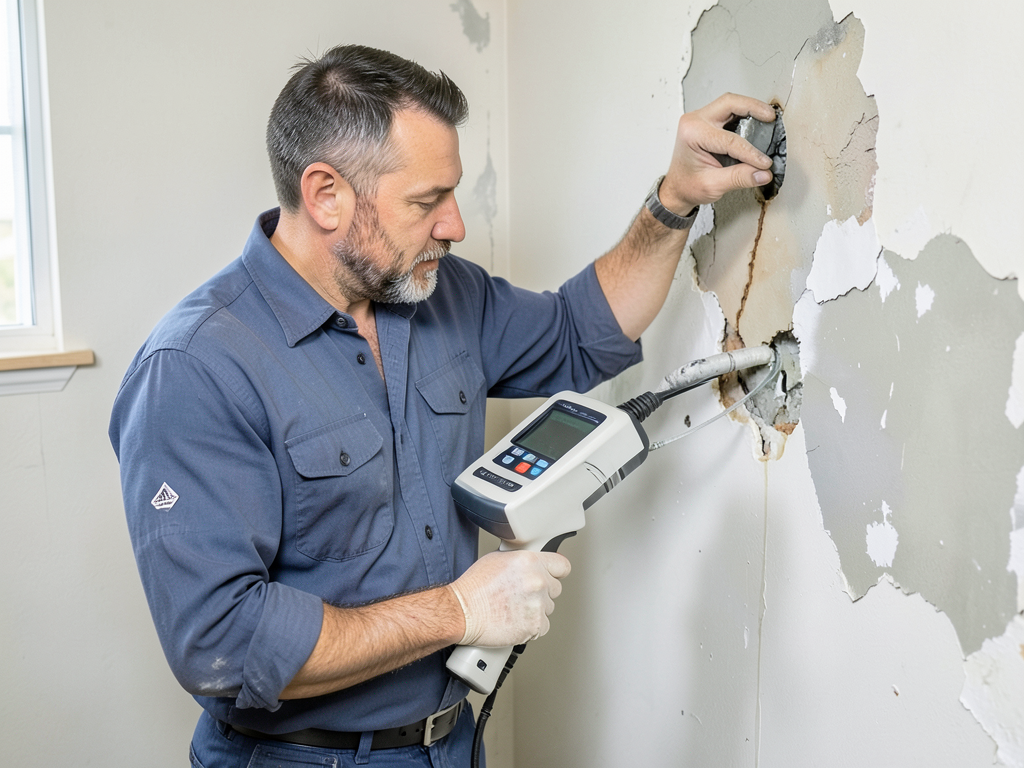
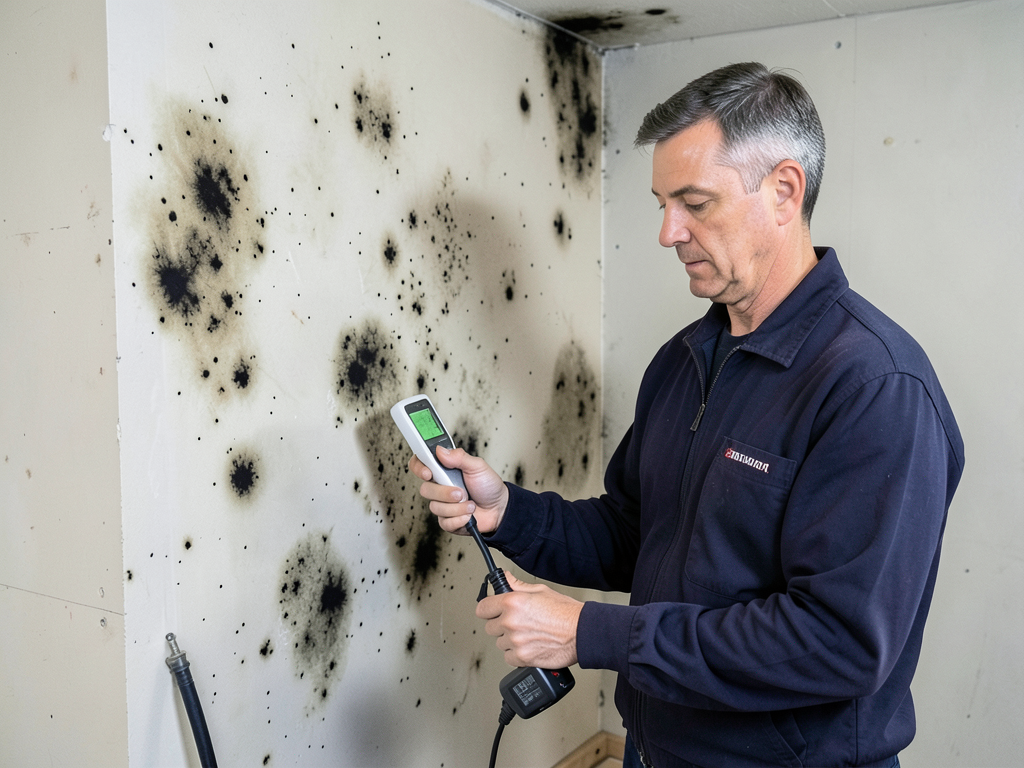
We schedule preventative assessments within one business day of your call. Most consultations occur within 48 hours. Our team arrives with moisture meters, thermal imaging cameras, and inspection tools to evaluate your current waterproofing condition. The assessment takes 45-90 minutes depending on property size and complexity. You receive a written evaluation the same day with priority rankings for any identified vulnerabilities. Emergency situations get immediate dispatch, but preventative work allows for scheduled appointments that fit your calendar.

Comprehensive Property Evaluation

We inspect your foundation from exterior grade to interior basement walls. Our evaluation includes gutter systems, downspout discharge points, window wells, crawl space conditions, sump pump functionality, and basement wall integrity. We use moisture meters to detect hidden water intrusion that has not yet created visible damage. Thermal imaging reveals temperature differentials that indicate air leaks or moisture accumulation inside wall cavities. You learn exactly where your home is vulnerable and why those areas require attention before they fail.

Prioritized Action Plan

You receive a detailed report that categorizes findings into immediate concerns, seasonal maintenance tasks, and long-term improvements. We explain which issues you can address through DIY waterproofing techniques and which require professional intervention. Each recommendation includes an explanation of what happens if you defer the work. We provide a water damage prevention checklist customized to your property with monthly and seasonal tasks. The goal is a realistic maintenance routine you can sustain, not an overwhelming list that gets ignored.

Ongoing Support Access

After your initial consultation, you gain access to our team for questions about implementation. We provide follow-up guidance on product selection, application techniques, and seasonal timing. If you encounter unexpected issues while performing maintenance tasks, we walk you through troubleshooting steps. Annual re-inspections help track how your home responds to preventative measures and adjust strategies based on results. Our goal is to keep you out of emergency situations through education and proactive support, not just reactive repairs.

Frequently Asked Questions

You Have Questions,
We Have Answers

What to do before applying waterproofing? +

Clean the surface completely. Remove dirt, debris, efflorescence, and loose material from walls or floors. Repair cracks wider than a quarter-inch using hydraulic cement or epoxy injection. Check for active leaks and address them before coating. In Columbus, inspect exterior grading around your foundation. Soil should slope away from the house to prevent pooling. Fill low spots that trap water after storms. Test moisture levels with a meter if possible. Dry surfaces accept waterproofing better. If you find hidden moisture sources or structural damage, call a professional before applying products.

What are common waterproofing mistakes? +

Applying waterproofing over dirty or damp surfaces causes adhesion failure. Skipping crack repair lets water bypass the coating entirely. Using the wrong product for your situation wastes money and time. Many Columbus homeowners choose thin coatings for below-grade basement walls when they need thick membrane systems. Ignoring exterior drainage creates hydrostatic pressure that pushes through any coating. Stopping at the footer line instead of continuing onto the footing itself leaves gaps. Applying too thin or too thick defeats the manufacturer specs. Rushing between coats before proper cure time reduces effectiveness.

Should you prime before waterproofing? +

Yes, prime porous surfaces before waterproofing. Concrete, masonry, and bare drywall absorb moisture unevenly. Primers seal the surface and create uniform adhesion for your waterproofing layer. They also highlight hidden cracks you might miss. In Columbus basements with older poured concrete or block walls, priming reduces the number of finish coats you need. Some waterproofing systems include built-in primers. Read product labels carefully. Skip primer on previously painted or sealed surfaces unless the manufacturer requires it. Always let primer dry completely before applying waterproofing, usually 24 hours depending on humidity.

How much does it cost to waterproof a 1000 sq ft basement? +

You cannot get a reliable cost estimate without an inspection. Interior coating systems might run a few thousand dollars, while full exterior excavation and membrane installation can exceed ten thousand. Your basement's condition matters more than square footage. Do you have active leaks or just dampness? Are the walls poured concrete or block? How deep is the foundation? Columbus properties with clay soil or high water tables need more aggressive solutions. Sump pump installation, exterior drain tile, and crack injection add cost. Get three written quotes from licensed contractors who inspect your specific situation before budgeting.

What is the 10/20/30/40 rule when making concrete? +

This rule guides proper concrete placement for water resistance. Pour no more than 10 feet of concrete in 20 minutes at 30 inches of slump with 40 degrees maximum temperature differential between concrete and air. It prevents thermal cracking, segregation, and weak joints. For Columbus homeowners, this applies to foundation repairs, slab pours, or patio work. Violating these limits creates pathways for water infiltration later. Cold snaps in winter and summer heat stress fresh concrete. Professional contractors monitor conditions during placement. If you see rapid pouring or poor weather conditions, expect future waterproofing problems.

How many coats of waterproofing should I do? +

Most waterproofing membranes require two coats minimum. The first coat seals pores and minor imperfections. The second coat builds thickness for protection. Read product specifications for your exact system. Some masonry waterproofing needs three coats on bare block walls. Columbus basements with severe efflorescence might need an extra coat after cleaning. Apply coats in opposite directions, vertical then horizontal, for complete coverage. Wait the recommended cure time between applications, usually 4 to 24 hours. Skipping coats to save money guarantees failure. Thick single coats run, sag, and cure unevenly. Follow manufacturer guidelines exactly.

What is the negative side of waterproofing? +

Negative side waterproofing, applied on the interior face, traps moisture inside the wall. Water enters from outside but cannot escape, causing freeze-thaw damage to concrete and block in Columbus winters. It hides problems instead of solving them. Hydrostatic pressure can eventually push the coating off the wall. Efflorescence forms behind the membrane. However, it works when exterior excavation is impossible due to driveways, additions, or landscaping. Use negative side waterproofing only when positive side exterior treatment cannot happen. Pair it with interior drainage systems and dehumidification. It manages symptoms rather than eliminating the source.

What causes waterproofing to fail? +

Hydrostatic pressure overwhelms coatings applied without proper drainage systems. Water finds any weakness in the application. Poor surface prep causes adhesion failure within months. Using the wrong product for the substrate or exposure condition guarantees problems. Columbus clay soil expands when wet, creating pressure that cracks foundations and pushes through waterproofing. Ignoring exterior grading lets water pool against walls continuously. UV exposure degrades above-grade coatings not rated for sunlight. Applying during temperature extremes or high humidity prevents proper curing. Finally, age and material degradation affect all systems over time. Nothing lasts forever without maintenance.

What are the four steps to waterproofing? +

First, identify and stop the water source. Fix exterior grading, gutters, and downspouts before interior work. Second, prepare surfaces by cleaning, repairing cracks, and allowing them to dry. Third, apply appropriate waterproofing membranes or coatings according to specifications. Start with primer if required, then build up recommended coats. Fourth, install or improve drainage systems. Columbus properties often need interior drain tile connecting to sump pumps because exterior work disrupts landscaping. Add dehumidification in finished spaces. Test your work during the next heavy rain. Address any remaining damp spots immediately before they worsen.

What is the best time to do water waterproofing? +

Spring and fall offer ideal conditions in Columbus. Temperatures between 50 and 80 degrees allow proper curing without freezing or extreme heat. Lower humidity helps coatings dry evenly. Avoid waterproofing during winter when materials freeze or summer when rapid evaporation causes defects. For exterior work, schedule during dry weather forecasts. You need at least 24 hours without rain after application. Interior basement waterproofing works year-round if you control temperature and ventilation. Address emergency leaks immediately regardless of season. For planned preventative work, choose moderate weather. Spring scheduling before storm season protects your property all year.

How Columbus Soil and Climate Make Proactive Waterproofing Essential

Columbus sits on glacial till soil with high clay content that creates unique foundation challenges. This soil expands up to 10% when saturated and shrinks back during dry periods. The resulting foundation movement causes micro-cracks that become water entry points during spring storms. Properties near the Scioto River floodplain experience higher water tables that create constant hydrostatic pressure against basement walls. Columbus receives concentrated rainfall in May and June, overwhelming drainage systems that worked fine during drier months. Homes in older neighborhoods like Grandview Heights and Bexley often lack adequate perimeter drainage because installation standards were minimal when they were built. These local conditions make following moisture control best practices and a regular home waterproofing maintenance guide critical to avoiding costly damage.

Five Star Water Damage Restoration Columbus has served local homeowners through multiple severe weather events, including the 2008 floods that affected neighborhoods along both major river corridors. We understand how Columbus building code requirements evolved in response to those events and which older homes need retrofitting to meet modern standards. Our team knows which subdivisions experience recurring drainage problems and why certain architectural styles common in Columbus require specific sealing approaches. We maintain relationships with local building inspectors and stay current on Franklin County drainage regulations that affect property improvements. This local expertise means you get recommendations that work specifically for Columbus conditions, not generic advice that might fail in our unique climate and soil environment.
Water Damage Restoration Services in The Columbus Area

We proudly serve the wider Columbus area and its surrounding communities. Our centrally located office allows our emergency response teams to reach your property quickly, no matter where you are. We are committed to being a reliable resource for our neighbors, and our responsive team is always on standby to provide professional assistance when you need it most. We believe that local expertise and a quick response are crucial when dealing with water damage, so we encourage you to view our service area to see if we can help.

Address:
Five Star Water Damage Restoration Columbus, 601 N High St, Columbus, OH, 43215

Additional Services We Offer

Our news updates

Latest Articles & News from The Blogs

Dealing with water damage when you live in a Columbus HOA or condo association Water damage in a Columbus condo…

Dealing with water damage when you live in a Columbus HOA or condo association

Dealing with water damage when you live in a Columbus HOA or condo association Water damage in a Columbus condo…

The real difference between common mildew and dangerous black mold in Eastmoor homes

The real difference between common mildew and dangerous black mold in Eastmoor homes Eastmoor homeowners often spot dark patches in…

Testing your sump pump before the spring rains hit the South Side

Testing your sump pump before the spring rains hit the South Side \n\n Heavy spring rains combined with the clay-rich…

Contact Us

Stop water damage before it starts. Call Five Star Water Damage Restoration Columbus at (614) 707-7505 to schedule your comprehensive property evaluation. We will identify your vulnerabilities and create a customized maintenance plan that protects your home year-round. Your basement stays dry when you act before problems develop.