Menu

Sanitization & Odor Removal in Columbus – Complete Disinfection After Water Events

Five Star Water Damage Restoration Columbus delivers full-spectrum sanitization and odor removal using EPA-registered antimicrobials and hospital-grade air scrubbing to eliminate bacteria, mold spores, and embedded odors from water damage in Columbus homes and businesses.

Slider Image 1
Slider Image 2
Slider Image 3
Slider Image 4
Slider Image 5
Slider Image 7
Slider Image 8
Slider Image 9
Slider Image 10
Slider Image 11

Why Water Damage in Columbus Creates Persistent Odor and Health Risks

Columbus sits in a humid continental climate zone where summer dew points regularly exceed 65 degrees and basement flooding from Scioto River overflow or Olentangy Creek backup deposits organic sediment into building cavities. When water intrusion occurs, you face two threats. The visible damage and the invisible contamination.

Floodwater carries sewage bacteria, agricultural runoff, and soil pathogens. Even clean water from a burst pipe becomes a biohazard within 48 hours as microbial growth colonizes drywall, insulation, and subflooring. You smell mustiness because volatile organic compounds from mold metabolize cellulose. You experience respiratory irritation because airborne spore counts spike. Standard drying does not address contamination. You remove the water, but bacteria remain embedded in porous materials.

Columbus homes built on clay soil experience chronic foundation seepage in neighborhoods like German Village and Victorian Village, where historic brick structures lack modern vapor barriers. Repeated moisture events create biofilm layers that conventional cleaning cannot penetrate. This requires disinfection and deodorization using EPA-registered quaternary ammonium compounds and oxidizing agents. Odor control services must address both the source organism and the volatile compounds it produces.

Antimicrobial treatment is not optional after Category 2 or Category 3 water events. Ohio Department of Health guidelines for mold remediation specify sanitizing and deodorizing protocols when water damage affects more than 10 square feet. Without proper odor abatement, you risk chronic respiratory issues and property value loss. The smell does not fade. It intensifies as decomposition continues behind walls.

Why Water Damage in Columbus Creates Persistent Odor and Health Risks
How Professional Sanitization Eliminates Contamination at the Molecular Level

How Professional Sanitization Eliminates Contamination at the Molecular Level

Five Star Water Damage Restoration Columbus uses a multi-stage protocol that addresses surface contamination, airborne pathogens, and embedded odor compounds. We begin with microbial testing to identify the dominant organisms. Water from the Scioto carries different bacteria than sewage backup or roof leak condensation. Your treatment must match the threat.

We apply hospital-grade quaternary ammonium disinfectants to all affected surfaces at concentrations proven to achieve a 99.9999% kill rate against E. coli, Staphylococcus, and Aspergillus niger within 10 minutes of contact time. These solutions penetrate porous materials like drywall and wood framing where bacteria colonize. We do not spray and wipe. We saturate and dwell, allowing the antimicrobial chemistry to break down cell walls at the molecular level.

For airborne contamination, we deploy HEPA air scrubbers rated for 0.3-micron particle capture and hydroxyl generators that produce free radicals to oxidize odor molecules. Hydroxyl radicals break the carbon-hydrogen bonds in volatile organic compounds, converting them to carbon dioxide and water vapor. This is not masking. This is molecular destruction of the odor source.

Odor abatement for organic sources like sewage or decomposition requires enzymatic digesters that biodegrade protein chains and lipid molecules. We inject these solutions into wall cavities and subfloor voids using low-pressure foggers to reach inaccessible areas where contamination persists. The enzymes continue working for 72 hours, breaking down organic matter that bacteria would otherwise consume and convert to odor compounds.

Thermal fogging with petroleum-based deodorizers treats synthetic odors from smoke or chemical spills. The heated fog particles penetrate fabrics, ductwork, and building cavities to neutralize odor molecules through chemical bonding. This final step ensures no residual smell remains after reconstruction.

Our Complete Sanitization and Odor Elimination Protocol

Sanitization & Odor Removal in Columbus – Complete Disinfection After Water Events
01

Contamination Assessment and Testing

We start with ATP bioluminescence testing to measure microbial load on surfaces and air quality sampling to identify airborne spore types. This data determines which EPA-registered antimicrobials match your specific contamination profile. Columbus flood events from combined sewer systems require different disinfection chemistry than clean water pipe bursts. We swab hidden areas like wall cavities and crawl spaces where visual inspection misses bacterial colonies. Test results guide our treatment concentration and contact time requirements for complete pathogen elimination.
02

Multi-Stage Disinfection Application

We apply quaternary ammonium compounds to hard surfaces and inject antimicrobial solutions into porous materials using pressurized sprayers and fogging equipment. All affected HVAC ductwork receives internal disinfection to prevent cross-contamination between rooms. We treat subflooring, wall studs, and ceiling joists before reconstruction begins. Hydroxyl generators run continuously during drying to oxidize airborne pathogens and volatile organic compounds. Our technicians monitor ATP readings throughout treatment to verify kill rates meet EPA standards. This phase eliminates both living organisms and the odor molecules they produce.
03

Verification and Clearance Testing

After disinfection and deodorization, we conduct post-remediation verification using ATP testing and air sampling to confirm microbial counts return to baseline levels. You receive lab documentation showing before and after contamination levels. We perform odor testing using trained assessors who evaluate air quality in affected rooms and adjacent spaces. No reconstruction proceeds until clearance testing confirms complete sanitization. This verification protects you from recurring odor problems and ensures your property meets Ohio Department of Health standards for occupancy. You get written proof the contamination is eliminated.

Why Columbus Property Owners Choose Five Star for Sanitization Work

Water damage in Columbus creates contamination scenarios that general cleaning services cannot address. You need technicians who understand how the Scioto River floodplain affects basement water quality, how combined sewer systems introduce Category 3 contaminants during storm events, and how humidity levels in central Ohio accelerate microbial growth between initial water damage and professional response.

Five Star Water Damage Restoration Columbus maintains EPA-registered antimicrobial products and application equipment designed for structural disinfection. We do not use household cleaners or generic deodorizers. Our quaternary ammonium disinfectants meet hospital surgical suite standards for pathogen kill rates. Our hydroxyl generators produce oxidizing radicals without the toxic byproducts of ozone treatment, making them safe for occupied structures and sensitive materials.

We understand Columbus building construction. Homes in neighborhoods like Clintonville and Bexley feature balloon framing and plaster walls that trap moisture and odors differently than modern drywall construction. Victorian-era brick structures in German Village require specialty antimicrobial treatments that will not damage historic masonry or original woodwork. Our technicians adjust disinfection protocols based on your building's age, construction type, and contamination source.

Our sanitization work follows IICRC S500 water damage standards and IICRC S520 mold remediation protocols. These industry guidelines specify antimicrobial application rates, contact times, and verification procedures that protect you from incomplete treatment. We document every step with photos, ATP test results, and air quality data. This documentation supports insurance claims and provides proof of proper remediation if you sell the property.

You work directly with local technicians who know Franklin County building codes and Ohio health department requirements for post-flood occupancy. We coordinate with your insurance adjuster to ensure sanitization costs receive proper coverage. Our goal is complete contamination elimination, verified through testing, documented for your records.

What You Can Expect From Our Sanitization Services

Immediate Response for Active Contamination

Call (614) 707-7505 any time for emergency sanitization response. Our technicians arrive within two hours for active sewage backups, flood contamination, or decomposition events. We bring containment barriers, negative air machines, and disinfection equipment to immediately stop contamination spread. Time matters because bacterial colonies double every 20 minutes in warm, moist conditions. We start antimicrobial treatment during the initial visit to halt microbial growth while moisture extraction proceeds. You get same-day odor control for health hazards and liability concerns. Our trucks carry EPA-registered disinfectants and hydroxyl generators for immediate deployment. No waiting for equipment or supplies. We respond now because contamination does not wait for business hours.

Comprehensive Contamination Mapping

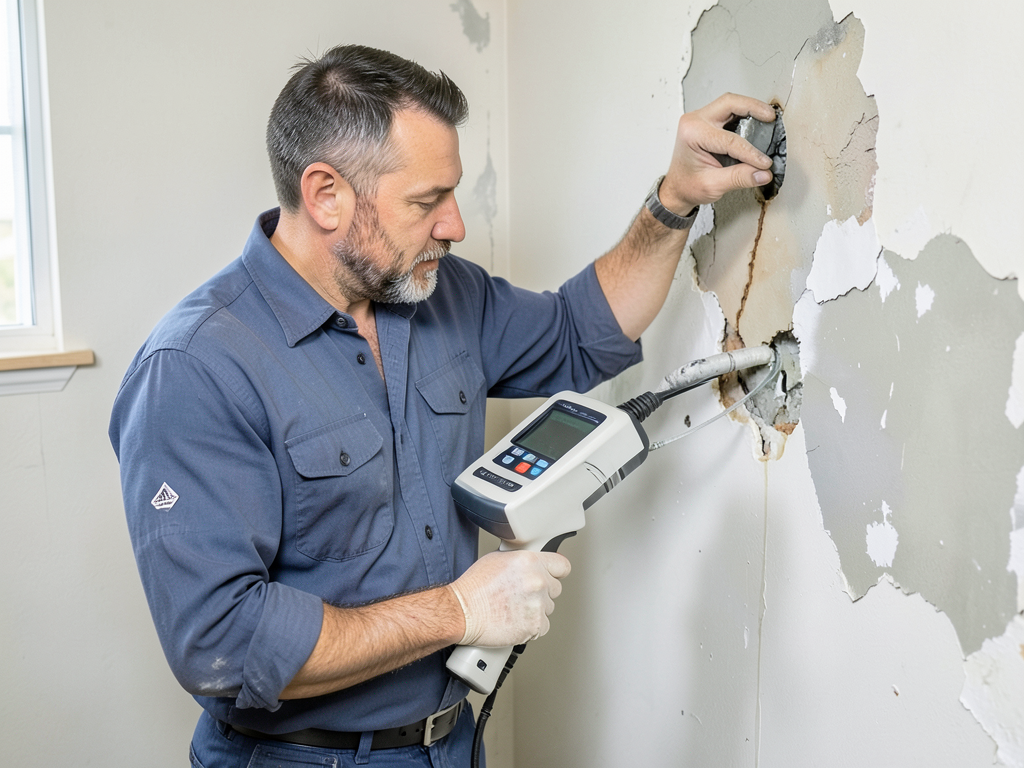
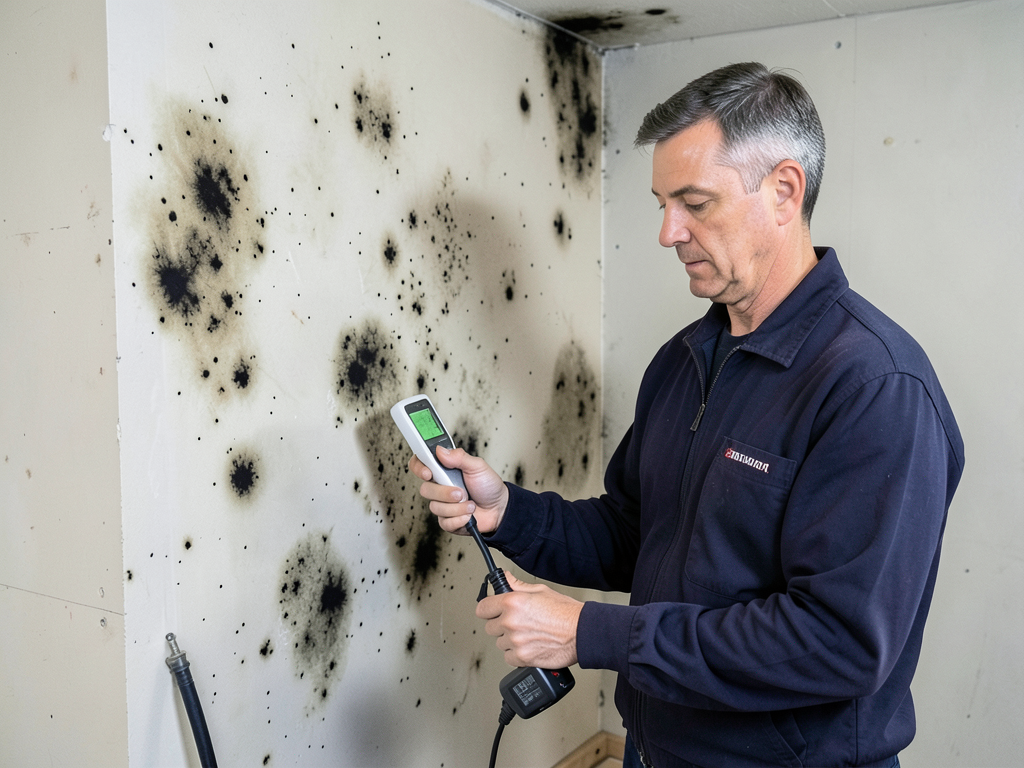
We perform ATP bioluminescence testing on all surfaces contacted by water to measure bacterial load in real-time. You see the digital readout showing contamination levels that guide our disinfection strategy. Air quality sampling identifies specific mold genera and bacterial species so we select antimicrobials proven effective against your exact pathogens. Moisture meters map hidden water intrusion in wall cavities where contamination develops unseen. Thermal imaging reveals temperature differentials indicating microbial activity behind finished surfaces. This diagnostic phase takes one to two hours depending on affected square footage. You receive a written assessment explaining contamination sources, affected materials, and recommended treatment protocols before work begins. No surprises. You understand the scope before we apply the first disinfectant.

Verified Microbial Elimination

You receive lab-verified proof that disinfection eliminated contamination. Post-treatment ATP testing confirms surface bacterial counts drop below baseline thresholds. Air quality sampling shows spore counts return to normal ambient levels. We provide side-by-side before and after documentation with numerical data, not subjective assessments. Odor testing uses trained personnel who evaluate air quality in affected rooms and compare results to unaffected control areas. If any location fails clearance testing, we retreat at no additional charge until verification confirms complete elimination. This quality control protects you from recurring problems and ensures your property meets Ohio health standards for safe occupancy. You get written clearance reports suitable for insurance claims, real estate transactions, or tenant documentation.

Long-Term Contamination Prevention

Five Star applies residual antimicrobial coatings to cleaned surfaces that inhibit microbial regrowth for up to six months. These EPA-registered treatments bond to porous materials and release active ingredients slowly to prevent recolonization during reconstruction. We install HEPA filtration on your HVAC system to capture airborne spores before they settle and germinate on damp surfaces. You receive a maintenance protocol explaining humidity control targets, ventilation requirements, and early warning signs of recurring contamination. We offer annual follow-up air quality testing to verify your property remains contamination-free. If moisture problems recur, we respond immediately to prevent microbial growth before odors develop. Our goal is permanent resolution, not temporary relief.

Frequently Asked Questions

You Have Questions,
We Have Answers

What is the strongest odor eliminator? +

Hydroxyl generators and ozone machines deliver the strongest odor elimination for severe contamination. Hydroxyl technology works safely with occupants present and breaks down odor molecules at the molecular level. Ozone machines require full evacuation but penetrate porous materials like drywall and subflooring. For Columbus homes dealing with flood damage or sewage backups, thermal fogging combined with enzymatic treatments often produces better results than off-the-shelf products. The Ohio Valley's high humidity makes moisture-related odors persistent, so professionals pair odor removal with proper dehumidification. Commercial-grade enzyme cleaners target protein-based odors like pet urine or decomposition more effectively than retail sprays.

What do nursing homes use to get rid of urine smell? +

Nursing homes rely on hospital-grade enzymatic cleaners that digest urine crystals at the source. Products containing live bacterial cultures break down uric acid, which causes lingering ammonia smells in carpets and mattresses. Facilities combine these with hydroxyl generators for occupied spaces and vapor barriers on subflooring when odors penetrate through padding. Columbus care facilities dealing with older HVAC systems often need duct cleaning to prevent odor recirculation. Activated carbon air scrubbers filter airborne particles between deep cleanings. Staff also use encapsulation treatments that seal residual odors into porous surfaces until replacement becomes possible.

How do I permanently get rid of a bad smell in my house? +

Identify the source first. Columbus homes often trap odors in crawl spaces due to Ohio's clay soil and poor ventilation. Professionals use thermal imaging to locate hidden moisture or mold behind walls. Remove contaminated materials like saturated drywall or padding. Treat surfaces with enzymatic cleaners for organic odors or antimicrobial solutions for mold. Seal porous materials like concrete with vapor barriers. Run hydroxyl generators or ozone machines to oxidize remaining molecules. Replace HVAC filters and clean ductwork to stop recirculation. Dehumidifiers prevent future moisture buildup. Surface sprays and candles mask problems temporarily but never eliminate embedded odors permanently.

What do nurses use to block smells? +

Nurses use mentholated ointments like Vicks VapoRub under their nostrils to block strong smells during patient care. Some apply peppermint or eucalyptus oil to mask barriers. Activated carbon masks filter odor particles during wound care or cleanup. These tricks create temporary relief but do not eliminate odors. For Columbus homeowners facing biohazard situations, these methods prove inadequate. Professional sanitization uses source removal and molecular breakdown rather than masking. If you smell sewage, decomposition, or mold in your home, surface-level solutions fail. You need proper extraction, antimicrobial treatment, and air scrubbing to restore safe indoor air quality.

What kills all smells? +

No single product kills all smells. Odor type determines treatment. Ozone oxidizes most organic molecules but requires evacuation and does not work on all chemical odors. Hydroxyl generators handle broader spectrum removal with safer operation. Enzymatic cleaners digest protein-based smells like urine or decomposition. Chlorine dioxide gas penetrates porous materials for mold and mildew. Thermal fogging reaches hidden spaces behind walls. Columbus homes with basement moisture issues often need multiple approaches. Sewage backups require antimicrobial treatment plus enzymatic digestion. Fire damage needs both odor encapsulation and air scrubbing. Effective removal combines source elimination, chemical treatment, and air purification based on contamination type.

What do realtors use to make a house smell good? +

Realtors use staged scents like vanilla, citrus, or baked goods to create emotional appeal during showings. They place reed diffusers, simmer cinnamon sticks, or bake cookies before open houses. These tactics mask problems temporarily but fail inspection if underlying odors exist. Columbus buyers walk away from homes with pet, smoke, or moisture smells. Professional home sellers invest in proper odor removal before listing. Ozone treatment eliminates cigarette smoke embedded in drywall. Enzymatic cleaning removes pet urine from subflooring. Mold remediation addresses basement mustiness common in Ohio Valley homes. Clean homes sell faster and command higher prices than masked ones.

What is the old lady's smell called? +

The smell associated with aging is called nonenal. After age 40, skin produces 2-nonenal, a compound with a greasy, grassy odor that intensifies with poor ventilation. Columbus homes with elderly occupants often trap this smell in carpets, upholstery, and bedding due to closed windows during Ohio winters. Regular laundering and air circulation reduce buildup. Enzymatic cleaners break down skin oils in fabrics. Hydroxyl generators oxidize airborne nonenal molecules without harsh chemicals. Improved ventilation and HVAC filtration prevent accumulation. Deep cleaning before selling an estate property requires professional odor removal to eliminate years of trapped nonenal from porous surfaces and ductwork.

How do professionals remove pee smell? +

Professionals use a three-step process for urine odor removal. First, they locate all contaminated areas with UV blacklights and moisture meters. Urine soaks through carpet into padding and subflooring in Columbus homes with older flooring systems. Next, they extract moisture and apply enzymatic digesters that break down uric acid crystals causing ammonia smell. Severe cases require removing padding and sealing concrete or wood subflooring with vapor barriers. Finally, they run hydroxyl generators or ozone machines to oxidize remaining odor molecules. Retail enzyme sprays only treat surface contamination. Professional equipment and commercial-grade products reach deeper saturation that causes persistent smell.

What do morticians use to block smells? +

Morticians use formaldehyde-based embalming fluids to preserve bodies and control decomposition odors. Funeral homes maintain negative air pressure and run industrial air filtration systems. They apply disinfectant sprays and use ozone generators in preparation rooms. Columbus homeowners facing decomposition situations after unattended deaths need professional biohazard remediation, not funeral industry products. Technicians wear respirators and protective suits during cleanup. They remove contaminated materials, apply antimicrobial treatments, and use hydroxyl generators for occupied spaces or ozone for severe cases. Proper decontamination follows OSHA bloodborne pathogen standards. This work requires specialized training, equipment, and disposal procedures beyond standard cleaning methods.

What is the hardest smell to get rid of in a house? +

Cigarette smoke ranks as the hardest smell to eliminate because tar and nicotine penetrate every porous surface. Columbus homes with decades of smoking show yellow staining on walls, ceilings, and ductwork. Smoke particles embed in drywall, insulation, and HVAC systems. Complete removal requires washing all surfaces with trisodium phosphate, sealing walls with odor-blocking primer, replacing carpeting and padding, and cleaning or replacing ductwork. Ozone treatment oxidizes remaining molecules after surface prep. Decomposition and pet urine also prove difficult when saturation reaches subflooring. Professional assessment determines whether cleaning or material replacement provides better value based on contamination depth.

How Columbus Humidity and River Flooding Complicate Odor Removal

Columbus averages 38 inches of annual precipitation with summer humidity levels regularly exceeding 70 percent. This combination creates ideal conditions for rapid microbial growth after water damage. Properties near the Scioto River in neighborhoods like Franklinton and the Brewery District face elevated flood risk during spring thaw and severe thunderstorms. Floodwater from the Scioto carries agricultural runoff, combined sewer overflow, and organic sediment that deposits Category 3 contaminants into basements and crawl spaces. These flood events require comprehensive antimicrobial treatment because standard drying leaves behind bacteria, protozoa, and endotoxins that generate persistent odors. Ohio's freeze-thaw cycles also stress building envelopes, creating chronic moisture intrusion points where contamination repeatedly develops. Effective odor abatement in Columbus requires addressing both immediate water damage and underlying moisture pathways that allow recurrence.

Five Star Water Damage Restoration Columbus maintains relationships with Franklin County health inspectors and building code officials who oversee post-flood occupancy clearances. We understand local requirements for documentation, testing protocols, and verification standards that protect property owners from liability. Our technicians receive ongoing training in IICRC standards and Ohio Department of Health mold remediation guidelines specific to central Ohio construction types and climate challenges. We source EPA-registered antimicrobials from regional distributors, ensuring immediate availability when you need emergency disinfection services. Choosing a local Columbus provider means working with technicians who understand Scioto River flood patterns, combined sewer system vulnerabilities, and soil conditions that affect your specific neighborhood. This local knowledge translates to faster, more effective sanitization that addresses the root cause, not just the symptoms.
Water Damage Restoration Services in The Columbus Area

We proudly serve the wider Columbus area and its surrounding communities. Our centrally located office allows our emergency response teams to reach your property quickly, no matter where you are. We are committed to being a reliable resource for our neighbors, and our responsive team is always on standby to provide professional assistance when you need it most. We believe that local expertise and a quick response are crucial when dealing with water damage, so we encourage you to view our service area to see if we can help.

Address:
Five Star Water Damage Restoration Columbus, 601 N High St, Columbus, OH, 43215

Additional Services We Offer

Our news updates

Latest Articles & News from The Blogs

Dealing with water damage when you live in a Columbus HOA or condo association Water damage in a Columbus condo…

Dealing with water damage when you live in a Columbus HOA or condo association

Dealing with water damage when you live in a Columbus HOA or condo association Water damage in a Columbus condo…

The real difference between common mildew and dangerous black mold in Eastmoor homes

The real difference between common mildew and dangerous black mold in Eastmoor homes Eastmoor homeowners often spot dark patches in…

Testing your sump pump before the spring rains hit the South Side

Testing your sump pump before the spring rains hit the South Side \n\n Heavy spring rains combined with the clay-rich…

Contact Us

Do not live with contamination or persistent odors from water damage. Call Five Star Water Damage Restoration Columbus at (614) 707-7505 now for emergency sanitization services. Our technicians respond 24/7 with professional-grade disinfection equipment and EPA-registered antimicrobials. Get verified microbial elimination backed by lab testing.