Menu

School & University Restoration in Columbus – Minimizing Downtime and Protecting Academic Operations

Five Star Water Damage Restoration Columbus delivers rapid-response educational facility water damage restoration with phased containment strategies that keep classrooms operational, protect sensitive equipment, and meet institutional compliance standards across Columbus's academic campuses.

Slider Image 1
Slider Image 2
Slider Image 3
Slider Image 4
Slider Image 5
Slider Image 7
Slider Image 8
Slider Image 9
Slider Image 10
Slider Image 11

Why Columbus Educational Facilities Face Unique Water Damage Risks

Columbus's seasonal freeze-thaw cycles and aging infrastructure create persistent water intrusion threats for educational facilities. Buildings constructed in the 1960s through 1980s often feature outdated HVAC systems, deteriorating cast iron piping, and inadequate vapor barriers that fail during extreme weather events.

Universities along the Scioto River corridor face elevated groundwater tables, while older school buildings in German Village and Victorian Village deal with clay soil expansion that cracks foundation walls and compromises basement integrity. When these structural vulnerabilities meet Columbus's humid summer months, mold proliferation accelerates within 48 hours.

Educational facility water damage restoration requires different protocols than residential jobs. You manage liability concerns, occupy buildings with hundreds to thousands of daily occupants, and operate under strict ADA compliance and fire marshal regulations. A burst pipe in a dormitory impacts housing contracts. Flooding in a laboratory threatens research grants and hazardous material protocols. Water infiltration in administrative buildings compromises sensitive student records and financial data.

School disaster recovery services must address immediate safety hazards while maintaining operational continuity. Parents expect classes to resume. Research cannot stop. Athletic programs require functional locker rooms. The financial impact of prolonged closure extends beyond repair costs into lost tuition revenue, rescheduled events, and potential accreditation complications.

Columbus institutions need university flood cleanup services that understand the difference between stopping visible water and addressing hidden moisture in multi-floor mechanical rooms, crawlspaces beneath auditoriums, and interstitial spaces above drop ceilings where HVAC ductwork conceals slow leaks for months.

Why Columbus Educational Facilities Face Unique Water Damage Risks
Phased Containment and Operational Continuity Protocols

Phased Containment and Operational Continuity Protocols

Academic building water damage repair follows a zoned containment approach. We establish hard barriers using polyethylene sheeting and negative air pressure to isolate affected areas while adjacent spaces remain operational. This prevents cross-contamination and allows you to maintain partial building functionality during restoration.

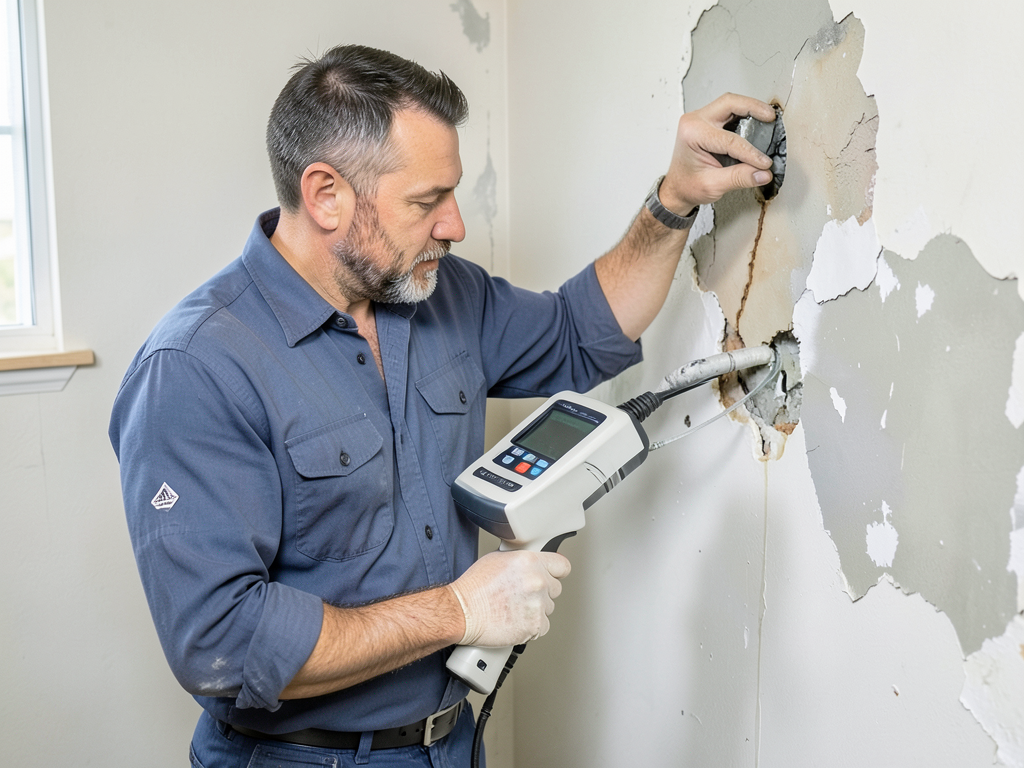
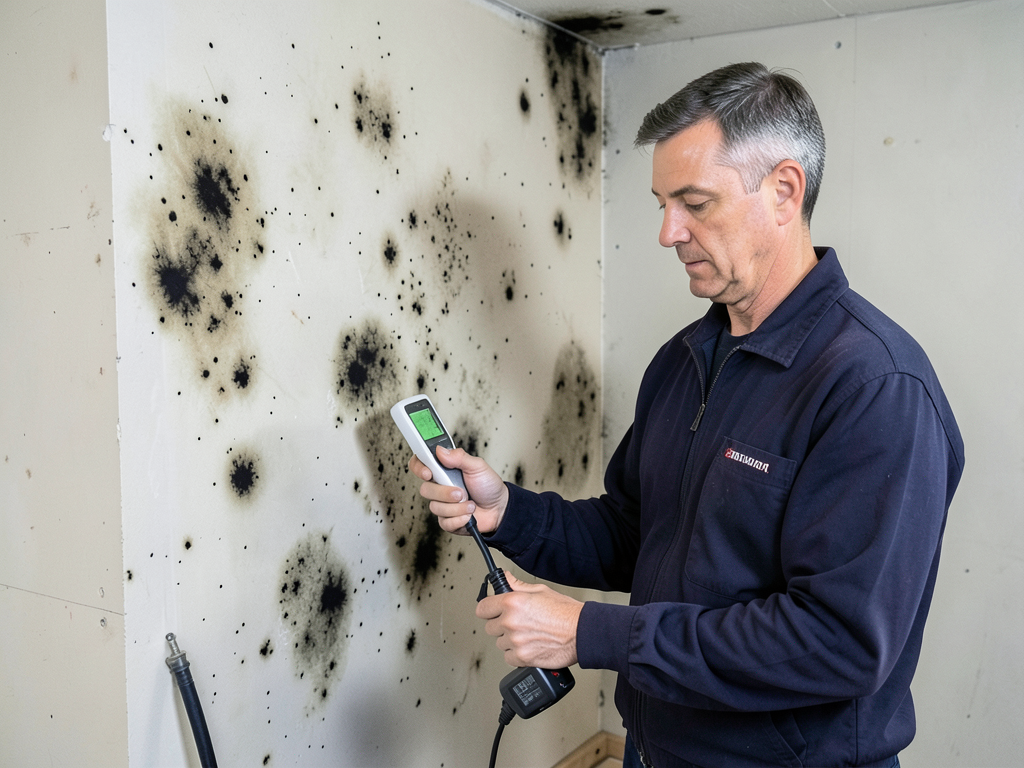
Our first priority involves documenting the loss for your institutional insurance carrier. We photograph affected areas, inventory damaged equipment, and create moisture mapping using thermal imaging cameras and pin-type moisture meters. This documentation proves essential for claims exceeding $100,000, which most educational facility water damage restoration projects reach when factoring in equipment replacement and business interruption.

We deploy truck-mounted extraction units capable of removing standing water from carpet and subflooring in high-traffic corridors within hours, not days. Low-grain refrigerant dehumidifiers pull moisture from structural materials faster than desiccant units while consuming less electricity. This matters when you operate on constrained utility budgets.

College campus water remediation requires understanding building science. We measure vapor pressure differentials between affected materials and ambient air. We calculate grains per pound to determine when structural drying reaches equilibrium. We test for elevated moisture content in wood framing, gypsum board, and concrete using calibrated meters, not guesswork.

For facilities with sensitive electronics, archival materials, or research equipment, we establish climate-controlled drying chambers. Rapid temperature or humidity changes damage computer servers and laboratory instruments more than the water itself. Our hydroxyl generators neutralize odors without producing ozone that corrodes metal components or requires building evacuation.

Five Star Water Damage Restoration Columbus coordinates with your facilities management team, environmental health and safety officers, and insurance adjusters to ensure compliance with OSHA regulations and state building codes throughout the restoration process.

How Educational Facility Restoration Unfolds

School & University Restoration in Columbus – Minimizing Downtime and Protecting Academic Operations
01

Emergency Response and Containment

We dispatch crews within 90 minutes of your call. Our first action involves stopping active water sources and securing electrical panels to prevent shock hazards. We establish containment zones using temporary barriers and signage that meet ADA egress requirements. Infrared cameras identify hidden moisture migration behind walls and under flooring. This initial assessment determines which building sections require immediate closure versus controlled access.
02

Extraction and Structural Drying

Truck-mounted extractors remove standing water from carpeting and concrete floors. We position air movers to create directional airflow across wet surfaces, accelerating evaporation rates. Commercial-grade dehumidifiers operate continuously, monitored remotely via WiFi sensors that track ambient humidity and material moisture content. We adjust equipment placement every 12 hours based on drying progress. For libraries and archives, we employ specialized freeze-drying techniques to salvage water-damaged books and documents.
03

Reconstruction and Compliance Verification

Once materials reach acceptable moisture levels, we begin reconstruction using mold-resistant drywall and antimicrobial treatments on framing lumber. All work meets International Building Code standards and undergoes inspection by your facilities team before closeout. We provide detailed moisture readings, equipment logs, and photographic documentation for your insurance claim. Final air quality testing confirms no elevated mold spore counts before we authorize occupancy.

Why Columbus Institutions Trust Local Restoration Expertise

Columbus educational facilities operate under specific regulatory oversight that out-of-state restoration companies often misunderstand. Ohio's mold remediation licensing requirements, enforced by the Ohio Department of Health, mandate specific containment protocols and disposal procedures. We maintain current licensure and worker certifications that meet state standards.

Five Star Water Damage Restoration Columbus understands the operational realities of Columbus City Schools' facilities, Ohio State University's campus infrastructure, and Columbus State Community College's multi-site challenges. We know which buildings contain asbestos that requires licensed abatement before water damage repairs can proceed. We recognize when lead paint protocols apply to structures built before 1978.

Our crews complete background checks that satisfy institutional security requirements for accessing dormitories, administrative offices, and research facilities. This matters when restoration work occurs in buildings housing minors or confidential student records protected under FERPA regulations.

We coordinate with local building officials who enforce Columbus's amendments to the International Building Code. These modifications affect fire-rated assembly restoration, accessibility compliance during reconstruction, and permit requirements for replacing damaged mechanical systems. We know which repairs trigger plan review requirements versus over-the-counter permits.

Insurance carriers recognize our documentation standards. When your claim involves complex subrogation against mechanical contractors or product manufacturers, our detailed moisture mapping and photographic evidence supports your recovery efforts. We have testified in Franklin County Court regarding causation analysis and industry standard practices.

Our response times matter because we maintain equipment staging in Columbus, not Cleveland or Cincinnati. When a weekend pipe burst floods your science building, you need extraction equipment on-site in hours, not after a Monday morning phone call to a regional office.

What Your Institution Should Expect During Restoration

Response Time and Project Duration

We dispatch emergency response teams 24 hours daily, including holidays and semester breaks. Initial containment and water extraction typically completes within the first 24 hours. Structural drying requires three to seven days depending on building materials and humidity conditions. Reconstruction timelines vary based on damage extent, but we provide detailed schedules before work begins. For large-scale projects affecting multiple classrooms or floors, we phase restoration to maintain maximum building functionality. Our project managers update your facilities team daily via email or text with moisture readings and completion milestones.

Comprehensive Damage Assessment

Our initial assessment documents visible damage and identifies hidden moisture using thermal imaging and moisture meters. We test affected materials at multiple depths to determine if removal or drying applies. You receive a written scope of work detailing square footage of affected areas, equipment requirements, and estimated project duration. This documentation includes floor plans marked with moisture readings and photographs showing damage extent. For insurance purposes, we separate emergency mitigation costs from reconstruction estimates. We identify code upgrade requirements triggered by the loss, such as fire-rated assembly restoration or accessibility improvements mandated when repair costs exceed specific thresholds.

Quality Standards and Final Verification

We follow IICRC S500 standards for water damage restoration, which specify acceptable final moisture content for various building materials. Wood framing must reach below 15 percent moisture content. Concrete floors must measure below 4.5 pH before installing new flooring. We provide certified lab reports for post-remediation air quality testing when mold remediation occurred. All reconstruction work receives inspection approval from Columbus building officials before closeout. You receive complete project documentation including daily moisture logs, equipment placement diagrams, and material disposal manifests. This documentation satisfies institutional auditing requirements and supports insurance claim closure.

Post-Restoration Support and Prevention

After project completion, we conduct a facility walkthrough with your maintenance team to identify vulnerability areas that contributed to the water damage event. We provide written recommendations for preventing future losses, such as upgrading sump pump systems, installing water detection alarms in mechanical rooms, or improving roof drainage around HVAC units. Our crews remain available for follow-up inspections if you detect odors or suspect hidden moisture missed during initial restoration. We maintain project files for five years to support any subsequent insurance questions or warranty claims on reconstruction work. For large institutions, we offer annual facility assessments that identify aging infrastructure before failure occurs.

Frequently Asked Questions

You Have Questions,
We Have Answers

How to reform the school system? +

School system reform involves policy, curriculum, and governance changes that fall outside restoration contractor expertise. However, when Columbus schools and universities suffer water damage, fire damage, or mold contamination, physical restoration is critical to maintaining safe learning environments. Facilities must meet Ohio building codes and ADA compliance. Restoration contractors coordinate with school administrators to minimize downtime, work during off-hours, and restore classrooms, labs, and administrative spaces quickly. Proper restoration protects your institution's investment and ensures students return to safe, functional buildings. Focus on licensed contractors with education sector experience in Columbus.

What does restoration mean in science? +

In science, restoration refers to returning an ecosystem, habitat, or physical system to its original condition. For Columbus educational facilities, restoration means returning fire-damaged labs, water-damaged libraries, or mold-contaminated classrooms to pre-loss condition. This includes structural drying, demolition of unsalvageable materials, antimicrobial treatment, reconstruction, and air quality testing. Restoration contractors use moisture meters, thermal imaging, and HEPA filtration to document progress. The goal is full functionality and safety, meeting Ohio Department of Education standards. Restoration differs from renovation because it focuses on damage reversal, not upgrades.

What is called a university? +

A university is a degree-granting institution offering undergraduate and graduate programs across multiple disciplines. Columbus hosts major universities like Ohio State University, requiring specialized restoration services when damage occurs. University facilities include research labs, dormitories, dining halls, athletic complexes, and historic buildings. Water damage from burst pipes, roof leaks, or flooding threatens sensitive equipment, archives, and student housing. Restoration contractors must understand the operational demands of higher education, work around academic calendars, and coordinate with multiple departments. Large-scale university restoration requires experience managing complex projects with minimal disruption to campus life.

What is the definition of a school? +

A school is an educational institution serving students from early childhood through secondary education. Columbus schools face unique restoration challenges due to Ohio's humid summers and freeze-thaw cycles that stress building envelopes. Water intrusion, mold growth, fire damage, and storm damage disrupt learning and pose health risks. Restoration contractors must comply with strict safety protocols, work around student schedules, and coordinate with school boards. Fast response minimizes lost instruction time. Proper restoration protects building assets, maintains indoor air quality, and ensures compliance with state facility standards for Columbus-area K-12 institutions.

What are the 3 C's in school? +

The 3 C's in education typically refer to communication, collaboration, and critical thinking. For facility managers overseeing Columbus school restoration projects, the 3 C's translate differently: clear communication with contractors, collaboration between administration and trades, and critical assessment of damage scope. Water damage restoration requires transparent updates on progress, coordinated scheduling to avoid disrupting classes, and accurate evaluation of hidden moisture or mold. Effective restoration partners provide detailed documentation, work within your budget constraints, and prioritize student safety. These operational C's ensure your school restoration project stays on schedule and compliant with Ohio codes.

What are the 5 essential supports for school improvement? +

School improvement frameworks identify five essential supports: ambitious instruction, supportive environment, effective leadership, family engagement, and collaborative teachers. From a facilities perspective, Columbus schools require a supportive physical environment free from water damage, mold, and structural hazards. Restoration contractors support this by maintaining safe buildings. After damage events, swift restoration prevents mold growth that triggers asthma and allergies, repairs HVAC systems that affect air quality, and restores structural integrity. Proper restoration allows teachers and administrators to focus on educational outcomes rather than facility failures. Safe buildings are the foundation for all other improvement efforts.

What are the 5 components of restoration? +

The five components of physical restoration are assessment, water extraction, drying and dehumidification, cleaning and sanitizing, and reconstruction. Columbus schools require thorough assessment using moisture detection tools to identify hidden damage in walls and ceilings. Extraction removes standing water quickly to prevent secondary damage. Industrial dehumidifiers and air movers dry structural components to prevent mold. Antimicrobial treatments sanitize affected areas. Finally, reconstruction rebuilds damaged classrooms, offices, or labs to pre-loss condition. Each phase requires documentation for insurance claims and compliance with Ohio building codes. Experienced restoration contractors follow this systematic process to ensure complete recovery.

What does restoration mean in school? +

Restoration in school contexts means returning damaged educational facilities to safe, functional condition after water damage, fire, vandalism, or other disasters. Columbus schools face restoration needs from burst pipes during winter breaks, roof leaks during spring storms, or sewage backups in aging infrastructure. Restoration contractors extract water, dry structures, remove contaminated materials, treat mold, and rebuild affected spaces. The goal is minimizing downtime so students return to safe classrooms quickly. Restoration differs from maintenance because it addresses acute damage events, not routine wear. Proper restoration protects your institution's liability and preserves educational continuity.

What are the two types of restoration? +

The two main types of restoration are structural restoration and contents restoration. Structural restoration addresses building components like drywall, flooring, framing, and mechanical systems damaged by water, fire, or mold in Columbus schools. Contents restoration salvages furniture, equipment, documents, and technology through specialized cleaning, drying, and deodorization. Educational facilities often require both. A flooded university library needs structural drying of walls and ceilings plus contents restoration for books and archives. Restoration contractors assess which items are salvageable versus total loss, document everything for insurance, and coordinate both processes simultaneously to minimize disruption and costs.

What is the #1 university in the world? +

University rankings vary by methodology, but institutions like MIT, Oxford, and Stanford frequently rank highest globally. However, for Columbus school and university restoration needs, ranking matters less than local expertise. Ohio State University and Columbus City Schools require contractors who understand Midwest climate challenges, Ohio building codes, and education sector scheduling demands. When your facility suffers water damage or fire loss, you need immediate response from experienced local contractors, not global rankings. Focus on certified restoration companies with education sector references in Columbus. Speed, compliance, and minimal downtime determine success in school restoration projects.

How Columbus Climate Patterns Accelerate Water Damage in Educational Buildings

Columbus experiences 39 inches of annual precipitation with peak rainfall during spring and early summer. This seasonal pattern coincides with academic year endings when facilities staff face budget constraints and deferred maintenance backlogs. Aging flat roofs on science buildings and gymnasiums develop ponding issues that penetrate membrane seams. The city's clay soil shrinks during dry periods and expands when saturated, creating hydrostatic pressure against basement foundation walls common in older campus buildings throughout Clintonville and the University District. This soil movement cracks poured concrete foundations and creates entry points for groundwater infiltration that manifests as chronic dampness in mechanical rooms and storage areas.

Columbus educational institutions face regulatory oversight from multiple agencies. The Ohio Department of Health enforces mold remediation standards. The Ohio Facilities Construction Commission reviews capital improvement projects at state-funded schools. Local fire marshals enforce occupancy restrictions during restoration work affecting egress routes. Five Star Water Damage Restoration Columbus maintains relationships with these regulatory bodies and understands their inspection criteria. We coordinate permit applications, schedule required inspections, and ensure restoration work meets code compliance before your students return to affected buildings. Our local expertise prevents project delays caused by failed inspections or overlooked permit requirements that out-of-state contractors frequently encounter.
Water Damage Restoration Services in The Columbus Area

We proudly serve the wider Columbus area and its surrounding communities. Our centrally located office allows our emergency response teams to reach your property quickly, no matter where you are. We are committed to being a reliable resource for our neighbors, and our responsive team is always on standby to provide professional assistance when you need it most. We believe that local expertise and a quick response are crucial when dealing with water damage, so we encourage you to view our service area to see if we can help.

Address:
Five Star Water Damage Restoration Columbus, 601 N High St, Columbus, OH, 43215

Additional Services We Offer

Our news updates

Latest Articles & News from The Blogs

Dealing with water damage when you live in a Columbus HOA or condo association Water damage in a Columbus condo…

Dealing with water damage when you live in a Columbus HOA or condo association

Dealing with water damage when you live in a Columbus HOA or condo association Water damage in a Columbus condo…

The real difference between common mildew and dangerous black mold in Eastmoor homes

The real difference between common mildew and dangerous black mold in Eastmoor homes Eastmoor homeowners often spot dark patches in…

Testing your sump pump before the spring rains hit the South Side

Testing your sump pump before the spring rains hit the South Side \n\n Heavy spring rains combined with the clay-rich…

Contact Us

Water damage threatens academic operations, student safety, and institutional liability. Five Star Water Damage Restoration Columbus responds immediately to minimize disruption and begin recovery. Call (614) 707-7505 now for emergency dispatch or scheduled facility assessment.