Menu

Signs of Hidden Mold in Columbus – Expert Detection to Protect Your Property and Health

Five Star Water Damage Restoration Columbus uses thermal imaging and moisture mapping technology to identify symptoms of concealed mold before it spreads, protecting your family and your investment in Columbus homes and businesses.

Slider Image 1
Slider Image 2
Slider Image 3
Slider Image 4
Slider Image 5
Slider Image 7
Slider Image 8
Slider Image 9
Slider Image 10
Slider Image 11

Columbus Humidity Creates Perfect Conditions for Concealed Mold Growth

Columbus sits in the humid continental climate zone where summer humidity regularly exceeds 70 percent. This moisture hangs in the air and seeps into wall cavities, crawl spaces, and attics. The Scioto and Olentangy Rivers create additional moisture challenges for homes in German Village, Clintonville, and neighborhoods near the floodplains.

You smell something musty. Your allergies flare up indoors. You see discoloration on walls or ceilings but no visible mold. These are indicators of invisible mold thriving where you cannot see it.

Columbus homes built before 1980 often lack proper vapor barriers. The clay soil common throughout Franklin County traps moisture around foundations. When basement humidity rises, moisture wicks up into drywall and insulation. Mold spores colonize these hidden spaces within 24 to 48 hours after water intrusion.

Evidence of unseen mold includes peeling wallpaper, warped baseboards, and water stains that appear then fade. You might notice condensation on windows or a persistent earthy odor in specific rooms. Detecting hidden mold requires looking beyond surface symptoms.

The challenge is that signs of mold behind walls do not announce themselves. By the time you see surface growth, the colony has likely spread through wall cavities and compromised indoor air quality. Columbus homeowners need systematic detection methods to catch mold before it becomes a health hazard and a structural liability.

Columbus Humidity Creates Perfect Conditions for Concealed Mold Growth
How Professional Mold Detection Identifies What You Cannot See

How Professional Mold Detection Identifies What You Cannot See

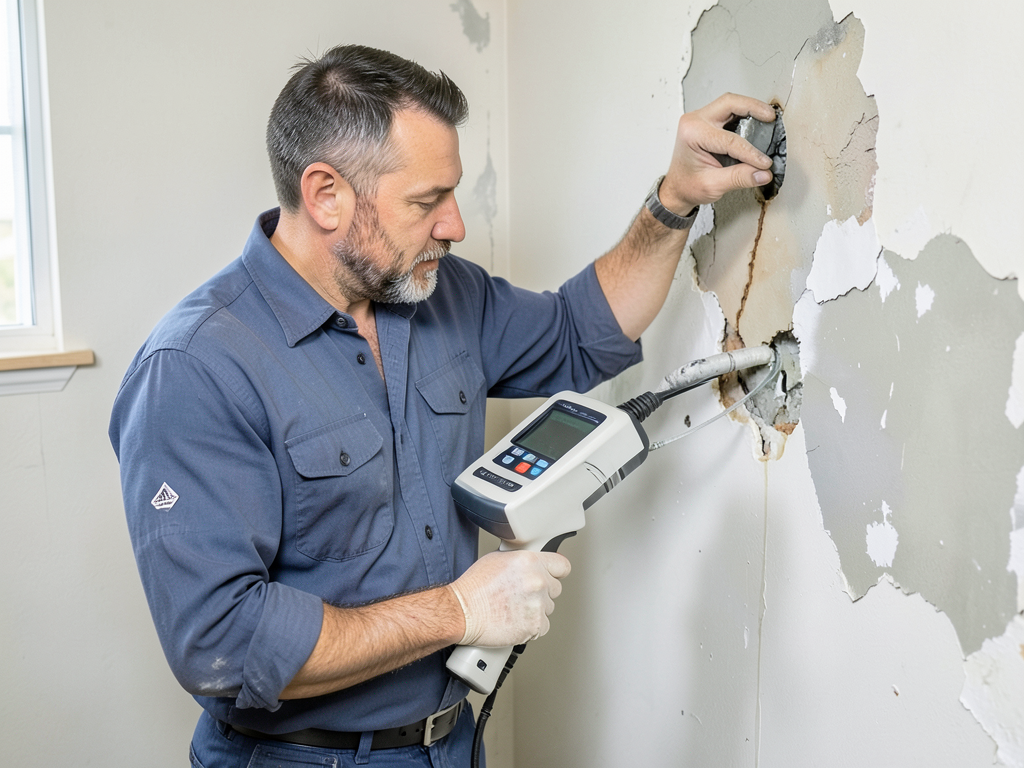
Surface inspection misses 80 percent of mold problems. We use FLIR thermal imaging cameras to detect temperature differentials that indicate moisture behind walls. Cold spots on an interior wall during summer reveal evaporative cooling from hidden water. Hot spots suggest trapped humidity.

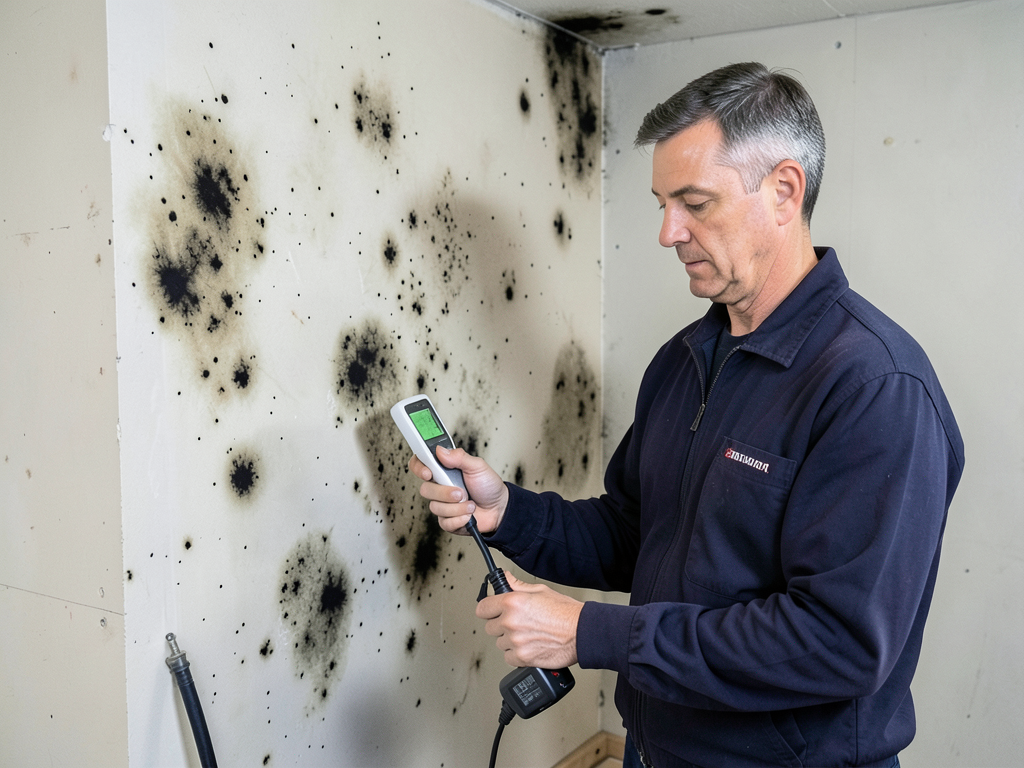
Our moisture meters measure relative humidity in wall cavities without demolition. We drill small probe holes to test moisture content in drywall, studs, and insulation. Readings above 17 percent indicate conditions favorable for mold growth. Readings above 20 percent confirm active moisture intrusion.

We perform air quality sampling to measure airborne spore counts. High spore concentrations in one room compared to outdoor baseline levels indicate a hidden source. We also use borescope cameras to inspect inside wall cavities, above ceilings, and below floors through minimal access points.

The inspection creates a moisture map of your property. We document elevated readings, thermal anomalies, and visual evidence. This data helps us pinpoint the water source. Mold is a symptom. The root cause is always moisture intrusion from plumbing leaks, roof damage, foundation cracks, or poor ventilation.

We trace moisture pathways to find the origin. A ceiling stain might trace back to a roof leak three rooms away. Basement mold might stem from exterior grading that directs rain toward your foundation. We connect the symptoms of concealed mold to the underlying water problem. Then we build a remediation plan that addresses both the mold and the moisture source.

What Happens During a Hidden Mold Inspection

Signs of Hidden Mold in Columbus – Expert Detection to Protect Your Property and Health
01

Visual and Olfactory Assessment

We start by walking through your property to identify visible water damage, discoloration, and musty odors. We check common problem areas like basements, crawl spaces, attics, bathrooms, and around HVAC systems. We document any staining, warping, or efflorescence on surfaces. This initial assessment guides where we deploy detection equipment and helps us understand the scope of potential contamination.
02

Moisture and Thermal Scanning

We use thermal imaging to scan walls, ceilings, and floors for temperature anomalies. We follow up with invasive moisture meters to quantify humidity levels inside building materials. We probe wall cavities, test insulation, and measure moisture in subflooring. We map the data to create a visual report showing where moisture is trapped. This identifies hidden water intrusion and predicts where mold colonies are growing.
03

Air Sampling and Lab Analysis

We collect air samples from affected areas and send them to an accredited microbiology lab. The lab identifies mold species and quantifies spore concentrations. Results confirm whether you have a mold problem and whether it poses health risks. We review the report with you and outline a remediation plan. If elevated spore counts confirm hidden mold, we proceed with containment, removal, and moisture correction to eliminate the problem permanently.

Why Columbus Property Owners Trust Local Mold Detection Experts

Columbus has unique mold challenges that out-of-town contractors do not understand. We know that homes in Bexley and Upper Arlington with stone foundations often have hidden moisture issues. We know that Victorian homes in Victorian Village trap humidity in ornate plaster walls. We know that ranch homes built in the 1960s in Worthington and Dublin often lack crawl space ventilation.

We understand Ohio building codes and Columbus inspection requirements. We know that Franklin County requires proper mold remediation protocols during home sales. We work with local insurance adjusters who understand regional moisture problems and approve claims based on documented evidence.

Five Star Water Damage Restoration Columbus has built relationships with structural engineers, HVAC contractors, and roofers who help us address underlying moisture sources. Mold remediation is not just about cleaning surfaces. It requires fixing the water problem. We coordinate trades to ensure your property stays dry after remediation.

We also understand the health risks mold poses to Columbus residents. Central Ohio has high pollen counts that aggravate allergies. Indoor mold adds to the respiratory burden. We take air quality seriously because we live and work in this community.

When you hire us, you get a team that knows Columbus construction methods, Columbus climate challenges, and Columbus regulations. We provide detailed reports that satisfy insurance companies and meet Ohio Department of Health guidelines. We do not cut corners. We follow IICRC S520 mold remediation standards and ANSI guidelines for professional mold inspection. You get documentation that protects your property value and your family.

What to Expect During Professional Mold Detection

Rapid Scheduling and Response

We schedule inspections within 24 to 48 hours of your call. Mold grows quickly. Waiting a week allows colonies to expand and spore counts to rise. We prioritize urgent cases where occupants have respiratory symptoms or visible water damage. Our inspections take two to four hours depending on property size. We provide same-day verbal findings and deliver written reports within 48 hours. If we find active mold, we can start containment and remediation immediately.

Comprehensive Property Evaluation

We inspect every area where moisture accumulates. That includes basements, crawl spaces, attics, bathrooms, kitchens, laundry rooms, and around windows. We check HVAC ducts and air handlers for mold growth. We inspect behind appliances and under sinks. We use moisture meters on walls adjacent to bathrooms and kitchens where plumbing leaks occur. We document findings with photos and thermal images. You get a detailed map showing where moisture and mold are present.

Lab-Verified Mold Identification

Air samples and surface swabs go to an independent lab for analysis. The lab identifies mold species and measures spore concentrations. Some molds like Stachybotrys chartarum produce mycotoxins and require aggressive remediation. Other species are less hazardous but still indicate moisture problems. Lab results give you clear data to make informed decisions. Insurance companies and real estate transactions require third-party lab confirmation. We provide certified reports that meet those requirements.

Remediation Planning and Post-Clearance Testing

After detection, we create a remediation plan that addresses both mold removal and moisture correction. We outline containment procedures, removal methods, and repairs needed. Once remediation is complete, we perform post-clearance air sampling to verify that spore counts have returned to safe levels. We do not consider the job finished until lab results confirm your property is safe. We also provide recommendations for preventing future mold growth through dehumidification, ventilation improvements, and waterproofing.

Frequently Asked Questions

You Have Questions,
We Have Answers

How do I tell if my house has hidden mold? +

Look for musty, earthy odors in basements, crawl spaces, or behind walls. Check for visible discoloration on drywall, ceilings, or around windows. Columbus homes with older plumbing or poor attic ventilation often hide mold in wall cavities. Pay attention to persistent allergy symptoms that worsen indoors. Warped baseboards, peeling wallpaper, or water stains signal moisture problems. Condensation on windows during humid Ohio summers creates breeding grounds. Use a flashlight to inspect dark corners, under sinks, and around HVAC vents. If you smell mold but cannot locate it, hire a certified inspector with thermal imaging equipment.

What are signs of mold sickness? +

Respiratory symptoms appear first: persistent coughing, wheezing, throat irritation, or nasal congestion that does not improve outdoors. You may experience chronic fatigue, headaches, or difficulty concentrating. Skin rashes and eye irritation are common. Some Columbus residents report worsening asthma or sinus infections tied to basement moisture. Neurological symptoms include brain fog, memory problems, or mood changes. Digestive issues can occur with prolonged exposure. Symptoms often improve when you leave your home for extended periods. If multiple family members experience these signs simultaneously, hidden mold is likely. Seek medical evaluation and professional mold remediation immediately.

Can mold cause croup? +

Mold does not directly cause croup, but it triggers respiratory inflammation that worsens croup symptoms in children. Mold spores irritate airways, increasing mucus production and swelling in the throat. Kids exposed to household mold experience more frequent and severe croup episodes. Columbus homes with damp basements or poor ventilation create ideal mold conditions during humid spring and summer months. If your child has recurrent croup with characteristic barking cough, inspect your home for hidden mold. Address moisture sources around bathrooms, kitchens, and crawl spaces. Consult your pediatrician about environmental triggers while scheduling a professional mold inspection.

Can mold cause twitching? +

Mold exposure can cause neurological symptoms, including muscle twitching or spasms. Mycotoxins produced by certain mold species affect the nervous system, triggering involuntary movements, tremors, or fasciculations. These neurotoxic effects vary based on mold type, exposure duration, and individual sensitivity. Columbus residents with hidden mold in HVAC systems may experience systemic exposure. Twitching often accompanies other neurological symptoms like headaches, dizziness, or cognitive issues. If you notice unexplained muscle twitching alongside respiratory symptoms or musty odors at home, investigate for hidden mold. See a physician to rule out other medical conditions while addressing potential environmental toxins.

What are the symptoms of silent mold? +

Silent mold grows undetected but causes health symptoms: chronic fatigue, persistent headaches, unexplained allergies, or sinus congestion. You may notice cognitive issues like brain fog, poor concentration, or memory problems. Respiratory symptoms include chronic cough, shortness of breath, or chest tightness without obvious cause. Sleep disturbances and mood changes occur with prolonged exposure. Columbus homes with hidden moisture in wall cavities or attics harbor silent mold. Watch for subtle musty odors, especially in basements or crawl spaces. If symptoms improve away from home, mold is the likely culprit. Professional testing identifies hidden growth before visible damage occurs.

Can air purifiers help with mold? +

Air purifiers with HEPA filters capture airborne mold spores, reducing exposure temporarily. They do not eliminate the mold source or prevent regrowth. Purifiers help manage air quality during remediation but cannot replace professional mold removal. In Columbus homes, purifiers work best alongside dehumidifiers to control humidity below 50 percent. Place units in bedrooms or high-traffic areas. Look for models with activated carbon filters to absorb musty odors. Change filters regularly to maintain effectiveness. Remember, purifiers treat symptoms, not causes. You must locate and remediate moisture sources, repair leaks, and remove contaminated materials for permanent resolution.

What are the 10 warning signs of mold toxicity? +

Watch for these ten warning signs: chronic fatigue that does not improve with rest, persistent headaches or migraines, memory loss or brain fog, respiratory issues like coughing or wheezing, sinus congestion without infection, skin rashes or irritation, digestive problems, muscle aches or joint pain, mood swings or anxiety, and sensitivity to light or sound. Columbus residents with basement moisture or poor ventilation face higher risk. Multiple symptoms appearing together indicate systemic exposure. Children and elderly family members show symptoms first. If several household members experience these signs, hidden mold is likely. Schedule professional testing and medical evaluation immediately to prevent long-term health effects.

How do I test my house for mold? +

Start with a visual inspection of basements, crawl spaces, bathrooms, and attics. Check behind appliances, under sinks, and around windows. Use a moisture meter to identify hidden dampness in walls or ceilings. DIY test kits provide limited information about spore levels. For accurate assessment in Columbus homes, hire a certified mold inspector with thermal imaging cameras and air quality testing equipment. Inspectors collect samples from suspected areas and analyze them in labs. Professional testing identifies mold species, concentration levels, and hidden growth locations. Costs vary based on home size and testing scope. Results guide remediation plans and help prevent future growth.

What kills mold naturally? +

White vinegar kills most mold species on non-porous surfaces. Spray undiluted vinegar directly on affected areas, wait one hour, then scrub and rinse. Baking soda mixed with water creates a mild abrasive cleaner. Tea tree oil or grapefruit seed extract work for small patches. These methods handle surface mold on tile, glass, or metal. Natural solutions fail on porous materials like drywall or wood, where mold penetrates deep. Columbus homes with extensive growth require professional remediation. Natural cleaners cannot address hidden mold in wall cavities or structural damage. Use them only for minor surface issues after fixing moisture sources.

How do I tell if mold is in my lungs? +

You cannot self-diagnose lung mold without medical testing. Symptoms include persistent cough with mucus, shortness of breath, chest tightness, wheezing, or fever. Aspergillosis occurs when mold colonizes lung tissue, causing severe respiratory distress. People with compromised immune systems or chronic lung conditions face higher risk. If you experience these symptoms alongside known mold exposure in your Columbus home, see a pulmonologist immediately. Doctors use chest X-rays, CT scans, blood tests, or sputum cultures to diagnose fungal lung infections. Early detection prevents permanent lung damage. Address household mold sources while receiving medical treatment for respiratory symptoms.

Why Columbus River Proximity and Clay Soil Increase Hidden Mold Risk

Columbus sits at the confluence of the Scioto and Olentangy Rivers. Homes in Franklinton, Brewery District, and the Scioto Mile face elevated groundwater and seasonal flooding. The clay-heavy soil throughout Franklin County does not drain well. Water pools around foundations and seeps into basements. Symptoms of concealed mold are common in older neighborhoods where foundation waterproofing was minimal. Detecting hidden mold requires understanding how local hydrology affects your property. Indicators of invisible mold appear in basements after heavy rain because water has nowhere to go.

Columbus homes built before 1950 often lack vapor barriers and modern drainage systems. German Village row houses have shared walls where moisture migrates between units. Victorian Village homes have thick plaster walls that trap humidity. We understand these construction styles and know where mold hides. Five Star Water Damage Restoration Columbus has worked with the Franklin County Building Department on remediation projects. We follow Ohio EPA guidelines for mold abatement. We know local codes. We know local building methods. We know Columbus moisture problems because we have solved them for hundreds of homeowners.
Water Damage Restoration Services in The Columbus Area

We proudly serve the wider Columbus area and its surrounding communities. Our centrally located office allows our emergency response teams to reach your property quickly, no matter where you are. We are committed to being a reliable resource for our neighbors, and our responsive team is always on standby to provide professional assistance when you need it most. We believe that local expertise and a quick response are crucial when dealing with water damage, so we encourage you to view our service area to see if we can help.

Address:
Five Star Water Damage Restoration Columbus, 601 N High St, Columbus, OH, 43215

Additional Services We Offer

Our news updates

Latest Articles & News from The Blogs

Dealing with water damage when you live in a Columbus HOA or condo association Water damage in a Columbus condo…

Dealing with water damage when you live in a Columbus HOA or condo association

Dealing with water damage when you live in a Columbus HOA or condo association Water damage in a Columbus condo…

The real difference between common mildew and dangerous black mold in Eastmoor homes

The real difference between common mildew and dangerous black mold in Eastmoor homes Eastmoor homeowners often spot dark patches in…

Testing your sump pump before the spring rains hit the South Side

Testing your sump pump before the spring rains hit the South Side \n\n Heavy spring rains combined with the clay-rich…

Contact Us

Do not wait for mold to spread. Call Five Star Water Damage Restoration Columbus at (614) 707-7505 for a comprehensive mold detection inspection. We respond quickly and provide lab-verified results. Protect your health and your property.