
Simple landscaping fixes to keep rainwater away from your Southern Orchards foundation
Water pooling near your Southern Orchards home’s foundation creates a serious risk for basement flooding and structural damage. Columbus’ heavy clay soil combined with intense spring rains means surface water can quickly saturate the ground and seep through foundation walls. The good news is that several straightforward landscaping improvements can redirect rainwater away from your home before it becomes a costly water damage restoration project. Professional water damage restoration for Short North shops and galleries.
The key to effective yard drainage is understanding how water moves across your property and where it collects. In Southern Orchards, many homes sit on flat or slightly sloped lots where water naturally flows toward the foundation. By implementing proper grading, installing French drains, and extending downspouts, you can create a drainage system that protects your basement and foundation for years to come.
Understanding Southern Orchards’ drainage challenges
Southern Orchards faces unique drainage issues due to its location in central Columbus. The area sits on dense clay soil that drains poorly compared to sandy or loamy soils. When heavy rains hit, water moves slowly through this clay, creating surface pooling and hydrostatic pressure against foundation walls.
Many Southern Orchards homes were built between the 1920s and 1950s, featuring shallow foundations and minimal waterproofing. These older structures are particularly vulnerable to water infiltration when surrounding soil becomes saturated. The neighborhood’s flat topography means water has nowhere to go without proper grading and drainage systems.
Local building patterns also contribute to drainage problems. Close lot lines, shared driveways, and mature trees with extensive root systems can block natural water flow paths. Understanding these factors helps you design drainage solutions that work with your property’s specific conditions rather than against them.
Essential grading and slope corrections
Proper grading is the foundation of any effective drainage system. The ground around your home should slope away at a minimum of six inches over the first ten feet. This gentle slope directs water away from your foundation before it can pool or seep into the soil near your basement walls.
Start by checking your current grade with a level and measuring tape. Place the level on the ground near your foundation and measure the drop over ten feet. If water pools within six feet of your foundation after rain, you need to regrade that area. Fill low spots with clean topsoil, not mulch or gravel, which can wash away during heavy storms. Fixing storm and flood damage in Hilliard after heavy rains.
Pay special attention to areas where downspouts discharge. Water from gutters can create erosion channels that deepen over time, eventually directing water back toward your foundation. Create a swale or shallow ditch to carry this water at least ten feet away from your home, or install a buried drainage pipe to transport it to a safe discharge point.
French drain installation for persistent water issues
When grading alone cannot solve your drainage problems, a French drain system provides an effective underground solution. This perforated pipe system collects subsurface water and channels it away from your foundation before it can cause damage.
French drains work by creating a gravel-filled trench that allows water to flow freely toward a collection pipe. The pipe, typically four to six inches in diameter, has small holes along its length that collect water from surrounding soil. This water then flows downhill through the pipe to a discharge point away from your home.
Installation requires digging a trench at least 18 inches deep and 12 inches wide. Line the trench with landscape fabric to prevent soil from clogging the system, then add a layer of gravel. Place the perforated pipe with holes facing down, cover it with more gravel, and wrap the fabric over the top before backfilling with soil. The discharge end should empty into a dry well, rain garden, or storm drain at least ten feet from your foundation.
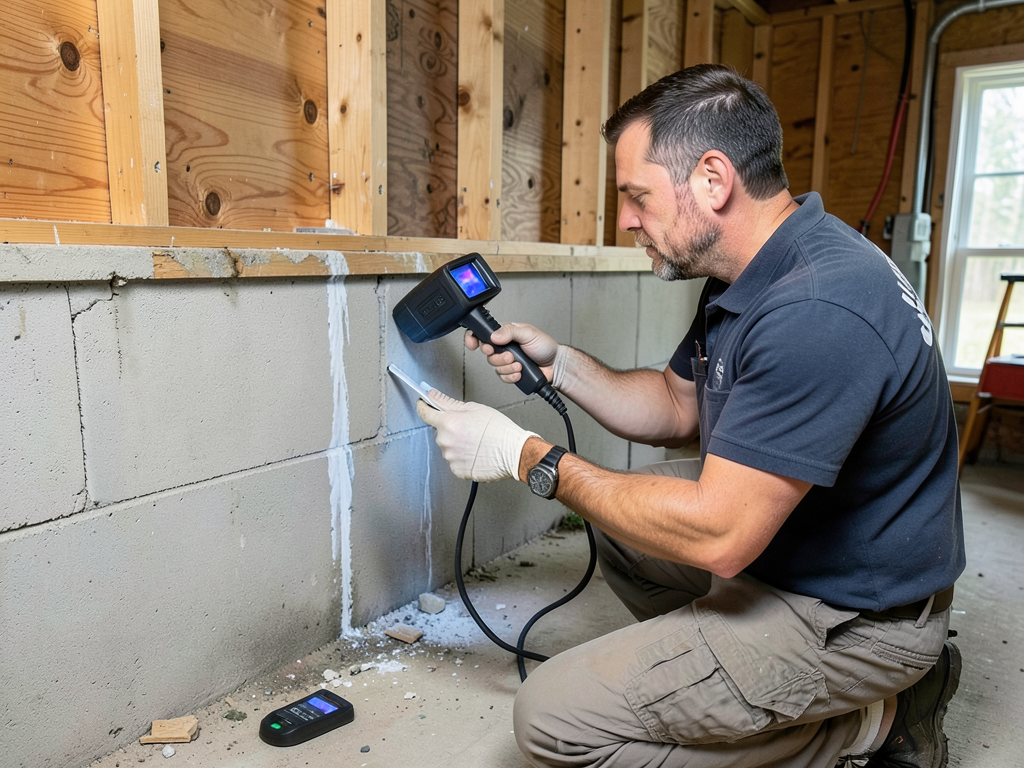
Diagram showing French drain installation with perforated pipe, gravel layers, and proper slope for water flow away from foundation
Catch basin and dry well systems
Catch basins collect surface water from specific problem areas and direct it underground through drainage pipes. These square or round structures sit flush with your lawn and connect to buried pipes that carry water to a safe discharge location.
Install catch basins at low points where water naturally collects, such as the bottom of slopes or near driveway edges. The basin’s grated top allows water to flow in while keeping debris out. Connect multiple basins with solid drain pipe to create a comprehensive surface drainage system.
Dry wells provide an excellent discharge solution for collected water. These underground chambers, typically 36 to 48 inches deep and filled with gravel, allow water to slowly percolate into surrounding soil. A dry well prevents water from simply being dumped onto a neighbor’s property or into storm drains, making it an environmentally responsible choice.
When installing dry wells, ensure they sit at least ten feet from your foundation and any nearby structures. The bottom should be at least two feet above the seasonal high water table to prevent saturation. In Southern Orchards’ clay soil, you may need a larger dry well or multiple units to handle heavy rainfall volumes.
Gutter downspout extensions and burial
Roof drainage often contributes more water to foundation problems than surface runoff. A typical 2,000-square-foot roof can shed over 1,200 gallons of water during a one-inch rainstorm. Without proper downspout management, this water dumps directly against your foundation.
Standard downspout extensions provide a quick fix by carrying water at least six feet from your home. However, these above-ground extensions often get damaged, disconnected, or become tripping hazards. Buried downspout extensions offer a more permanent solution that keeps your yard looking tidy while effectively moving water away.
To install buried extensions, connect solid drain pipe to your downspouts and bury it at least six inches deep. The pipe should slope away from your home at a minimum of one percent grade. Use SDR-35 or similar durable pipe that resists crushing and root intrusion. Direct the pipe to a dry well, rain garden, or the street’s storm drain system.
Consider installing debris filters at downspout connections to prevent leaves and twigs from clogging your underground system. Clean these filters seasonally to maintain proper water flow. In Southern Orchards’ mature neighborhoods, tree roots can invade underground pipes, so use root barrier fabric where pipes pass near large trees.
Plant selection and root barriers for moisture control
Strategic landscaping can help manage moisture levels around your foundation while adding beauty to your yard. Deep-rooted plants can help dry out soil, while shallow-rooted ground covers prevent erosion on slopes.
Choose plants with deep root systems that can access moisture far below the surface. Native Ohio species like switchgrass, little bluestem, and black-eyed Susan develop extensive root networks that improve soil structure and water infiltration. These plants also require less irrigation once established, reducing overall moisture near your foundation.
Avoid planting water-loving species like willows, birches, or certain maples near your home. These trees have aggressive root systems that can damage foundation walls and underground pipes while increasing soil moisture levels through transpiration.
Install root barriers when planting near your foundation to prevent roots from growing toward your home. These physical barriers, typically made from heavy-duty plastic or metal, extend at least 18 inches deep and should angle away from your foundation at 30 degrees. This forces roots to grow downward and outward rather than toward your home’s structure.
Hardscaping solutions for water management
Patios, walkways, and driveways can either contribute to or solve drainage problems depending on their design. Permeable paving materials allow water to soak through rather than run off, reducing the volume that reaches your foundation.
Pervious concrete, permeable pavers, and gravel paths let rainwater infiltrate the soil while providing stable walking surfaces. These materials work particularly well in Southern Orchards where traditional concrete or asphalt can create concentrated runoff that overwhelms drainage systems.
When installing new hardscaping, incorporate gentle slopes that direct water toward planted areas or drainage systems rather than toward your home. A two percent slope away from structures provides adequate drainage while maintaining a level appearance.
Consider installing a channel drain along the edge of patios or driveways that slope toward your home. These narrow, covered drains collect surface water and direct it to underground pipes, preventing water from pooling against foundation walls.
Rain garden integration for sustainable drainage
Rain gardens offer an attractive way to manage roof and surface runoff while creating habitat for pollinators and birds. These shallow, planted depressions collect water during storms and allow it to slowly infiltrate the soil rather than running off into storm drains.
Locate rain gardens at least ten feet from your foundation and where they can intercept water from downspouts or driveway runoff. The garden should be slightly depressed, typically six to eight inches deep, with the deepest area at the center. Size the garden based on your roof area and soil type using the formula: Garden area = Roof area ÷ (soil type factor).
For Southern Orchards’ clay soil, use a soil type factor of 4, meaning you need a rain garden area equal to one-fourth of your roof area. Amend the soil with compost and sand to improve drainage, and select plants that tolerate both wet and dry conditions.
Good rain garden plants for central Ohio include swamp milkweed, blue flag iris, cardinal flower, and various sedges. These native species have deep roots that improve soil structure and can handle periodic flooding without damage.
Maintenance and monitoring for long-term success
Even the best-designed drainage system requires regular maintenance to function properly. Check your system after heavy rains to ensure water flows as intended and identify any problem areas that need attention.
Clean gutters and downspouts at least twice yearly, more often if you have many trees near your home. Clogged gutters cause water to overflow and pool near your foundation. Check downspout extensions for damage or disconnection, especially after winter freeze-thaw cycles.
Inspect French drains and catch basins annually for clogs. Remove accumulated sediment and debris from catch basin grates. If your French drain becomes clogged with soil or roots, you may need to flush it with water or, in severe cases, replace the pipe.
Monitor your basement walls for signs of moisture infiltration, such as efflorescence (white mineral deposits), mold growth, or damp spots. These indicate your drainage system needs adjustment or that water is finding new pathways to your foundation.
Consider installing a moisture meter in problem areas to track soil conditions over time. This data helps you understand when your drainage system needs maintenance versus when weather conditions naturally increase soil moisture levels.
Professional assessment and installation considerations
While many drainage improvements are DIY-friendly, complex systems benefit from professional design and installation. A drainage expert can assess your property’s specific conditions, including soil composition, water table levels, and existing drainage patterns.
Professional assessment typically includes a site evaluation using elevation measurements, soil testing, and analysis of current water flow patterns. The expert can identify hidden issues like underground springs or poor soil compaction that affect drainage performance.
Installation considerations include proper pipe sizing based on expected water volumes, correct slope calculations for gravity flow, and compliance with local building codes. In Columbus, drainage systems must not direct water onto neighboring properties or public right-of-ways without proper permits. What to do right now if your Dublin basement just flooded.
Professional installation ensures proper materials selection for Ohio’s freeze-thaw cycles. Pipes must be rated for underground use and resistant to crushing from soil weight and vehicle traffic where applicable. Proper backfilling with appropriate materials prevents pipe settlement and maintains system integrity.
Cost-benefit analysis of drainage improvements
Investing in proper yard drainage typically costs between $2,000 and $8,000 for a comprehensive system, depending on your property size and the complexity of your drainage issues. While this represents a significant upfront investment, it pales compared to potential water damage repair costs. EPA Stormwater Management.
Basement flooding can cause tens of thousands of dollars in damage to flooring, walls, mechanical systems, and personal belongings. Mold remediation alone often costs $3,000 to $6,000, and foundation repairs can exceed $10,000. Proper drainage prevents these costly emergencies while protecting your home’s value. Mold Remediation & Removal.
Insurance typically covers sudden water damage but not damage from poor maintenance or gradual infiltration. By proactively addressing drainage issues, you maintain your insurance coverage while preventing the stress and disruption of emergency water damage restoration.
Consider the long-term savings on energy costs as well. Damp basements require more heating in winter and can increase cooling costs in summer as your HVAC system works harder to dehumidify the space. Proper drainage keeps your basement dry and your energy bills lower.. Read more about Complete Crawl Space Water Removal and Encapsulation for Brooksedge Homeowners.
Columbus building codes and permit requirements
Columbus and Franklin County have specific requirements for drainage system installations. The Ohio Building Code requires that surface water be directed away from foundations and that drainage systems not create hazards or nuisances on adjacent properties.
Most drainage improvements under $5,000 do not require permits, but French drains connecting to public storm systems or extensive grading projects may need approval. Check with the City of Columbus Department of Building and Zoning Services before beginning major work.
Local codes also address issues like proper pipe materials, minimum cover depths, and discharge requirements. For example, downspout extensions must not create ice hazards on sidewalks or driveways during winter months. Professional installers understand these requirements and ensure your system complies with all applicable regulations.
Homeowner associations in some Southern Orchards neighborhoods may have additional requirements for visible drainage components. Always check HOA guidelines before installing above-ground extensions or rain gardens that might affect neighborhood aesthetics.
Emergency response for drainage system failures
Even well-designed drainage systems can fail during extreme weather events. When heavy rains overwhelm your system or a pipe collapses, quick action prevents extensive water damage to your home.
Watch for warning signs like water backing up through floor drains, sump pumps running continuously, or new cracks appearing in basement walls. These indicate your drainage system cannot handle current water volumes and needs immediate attention.
During heavy storms, check your drainage system’s performance. Look for water pooling near foundation walls, overflowing gutters, or surface water flowing toward your home rather than away from it. Address these issues immediately by clearing debris from drains or temporarily rerouting water flow.
Keep contact information for emergency water damage restoration services readily available. When drainage failures cause basement flooding, every hour matters in preventing mold growth and structural damage. Professional restoration teams can extract water, dry affected areas, and help you identify the underlying drainage issues that caused the problem.
Seasonal considerations for Columbus drainage
Columbus experiences dramatic seasonal changes that affect drainage system performance. Spring rains can overwhelm systems designed for average conditions, while winter freeze-thaw cycles can damage pipes and create new drainage pathways.
Spring maintenance should include checking for winter damage, clearing debris from drainage channels, and ensuring all system components function properly before heavy rains begin. This is also the time to inspect basement walls for any moisture infiltration that occurred during winter.
Summer thunderstorms can dump several inches of rain in hours, testing your system’s capacity. Ensure all discharge points remain clear and that water can flow freely through pipes and channels. Trim vegetation that might block water flow during peak growing season.
Fall brings leaves that can clog gutters and drainage systems. Install gutter guards if you haven’t already, and clean all drainage components before winter. Check that all above-ground extensions are properly connected and positioned to handle winter snowmelt.
Winter requires special attention to prevent ice damage. Ensure drainage systems slope continuously to prevent water from pooling and freezing in pipes. Consider heat tape for critical areas where freezing could block water flow and cause backups.
DIY versus professional drainage solutions
Many homeowners successfully install basic drainage improvements themselves, saving significant money on labor costs. Simple projects like adding downspout extensions, creating swales, or installing surface drains are manageable for DIYers with basic tools and some landscaping experience.
However, complex systems involving extensive grading, multiple French drains, or connections to public storm systems benefit from professional design and installation. Professionals have the equipment to dig deep trenches efficiently, properly calculate slopes for gravity flow, and ensure all components meet code requirements.
Consider your skill level, available time, and the project’s complexity when deciding between DIY and professional installation. A poorly installed French drain that clogs within months costs more in the long run than professional installation that lasts for decades.
Professional services also include design expertise that prevents common mistakes like creating new drainage problems while solving existing ones. An experienced installer can identify the most cost-effective solutions for your specific property conditions and ensure your system handles both typical rainfall and extreme weather events.
Integration with existing home systems
Your drainage system should work in harmony with other home systems, particularly your sump pump and basement waterproofing. French drains often connect to sump pump basins, providing an underground collection system that feeds water to the pump for discharge away from your home.
When upgrading drainage, consider your sump pump’s capacity and discharge requirements. A new French drain might increase the volume of water reaching your sump pit, requiring a larger pump or additional discharge capacity. Ensure all connections between drainage components are watertight and properly sized.
Basement waterproofing efforts complement exterior drainage improvements. While proper grading and French drains prevent water from reaching your foundation, waterproofing membranes and sealants provide additional protection against any moisture that does penetrate the exterior barrier.
Consider installing a backup sump pump system if your drainage improvements significantly increase water collection around your foundation. Battery backup or water-powered backup pumps ensure continued operation during power outages when storms often cause the most problems.
Future planning and property improvements
When planning drainage improvements, consider future property changes that might affect water flow. New additions, pools, or extensive landscaping can alter drainage patterns and potentially create new problems even with an existing drainage system.
Design your drainage system with expansion capability in mind. Leave cleanouts at strategic points for future access, and document your system’s layout for future reference. This planning makes it easier to integrate new drainage components if you add structures or change your landscaping later.
Consider the impact of climate change on your drainage planning. Columbus has experienced increasingly intense rainfall events in recent years, and many experts predict this trend will continue. Design your system with excess capacity to handle these extreme events without failure.
Regular system evaluation helps you identify when upgrades or modifications become necessary. Technology improvements in drainage materials and design may offer better solutions than what was available when your system was originally installed. Stay informed about new drainage products and techniques that could improve your home’s water management.
Frequently Asked Questions
How much slope do I need away from my foundation?
The ground should slope away from your foundation at a minimum of six inches over the first ten feet. This translates to a 5% grade, which provides adequate drainage while maintaining a natural appearance. Use a level and measuring tape to check your current slope and add soil where needed.
Can I install a French drain myself or do I need a professional?
Basic French drain installation is a manageable DIY project if you have the necessary tools and physical ability to dig trenches. However, complex systems, deep installations, or connections to public storm systems benefit from professional design and installation to ensure proper function and code compliance.
How much does a complete yard drainage system cost?
Comprehensive drainage systems typically cost between $2,000 and $8,000 depending on property size, soil conditions, and system complexity. Simple improvements like downspout extensions cost much less, while extensive French drain networks with multiple catch basins represent the higher end of the cost spectrum.
How often should I maintain my drainage system?
Inspect your drainage system at least twice yearly, typically in spring and fall. Clean gutters and downspouts seasonally, check catch basin grates for debris monthly during heavy leaf fall, and inspect French drains annually for any signs of clogging or damage. After major storms, check all system components for proper function.
Will improving my yard drainage fix my wet basement?
Proper yard drainage often significantly reduces basement moisture issues, but may not completely solve all water problems. If your basement remains damp after improving exterior drainage, you may need additional measures like interior waterproofing, improved sump pump systems, or foundation crack repair to fully address the issue.
Do I need permits for drainage improvements in Columbus?
Most minor drainage improvements under $5,000 do not require permits in Columbus. However, French drains connecting to public storm systems, extensive grading projects, or work affecting neighboring properties may need approval from the City of Columbus Department of Building and Zoning Services. Always check local requirements before beginning major work.
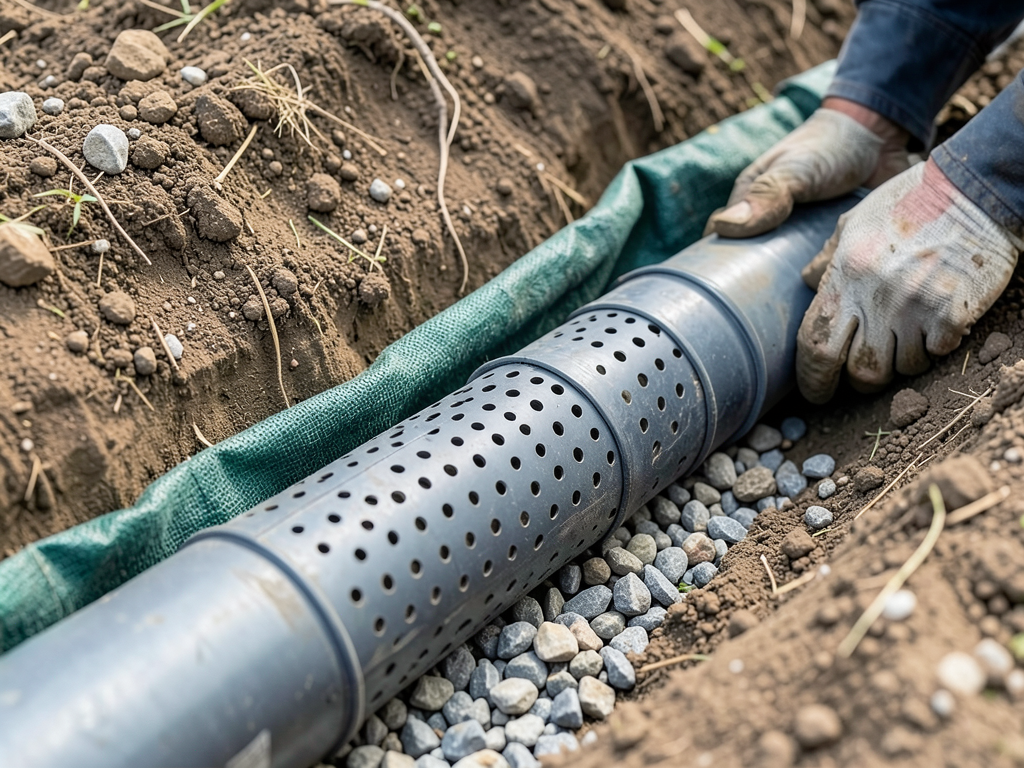
Photo showing proper downspout extension installation with buried pipe directing water away from foundation to a dry well discharge point
Photo of a completed rain garden with native Ohio plants that help manage stormwater while enhancing landscape aesthetics
Take action to protect your Southern Orchards home
Don’t wait for the next heavy rainstorm to discover your drainage system isn’t working properly. Simple landscaping fixes can prevent expensive water damage restoration projects and protect your home’s foundation for years to come. Start with basic improvements like checking your grade and extending downspouts, then progress to more comprehensive solutions as needed.
Remember that proper drainage is about more than just keeping your basement dry. It protects your home’s structural integrity, prevents mold growth, and maintains your property value. The investment you make in yard drainage improvements today can save you thousands in potential water damage repairs tomorrow.
If you’re experiencing persistent water issues or want a professional assessment of your property’s drainage needs, call (614) 707-7505 today to schedule your inspection. Our experienced team understands Southern Orchards’ unique soil conditions and can design a drainage system that works with your home’s specific characteristics.
Pick up the phone and call (614) 707-7505 before the next storm hits. Don’t let water damage become your next expensive home repair project when simple landscaping fixes can keep your Southern Orchards foundation dry and protected year-round.
Water damage restoration costs can quickly escalate from a few hundred dollars for basic drying to tens of thousands for structural repairs and mold remediation. By investing in proper yard drainage now, you’re choosing prevention over expensive restoration later. Your home deserves protection from the ground up, starting with how water moves across your property.
Take the first step toward a drier, safer home by assessing your current drainage situation this weekend. Even small improvements can make a significant difference in how your property handles heavy rainfall. When you’re ready for professional assistance or have questions about your specific situation, remember that help is just a phone call away at (614) 707-7505. For more information, visit IICRC Water Damage Restoration Standards.
{
“@context”: “https://schema.org”,
“@type”: “BlogPosting”,
“headline”: “Simple landscaping fixes to keep rainwater away from your Southern Orchards foundation”,
“description”: “Learn how proper grading, French drains, and gutter extensions protect your Southern Orchards home from foundation water damage in Columbus’ heavy clay soil.”,
“wordCount”: 3856,
“datePublished”: “2026-04-04T07:47:00.000Z”,
“dateModified”: “2026-04-04T07:47:00.000Z”,
“inLanguage”: “en-US”,
“mainEntityOfPage”: {
“@type”: “WebPage”,
“@id”: “https://fivestarwaterdamagerestorationcolumbus.com”
},
“publisher”: {
“@type”: “LocalBusiness”,
“name”: “Five Star Water Damage Restoration Columbus”,
“url”: “https://fivestarwaterdamagerestorationcolumbus.com”
},
“author”: {
“@type”: “Organization”,
“name”: “Five Star Water Damage Restoration Columbus”,
“url”: “https://fivestarwaterdamagerestorationcolumbus.com”
},
“image”: {
“@type”: “ImageObject”,
“url”: “https://fivestarwaterdamagerestorationcolumbus.com/wp-content/uploads/2026/03/simple-landscaping-fixes-to-keep-rainwater-away-fr-1.png”
}
}
{
“@context”: “https://schema.org”,
“@type”: “LocalBusiness”,
“name”: “Five Star Water Damage Restoration Columbus”,
“url”: “https://fivestarwaterdamagerestorationcolumbus.com”,
“address”: {
“@type”: “PostalAddress”,
“addressLocality”: “Columbus”
},
“areaServed”: {
“@type”: “City”,
“name”: “Columbus”
}
}
{
“@context”: “https://schema.org”,
“@type”: “FAQPage”,
“mainEntity”: [
{
“@type”: “Question”,
“name”: “How much slope do I need away from my foundation?”,
“acceptedAnswer”: {
“@type”: “Answer”,
“text”: “The ground should slope away from your foundation at a minimum of six inches over the first ten feet. This translates to a 5% grade, which provides adequate drainage while maintaining a natural appearance. Use a level and measuring tape to check your current slope and add soil where needed.”
}
},
{
“@type”: “Question”,
“name”: “Can I install a French drain myself or do I need a professional?”,
“acceptedAnswer”: {
“@type”: “Answer”,
“text”: “Basic French drain installation is a manageable DIY project if you have the necessary tools and physical ability to dig trenches. However, complex systems, deep installations, or connections to public storm systems benefit from professional design and installation to ensure proper function and code compliance.”
}
},
{
“@type”: “Question”,
“name”: “How much does a complete yard drainage system cost?”,
“acceptedAnswer”: {
“@type”: “Answer”,
“text”: “Comprehensive drainage systems typically cost between $2,000 and $8,000 depending on property size, soil conditions, and system complexity. Simple improvements like downspout extensions cost much less, while extensive French drain networks with multiple catch basins represent the higher end of the cost spectrum.”
}
},
{
“@type”: “Question”,
“name”: “How often should I maintain my drainage system?”,
“acceptedAnswer”: {
“@type”: “Answer”,
“text”: “Inspect your drainage system at least twice yearly, typically in spring and fall. Clean gutters and downspouts seasonally, check catch basin grates for debris monthly during heavy leaf fall, and inspect French drains annually for any signs of clogging or damage. After major storms, check all system components for proper function.”
}
},
{
“@type”: “Question”,
“name”: “Will improving my yard drainage fix my wet basement?”,
“acceptedAnswer”: {
“@type”: “Answer”,
“text”: “Proper yard drainage often significantly reduces basement moisture issues, but may not completely solve all water problems. If your basement remains damp after improving exterior drainage, you may need additional measures like interior waterproofing, improved sump pump systems, or foundation crack repair to fully address the issue.”
}
},
{
“@type”: “Question”,
“name”: “Do I need permits for drainage improvements in Columbus?”,
“acceptedAnswer”: {
“@type”: “Answer”,
“text”: “Most minor drainage improvements under $5,000 do not require permits in Columbus. However, French drains connecting to public storm systems, extensive grading projects, or work affecting neighboring properties may need approval from the City of Columbus Department of Building and Zoning Services. Always check local requirements before beginning major work.”
}
}
]
}
{
“@context”: “https://schema.org”,
“@type”: “BreadcrumbList”,
“itemListElement”: [
{
“@type”: “ListItem”,
“position”: 1,
“name”: “Home”,
“item”: “https://fivestarwaterdamagerestorationcolumbus.com”
},
{
“@type”: “ListItem”,
“position”: 2,
“name”: “Blog”,
“item”: “https://fivestarwaterdamagerestorationcolumbus.com/blog”
},
{
“@type”: “ListItem”,
“position”: 3,
“name”: “Simple landscaping fixes to keep rainwater away from your Southern Orchards foundation”
}
]
}
{
“@context”: “https://schema.org”,
“@type”: “Service”,
“serviceType”: “Water Damage Restoration”,
“provider”: {
“@type”: “LocalBusiness”,
“name”: “Five Star Water Damage Restoration Columbus”,
“url”: “https://fivestarwaterdamagerestorationcolumbus.com”
},
“areaServed”: {
“@type”: “City”,
“name”: “Columbus”
},
“description”: “Learn how proper grading, French drains, and gutter extensions protect your Southern Orchards home from foundation water damage in Columbus’ heavy clay soil.”
}