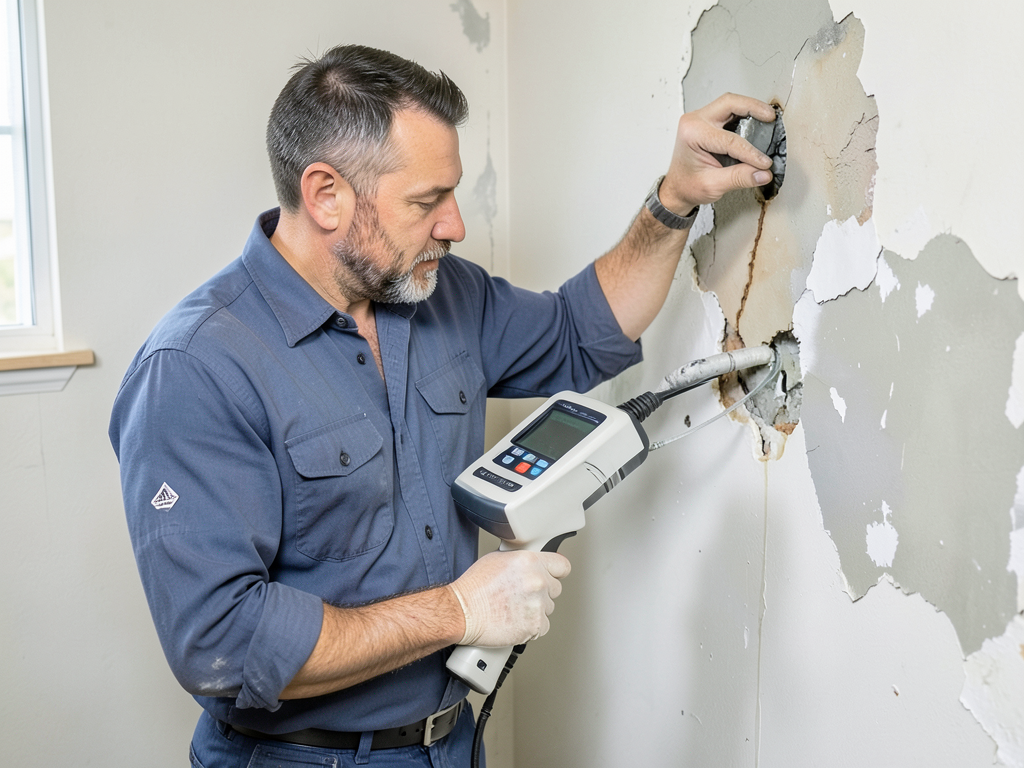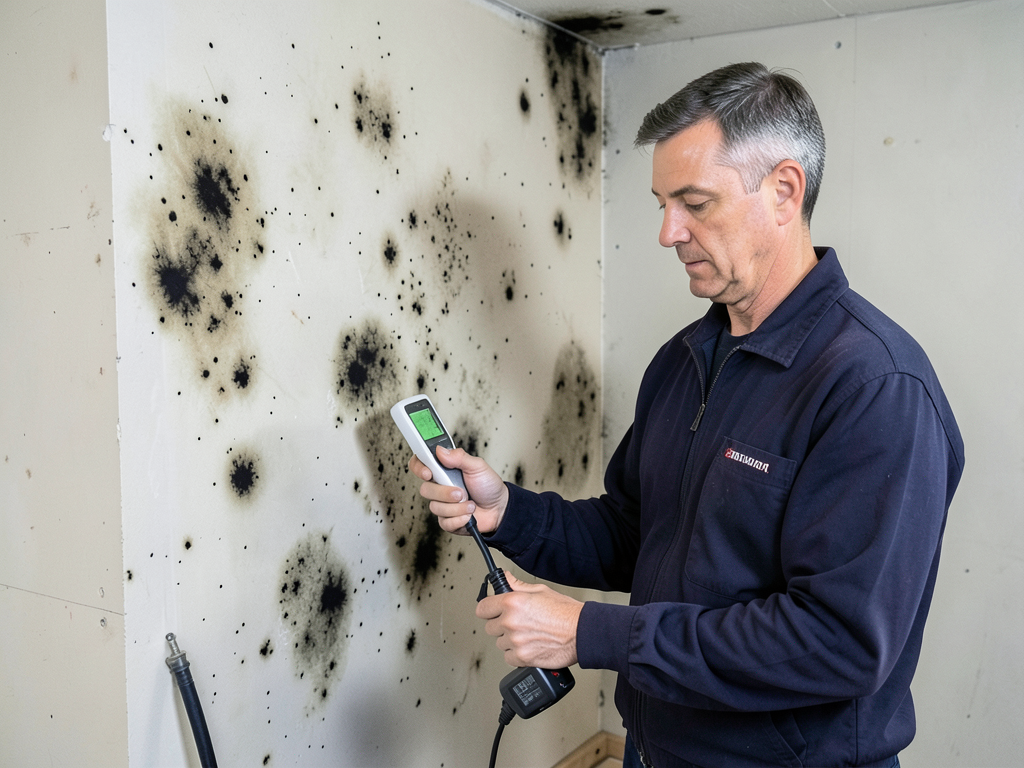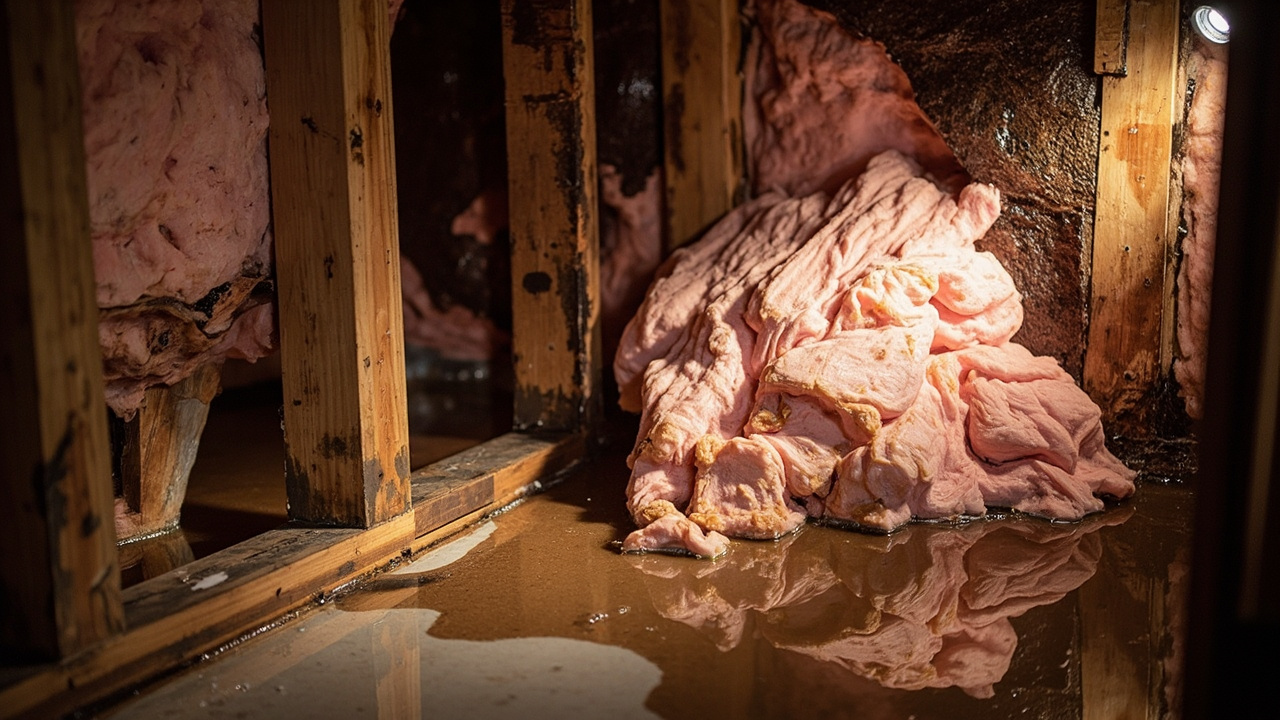
Columbus averages 39 inches of rainfall annually and maintains relative humidity above 70 percent for most of spring and summer. When insulation absorbs even small amounts of water, it cannot dry in this climate without mechanical intervention. Fiberglass batts compress and lose loft. Cellulose clumps and becomes a breeding ground for mold. Spray foam remains intact but traps moisture against wood framing, causing hidden rot. Homes near the Scioto River or in low-lying areas like Franklinton face elevated risk because groundwater tables rise after heavy rain. If your crawl space floods even once, your floor insulation stays damp for weeks without proper extraction and drying.
Franklin County enforces the 2017 Ohio Residential Code, which includes updated ventilation and vapor barrier requirements. Many older Columbus homes do not meet these standards. When we remediate water damaged insulation, we bring your home into compliance. This protects you during resale and ensures your system performs as designed. We also work with local adjusters who know the difference between surface drying and structural drying. That knowledge matters when your claim depends on proving the remediation was necessary and thorough.