Menu

Steps to Take After a Flood in Columbus – Your Complete Recovery Checklist for Water Damage

Whether you're dealing with basement flooding or storm damage, this comprehensive guide walks you through the immediate actions, safety protocols, and restoration steps to protect your Columbus home and prevent long-term structural damage.

Slider Image 1
Slider Image 2
Slider Image 3
Slider Image 4
Slider Image 5
Slider Image 7
Slider Image 8
Slider Image 9
Slider Image 10
Slider Image 11

Why Columbus Homes Face Unique Flood Recovery Challenges

Columbus sits in a region where converging weather patterns create frequent heavy rainfall events, particularly during spring and early summer. The Scioto and Olentangy Rivers carve through Franklin County, and when they swell, neighborhoods from German Village to Clintonville experience basement flooding and stormwater intrusion.

The clay-heavy soil throughout Columbus compounds the problem. Water pools around foundations instead of draining naturally, which increases hydrostatic pressure and pushes moisture through basement walls and floor cracks. Older homes in historic districts like Victorian Village were built before modern waterproofing standards, making them particularly vulnerable to post-flood damage.

Understanding what to do after a house flood is critical in the first 24 to 48 hours. This window determines whether you face a manageable cleanup or extensive mold remediation and structural repairs. Many Columbus residents underestimate how quickly water wicks into drywall, insulation, and subflooring. By the time visible damage appears, hidden moisture has already begun degrading building materials.

Your immediate actions after flooding set the trajectory for recovery. A proper post-flood recovery checklist addresses safety first, then focuses on water extraction, drying, dehumidification, and sanitation. Columbus's humid summer climate creates ideal conditions for microbial growth, which is why following water damage clean up steps in the correct sequence matters. This guide to handling flood damage is specific to conditions you face in central Ohio, not generic advice written for desert climates or coastal regions.

Why Columbus Homes Face Unique Flood Recovery Challenges
The Correct Sequence for Water Damage Recovery

The Correct Sequence for Water Damage Recovery

The post-flood recovery process requires a methodical approach, not rushed improvisation. Five Star Water Damage Restoration Columbus follows the Institute of Inspection, Cleaning and Restoration Certification protocols, adapted for Columbus-specific conditions like our high water table and seasonal humidity fluctuations.

First, we establish safety. Standing water often contacts electrical systems, and in Columbus homes with finished basements, submerged outlets and appliances create electrocution risks. We verify power shutoff before entry, test for structural instability, and check for gas leaks, which are common when flooding shifts foundation slabs.

Water classification determines extraction method. Clean water from supply line breaks requires different handling than gray water from washing machine overflows or black water from sewer backups, which frequently occur in older Columbus neighborhoods with combined stormwater and sanitary systems. We use truck-mounted extraction units that remove water faster than shop vacuums, which is critical because every hour of standing water increases damage exponentially.

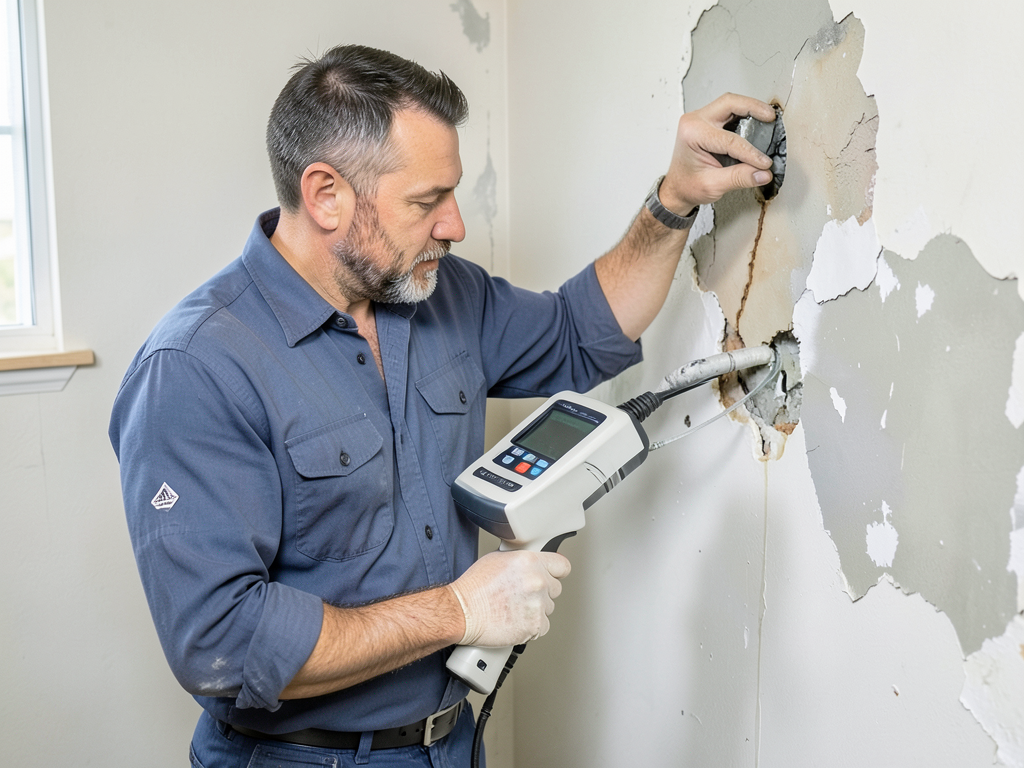
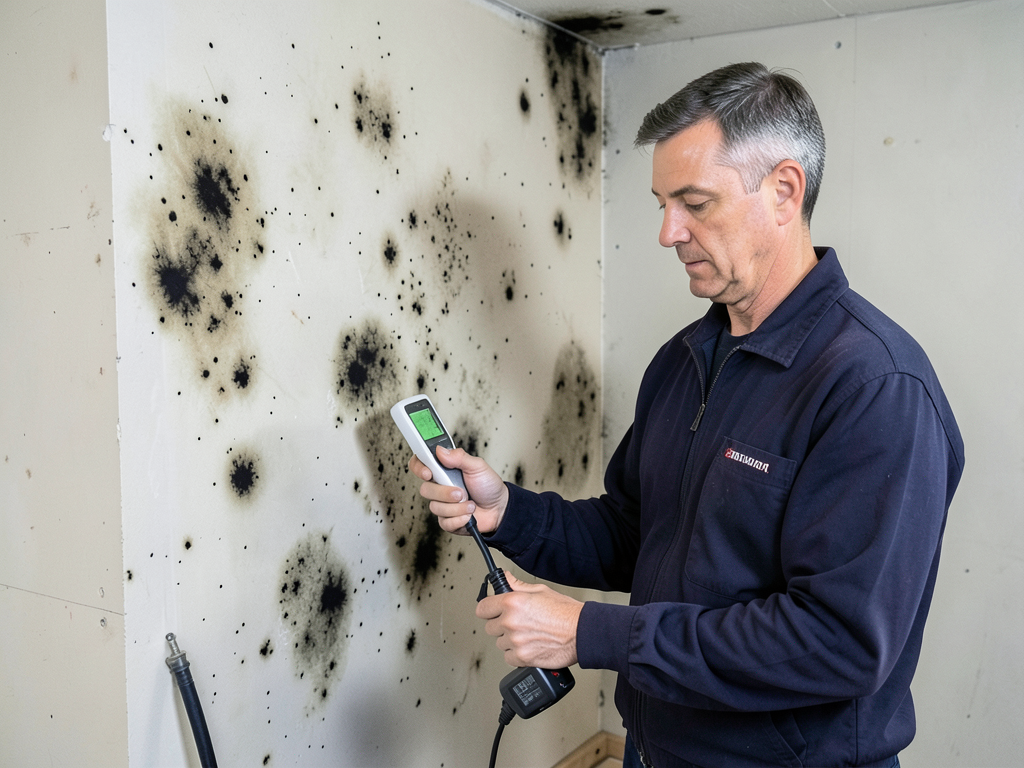
Drying is where most DIY attempts fail. Humidity meters and thermal imaging cameras identify moisture trapped inside wall cavities and under flooring. Columbus homes with hardwood floors need specialized drying mats that pull moisture from underneath without warping the wood. We position commercial dehumidifiers and air movers based on psychrometric calculations, not guesswork, to achieve proper vapor pressure differentials.

Antimicrobial treatment prevents mold colonization. Within 48 hours in Columbus humidity, mold spores activate on wet organic materials. We apply EPA-registered antimicrobials to all affected surfaces, then verify drying with moisture meters before reconstruction begins. Skipping this step leads to hidden mold growth that requires expensive remediation months later.

Your Three-Phase Flood Recovery Timeline

Steps to Take After a Flood in Columbus – Your Complete Recovery Checklist for Water Damage
01

Emergency Response and Stabilization

Within the first four hours, our team secures your property and stops additional damage. We document all affected areas with photos and moisture readings for your insurance claim, extract standing water using truck-mounted pumps, and remove saturated materials that cannot be salvaged. This phase prevents Category 1 clean water from degrading into Category 2 or 3 contaminated water, which increases health risks and restoration costs.
02

Drying and Dehumidification

Over the next three to five days, industrial dehumidifiers and air movers run continuously to pull moisture from building materials. We monitor moisture content in walls, floors, and ceilings twice daily using penetrating and non-invasive meters. Air scrubbers with HEPA filters capture airborne mold spores and particulates. This controlled drying prevents warping, swelling, and microbial growth while maintaining structural integrity of salvageable materials.
03

Sanitization and Verification

After drying is complete, we apply antimicrobial treatments to all affected surfaces and conduct final moisture verification testing. Your property must reach the dry standard, typically 15 percent moisture content or less for wood materials, before we sign off. We provide detailed documentation showing before and after readings, which your insurance adjuster needs for claim settlement. Only then does reconstruction begin.

Why Columbus Residents Choose Five Star Water Damage Restoration

Columbus homeowners need water damage experts who understand local construction methods and regional challenges. Homes in Upper Arlington feature different foundation types than properties in Bexley or Whitehall, and effective restoration requires knowledge of these building variations.

We know Columbus. Our technicians have restored flooded basements in German Village's brick homes, repaired water damage in Short North condos, and handled storm damage throughout Clintonville's tree-lined streets. We understand how Columbus rainfall patterns interact with local drainage systems and why certain neighborhoods flood repeatedly during severe weather events.

Five Star Water Damage Restoration Columbus maintains relationships with local insurance adjusters, which expedites your claim process. We provide the detailed documentation and moisture readings that carriers require, formatted correctly for quick approval. Many national restoration chains assign out-of-state adjusters who struggle with local policy nuances, which delays payment and leaves you managing the paperwork.

Our equipment capacity handles projects from small bathroom floods to whole-house water damage. We own our extraction, drying, and dehumidification equipment rather than renting it, which means we respond immediately without waiting for delivery from regional suppliers. During widespread flooding events, when every restoration company in Franklin County is competing for rental equipment, we are already working on your property.

Columbus-specific building code knowledge matters during reconstruction. Franklin County enforces particular requirements for electrical, plumbing, and structural work following water damage. We pull the correct permits and coordinate inspections, which prevents complications when you sell your property. Work performed without proper permits creates title problems and complicates future insurance claims.

What Your Flood Recovery Process Includes

Response Time and Availability

We answer calls 24 hours per day, every day of the year, because flood damage does not wait for business hours. Our Columbus-based teams respond within 90 minutes to emergency calls, arriving with water extraction equipment and moisture detection tools. Immediate response during the first few hours dramatically reduces total restoration costs by preventing water from migrating to unaffected areas. We dispatch crews during overnight hours, weekends, and holidays without surcharges or delays. When you call, you speak directly with our local dispatch team, not an offshore call center reading from scripts.

Property Assessment and Documentation

Initial assessment takes 45 to 90 minutes depending on property size and damage extent. We map all affected areas using thermal imaging cameras that detect hidden moisture in walls and ceilings, measure moisture content with both penetrating pin meters and non-invasive sensors, photograph damage for insurance documentation, and test for potential electrical hazards or structural instability. You receive a written scope of work with moisture readings and affected material lists before extraction begins. This documentation package meets insurance carrier requirements and includes drying goals with projected timelines.

Drying Results and Verification

Complete structural drying takes three to seven days for most Columbus flood events, though timeline varies based on water volume, material types, and humidity levels. We provide daily moisture readings showing drying progress and adjust equipment placement based on psychrometric measurements, not guesswork. Final verification testing ensures all building materials reach the dry standard before we remove equipment. You receive a certificate of drying completion with documented proof that moisture levels meet industry standards. This documentation protects you if mold problems emerge later from incomplete drying by other contractors.

Post-Restoration Monitoring and Support

After restoration completes, we schedule a follow-up inspection within 30 days to verify continued drying and check for any developing issues. You receive detailed maintenance recommendations specific to your property and flood cause, including gutter maintenance schedules, sump pump testing protocols, and foundation grading improvements. If new moisture problems appear within 90 days that relate to our restoration work, we return at no charge to identify and resolve the issue. We maintain your project file for five years, which provides documentation if you need to reference the restoration during property sales or future insurance claims.

Frequently Asked Questions

You Have Questions,
We Have Answers

How Columbus Flooding Patterns Affect Your Recovery Timeline

Columbus sits at the intersection of multiple watersheds, with the Scioto and Olentangy Rivers draining more than 1,000 square miles of central Ohio. When spring storms dump two to three inches of rain in short periods, these waterways overwhelm their banks and push water into low-lying neighborhoods. Basement flooding in areas like Franklinton and the Brewery District often includes contaminated water from overwhelmed combined sewer systems, which requires Category 3 black water protocols. The high water table throughout Franklin County means basement moisture persists longer than in drier regions, extending drying timelines and increasing mold risk if restoration work follows incorrect procedures.

Five Star Water Damage Restoration Columbus has worked with Franklin County building inspectors, local insurance adjusters, and homeowners throughout every Columbus neighborhood. We understand which basements in German Village require specialized drying due to stone foundations, how to protect historic plaster in Victorian Village homes during water extraction, and why certain Clintonville properties experience repeat flooding due to antiquated storm sewers. This local knowledge translates to faster, more effective restoration. National chains follow generic protocols written for multiple climate zones. We follow procedures refined through hundreds of Columbus-specific flood recoveries, adapted to our soil conditions, building types, and seasonal humidity patterns.
Water Damage Restoration Services in The Columbus Area

We proudly serve the wider Columbus area and its surrounding communities. Our centrally located office allows our emergency response teams to reach your property quickly, no matter where you are. We are committed to being a reliable resource for our neighbors, and our responsive team is always on standby to provide professional assistance when you need it most. We believe that local expertise and a quick response are crucial when dealing with water damage, so we encourage you to view our service area to see if we can help.

Address:
Five Star Water Damage Restoration Columbus, 601 N High St, Columbus, OH, 43215

Additional Services We Offer

Our news updates

Latest Articles & News from The Blogs

Dealing with water damage when you live in a Columbus HOA or condo association Water damage in a Columbus condo…

Dealing with water damage when you live in a Columbus HOA or condo association

Dealing with water damage when you live in a Columbus HOA or condo association Water damage in a Columbus condo…

The real difference between common mildew and dangerous black mold in Eastmoor homes

The real difference between common mildew and dangerous black mold in Eastmoor homes Eastmoor homeowners often spot dark patches in…

Testing your sump pump before the spring rains hit the South Side

Testing your sump pump before the spring rains hit the South Side \n\n Heavy spring rains combined with the clay-rich…

Contact Us

Every hour you wait increases damage and restoration costs. Call Five Star Water Damage Restoration Columbus at (614) 707-7505 right now for immediate dispatch. Our crews are standing by with water extraction equipment and moisture detection tools to begin your recovery today.