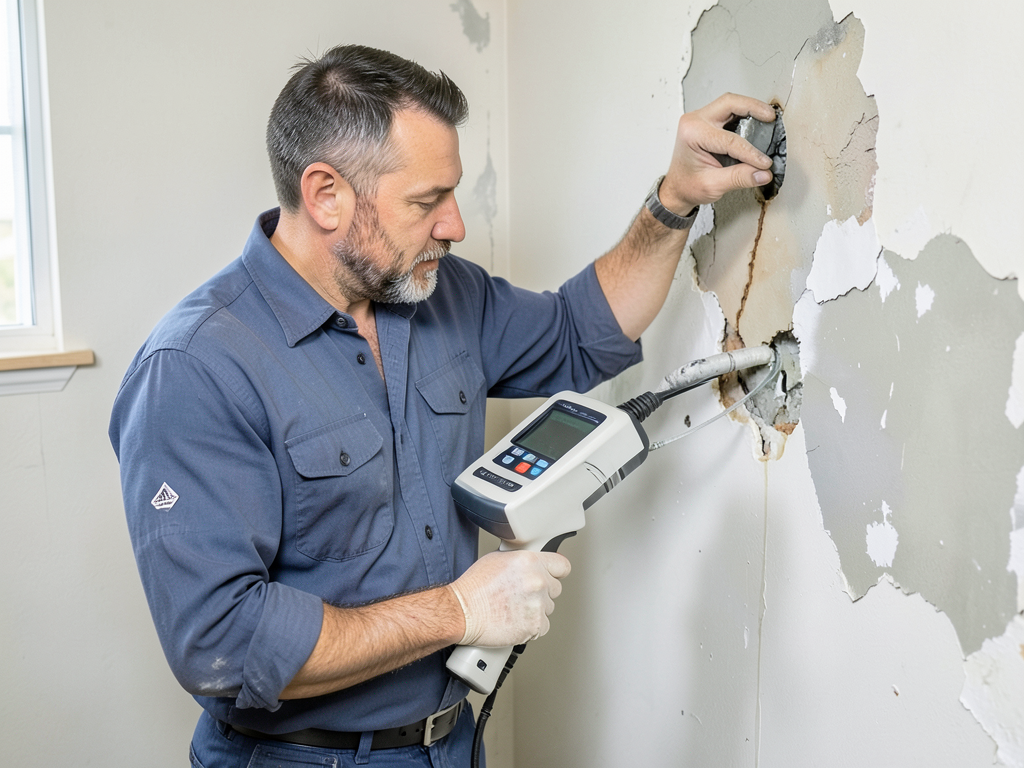
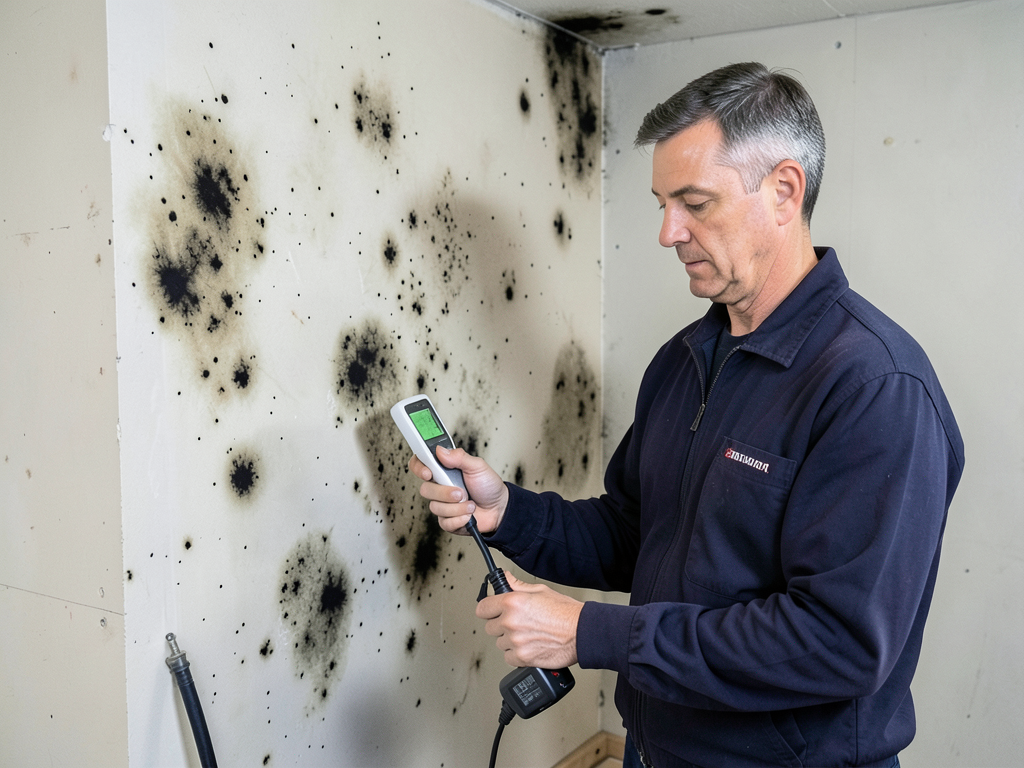
Columbus experiences an average of 38 thunderstorm days annually, with peak activity from April through September when atmospheric instability creates severe weather outbreaks. The city sits in a geographic corridor where warm, moist air from the Gulf of Mexico meets cooler air masses descending from Canada, generating powerful convective storms with heavy rainfall, damaging winds, and hail. These systems dump several inches of rain within hours, overwhelming residential drainage systems and creating flash flooding in low-lying neighborhoods. The clay soil prevalent throughout Franklin County has poor permeability, causing water to pool on surfaces and run toward structures rather than absorbing into the ground. This combination creates repeated storm damage events that demand professional mitigation to prevent cumulative deterioration of building materials and systems.
Effective storm damage restoration in Columbus requires understanding local building characteristics and construction methods that influence water intrusion patterns. Many properties in established neighborhoods like Grandview Heights and Clintonville were built before modern weatherproofing standards, with roof designs that channel water inadequately and foundation waterproofing that has degraded over decades. We know which vintage construction details create vulnerability during severe weather and how to address these factors during emergency storm damage services. Our familiarity with Columbus insurance market practices, adjuster expectations, and documentation requirements streamlines the claims process, reducing delays that extend your displacement and increase your out-of-pocket costs during an already stressful situation.