Menu

Sump Pump Failure Cleanup in Columbus | 24/7 Emergency Response Within 60 Minutes

Five Star Water Damage Restoration Columbus deploys certified technicians immediately to stop flooding, extract standing water, and prevent structural damage before your basement becomes uninhabitable.

Slider Image 1
Slider Image 2
Slider Image 3
Slider Image 4
Slider Image 5
Slider Image 7
Slider Image 8
Slider Image 9
Slider Image 10
Slider Image 11

Why Sump Pump Failures Hit Columbus Homes Without Warning

Your sump pump just quit. Water is rising in your basement. You are watching years of stored belongings float away while your foundation soaks up thousands of gallons.

Columbus sits in a flood-prone zone where heavy spring rains and summer storms overwhelm drainage systems in hours. The Scioto and Olentangy rivers swell fast. Neighborhoods near Clintonville, German Village, and Worthington see basement flooding every storm season because water tables rise quickly in central Ohio's clay-heavy soil. That soil does not drain. It holds water against your foundation until it finds a way in.

Sump pump failure water extraction cannot wait. Every hour of standing water weakens floor joists, saturates drywall, and creates conditions for mold colonization within 24 to 48 hours. A broken sump pump water damage restoration job that starts late costs three times more than one that starts immediately.

You need emergency sump pump cleanup services now. Not tomorrow. Not when the rain stops. Right now, while you can still save your flooring, your furnace, and your finished basement.

Sump pump backup water removal is not a DIY job. You cannot shop-vac your way out of this. Commercial-grade extractors, structural drying equipment, and moisture mapping tools are the only way to prevent long-term damage. Sump pump overflow cleanup requires knowing where water hides in wall cavities, under subflooring, and inside HVAC ductwork. Miss those spots and you are rebuilding in six months.

Columbus homeowners call us because we show up fast, work through the night, and stop the damage before it becomes catastrophic.

Why Sump Pump Failures Hit Columbus Homes Without Warning
How We Stop Water Damage and Restore Your Basement Immediately

How We Stop Water Damage and Restore Your Basement Immediately

Five Star Water Damage Restoration Columbus does not show up with a wet-dry vacuum and a fan. We arrive with truck-mounted extraction units, thermal imaging cameras, and industrial dehumidifiers designed for Category 2 and Category 3 water events.

First, we kill the power to affected circuits. Water and electricity do not negotiate. We confirm the space is safe before we step in.

Next, we deploy submersible pumps to remove standing water in minutes, not hours. Speed matters. The longer water sits, the deeper it penetrates. We extract from the lowest point first, pulling water away from load-bearing walls and foundation footings.

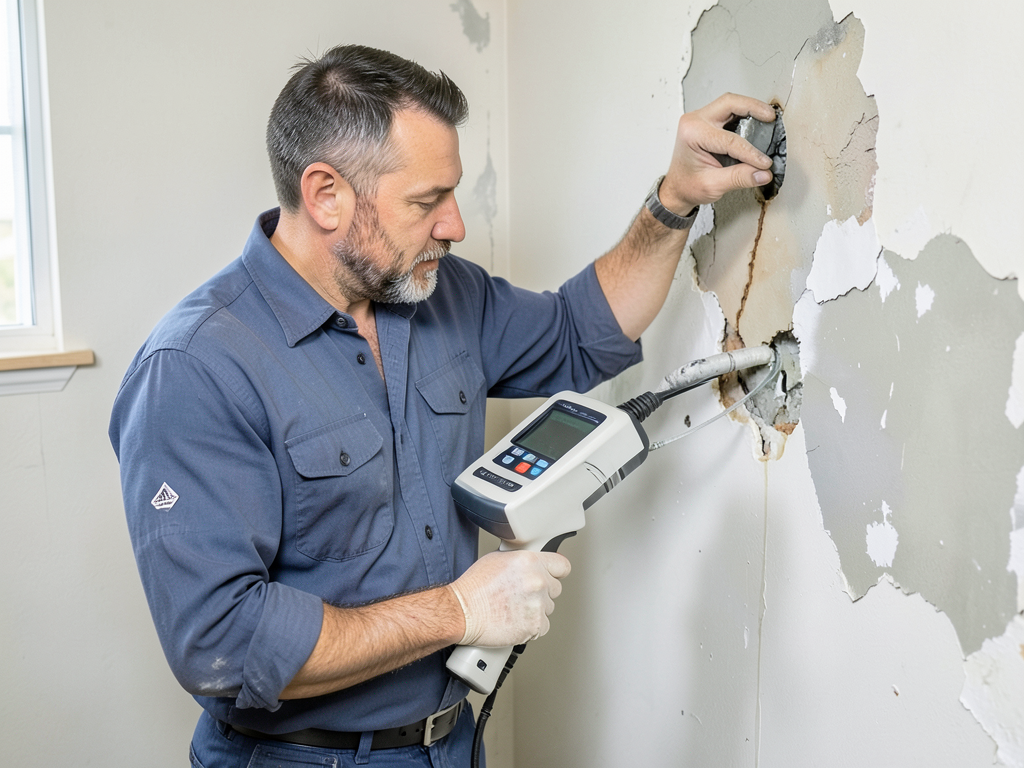
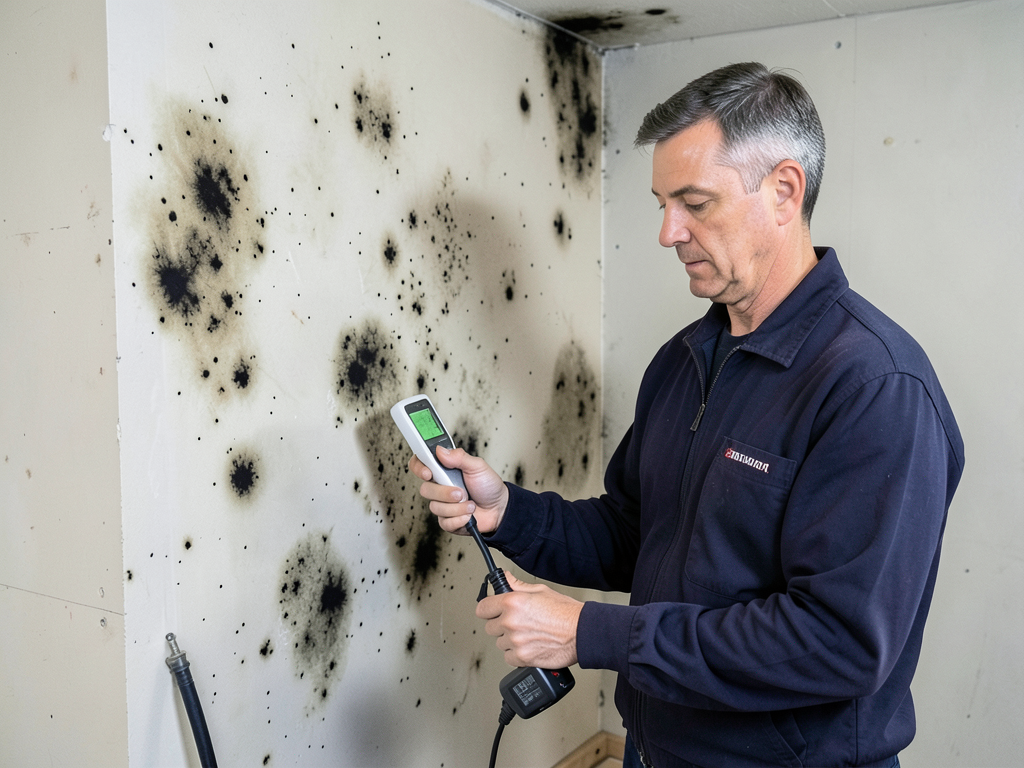
We use infrared moisture meters to map saturation levels in concrete, drywall, and insulation. You cannot see moisture behind walls. We can. This tells us where to place air movers and where to remove materials that cannot be saved.

Our commercial-grade dehumidifiers pull 120 pints of water per day from the air. We monitor humidity levels every four hours and adjust equipment placement to target high-moisture pockets. Airflow is directional. We position equipment to push moisture toward extraction points, not deeper into your home.

We document everything. Moisture readings, equipment placement, and photographic evidence go into a report your insurance adjuster needs to process your claim. We coordinate directly with your carrier to reduce your paperwork and speed up approval.

This is not cleanup. This is controlled structural drying using psychrometric principles and vapor pressure differentials. We dry your basement to industry standards, not guesswork.

What Happens During Emergency Sump Pump Failure Cleanup

Sump Pump Failure Cleanup in Columbus | 24/7 Emergency Response Within 60 Minutes
01

Immediate Water Extraction

We arrive with truck-mounted extraction units and submersible pumps to remove standing water in under 30 minutes. Every gallon we pull now is one less gallon soaking into your subfloor and wall studs. We work floor to ceiling, extracting water from carpet padding, crawl spaces, and utility areas where flooding hides.
02

Structural Moisture Mapping

We use thermal imaging and penetrating moisture meters to identify hidden saturation in concrete, framing lumber, and insulation. You cannot see water trapped in wall cavities or under vinyl flooring. We map every wet zone and prioritize drying based on material type and saturation severity. This prevents mold growth before it starts.
03

Controlled Environment Drying

We position industrial dehumidifiers and high-velocity air movers to create continuous airflow across all wet surfaces. Drying is not passive. We monitor temperature, humidity, and dew point every four hours, adjusting equipment to maintain optimal drying conditions. Your basement returns to pre-loss moisture levels in 72 to 96 hours, not weeks.

Why Columbus Homeowners Trust Us with Sump Pump Failure Cleanup

Five Star Water Damage Restoration Columbus has spent years working in basements across Short North, Bexley, and Upper Arlington. We know which neighborhoods flood first when the Scioto River crests. We know which homes have original 1950s sump systems that fail during peak demand. We know where water goes in split-level homes built on clay soil.

Local knowledge matters. A crew from out of state does not understand Columbus drainage codes or how our municipal sewer systems handle stormwater. They do not know that homes near Goodale Park or along the Olentangy Trail flood differently than homes in Hilltop or on the east side near Whitehall.

We respond to your address in under 60 minutes because we stage equipment locally. No waiting for a regional hub to dispatch a truck. No explaining your neighborhood to a dispatcher in another state. You call, we drive, we fix it.

We work directly with your insurance carrier. We speak their language. We provide documentation that meets adjuster requirements for structural drying and contents loss. We know what Nationwide, State Farm, and Allstate need to approve your claim on the first submission. That saves you weeks of back-and-forth.

Our crews are IICRC-certified in water damage restoration. That means they understand moisture science, structural drying protocols, and microbial contamination risks. You are not getting a handyman with a shop-vac. You are getting trained professionals who dry buildings for a living.

We do not leave until moisture readings confirm your basement is dry to industry standards. We do not guess. We test.

What You Get with Emergency Sump Pump Cleanup Services

60-Minute Response Time

We answer your call 24 hours a day, 365 days a year. You are not leaving a voicemail. You are speaking to a dispatcher who sends a crew immediately. We arrive in under 60 minutes with truck-mounted extraction equipment, thermal cameras, and enough dehumidifiers to dry a 2,000-square-foot basement. No appointments. No waiting until morning. We start working the moment we pull up, even if it is 3 a.m. in a thunderstorm.

Comprehensive Damage Assessment

We do not just look at the wet carpet. We inspect your HVAC system, check your electrical panel for water intrusion, and evaluate your water heater and furnace for flood damage. We test walls, flooring, and insulation with calibrated moisture meters and document findings with infrared imagery. You receive a written report detailing every wet material, every piece of equipment we deploy, and a drying timeline based on actual readings, not estimates.

Complete Structural Drying

We do not pull equipment early. Drying continues until moisture levels in your concrete slab, framing lumber, and drywall match pre-loss conditions. We return daily to take new readings and adjust airflow patterns. You receive a certificate of drying completion that confirms your basement meets IICRC S500 standards. That documentation protects you if mold appears later and proves to your insurance company that the job was done right.

Insurance Coordination and Documentation

We photograph every stage of the drying process and compile moisture logs your adjuster needs for claim approval. We communicate directly with your insurance company, answer their questions, and provide documentation in the format they require. You do not chase paperwork or argue over coverage. We handle the technical explanations and make sure your claim reflects the full scope of damage and restoration work.

Frequently Asked Questions

You Have Questions,
We Have Answers

How to clean up after sump pump failure? +

Stop the water source immediately if possible. Safety first: turn off electricity near standing water. Remove standing water with a wet vacuum or submersible pump. Pull out soaked materials like carpets, cardboard, and furniture within 24 hours to prevent mold. Document everything with photos for insurance. Call a water damage restoration professional right away. Columbus basements flood fast due to clay soil and heavy spring rains. Professionals use industrial extractors, dehumidifiers, and antimicrobial treatments to dry structures properly. Do not wait. Mold starts growing in 24 to 48 hours in our humid climate.

How much does it cost to have a sump pump cleaned? +

Sump pump cleaning typically costs between two to four hours of labor, depending on sediment buildup and access. However, if your pump has already failed and caused flooding, cleanup costs escalate significantly. Emergency water extraction, structural drying, and mold prevention services vary based on water volume and affected square footage. Columbus homeowners often face higher costs during spring storms when contractors are busy. Do not confuse routine pump maintenance with emergency water damage restoration. If you already have flooding, focus on stopping further damage immediately. Insurance may cover failure-related cleanup if the cause meets policy terms.

How do you clean sludge out of a sump pump? +

Unplug the pump and remove it from the basin. Scrape out thick sludge with a plastic putty knife or old spoon. Rinse the pump housing and impeller with a garden hose outdoors. For stubborn buildup, soak components in a vinegar solution for 30 minutes. Use a small brush to clean the intake screen and impeller vents. Columbus basements accumulate silt and iron sediment from clay soil. Inspect the float switch for debris that could cause failure. Reinstall the pump and test it in a bucket of water before placing it back in the basin.

What to do when a sump pump fails? +

Shut off electricity to the affected area immediately to prevent shock hazards. Move valuables and electronics to higher ground. If water is rising, evacuate the basement. Call a 24-hour emergency water damage company right now. Every minute counts. Columbus storms can dump inches of rain quickly, overwhelming failed pumps. Professionals arrive with truck-mounted extractors and industrial air movers to start drying within hours. Do not attempt to fix the pump yourself while standing in water. Document damage with photos and video for your insurance claim. Speed determines whether you face minor repairs or major mold remediation.

Can I put a chlorine tablet in my sump pump? +

No. Chlorine tablets corrode pump components, including seals, impellers, and switches. The fumes can also accumulate in your basement and create respiratory hazards. Some Columbus homeowners try this to control odors, but it damages equipment. If you smell musty or sewage odors from your sump basin, the issue is stagnant water or bacteria buildup. Clean the basin properly, improve drainage, or install a sealed lid with a vent pipe. For persistent odors, a professional can treat the basin with proper antimicrobial solutions that will not destroy your pump or void warranties.

How to sanitize a floor after a flood? +

Remove all standing water first. Scrub floors with hot water and detergent to remove dirt and contaminants. Mix one cup of bleach per gallon of water and mop thoroughly. Allow the solution to sit for ten minutes before rinsing. Concrete basement floors in Columbus absorb floodwater, so you need penetration. Use fans and dehumidifiers to dry completely. If sewage was present, hire professionals with EPA-registered disinfectants. Porous materials like drywall and insulation cannot be fully sanitized and must be removed. Do not skip drying. Sanitizing wet floors traps moisture and breeds mold underneath.

Does homeowners insurance cover sump pump failure? +

It depends on your policy. Standard homeowners insurance typically excludes sump pump failure unless you purchased specific sump pump backup coverage or water backup endorsement. Sudden mechanical failure may be covered, but lack of maintenance usually is not. Columbus homeowners often discover gaps in coverage after spring flooding. Check your declarations page now for water backup limits. Flood insurance through FEMA does not cover sump pump mechanical failure either. If your pump failed due to power outage during a storm, some policies cover resulting damage. Document the failure cause immediately and contact your agent before cleanup begins.

How to clean out a sump pump without removing it? +

Unplug the pump but leave it in the basin. Use a wet vacuum to remove water and expose the pump. Scoop out visible debris with a small container or cup. Pour a mixture of vinegar and water into the basin to loosen sediment around the pump base. Let it sit for 20 minutes. Use a long-handled brush to scrub the pump exterior and basin walls. Vacuum out the loosened sludge. Reconnect power and run the pump to flush remaining debris. This method works for light maintenance but Columbus clay sediment often requires full removal for thorough cleaning.

What is the most common reason for sump pump failure? +

Power failure during storms tops the list. Columbus experiences severe thunderstorms that knock out electricity right when you need the pump most. Overwhelmed pumps during heavy rain come second. Our clay soil drains poorly, causing water to pool rapidly around foundations. Float switch failures from debris or mechanical wear are also common. Lack of maintenance allows sediment buildup that burns out motors. Frozen discharge lines in winter cause backups. A stuck check valve lets water flow backward into the basin. One-third of sump pump failures happen because homeowners never test their pumps until disaster strikes.

What are the signs of a failing sump pump? +

Strange noises like grinding, rattling, or excessive vibration signal worn bearings or impeller damage. The pump runs continuously without lowering water level. You notice longer run times than normal. Visible rust or corrosion on the pump housing. The motor feels hot to touch after running. Water drains slowly from the basin. Frequent cycling on and off indicates float switch problems. The pump does not activate when you pour water into the basin. Columbus homeowners should test pumps monthly, especially before spring storm season. Catching these signs early prevents catastrophic failure during the next heavy rain.

How Columbus's Clay Soil and Flood Zones Make Sump Pump Failures Catastrophic

Columbus sits on glacial till with heavy clay content that does not drain. When spring rains saturate the ground, water has nowhere to go except into your basement. The Scioto and Olentangy rivers flood their banks during storm events, raising water tables across Clintonville, Grandview Heights, and Victorian Village in hours. Sump pumps in these areas run continuously during wet seasons. When one fails, you can have six inches of water in your basement before you realize the pump stopped working. Emergency sump pump cleanup services must begin immediately because clay soil keeps water pressure against your foundation for days after the rain stops.

Columbus enforces strict building codes for basement waterproofing and sump system installation, but older homes built before 1980 often have undersized pumps or inadequate drainage. Five Star Water Damage Restoration Columbus understands local construction methods and can identify whether your sump failure resulted from equipment age, power loss, or drainage system overload. We work with local plumbers and electricians who know Columbus plumbing codes and can recommend permanent solutions after we complete your sump pump backup water removal. Choosing a local crew means faster response, better communication with your insurance adjuster, and access to contractors who understand central Ohio's unique flooding risks.
Water Damage Restoration Services in The Columbus Area

We proudly serve the wider Columbus area and its surrounding communities. Our centrally located office allows our emergency response teams to reach your property quickly, no matter where you are. We are committed to being a reliable resource for our neighbors, and our responsive team is always on standby to provide professional assistance when you need it most. We believe that local expertise and a quick response are crucial when dealing with water damage, so we encourage you to view our service area to see if we can help.

Address:
Five Star Water Damage Restoration Columbus, 601 N High St, Columbus, OH, 43215

Additional Services We Offer

Our news updates

Latest Articles & News from The Blogs

Dealing with water damage when you live in a Columbus HOA or condo association Water damage in a Columbus condo…

Dealing with water damage when you live in a Columbus HOA or condo association

Dealing with water damage when you live in a Columbus HOA or condo association Water damage in a Columbus condo…

The real difference between common mildew and dangerous black mold in Eastmoor homes

The real difference between common mildew and dangerous black mold in Eastmoor homes Eastmoor homeowners often spot dark patches in…

Testing your sump pump before the spring rains hit the South Side

Testing your sump pump before the spring rains hit the South Side \n\n Heavy spring rains combined with the clay-rich…

Contact Us

Every minute counts. Call Five Star Water Damage Restoration Columbus at (614) 707-7505 right now. We dispatch immediately, extract standing water in under an hour, and prevent permanent damage to your basement and belongings.