Menu

Sump Pump Maintenance Guide in Columbus – Prevent Basement Flooding Before the Next Storm

Learn proven sump pump upkeep instructions designed for Columbus's unpredictable weather patterns, including seasonal testing protocols and early warning signs that save thousands in water damage repair costs.

Slider Image 1
Slider Image 2
Slider Image 3
Slider Image 4
Slider Image 5
Slider Image 7
Slider Image 8
Slider Image 9
Slider Image 10
Slider Image 11

Why Columbus Basements Need Year-Round Sump Pump Attention

Columbus sits at the intersection of erratic Midwest weather and clay-heavy soil composition. Spring thunderstorms dump inches of rain in hours, overwhelming aging stormwater systems throughout German Village, Clintonville, and the Hilltop neighborhoods. Winter freeze-thaw cycles crack foundation walls, creating new seepage points that functional sump pumps must handle.

The Scioto and Olentangy rivers influence groundwater tables across Franklin County. When heavy rainfall saturates the ground, hydrostatic pressure forces water through basement walls and floor joints. Your sump pump becomes the only barrier between a dry basement and catastrophic flooding.

Most Columbus homeowners ignore their sump pump until it fails. A sump pump maintenance checklist prevents this reactive approach. Testing the float switch, cleaning the discharge line, and inspecting the check valve takes 30 minutes quarterly. That small time investment protects finished basements, HVAC equipment, water heaters, and electrical panels from water damage that costs thousands to remediate.

Clay soil common in older Columbus neighborhoods like Bexley and Grandview Heights retains moisture longer than sandy soils. This creates sustained pressure on foundation walls, meaning your sump pump runs more frequently than pumps in other regions. Increased runtime accelerates wear on mechanical components, making preventative sump pump maintenance non-negotiable for Columbus homeowners.

The question is not whether your sump pump will fail, but when. Regular sump pump care tips transform a potential disaster into a manageable maintenance task.

Why Columbus Basements Need Year-Round Sump Pump Attention
How to Maintain a Sump Pump Using Professional Protocols

How to Maintain a Sump Pump Using Professional Protocols

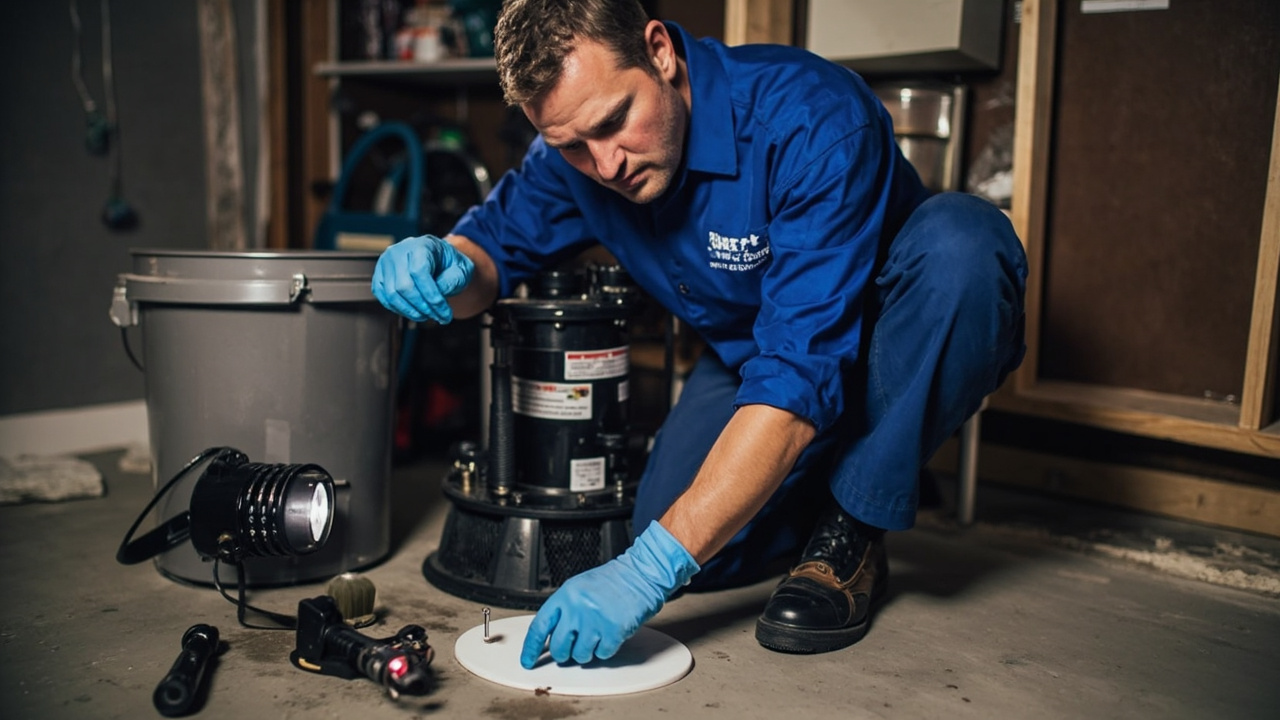
Professional water damage restoration specialists approach sump pump maintenance as a diagnostic evaluation, not a simple inspection. We test mechanical function, electrical integrity, and hydraulic performance under simulated load conditions.

The float switch requires manual activation testing. Pour water into the sump basin until the float rises and triggers the pump. The pump should activate within two seconds and discharge water through the outlet pipe. Delayed activation or weak discharge indicates impeller obstruction or motor degradation.

The check valve on the discharge pipe prevents backflow when the pump cycles off. A faulty check valve forces the pump to re-pump the same water, doubling runtime and electricity costs. Listen for a clunk sound when the pump stops. No sound means the check valve failed and needs replacement.

Sump pump upkeep instructions must include inlet screen cleaning. Sediment, mineral deposits from Columbus's moderately hard water, and organic debris clog the screen over time. Reduced inlet flow starves the impeller, causing the motor to overheat. Remove the pump, rinse the screen with a garden hose, and scrub away buildup with a stiff brush.

The weep hole drilled in the discharge pipe between the pump and check valve equalizes pressure and prevents air lock. This tiny hole clogs easily with mineral scale. Insert a thin wire to clear the opening.

Battery backup systems require quarterly testing under simulated power failure conditions. Disconnect AC power and verify the backup pump activates and discharges water. Battery terminals corrode in humid basement environments, creating resistance that prevents activation during actual emergencies.

A comprehensive sump pump maintenance checklist documents test results, component conditions, and replacement intervals for pumps, batteries, and check valves.

Your Complete Sump Pump Care Process

Sump Pump Maintenance Guide in Columbus – Prevent Basement Flooding Before the Next Storm
01

Quarterly System Testing

Every three months, conduct a full activation test by pouring five gallons of water into the sump basin. Time the pump activation, measure discharge volume, and inspect for unusual vibration or noise. Document the float switch position when activation occurs. Changes in activation height indicate mechanical wear or adjustment needs. Clean debris from the basin and inspect the liner for cracks that allow sediment infiltration.
02

Component Inspection and Cleaning

Remove the pump from the basin twice annually for detailed inspection. Disassemble the inlet screen and impeller housing to remove accumulated sediment and mineral deposits common in Columbus water. Inspect the impeller blades for cracks or chips that reduce pumping efficiency. Test the power cord for cuts or abrasions near the plug connection. Verify the discharge pipe remains securely fastened and slopes away from the foundation at minimum two percent grade.
03

Documentation and Replacement Planning

Record test results, maintenance dates, and component conditions in a maintenance log. Track pump runtime using an hour meter to predict replacement timing before failure occurs. Sump pumps last five to seven years with proper maintenance, but pumps in high-water-table areas like neighborhoods near the rivers may need earlier replacement. Stock critical replacement parts including a backup float switch, check valve, and discharge hose to enable immediate repairs when components fail.

Why Columbus Homeowners Trust Local Water Damage Prevention Experts

Five Star Water Damage Restoration Columbus understands the specific challenges Columbus basements face. We have restored hundreds of flooded basements throughout Franklin County and know which neighborhoods experience chronic groundwater problems. Homes near Whetstone Park, along the Olentangy Trail, and in low-lying areas of South Columbus require more robust sump pump systems than homes on higher ground.

Columbus building codes require sump pump discharge lines to daylight at least ten feet from foundation walls. Many older homes discharge directly into sanitary sewers, a practice that overloads the municipal system during heavy rain events. We help homeowners update discharge configurations to meet current code requirements while protecting basements from backup flooding.

The clay soil throughout Columbus shrinks during dry summer months and swells when saturated, creating foundation movement that damages sump pump discharge lines. We install flexible couplings and frost-proof discharge terminations that accommodate soil movement without cracking or separating.

Our technicians carry replacement components for every major sump pump brand sold at Columbus hardware stores and home improvement centers. When a component fails during a maintenance visit, we complete the repair immediately rather than scheduling a return trip while your basement remains vulnerable.

We provide written maintenance reports documenting system condition, test results, and recommended upgrades. These reports satisfy insurance requirements for homes in flood-prone areas and create maintenance records that increase property value during resale.

Preventative sump pump maintenance costs a fraction of water damage restoration. A flooded basement requires drying equipment, antimicrobial treatment, damaged material removal, and reconstruction. Most homeowners spend thousands addressing flood damage that a functional sump pump would have prevented. Regular maintenance eliminates that risk.

What Your Sump Pump Maintenance Service Includes

Same-Day Service Availability

We schedule sump pump maintenance visits within 24 hours of your call. Spring and fall are peak seasons for maintenance requests as homeowners prepare for heavy rain seasons. Service appointments take 45 to 90 minutes depending on system complexity and component condition. We arrive with a fully stocked service vehicle carrying replacement parts for immediate repairs. Emergency maintenance visits are available when you discover a malfunction before a predicted storm. Our technicians work evenings and weekends to ensure your basement protection system functions when you need it most.

Comprehensive System Evaluation

Our maintenance evaluation examines 23 system components and performance metrics. We measure pump discharge volume, activation timing, and electrical current draw under load conditions. Impeller inspection reveals wear patterns that predict imminent failure. Float switch testing includes manual activation and range-of-motion evaluation to detect binding or corrosion. We inspect foundation walls near the sump basin for new cracks or seepage points that increase pump runtime. Battery backup systems receive load testing and terminal cleaning. The discharge line inspection includes freeze protection verification and proper grade measurement to prevent standing water.

Professional-Grade Results

Your sump pump leaves our service operating at manufacturer specifications with all components cleaned, tested, and adjusted. The basin is debris-free with proper water level settings. Discharge lines are secured and properly graded. Backup systems are fully charged with verified activation capability. You receive a detailed maintenance report documenting system condition, test results, and photographic evidence of component wear. We identify components approaching end-of-life and provide replacement cost estimates so you can budget for upgrades before emergency failures occur. Our maintenance service extends pump lifespan and ensures reliable operation during severe weather events.

Ongoing Maintenance Support

We offer quarterly maintenance plans that schedule automatic service visits aligned with seasonal weather patterns. Spring maintenance prepares your system for severe thunderstorm season. Fall maintenance ensures winter readiness when frozen discharge lines cause backup flooding. Maintenance plan members receive priority scheduling and discounted component replacement pricing. We maintain digital service records tracking your system history, component replacement dates, and performance trends over time. Email reminders notify you when the next maintenance visit is due. Between scheduled visits, we provide phone support for troubleshooting questions and can dispatch emergency service when you suspect malfunction before a predicted storm.

Frequently Asked Questions

You Have Questions,
We Have Answers

What maintenance does a sump pump require? +

Your sump pump needs quarterly testing and annual cleaning. Every three months, pour a bucket of water into the pit to verify the float switch activates and the pump cycles properly. Once a year, unplug the unit and remove accumulated debris from the basin and inlet screen. Check the discharge line for blockages or ice buildup during Columbus winters. Inspect the check valve to confirm it prevents backflow. Test your battery backup system if installed. Clean the pump housing with mild soap and water to prevent bacterial growth and odors that are common in humid Ohio basements.

What is the most common problem with sump pumps? +

Float switch failure causes most sump pump breakdowns. The float mechanism gets stuck due to debris, mineral deposits, or misalignment within the basin. When the float cannot rise freely, the pump will not activate during water intrusion. Columbus homes with high water tables experience this issue faster because the pump cycles more frequently. Sediment from Ohio clay soil accelerates wear on moving parts. Check your float quarterly by manually lifting it to trigger operation. A stuck float means your basement is vulnerable during spring storms and snowmelt periods when Columbus sees peak groundwater levels.

Can I put a chlorine tablet in my sump pump? +

Never put chlorine tablets in your sump pump. Chlorine corrodes metal components, degrades rubber seals, and releases toxic fumes in enclosed basement spaces. The chemical reaction damages the impeller and housing, shortening pump lifespan significantly. Columbus homeowners sometimes attempt this to control odors, but it creates more problems than it solves. Instead, pour a gallon of clean water mixed with mild detergent through the system quarterly. For persistent odor issues, inspect your discharge line for standing water or backflow problems. Proper ventilation and regular cleaning prevent bacterial growth without chemical damage.

What is the typical lifespan of a sump pump? +

Sump pumps last seven to ten years under normal conditions. Columbus homes in flood-prone neighborhoods or areas with high water tables see shorter lifespans because frequent cycling accelerates wear. A pump running multiple times daily will fail faster than one activating occasionally during heavy rain. Quality matters. Budget models may last five years while commercial-grade units reach twelve years with proper maintenance. Track your pump's installation date and watch for performance decline after year seven. Homes near the Scioto River or Alum Creek should inspect pumps more frequently due to increased groundwater pressure and seasonal flooding risks.

Does sump pump maintenance really matter? +

Sump pump maintenance prevents catastrophic basement flooding that costs thousands in damage. A neglected pump fails when you need it most during spring storms or rapid snowmelt common in Columbus. Regular testing catches problems before emergency situations arise. A malfunctioning pump allows water intrusion that damages foundations, destroys belongings, and creates mold growth within 48 hours. Columbus clay soil holds moisture, increasing hydrostatic pressure against basement walls. Your sump pump is the primary defense against this constant threat. Quarterly checks and annual cleaning take 30 minutes but protect your largest investment. Skipping maintenance is gambling with your home.

Can I put vinegar in my sump pump? +

You can use white vinegar to clean sump pump components safely. Mix equal parts vinegar and water, then scrub the basin walls and pump housing to remove mineral deposits and bacterial buildup. Vinegar dissolves calcium and lime scale common in Columbus water without damaging metal or plastic parts. Pour the solution into an empty pit and run the pump briefly to clean internal passages. Rinse thoroughly with fresh water afterward. Vinegar naturally deodorizes and disinfects without toxic fumes or corrosive effects. This method works well for annual deep cleaning but does not replace regular debris removal and mechanical inspection.

What are the signs of a bad sump pump? +

A failing sump pump makes grinding noises, vibrates excessively, or cycles constantly without moving water. You might notice rust on the housing or motor casing indicating internal corrosion. The float arm sticks in one position or the pump fails to activate when you pour water into the pit. Longer run times to clear the same water volume signal impeller wear or reduced motor efficiency. Strange odors from the basin suggest pump seal failure allowing sewage backflow. Columbus homeowners should watch for discharge line freezing during winter that causes backpressure. If your pump is over eight years old and showing these symptoms, replacement is smarter than repair.

What is the #1 cause of basement flooding? +

Sump pump failure causes most basement flooding in Columbus. When heavy spring rains or rapid snowmelt increase groundwater levels, a malfunctioning pump cannot remove water fast enough. Ohio clay soil has poor drainage, creating hydrostatic pressure that forces water through foundation cracks and floor seams. Power outages during storms knock out pumps without battery backup. Clogged discharge lines prevent water removal even when the pump runs. Columbus experiences intense rainfall events that overwhelm undersized pumps installed in older homes. Check valve failure allows water to flow backward into the basement. Regular pump testing and backup power systems eliminate this vulnerability during critical weather events.

What is the average cost to replace a sump pump? +

Sump pump replacement ranges from affordable for basic models to significant investment for high-capacity systems with backup power. The pump itself varies by horsepower, build quality, and features like alarm systems or dual float switches. Installation complexity affects total expense. Columbus homes with finished basements or difficult access increase labor requirements. Upgrading discharge piping, adding battery backup, or installing a secondary pump adds to the project scope. Clay soil conditions in Columbus sometimes require larger capacity units than standard residential models. Get multiple quotes from licensed contractors who understand Ohio building codes and local groundwater conditions before committing.

What is the best cleaner for a sump pump? +

Mild dish soap mixed with water cleans sump pumps effectively without causing damage. Use a soft brush to scrub the basin walls, pump housing, and inlet screen. This simple solution removes mud, organic debris, and bacterial film that accumulates in Columbus basements. For tougher mineral deposits from hard Ohio water, add white vinegar to dissolve scale buildup. Avoid bleach, harsh chemicals, or abrasive cleaners that corrode metal parts or degrade rubber seals. Rinse thoroughly with clean water after scrubbing. Pour a bucket of fresh water through the system to flush internal passages. This cleaning method is safe, inexpensive, and maintains pump efficiency year-round.

How Columbus's Clay Soil and Variable Water Table Affect Sump Pump Reliability

Columbus sits on glacial till deposits with heavy clay content that retains moisture far longer than permeable soils. When spring rains saturate the ground, this clay layer prevents rapid drainage, keeping groundwater tables elevated for weeks after storms pass. Basements in German Village, Italian Village, and Victorian Village experience sustained seepage pressure that forces sump pumps to cycle continuously. This extended runtime accelerates mechanical wear and increases the likelihood of motor failure during the exact period when pump reliability matters most. Homes built before 1980 often have inadequate foundation drainage systems, increasing reliance on sump pumps as the primary water control method.

Five Star Water Damage Restoration Columbus maintains detailed records of groundwater behavior in every Franklin County neighborhood. We know which areas near the Scioto River experience seasonal flooding, which neighborhoods have combined sewer systems prone to backup, and which subdivisions have high water tables that cause year-round seepage. This local knowledge allows us to recommend system upgrades specific to your property location. We work with homeowners throughout Clintonville, Worthington, Upper Arlington, and surrounding communities to implement preventative sump pump maintenance strategies that address Columbus-specific challenges rather than generic maintenance protocols designed for different soil types and climate conditions.
Water Damage Restoration Services in The Columbus Area

We proudly serve the wider Columbus area and its surrounding communities. Our centrally located office allows our emergency response teams to reach your property quickly, no matter where you are. We are committed to being a reliable resource for our neighbors, and our responsive team is always on standby to provide professional assistance when you need it most. We believe that local expertise and a quick response are crucial when dealing with water damage, so we encourage you to view our service area to see if we can help.

Address:
Five Star Water Damage Restoration Columbus, 601 N High St, Columbus, OH, 43215

Additional Services We Offer

Our news updates

Latest Articles & News from The Blogs

Dealing with water damage when you live in a Columbus HOA or condo association Water damage in a Columbus condo…

Dealing with water damage when you live in a Columbus HOA or condo association

Dealing with water damage when you live in a Columbus HOA or condo association Water damage in a Columbus condo…

The real difference between common mildew and dangerous black mold in Eastmoor homes

The real difference between common mildew and dangerous black mold in Eastmoor homes Eastmoor homeowners often spot dark patches in…

Testing your sump pump before the spring rains hit the South Side

Testing your sump pump before the spring rains hit the South Side \n\n Heavy spring rains combined with the clay-rich…

Contact Us

Do not wait until water covers your basement floor to discover your sump pump failed. Call Five Star Water Damage Restoration Columbus at (614) 707-7505 today to schedule a comprehensive maintenance evaluation. We will test, clean, and optimize your system so it operates reliably when Columbus weather turns severe.