Menu

Swollen Baseboards & Trim in Columbus | Expert Diagnosis and Permanent Water Damage Repair

We identify the moisture source behind water damaged baseboards and bloated wood trim, then restore your home with proper drying protocols and precision replacement to prevent recurring damage.

Slider Image 1
Slider Image 2
Slider Image 3
Slider Image 4
Slider Image 5
Slider Image 7
Slider Image 8
Slider Image 9
Slider Image 10
Slider Image 11

Why Columbus Humidity and Scioto Valley Moisture Create Baseboard Swelling

You walk past your baseboards every day. Then one morning, you notice the paint looks cracked. The trim feels spongy when you press it. The corners are separating from the wall. That is moisture swollen baseboards telling you water is hiding somewhere in your home.

Columbus sits in the Scioto River valley, where summer humidity regularly exceeds 70 percent. Older homes in German Village and Victorian Village were built with solid wood trim. Newer construction in Easton and New Albany uses MDF baseboards, which absorb water like a sponge. Both materials react violently to moisture intrusion.

Warped baseboard molding does not appear overnight. It signals an active water source. Leaking pipes behind drywall. Slab leaks migrating through concrete. Poor grading that pushes storm runoff against your foundation. High indoor humidity from inadequate ventilation. Appliance leaks that go unnoticed for weeks.

Expanded MDF trim is particularly deceptive. Medium-density fiberboard swells at the edges first, creating a bloated appearance along the bottom edge. The material loses structural integrity quickly. You cannot sand it down or repaint it. Once MDF absorbs water, replacement is the only option.

Water damaged baseboards also indicate a bigger problem. If the trim is swollen, the drywall behind it is wet. The subfloor may be compromised. Mold is growing in cavities you cannot see. Ignoring bloated wood trim allows hidden water damage to spread through wall cavities and floor systems, turning a simple repair into a full remediation project.

Why Columbus Humidity and Scioto Valley Moisture Create Baseboard Swelling
How We Locate the Water Source and Restore Structural Integrity

How We Locate the Water Source and Restore Structural Integrity

Most homeowners call a handyman to replace swollen baseboards. Three months later, the new trim is swelling again. That is because they treated the symptom, not the source.

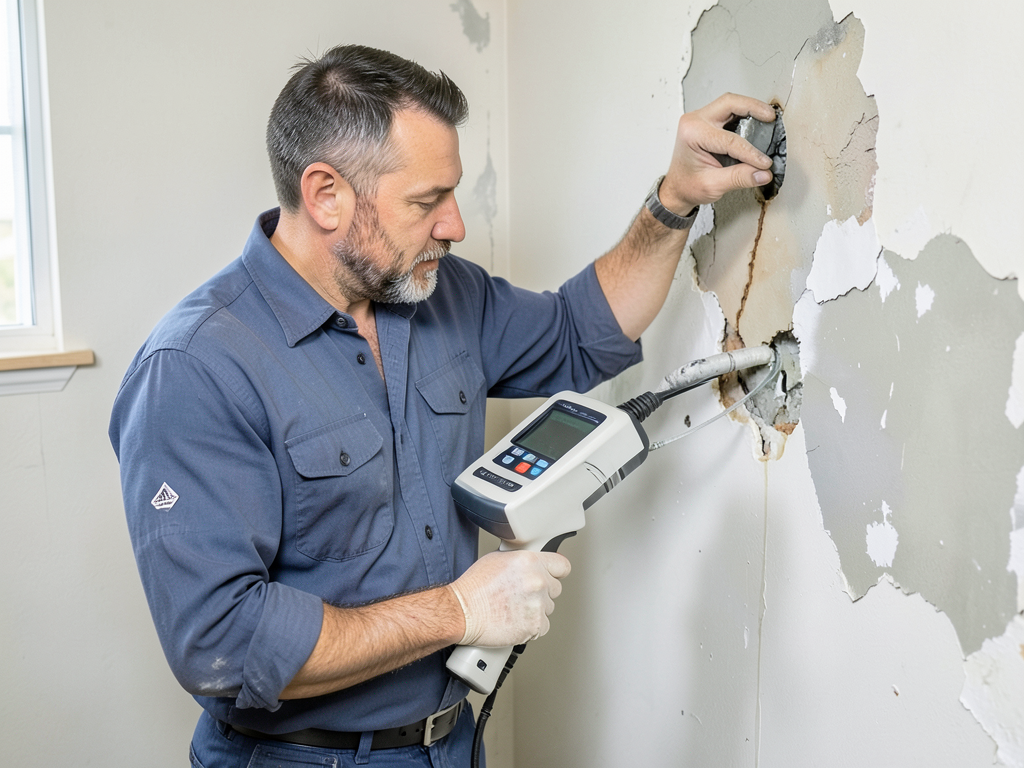
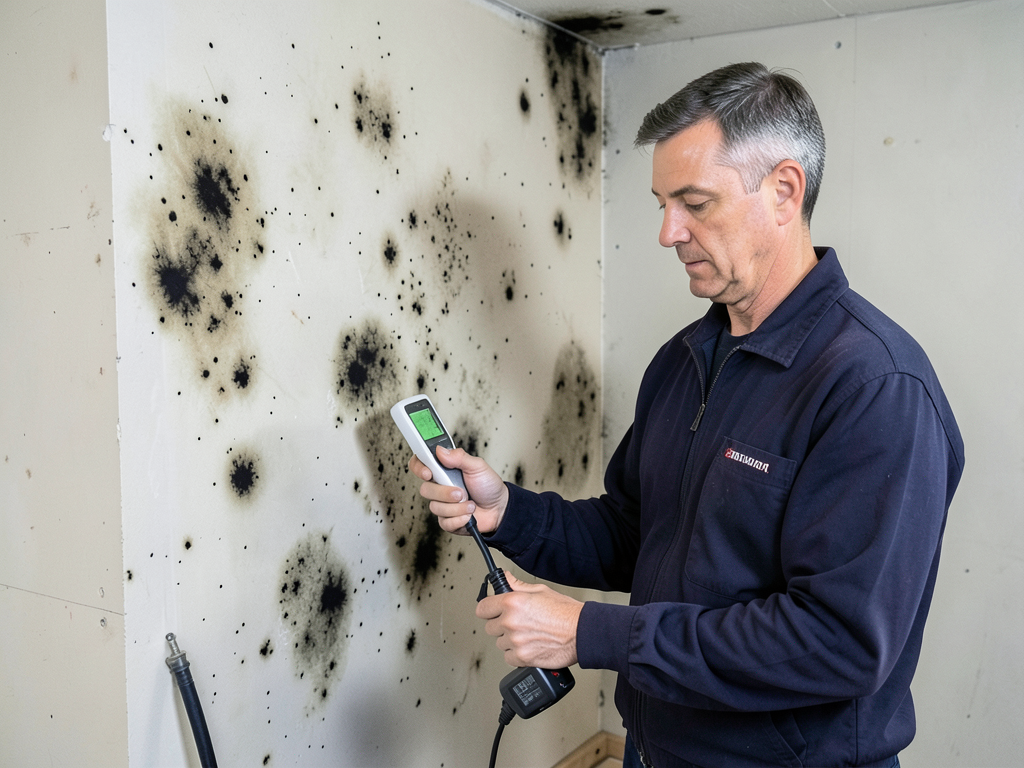
We use thermal imaging cameras to map temperature differentials behind walls. Moisture meters measure water content in drywall, subfloor, and framing lumber. Hygrometers track relative humidity levels in affected rooms. This diagnostic process reveals the exact origin of the moisture intrusion.

Common sources we find include pinhole leaks in copper supply lines, failed wax rings under toilets, condensation from poorly insulated ductwork, and foundation cracks that allow groundwater seepage. In Columbus homes built before 1980, we often discover galvanized pipes corroding from the inside out.

Once we identify the source, we stop the water. That may require a licensed plumber for pipe repairs or a foundation specialist for drainage correction. We coordinate those trades if needed. Then we begin structural drying.

We place commercial dehumidifiers and air movers in affected areas. We monitor moisture levels daily using penetrating moisture meters. Drywall must reach below 15 percent moisture content before we seal it. Framing lumber must drop below 19 percent. Subfloors must be completely dry before we install new baseboards.

We remove all compromised materials. Swollen MDF goes to the dumpster. We do not try to salvage it. If mold is present, we follow IICRC S520 remediation protocols. We apply antimicrobial treatments to framing and subfloors. We replace insulation if it contacted water. We install vapor barriers where needed. Only then do we install new trim properly primed and sealed.

Our Baseboard Restoration and Moisture Remediation Process

Swollen Baseboards & Trim in Columbus | Expert Diagnosis and Permanent Water Damage Repair
01

Source Identification and Documentation

We arrive with thermal imaging cameras, moisture meters, and hygrometers to map the water intrusion. We document moisture levels in baseboards, drywall, subfloors, and framing. We photograph damage patterns and create a moisture map of your home. We identify whether the source is plumbing failure, foundation seepage, or condensation buildup. This diagnostic phase prevents repeat damage after repairs.
02

Controlled Structural Drying

After stopping the water source, we position commercial-grade dehumidifiers and air movers to create controlled airflow through wall cavities and under flooring. We monitor drying progress daily with penetrating moisture meters. We adjust equipment placement based on moisture readings. Drying typically takes three to five days depending on saturation levels. We do not remove equipment until all building materials reach acceptable moisture content per IICRC standards.
03

Selective Demolition and Rebuild

We remove all water damaged baseboards, warped molding, and compromised drywall. We inspect framing lumber for rot and treat all surfaces with antimicrobial solutions. We replace damaged subfloor sections if needed. We install moisture-resistant materials where appropriate. New baseboards are properly primed on all six sides before installation. We caulk all seams and apply finish coats to match your existing trim, leaving you with a restored interior.

Why Columbus Homeowners Choose Local Water Damage Specialists

Five Star Water Damage Restoration Columbus understands how homes in this area are built. We know the difference between a 1920s brick colonial in Clintonville with plaster walls and a 2005 subdivision home in Dublin with drywall and engineered lumber. That knowledge matters when we diagnose moisture problems and plan restoration work.

We work directly with Columbus Building Services when permits are required for structural repairs. We understand Franklin County building codes and inspection requirements. We coordinate with local plumbers, electricians, and HVAC contractors who know this market and respond quickly when we need their expertise.

Our equipment stays in Columbus. We do not haul dehumidifiers and air movers from another city. When you call us at 7 AM because you discovered swollen baseboards near your water heater, we arrive with everything we need. We do not rent equipment or subcontract the actual water extraction and drying work.

We also understand how Columbus insurance adjusters evaluate water damage claims. We document everything with detailed moisture readings, thermal images, and written reports. We use Xactimate estimating software that matches the same platform your insurance company uses. That eliminates disputes over pricing and speeds up claim approvals.

Most importantly, we live here. Our techs recognize the street names you mention. We have worked in your neighborhood before. We have dried out basements in Grandview Heights after spring flooding. We have replaced rotted sill plates in Bexley homes with foundation drainage issues. We have removed mold from crawlspaces in Worthington after sewage backups.

When we tell you the source of your moisture problem, we base that assessment on hundreds of similar projects in Columbus homes. That experience prevents misdiagnosis and wasted repair expenses.

What Happens During Your Baseboard Water Damage Restoration

Response Time and Initial Assessment

We answer your call directly, not through an answering service. We arrive within two hours for emergency water damage. Non-emergency baseboard swelling gets scheduled within 24 hours. Our initial assessment takes 45 to 90 minutes depending on your home size. We provide a written moisture report and repair estimate before we leave. You get a detailed scope of work explaining what we found, what needs repair, and what we recommend to prevent recurrence.

Diagnostic Equipment and Moisture Mapping

We carry FLIR thermal imaging cameras that detect temperature changes behind walls and floors. Our Tramex moisture meters measure water content without destroying materials. We use thermo-hygrometers to track ambient humidity and temperature. We create a moisture map showing affected areas in red and dry areas in green. This documentation helps your insurance adjuster understand the scope of damage and validates the need for repairs you cannot see with your eyes.

Finished Restoration Quality

We match your existing baseboard profiles and paint colors. We use moisture-resistant materials in areas prone to humidity. All new trim gets primed on six sides before installation to prevent future moisture absorption. We caulk all seams and nail holes. We apply two finish coats that match your existing paint sheen. When we finish, you should not be able to tell which sections we replaced unless you know where to look. The goal is invisible repair with permanent moisture protection.

Post-Restoration Monitoring and Prevention

We return 30 days after completion to recheck moisture levels in previously affected areas. We provide written recommendations for humidity control, ventilation improvements, and plumbing maintenance. If you discover new moisture issues within 90 days in the same location, we investigate at no charge to determine if the original water source was fully resolved. We also offer annual moisture inspections for homeowners who want proactive monitoring in basements and crawlspaces where problems often start.

Frequently Asked Questions

You Have Questions,
We Have Answers

How to fix a swollen baseboard? +

First, identify and stop the water source. Remove the swollen baseboard completely using a pry bar. Check the wall studs and subfloor behind it for moisture using a moisture meter. Dry the area thoroughly with fans or dehumidifiers for 48-72 hours. In Columbus homes, especially older properties in German Village or Victorian Village, check for foundation cracks or poor grading causing moisture intrusion. Replace the damaged baseboard with new material once the wall cavity registers below 15% moisture content. Sand, prime, and paint the new trim to match. Never reinstall swollen baseboards as they harbor mold and remain structurally compromised.

What causes baseboards to swell? +

Baseboards swell when wood fibers absorb water and expand. Common causes include plumbing leaks from supply lines or drain pipes, foundation seepage during Columbus's heavy spring rains, poor grading around the home, HVAC condensation drips, and high indoor humidity levels. Columbus homes built on clay soil experience seasonal foundation movement, creating gaps where water enters. Bathroom and kitchen leaks migrate along floor joists to distant baseboards. Flooding from Scioto River overflow or storm water backup forces moisture up through concrete slabs. MDF and particle board baseboards swell faster than solid wood when exposed to moisture.

What is the 7 rule for baseboards? +

The 7 rule means baseboards should equal seven percent of the ceiling height. For standard 8-foot Columbus home ceilings, install 5.5-inch baseboards. For 9-foot ceilings common in Clintonville or Upper Arlington renovations, use 6.3-inch baseboards. For 10-foot ceilings in newer Dublin or New Albany builds, install 7-inch baseboards. This proportion creates visual balance between floor and ceiling. However, older Columbus homes in Historic Districts may use taller baseboards regardless of ceiling height. The rule guides new installations but respect existing architectural character. Proper proportions help baseboard profiles complement room scale without overwhelming smaller spaces.

How to tell if baseboard has water damage? +

Look for visual swelling where the baseboard bulges outward or separates from the wall. Check for discoloration with brown, yellow, or gray stains indicating water contact. Feel the surface for soft spots where wood integrity has degraded. Notice peeling or bubbling paint where moisture pushes coatings away from the substrate. Smell for musty odors suggesting mold growth behind the trim. In Columbus basements, check baseboards near exterior walls for white efflorescence or mineral deposits. Use a moisture meter to confirm readings above 15% moisture content. Inspect nail holes for rust stains bleeding through paint, a clear water damage indicator requiring immediate attention.

How Scioto River Valley Humidity and Columbus Clay Soil Accelerate Baseboard Water Damage

Columbus sits at the confluence of the Scioto and Olentangy rivers, creating a microclimate with elevated humidity from late spring through early fall. Homes in neighborhoods near these waterways, including Marble Cliff, Upper Arlington near the river corridor, and areas south of downtown, experience higher indoor humidity even with air conditioning. That ambient moisture accelerates swelling in MDF baseboards and causes solid wood trim to expand and contract repeatedly, creating paint cracks and joint separation. The region's expansive clay soil also contributes to foundation settlement and cracking, allowing groundwater to seep through basement walls and under slab foundations where it wicks up into wall framing and contacts baseboards from behind.

Columbus building codes require proper vapor barriers in new construction, but homes built before 1990 often lack adequate moisture protection. We understand how older homes in established neighborhoods like German Village, Victorian Village, and Clintonville were constructed, including common vulnerabilities like limestone foundation walls that wick moisture and balloon framing that allows water to travel vertically through wall cavities. Our team works regularly with Columbus Building Services inspectors on restoration projects requiring permits, and we maintain relationships with local specialty trades for coordinated repairs when water damage extends beyond our scope.
Water Damage Restoration Services in The Columbus Area

We proudly serve the wider Columbus area and its surrounding communities. Our centrally located office allows our emergency response teams to reach your property quickly, no matter where you are. We are committed to being a reliable resource for our neighbors, and our responsive team is always on standby to provide professional assistance when you need it most. We believe that local expertise and a quick response are crucial when dealing with water damage, so we encourage you to view our service area to see if we can help.

Address:
Five Star Water Damage Restoration Columbus, 601 N High St, Columbus, OH, 43215

Additional Services We Offer

Our news updates

Latest Articles & News from The Blogs

Dealing with water damage when you live in a Columbus HOA or condo association Water damage in a Columbus condo…

Dealing with water damage when you live in a Columbus HOA or condo association

Dealing with water damage when you live in a Columbus HOA or condo association Water damage in a Columbus condo…

The real difference between common mildew and dangerous black mold in Eastmoor homes

The real difference between common mildew and dangerous black mold in Eastmoor homes Eastmoor homeowners often spot dark patches in…

Testing your sump pump before the spring rains hit the South Side

Testing your sump pump before the spring rains hit the South Side \n\n Heavy spring rains combined with the clay-rich…

Contact Us

Water damaged baseboards signal active moisture intrusion happening right now. Call Five Star Water Damage Restoration Columbus at (614) 707-7505 for same-day assessment and moisture mapping. We find the source, dry the structure properly, and restore your trim permanently.